Green Building Grant Applications NZ
Green building grants in NZ are financial incentives and subsidies provided by government agencies like EECA and local councils to support energy-efficient construction. These grants facilitate commercial energy audits, low-carbon material adoption, and sustainable design, helping businesses reduce operational costs while aligning with New Zealand’s 2050 carbon neutrality goals through strategic investment.
EECA Funding for Commercial Energy Audits
The Energy Efficiency and Conservation Authority (EECA) serves as the primary gateway for commercial entities seeking to optimize their energy performance. In the context of New Zealand’s transition to a low-emissions economy, EECA provides substantial co-funding opportunities specifically designed for commercial energy audits and decarbonization roadmaps. For large energy users, the Energy Transition Accelerator (ETA) program offers a structured pathway to identify long-term emission reduction opportunities.
Commercial energy audits are the cornerstone of any green building strategy. These audits provide a granular analysis of energy consumption patterns, identifying inefficiencies in HVAC systems, lighting, and building envelopes. By leveraging EECA funding, businesses can offset the initial cost of these technical assessments, which typically range from basic Level 1 walk-throughs to comprehensive Level 3 investment-grade audits. The primary goal is to provide a clear ROI calculation for energy-saving capital projects.

The Energy Transition Accelerator (ETA)
The ETA is specifically targeted at large-scale organizations with significant carbon footprints. This program provides co-funding for the development of a long-term decarbonization strategy. Unlike a standard audit, the ETA looks at the entire business ecosystem, including supply chains and future expansion plans, to ensure that green building upgrades are integrated into the core business model. This strategic alignment is crucial for securing further investment and maintaining compliance with evolving NZ climate disclosure regulations.
Technology and Systems Co-funding
Beyond audits, EECA often provides co-funding for the implementation of specific technologies. This can include heat pump water heating systems, advanced building management systems (BMS), and high-efficiency lighting. For commercial property owners, these subsidies reduce the payback period of green retrofits, making the transition to a sustainable asset more financially viable. Eligibility often hinges on the projected carbon savings per dollar invested, requiring a robust business case during the application phase.
Local Council Incentives for Green Builds
While national funding focuses on energy and emissions, local councils across New Zealand offer various incentives to promote sustainable urban development. These incentives are often tied to the Resource Management Act (RMA) requirements and local sustainability bylaws. Councils like Auckland, Wellington, and Christchurch have historically offered mechanisms such as development contribution remissions or fast-tracked processing for projects that meet specific green building standards like Green Star or Homestar.
Auckland Council and Sustainable Development
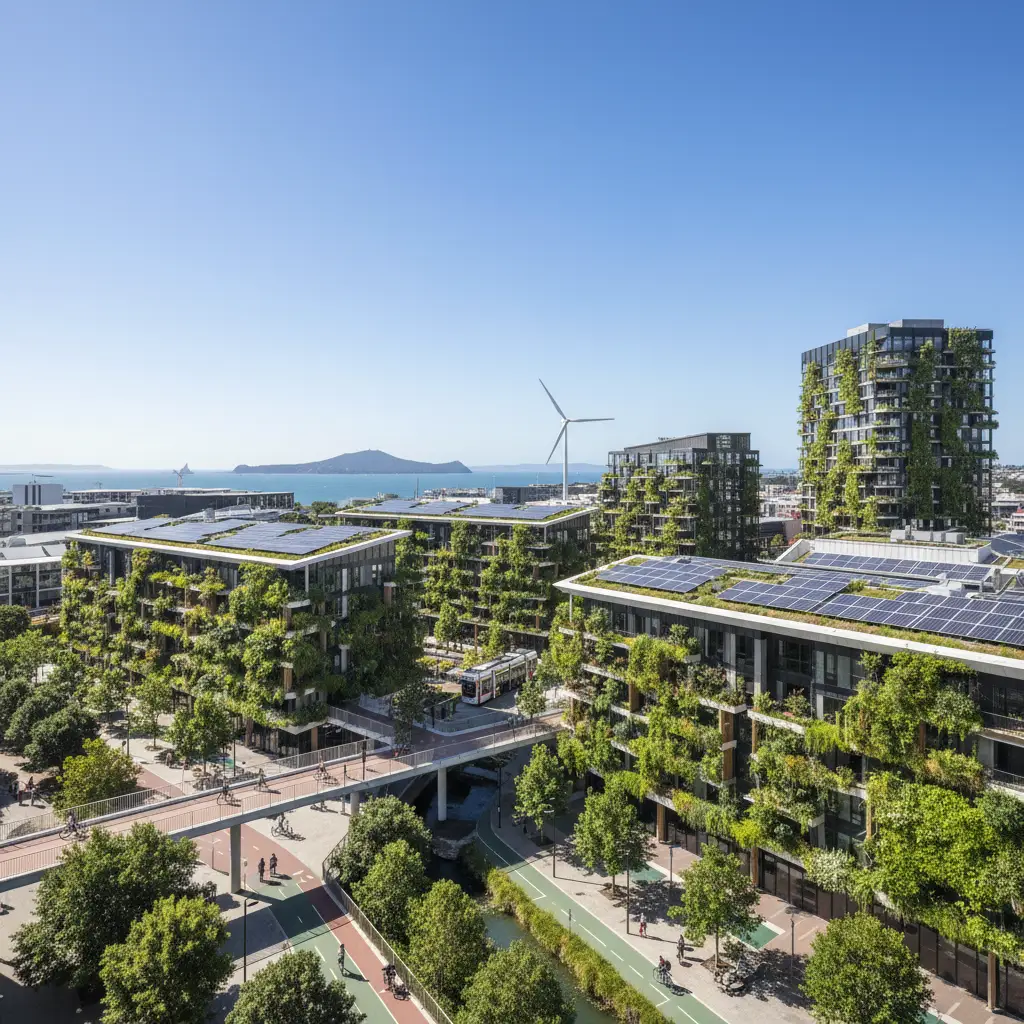
In Auckland, the focus is frequently on water conservation and stormwater management. While direct cash grants for commercial builds are rarer than residential retrofit programs, the council provides significant support through its ‘Sustainable Development’ guidelines. Developers who incorporate rain gardens, permeable paving, and greywater recycling systems may benefit from reduced compliance costs or more favorable density allowances in specific zones. It is essential to consult with council planners early in the design phase to identify these ‘soft’ financial benefits.
Wellington and Christchurch Resilience Grants
Wellington City Council has a strong focus on resilience and sustainability. Their incentives often overlap with seismic strengthening, where green upgrades are encouraged as part of a holistic building refurbishment. In Christchurch, the post-earthquake rebuild fostered an environment where the ‘Build Back Smarter’ philosophy led to various pilot programs. These often include grants for energy-efficient heating and insulation, particularly for community-focused commercial spaces and non-profit organizations.
Government Subsidies for Low-Carbon Materials
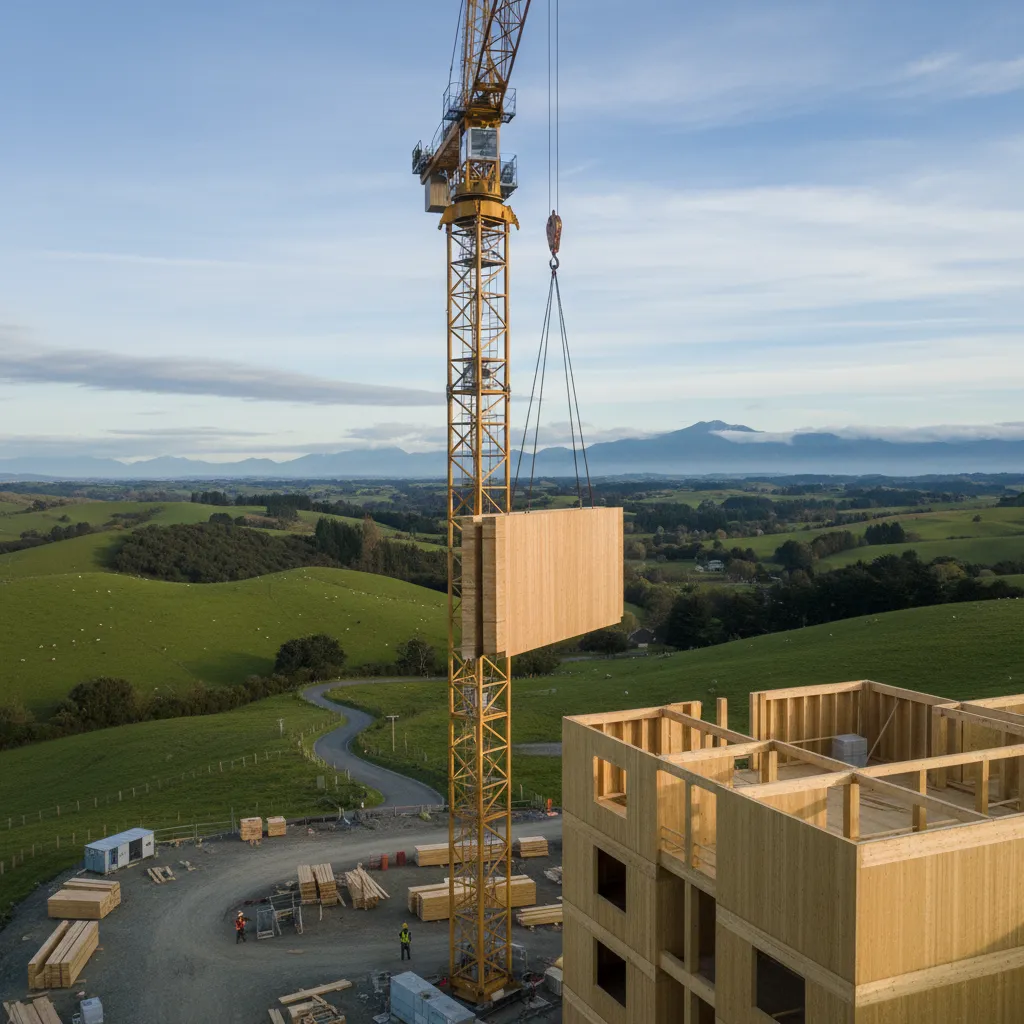
The Building for Climate Change (BfCC) program, led by the Ministry of Business, Innovation and Employment (MBIE), is the driving force behind the shift toward low-carbon materials in New Zealand. While not always direct ‘cash-in-hand’ grants, the government provides significant support through R&D tax credits and procurement preferences for projects utilizing sustainable materials like Cross-Laminated Timber (CLT) and low-carbon concrete.
Reducing embodied carbon is a key priority for the NZ government. Embodied carbon refers to the emissions generated during the manufacturing, transportation, and construction of building materials. By incentivizing the use of locally sourced timber and recycled materials, the government aims to lower the total lifecycle emissions of the national building stock. This is a critical component of the ‘Circular Economy’ approach being adopted across the construction sector.
The R&D Tax Incentive (RDTI)
For companies developing new green building technologies or materials, the Research and Development Tax Incentive (RDTI) provides a 15% tax credit on eligible expenditure. This is a powerful tool for startups and established firms innovating in the space of carbon-negative materials or high-performance insulation. The application process requires detailed documentation of the ‘scientific or technological uncertainty’ being addressed, making it a technical but highly rewarding pathway for green innovation.
Government Procurement and ‘Social Value’
The New Zealand government is the country’s largest tenant and property owner. Through the ‘Government Procurement Rules,’ agencies are now required to consider the broader environmental and social outcomes of their construction projects. This means that contractors and developers who prioritize low-carbon materials are more likely to win lucrative government contracts. While not a grant in the traditional sense, this ‘preferential procurement’ acts as a significant market incentive for the green building sector.
The Application Process and Eligibility Criteria
Navigating the application process for green building grants in NZ requires a meticulous approach. Most funding bodies, particularly EECA, require a formal proposal that demonstrates both technical feasibility and financial need. The process typically begins with an ‘Expression of Interest’ (EOI), followed by a detailed business case. Understanding the specific criteria for each grant is vital to avoid wasting resources on ineligible projects.
Eligibility often depends on the size of the organization, the type of building (new build vs. retrofit), and the projected environmental impact. For instance, EECA co-funding is generally prioritized for projects that can demonstrate a high ‘carbon abatement’ rate—meaning they save a significant amount of CO2 for every dollar of government funding provided. Accurate data collection and baseline energy monitoring are mandatory prerequisites for these applications.

Step-by-Step Application Guide
- Baseline Assessment: Conduct an initial energy audit or carbon footprint analysis to establish your current performance.
- Identify Funding Streams: Match your project goals with specific grants (e.g., EECA for energy, Council for water, MBIE for materials).
- Engage Experts: Hire accredited professionals (Green Star practitioners or CEM auditors) to validate your projections.
- Develop the Business Case: Clearly articulate the ROI, including energy savings, maintenance reduction, and carbon credits.
- Submit EOI: Submit a high-level summary to the funding body to gauge interest and ensure alignment.
- Full Proposal: Provide detailed technical specifications, quotes from contractors, and a project timeline.
Strategic Benefits of Green Certification
Securing a grant is often just the first step. To maximize the value of a green building project, many New Zealand businesses seek formal certification through the New Zealand Green Building Council (NZGBC). Standards like Green Star for commercial buildings and Homestar for residential developments provide a transparent, third-party verification of a building’s environmental credentials. This certification is increasingly linked to ‘Green Financing’ options from major NZ banks.
Banks such as ANZ, ASB, and Westpac now offer discounted interest rates or ‘green loans’ for buildings that achieve high Green Star ratings. These financial products can be combined with government grants to significantly reduce the cost of capital. Furthermore, green-certified buildings often command higher rents and experience lower vacancy rates, as corporate tenants increasingly prioritize sustainability in their site selection process to meet their own ESG (Environmental, Social, and Governance) targets.
The Future of NZ Carbon Economy
The landscape of green building grants in NZ is rapidly evolving as the country moves closer to its 2030 and 2050 climate targets. We are likely to see a shift from voluntary incentives to mandatory compliance. The introduction of mandatory climate-related disclosures for large financial institutions and listed companies is already trickling down to the property sector. Investors are demanding more transparency regarding the ‘climate risk’ of their portfolios, making green building upgrades a matter of risk management rather than just corporate social responsibility.
In the coming years, expect to see more integrated funding models where public grants, private green bonds, and carbon credits work in tandem. The New Zealand Emissions Trading Scheme (ETS) will continue to play a pivotal role, as the rising price of carbon makes energy efficiency projects even more financially attractive. For businesses and developers, the message is clear: investing in green building today is not just about environmental stewardship; it is about future-proofing assets in a carbon-constrained economy.
People Also Ask
What are the main green building grants available in NZ?
The main grants include EECA co-funding for energy audits and decarbonization, the R&D Tax Incentive for sustainable innovation, and various local council remissions for water and waste management. Large projects may also access the Energy Transition Accelerator.
How do I qualify for EECA commercial funding?
To qualify, businesses typically need to be significant energy users or demonstrate a project with high carbon abatement potential. You must provide a clear business case and often work with an EECA-accredited energy advisor.
Are there grants for installing solar panels on commercial buildings?
While direct national grants for solar are less common than energy efficiency grants, EECA sometimes co-funds solar as part of a larger decarbonization strategy. Some local councils also offer low-interest loans or small grants for renewable energy installations.
Does the NZ government subsidize low-carbon materials like CLT?
The government supports low-carbon materials through procurement rules for public buildings and the R&D Tax Incentive for material innovation. The Building for Climate Change program also provides framework support for the industry.
What is the difference between Green Star and Homestar ratings?
Green Star is a rating system specifically for commercial buildings (offices, industrial, retail), while Homestar is designed for residential dwellings. Both are managed by the New Zealand Green Building Council and are often prerequisites for certain grants or green loans.
Can small businesses apply for green building grants in NZ?
Yes, small businesses can access EECA’s business resources and certain local council incentives. While large-scale programs like the ETA are for big emitters, smaller entities often benefit from ‘Retrofit’ programs and technology-specific subsidies.
About The Author
