Sustainable Dairy Farming NZ
Sustainable dairy farming in NZ refers to agricultural practices that balance high milk production with environmental stewardship. It focuses on reducing greenhouse gas emissions, protecting water quality, and optimizing effluent management to meet the requirements of the Zero Carbon Act 2019, ensuring the long-term viability of New Zealand’s primary export industry.
How does the Zero Carbon Act affect sustainable dairy farming in NZ?
The Climate Change Response (Zero Carbon) Amendment Act 2019 serves as the cornerstone of New Zealand’s environmental policy, setting a legally binding target for the country to reach net-zero emissions of all greenhouse gases (except biogenic methane) by 2050. For the dairy sector, this means a target reduction of biogenic methane by 10% by 2030 and 24-47% by 2050. This legislation has transformed sustainable dairy farming in NZ from a voluntary set of best practices into a regulatory necessity. Farmers are now required to account for their biological emissions, leading to a surge in data-driven farm management. The industry-led partnership, He Waka Eke Noa, was established to help farmers measure, manage, and reduce their emissions, emphasizing the transition toward a low-emissions economy while maintaining the global competitiveness of New Zealand’s dairy products.
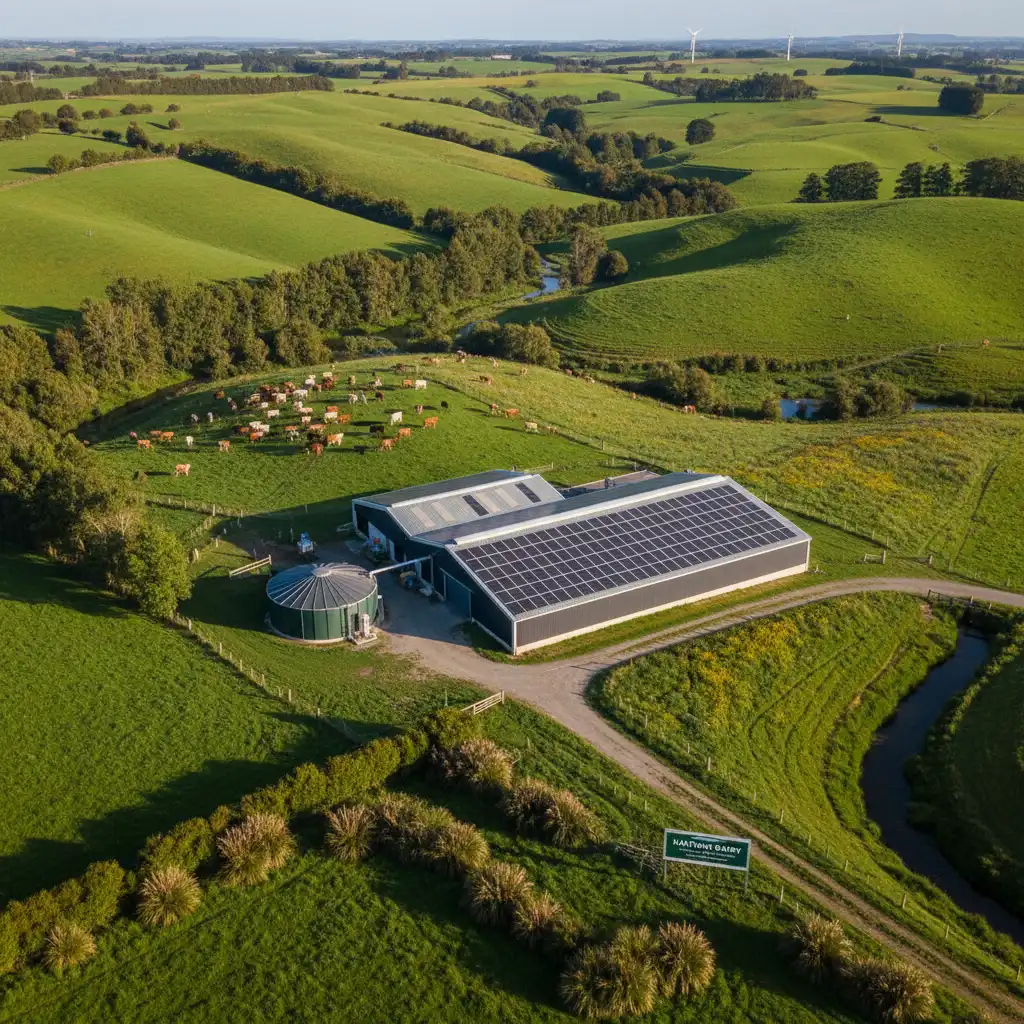
What are the best effluent management systems for NZ dairy farms?
Effective effluent management is critical for preventing nutrient runoff and maximizing the fertilizer value of organic waste. Modern sustainable dairy farming in NZ utilizes sophisticated Farm Dairy Effluent (FDE) systems designed to collect, store, and apply effluent back to the land in a controlled manner. The primary goal is to ensure that effluent is applied at a rate and depth that the soil can absorb, preventing leaching into groundwater or runoff into surface water. This requires significant investment in storage capacity, often in the form of lined ponds or tanks that can hold effluent during wet periods when the soil is saturated. By utilizing ‘Green to Gold’ principles, farmers treat effluent as a valuable nutrient resource rather than a waste product, reducing their reliance on synthetic fertilizers and lowering their overall carbon footprint.
Storage Capacity and Pond Design
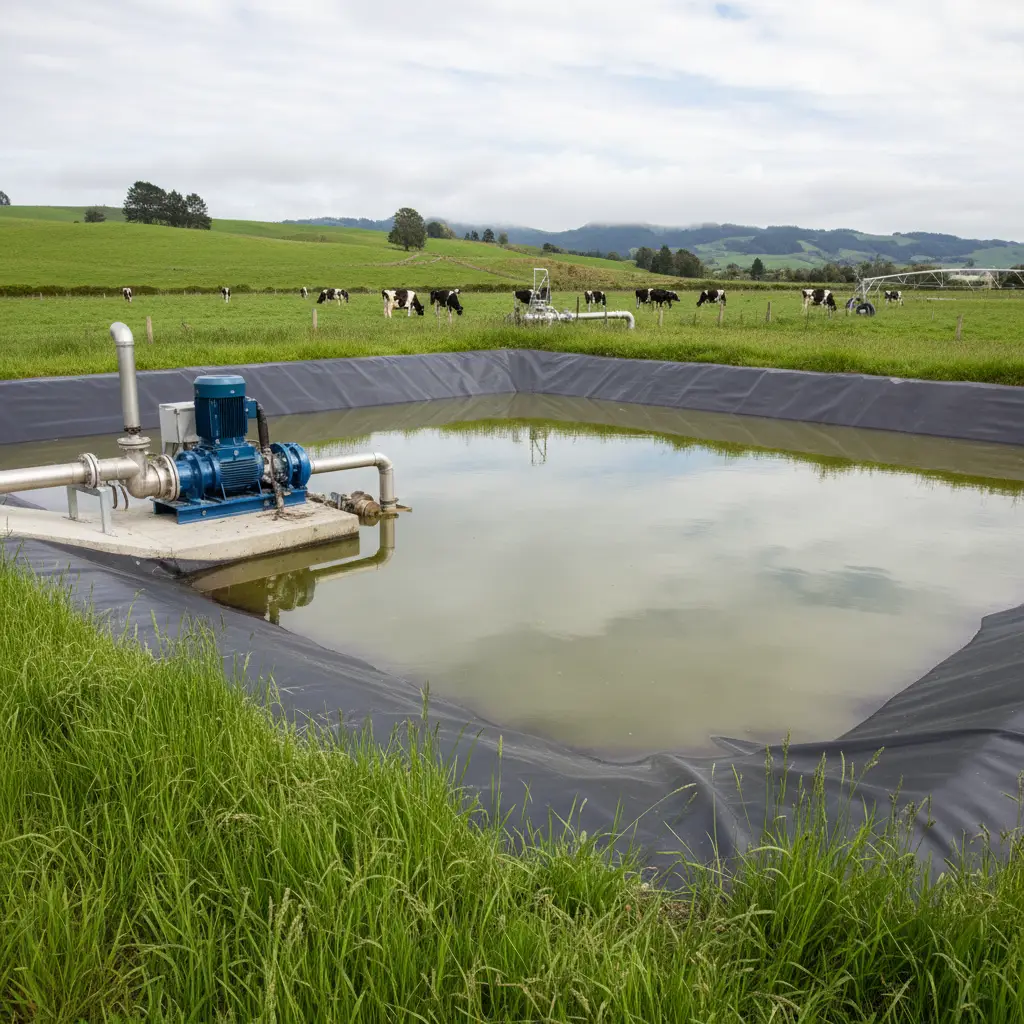
A central component of a modern effluent system is the storage pond. Under current regulations, ponds must be sized correctly to handle peak volumes and long periods of rainfall. High-density polyethylene (HDPE) liners are now standard to prevent seepage. Many farmers also incorporate solids separation systems, which remove the heavier organic matter before the liquid effluent enters the storage pond. This prevents sludge buildup and makes the liquid easier to pump through irrigation systems. Regular monitoring of pond levels and leak detection systems are essential components of a robust environmental management plan.
Precision Application and Soil Sensors
The application of effluent has moved away from ‘set and forget’ systems to precision irrigation. Using GPS-guided spreaders and smart irrigation pods allows for ultra-low application rates, ensuring nutrients stay in the root zone. Furthermore, the integration of soil moisture sensors and ‘fail-safe’ technology ensures that irrigation systems automatically shut off if a pipe bursts or if the soil reaches a specific moisture threshold. This level of precision is a hallmark of sustainable dairy farming in NZ, as it protects the soil structure and prevents the contamination of local waterways.
How do NZ farmers implement water quality protection?
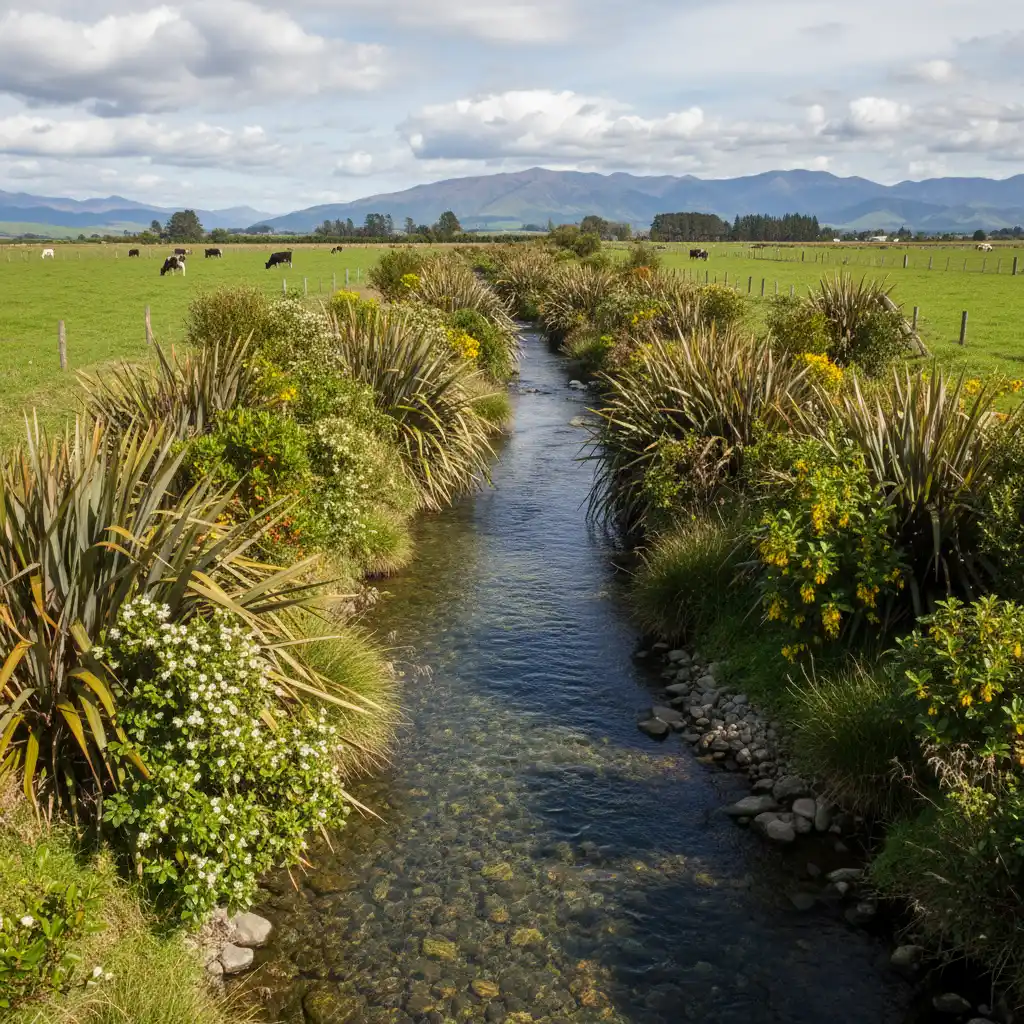
Water quality protection is a top priority under the National Policy Statement for Freshwater Management (NPS-FM). Sustainable dairy farming in NZ involves a multi-faceted approach to protecting rivers, streams, and lakes from nutrient leaching and sediment. The ‘Essential Freshwater’ package introduced strict rules around stock exclusion, requiring all dairy cattle to be fenced off from permanent waterways. This prevents direct contamination and protects the banks from erosion. Beyond fencing, the industry has embraced riparian planting—the establishment of native trees and shrubs along water margins. These buffers act as natural filters, trapping sediment and absorbing excess nitrogen and phosphorus before they reach the water.
Riparian Buffers and Biodiversity
Riparian zones do more than just filter nutrients; they are vital for local biodiversity. By planting native species such as Harakeke (flax), Toetoe, and Kānuka, farmers create corridors for native birds and insects. These plants also provide shade to the water, lowering temperatures and improving the habitat for native fish species like Inanga and eels. The combination of fencing and planting is one of the most visible signs of the commitment to sustainable dairy farming in NZ, reflecting a shift toward integrated catchment management where farmers work together to improve the health of entire river systems.
Managing Nitrogen Leaching and Synthetic Fertilizer Caps
Nitrogen management is perhaps the most challenging aspect of water quality protection. The NZ government has implemented a cap on the application of synthetic nitrogen fertilizer at 190kg per hectare per year. To stay within these limits while maintaining productivity, farmers are adopting ‘Nitrogen-Efficient’ strategies. This includes the use of OverseerFM, a software tool that models nutrient flows on the farm. By identifying ‘leaky’ areas of the farm, farmers can adjust their grazing patterns or reduce fertilizer inputs in high-risk zones. This data-driven approach is essential for meeting the stringent water quality standards set by regional councils.
What is low-emission pasture management?
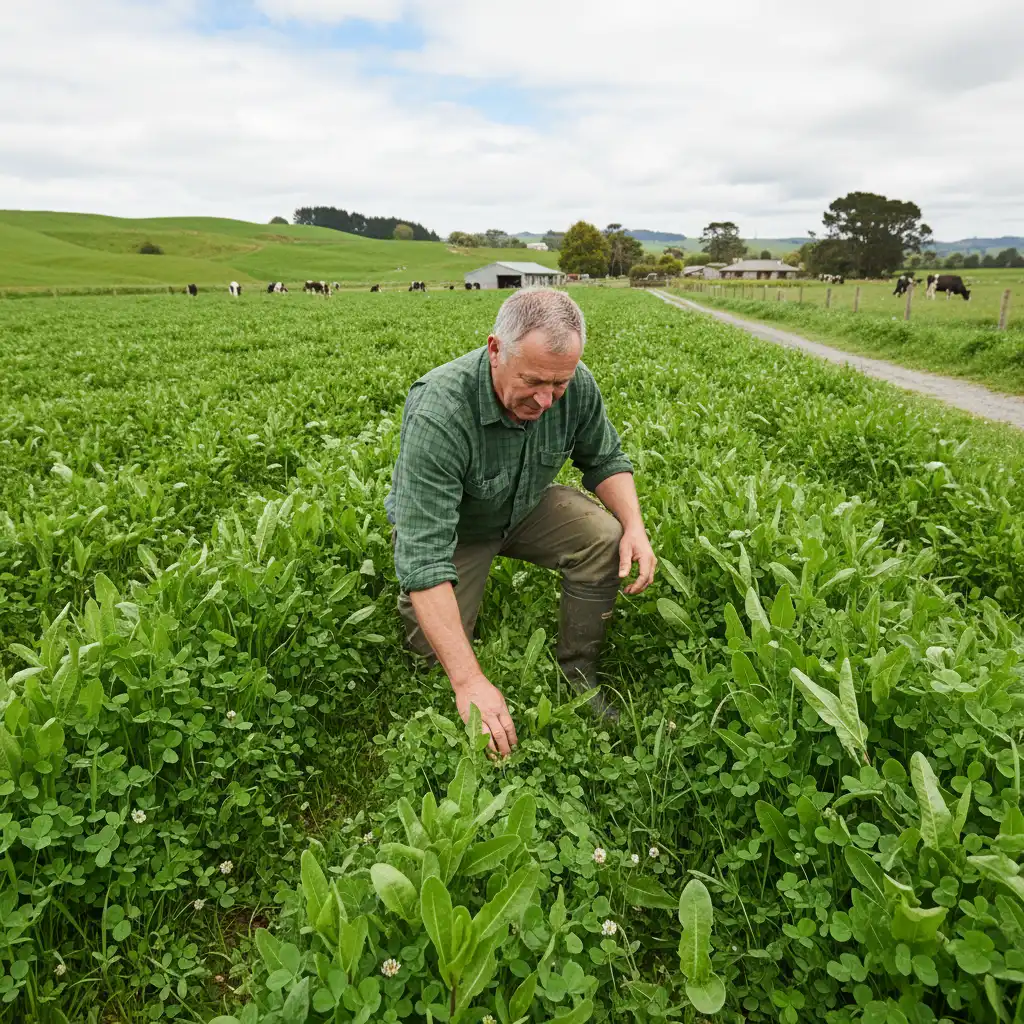
Pasture management is at the heart of reducing the carbon intensity of New Zealand milk. Since the majority of emissions on a dairy farm come from enteric fermentation (methane) and nitrous oxide from urine patches, altering what the cows eat is a primary lever for change. Low-emission pasture management involves the strategic use of diverse forage species and high-quality grasses that improve digestion and reduce waste. This area of sustainable dairy farming in NZ is currently seeing rapid innovation, with research focusing on everything from seaweed supplements to genetically modified ryegrass designed to produce less methane.
The Role of Plantain in Reducing Nitrate Leaching
Ecotain plantain is a specific variety of forage that has shown significant promise in reducing nitrogen leaching. When cows graze on plantain, it has a diuretic effect, increasing the volume of urine but reducing the concentration of nitrogen in each patch. Furthermore, plantain contains bioactive compounds that slow down the conversion of ammonium to nitrate in the soil. This ‘double-whammy’ effect makes plantain a key tool for farmers looking to improve their environmental footprint without sacrificing pasture growth. Integrating plantain into traditional ryegrass and clover pastures is becoming a standard practice in regions with sensitive groundwater systems.
Breeding for Low-Methane Cattle
Genetic selection is another long-term strategy for sustainable dairy farming in NZ. Research has identified that some cows naturally produce less methane than others for the same amount of feed intake. By selecting for these traits, the industry can permanently reduce the methane intensity of the national herd. Breeding programs are now incorporating ‘methane efficiency’ into their selection indexes alongside traditional traits like milk fat and protein production. This biological solution is particularly attractive because it requires no daily intervention from the farmer once the genetics are established in the herd.
The Economic Future of Sustainable Dairy in New Zealand
The transition to sustainable dairy farming in NZ is not just an environmental imperative; it is an economic one. Global consumers, particularly in high-value markets like Europe and North America, are increasingly demanding products with a low carbon footprint and high animal welfare standards. By leading the way in sustainability, New Zealand can command a premium for its dairy exports, offsetting the costs of implementing new technologies and meeting stricter regulations. The focus is shifting from ‘volume to value,’ where the success of a farm is measured not just by kilograms of milk solids produced, but by the efficiency and environmental integrity of the entire production system. As the Zero Carbon Act continues to shape policy, those who embrace sustainability will be the best positioned to thrive in a changing global market.
People Also Ask
How does the Zero Carbon Act affect NZ dairy farmers?
What are the best effluent management practices?
How do NZ farmers reduce methane emissions?
Why is water quality a priority for NZ dairy?
What is the 190kg nitrogen cap?
Can NZ dairy farming be carbon neutral?
About The Author
