How the NZ ETS Works
The New Zealand Emissions Trading Scheme (NZ ETS) functions as a cap-and-trade system designed to reduce greenhouse gas emissions. It sets a limit on total emissions, creating New Zealand Units (NZUs) that businesses must purchase or earn. For every tonne of carbon dioxide equivalent emitted, obligated participants must surrender one NZU to the government.
How does the NZ ETS cap-and-trade system work?
The New Zealand Emissions Trading Scheme (NZ ETS) is the cornerstone of New Zealand’s climate change policy. At its heart, it is a market-based mechanism designed to internalize the costs of greenhouse gas emissions. By putting a price on carbon, the scheme incentivizes businesses and individuals to reduce their emissions and invest in cleaner, more sustainable technologies. The ‘cap’ refers to the limit set by the government on the total amount of greenhouse gases that can be emitted by sectors covered by the scheme. This cap is reduced over time to ensure New Zealand meets its international climate commitments, such as those under the Paris Agreement and the domestic Zero Carbon Act.
The ‘trade’ aspect of the system allows participants to buy and sell emission units, known as New Zealand Units (NZUs). If a company can reduce its emissions more cheaply than the cost of buying units, it has a financial incentive to do so. Conversely, companies that find it difficult or expensive to reduce emissions can buy units from the market or from the government via auctions. This flexibility ensures that emissions are reduced where it is most cost-effective to do so, minimizing the overall economic impact of reaching climate targets. The Environmental Protection Authority (EPA) manages the registry where these transactions occur, ensuring transparency and accountability within the market.

What are NZUs (New Zealand Units)?
A New Zealand Unit (NZU) is the primary currency of the NZ ETS. One NZU represents one metric tonne of carbon dioxide equivalent (CO2-e). The value of these units fluctuates based on supply and demand within the market. Supply is controlled by the government through several channels: scheduled auctions, industrial allocations for trade-exposed businesses, and the issuance of units to forest owners who sequester carbon. Demand is driven by ‘obligated participants’—companies in sectors like energy, waste, and industry that are legally required to surrender units to cover their annual emissions.
The price of an NZU is a critical signal for the economy. When the price is high, the cost of emitting greenhouse gases increases, making green investments more attractive. To prevent extreme price volatility, the government uses tools such as the Cost Containment Reserve (CCR), which releases additional units if prices hit a certain ceiling, and an auction price floor, which prevents prices from dropping too low to be effective. Understanding these market dynamics is essential for any business operating within New Zealand, as the carbon price directly affects operational costs, especially in energy-intensive industries.
How do NZU auctions work?
Since 2021, the New Zealand government has held quarterly auctions to sell NZUs directly to the market. These auctions are a key part of the ‘cap’ because the number of units available at auction is predetermined by the government’s emissions budget. Participants bid for units, and a clearing price is established. If the total demand exceeds the supply at the clearing price, the units are distributed among the highest bidders. These auctions provide a transparent way for the market to discover the price of carbon and ensure that the government can manage the total volume of units in circulation effectively.
Which sectors are obligated under the NZ ETS?
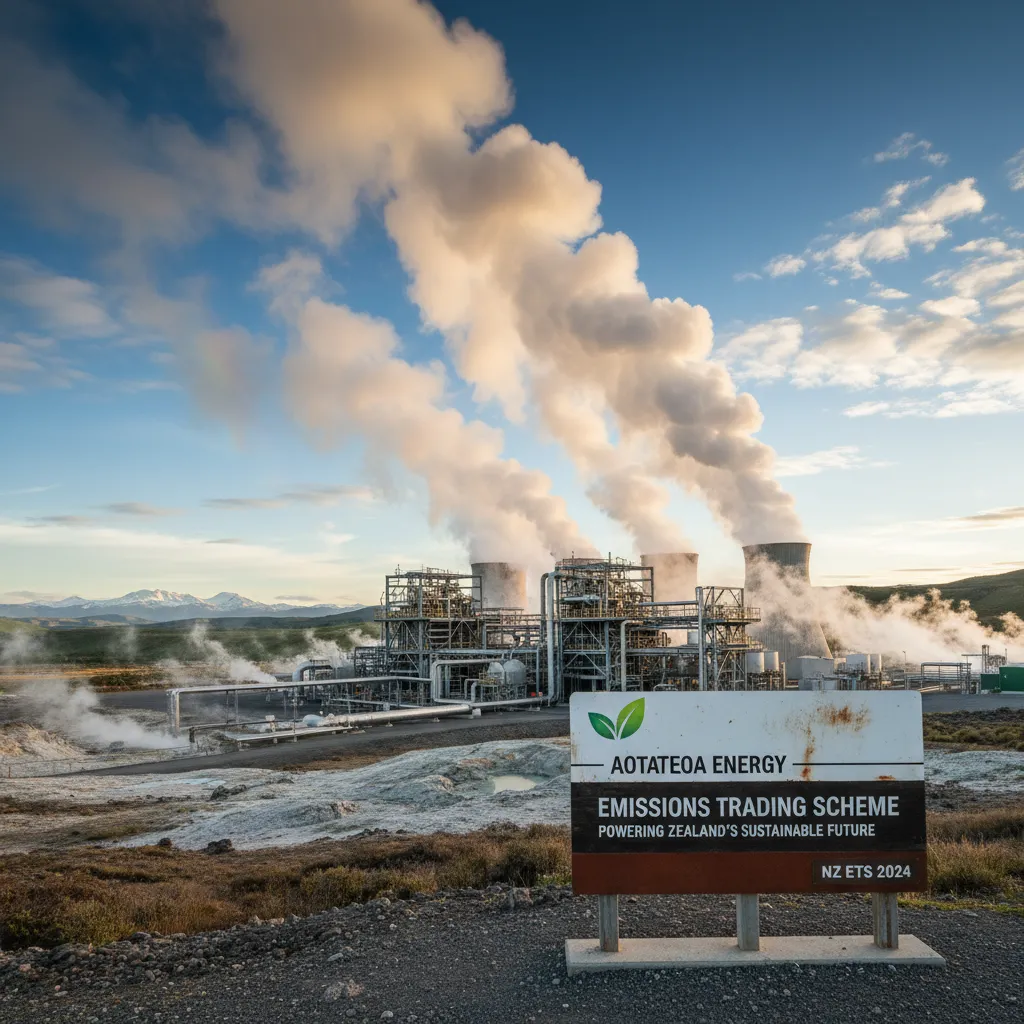
The NZ ETS covers a wide range of sectors, making it one of the most comprehensive schemes in the world. Obligated participants are entities that have a legal requirement to report their emissions and surrender NZUs. These sectors include stationary energy (such as electricity generation and industrial heating), liquid fossil fuels (petrol and diesel importers), industrial processes (such as steel and aluminum production), and waste management (landfill operators). Each sector has specific rules for how emissions are calculated and reported, often based on the volume of fuel sold or the amount of waste processed.
For example, in the liquid fossil fuels sector, the obligation usually sits at the ‘upstream’ level. This means that fuel importers like Z Energy or BP are the ones responsible for surrendering units for the emissions that will be produced when the fuel they sell is eventually burned by consumers. This cost is typically passed down to the consumer at the pump. In the industrial sector, some businesses receive ‘industrial allocation’—free units provided by the government to help them remain competitive against international firms that do not face a carbon price. This prevents ‘carbon leakage,’ where production simply moves to countries with lower environmental standards.
Is agriculture included in the NZ ETS?
Agriculture is a unique case in New Zealand’s climate policy. While it is responsible for roughly half of the country’s gross emissions—primarily methane from livestock and nitrous oxide from fertilizer—it is currently in a ‘reporting only’ phase. This means that while agricultural emissions are tracked, farmers are not yet required to pay a price for them or surrender NZUs. There has been significant political and industry debate regarding how to bring agriculture into a pricing mechanism, with various proposals like ‘He Waka Eke Noa’ (a farm-level pricing system) being discussed. As of now, the government continues to refine how agricultural emissions will be integrated into the broader climate strategy.
How does forestry earn units in the NZ ETS?
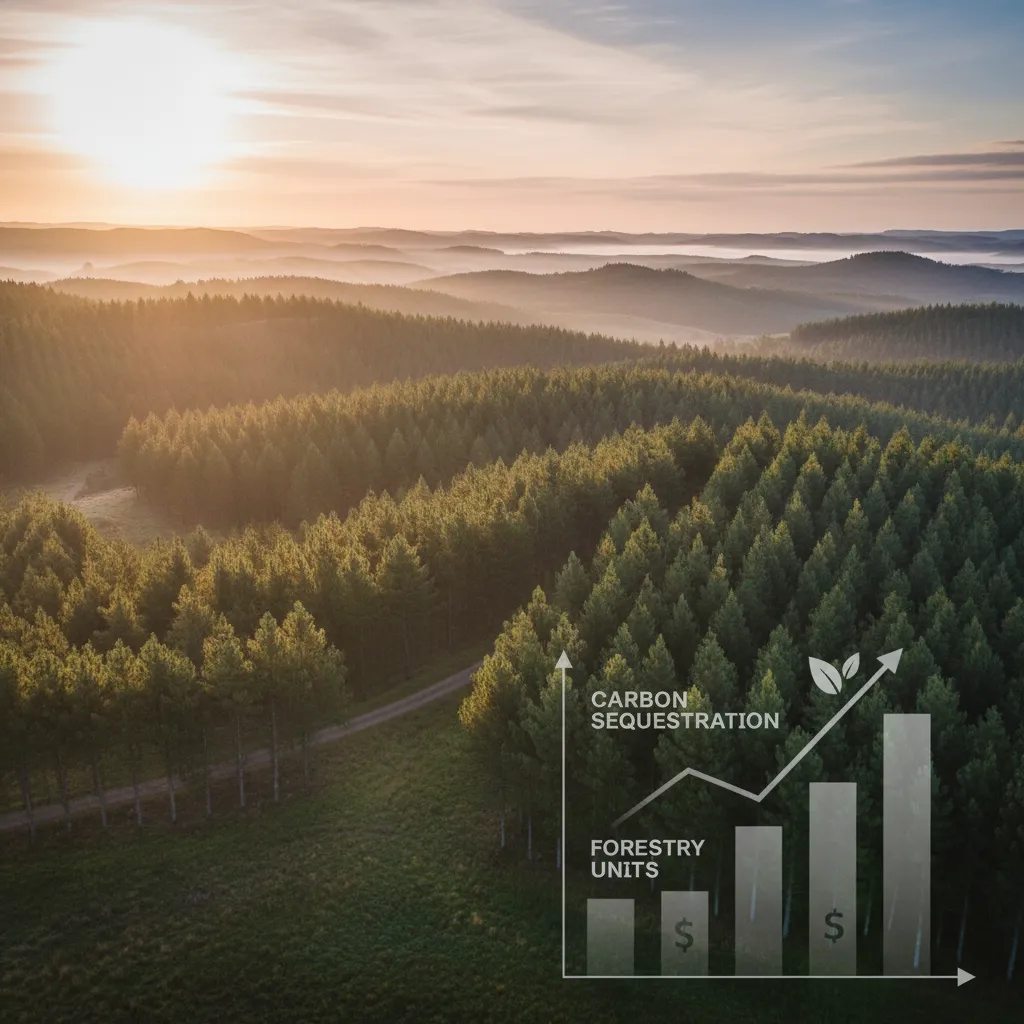
Forestry plays a dual role in the NZ ETS. Unlike other sectors that only have obligations to surrender units, forestry can also earn units. This is because growing trees absorb carbon dioxide from the atmosphere, a process known as sequestration. Owners of ‘post-1989’ forest land can voluntarily join the scheme and receive NZUs as their trees grow. These units can then be sold on the market to obligated participants, providing a significant revenue stream for landowners and incentivizing afforestation across New Zealand.
However, forestry participants also face liabilities. If the trees are harvested or the land is deforested, the owner must surrender units back to the government to account for the carbon released. There are different accounting methods, such as ‘averaging accounting,’ which simplifies the process for permanent or long-rotation forests by allowing owners to earn units up to a certain point without having to pay them back upon harvest, provided the land is replanted. This makes forestry a vital tool for New Zealand to offset emissions from other sectors that are harder to abate.
The Zero Carbon Act and the Future of the ETS
The effectiveness of the NZ ETS is heavily influenced by the Climate Change Response (Zero Carbon) Amendment Act 2019. This legislation set a long-term target for New Zealand to reach net-zero emissions of all greenhouse gases (except biogenic methane) by 2050. It also established the Climate Change Commission, an independent body that provides expert advice to the government on emissions budgets and ETS settings. The Commission’s role is to ensure that the ‘cap’ in the NZ ETS is aligned with the 2050 goal, recommending how many units should be auctioned and what the price controls should be.
Recent reforms have focused on strengthening the scheme to ensure it drives actual gross emission reductions rather than relying too heavily on forestry offsets. This includes tightening the supply of units and increasing the minimum price at auctions. As the world moves toward more stringent climate action, the NZ ETS will continue to evolve, likely seeing higher carbon prices and broader coverage. For businesses, this means that decarbonization is no longer just an environmental goal but a financial necessity for long-term viability in the New Zealand market.

People Also Ask
Is the NZ ETS effective at reducing emissions?
The NZ ETS is considered an effective tool for pricing carbon, but its impact on gross emissions depends on the ‘cap’ settings and the price of units. While it has successfully incentivized forestry, recent reforms aim to ensure it also drives significant reductions in industrial and energy emissions.
Do farmers pay for emissions in the NZ ETS?
Currently, farmers are required to report their emissions but do not pay a direct carbon price under the NZ ETS. The government is still determining the specific mechanism for pricing agricultural emissions, which may occur through the ETS or a separate system.
What is the current price of an NZU?
The price of a New Zealand Unit (NZU) fluctuates daily based on market trading. It is influenced by government auction results, policy announcements, and global carbon market trends. Current prices are typically tracked by carbon brokers and financial news outlets.
How do I join the NZ ETS as a forest owner?
Forest owners with eligible ‘post-1989’ land can apply to the Ministry for Primary Industries (MPI) to register their land in the NZ ETS. Once registered, they can earn NZUs based on the carbon sequestered by their trees, subject to regular reporting and mapping requirements.
What happens if a company doesn’t surrender units?
Companies that fail to meet their surrender obligations face significant financial penalties. These penalties are designed to be much higher than the cost of purchasing units, ensuring that compliance remains the most economical path for obligated participants.
Can individuals buy carbon units in NZ?
Yes, individuals can open an account in the New Zealand Emission Unit Register (NZETR) and purchase NZUs through carbon brokers. This is often done for investment purposes or by individuals looking to voluntarily offset their own carbon footprint.
About The Author
