Youth Climate Action NZ Resources
Youth climate action in New Zealand is a robust ecosystem of student-led advocacy, policy engagement, and educational initiatives designed to enforce the Zero Carbon Act. Resources range from grassroots movements like School Strike 4 Climate to formal Youth Advisory Groups and curriculum-aligned toolkits for sustainable development within Aotearoa.
New Zealand has positioned itself as a global leader in legislative frameworks for climate change, most notably through the Climate Change Response (Zero Carbon) Amendment Act 2019. However, the driving force behind the accountability and urgency of these policies often stems from the country’s youth. For educators, policymakers, and young activists, understanding the landscape of youth climate action NZ resources is critical for effective engagement and meaningful progress.
The Landscape of Youth Climate Advocacy in Aotearoa
The youth climate movement in New Zealand is distinct due to its integration with legislative processes and its emphasis on Te Tiriti o Waitangi. Unlike general environmentalism, the current wave of youth climate action is highly specific, targeting the mechanisms of the Zero Carbon Act and the Emissions Trading Scheme (ETS). Young people in New Zealand are not merely protesting; they are submitting on bills, challenging local councils on Long Term Plans (LTPs), and demanding intergenerational justice through legal frameworks.
This demographic, often referred to as “Generation Zero Carbon,” utilizes a mix of direct action and sophisticated policy analysis. The resources available to them have evolved from simple awareness campaigns to complex toolkits that help decipher parliamentary bills and scientific reports from the Intergovernmental Panel on Climate Change (IPCC).
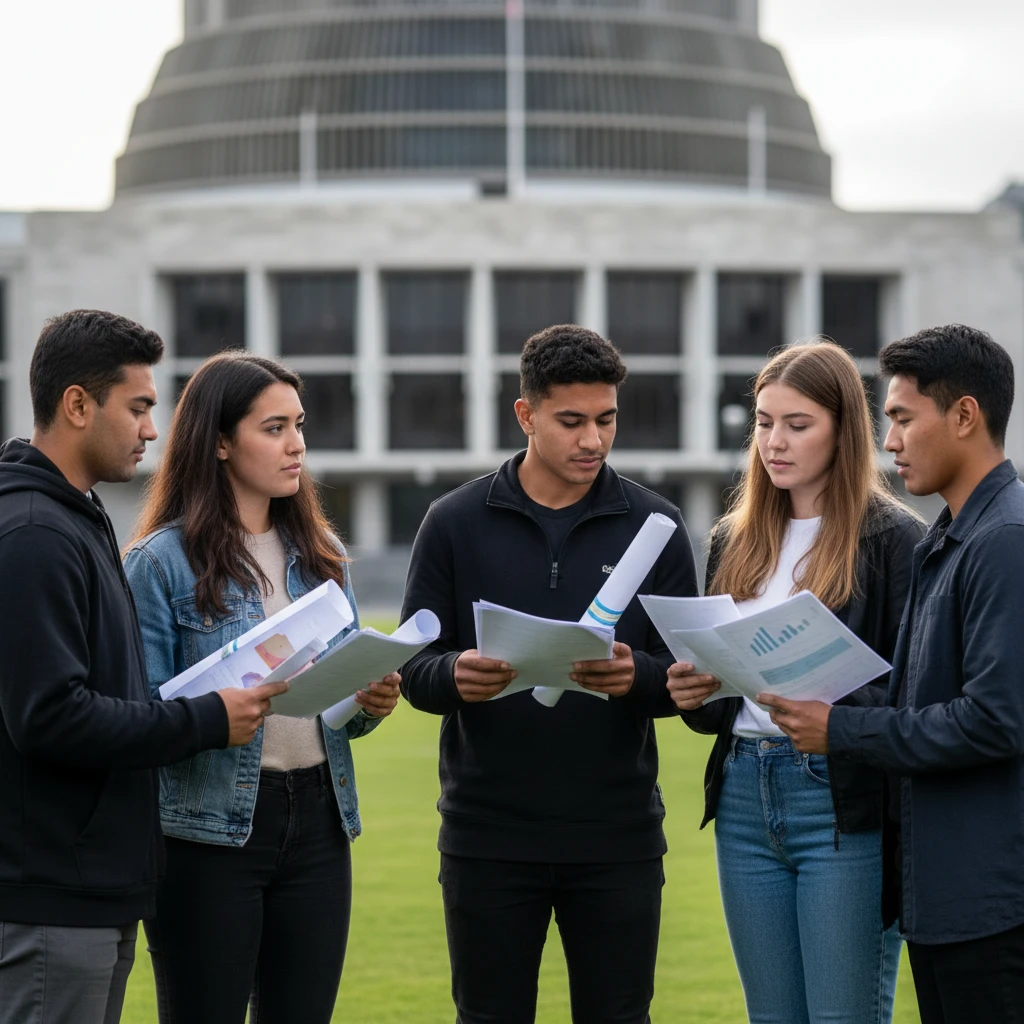
School Strike 4 Climate NZ: Mobilization and Demands
What is School Strike 4 Climate NZ?
School Strike 4 Climate NZ (SS4C NZ) is the local chapter of the global Fridays for Future movement initiated by Greta Thunberg. In Aotearoa, this decentralized network of students has organized some of the largest protests in the country’s history. Their primary function is to mobilize secondary and intermediate students to pressure the government into immediate action that aligns with limiting global warming to 1.5 degrees Celsius.
Key Demands and Strategic Resources
SS4C NZ provides more than just a platform for protest; they offer resources for organizing and advocacy. Their core demands historically include:
- Declare a Climate Emergency: A formal acknowledgement by Parliament (achieved in 2020) followed by tangible emergency actions.
- Halting Fossil Fuel Exploration: An immediate ban on new exploration permits and the phasing out of existing extraction.
- Just Transition: Ensuring that workers in high-emissions industries are retrained and supported as the economy shifts to renewables.
For students looking to get involved, SS4C offers digital organizers’ packs, legal guides regarding truancy for protests, and templates for engaging with local Members of Parliament (MPs). These resources are vital for maintaining the momentum of the movement between major strike dates.
Youth Advisory Groups and Policy Influence
Beyond the streets, significant work is being done in boardrooms. Various government bodies and NGOs have established Youth Advisory Groups (YAGs) to formalize the input of young people into climate policy.
Ministry for the Environment & Local Councils
The Ministry for the Environment often convenes youth panels to review policy drafts before they go to public consultation. Similarly, major councils such as Auckland Council, Wellington City Council, and Christchurch City Council have youth councils or climate-specific advisory boards. These groups provide a direct resource for youth to gain governance experience.
Participating in these groups allows young people to:
- Review the National Adaptation Plan.
- Submit feedback on the Emissions Reduction Plan.
- Influence local transport and urban planning decisions to favor low-carbon options.
Generation Zero
Generation Zero is arguably the most influential youth-led organization in New Zealand’s climate policy sphere. They were instrumental in drafting the blueprint for the Zero Carbon Act. Their resources are indispensable for anyone interested in the legislative side of climate action.
Key Resources from Generation Zero:
- Scorecards: They produce detailed scorecards rating local and central government candidates on their climate policies during elections.
- Submission Guides: When a new climate bill is introduced, Generation Zero publishes “submission guides” that break down complex legal jargon into plain English, enabling thousands of young people to make formal submissions to Select Committees.

Educational Toolkits for Students and Teachers
To support youth climate action nz, the education sector has developed rigorous toolkits that align with the New Zealand Curriculum. These resources ensure that action is grounded in scientific literacy and civic understanding.
Science Learning Hub – Pokapū Akoranga Pūtaiao
The Science Learning Hub provides extensive multimedia resources funded by the New Zealand government. Their climate change suite covers the science of the greenhouse effect, evidence of warming in NZ, and the role of the ocean in the carbon cycle.
Features for Student Action:
- Case Studies: Real-world examples of NZ scientists monitoring atmospheric data at Baring Head.
- Inquiry Models: Frameworks that guide students from understanding the science to planning a community action project, such as a school-wide energy audit or a planting initiative.
Ministry of Education: Climate Change Wellbeing Guide
Recognizing the rise of “eco-anxiety” among youth, the Ministry of Education has released resources focused on wellbeing. These guides help teachers and student leaders navigate the emotional weight of the climate crisis while remaining action-oriented. The focus is on “empowerment through action” rather than fear.
Enviroschools
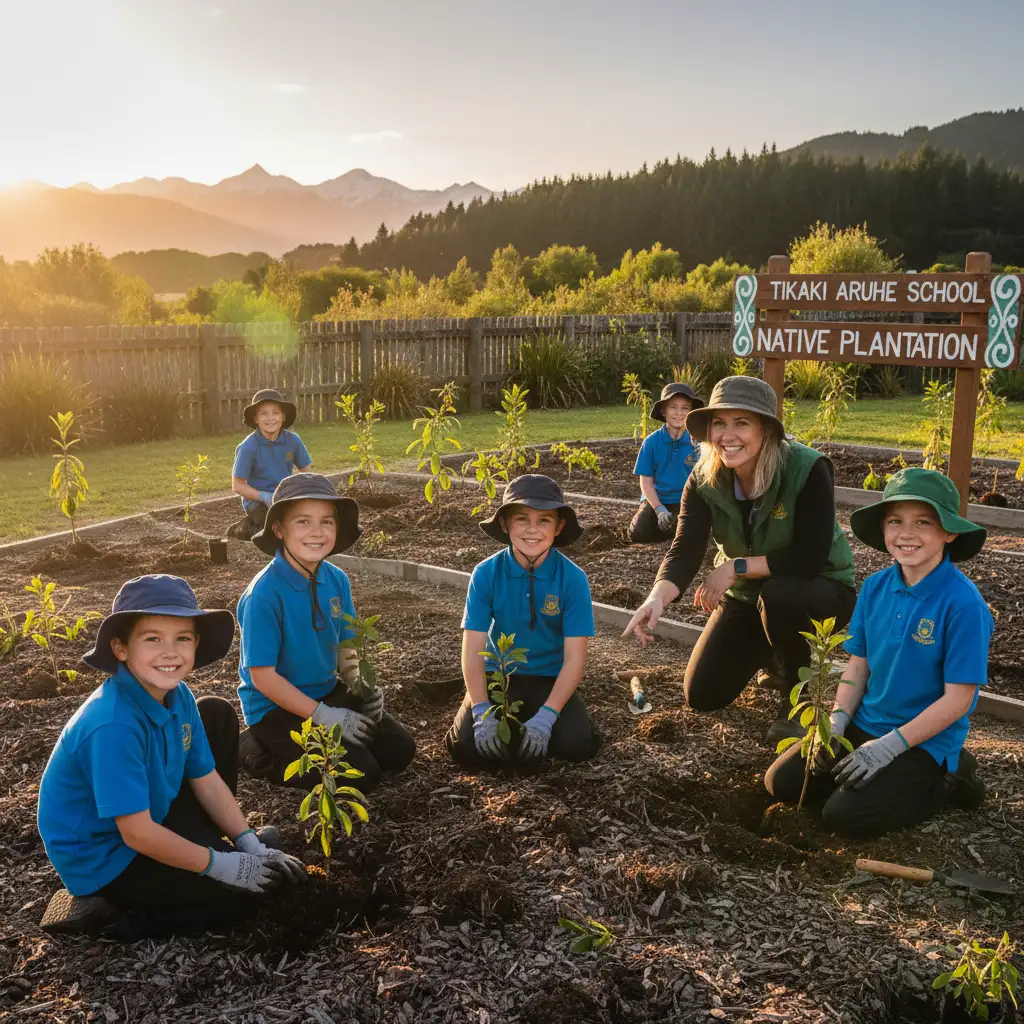
Enviroschools is a nationwide programme where schools commit to a long-term sustainability journey. It is a foundational resource for younger students (primary and intermediate). The programme provides facilitators who help schools integrate Māori perspectives and sustainable practices into the school’s daily operations, effectively turning the school itself into a climate action resource.
Te Ao Māori and Pasifika Youth Leadership
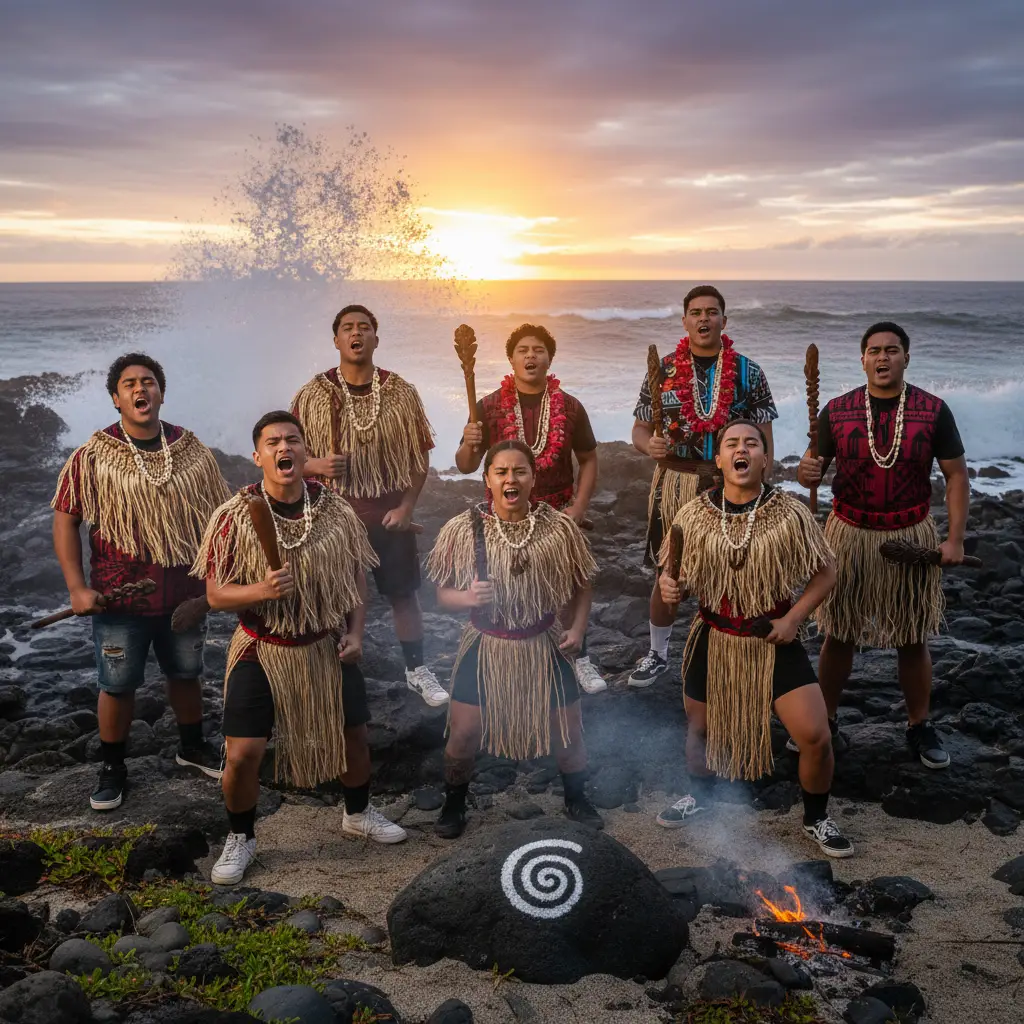
In Aotearoa, climate action is inextricably linked to indigenous rights. Māori and Pasifika youth are disproportionately affected by climate change but are also leading the charge with solutions based on indigenous knowledge systems.
Te Ara Whatu
Te Ara Whatu is a rangatahi (youth) Māori-led organization fighting for climate justice and indigenous sovereignty. They provide resources that view climate change through the lens of colonization and land rights. Their delegations frequently attend UN climate talks (COP), bringing a distinct indigenous youth voice to the global stage.
Resource Highlight: They offer workshops and wānanga (learning forums) that teach young people how to advocate for the environment using tikanga Māori values, emphasizing kaitiakitanga (guardianship).
350 Pacific Climate Warriors
While 350.org is global, the Pacific Climate Warriors are a specific network active in NZ, comprised of Pacific youth. Their mantra, “We are not drowning, we are fighting,” counters the narrative of victimhood. They provide resources on storytelling as a form of advocacy, helping Pasifika youth in NZ articulate the threat climate change poses to their ancestral homelands.
How to Engage with NZ Climate Policy
For youth wanting to transition from passive learning to active engagement, the pathway is clear. The Zero Carbon Act requires the government to set emissions budgets every five years. This cyclical process creates recurring opportunities for intervention.
Step-by-Step Engagement Strategy
- Identify the Consultation Window: Monitor the Ministry for the Environment website or sign up for newsletters from Generation Zero to know when the government is asking for feedback on an Emissions Reduction Plan.
- Use a Submission Guide: Do not attempt to read the full legislation alone if you are a beginner. Use the simplified guides provided by youth organizations to understand the key points of contention.
- Make a Personal Submission: Unique submissions carry more weight than form letters. Use the templates but add your personal story—why does this matter to your future in NZ?
- Request to Speak: When submitting to a Select Committee, tick the box to speak to your submission. This allows you to present your case directly to MPs via Zoom or in person.
By utilizing these resources, the youth of New Zealand are ensuring that the Zero Carbon Act is not just a piece of paper, but a living framework for a sustainable future.
Frequently Asked Questions
What is the main goal of youth climate action in NZ?
The primary goal is to ensure the New Zealand government adheres to the 1.5°C warming limit set by the Paris Agreement and enforces the domestic Zero Carbon Act to achieve net-zero emissions by 2050.
How can students join School Strike 4 Climate NZ?
Students can join by following the official SS4C NZ social media channels for updates on upcoming strikes, or by signing up as a local organizer through their website to lead events in their specific town or city.
Are there resources for teachers to teach climate change in NZ?
Yes, the Ministry of Education, Science Learning Hub, and Enviroschools provide extensive, curriculum-aligned resources, lesson plans, and inquiry models designed specifically for New Zealand classrooms.
What is the role of Generation Zero?
Generation Zero is a youth-led organization that focuses on policy solutions. They were key architects of the Zero Carbon Act and continue to campaign for low-carbon transport and urban planning.
How does the Zero Carbon Act affect NZ youth?
The Act sets legally binding emissions targets for 2050, directly impacting the economy, job market, and environment that today’s youth will inherit. It provides the legal framework for intergenerational equity.
Can youth under 18 submit to Parliament on climate bills?
Yes, there is no age limit for making a submission to a Select Committee. Parliament actively encourages submissions from young people to hear diverse perspectives on legislation.
About The Author
