NZ 2050 Climate Targets Explained
The NZ 2050 climate targets are legally binding goals established under the Climate Change Response (Zero Carbon) Amendment Act 2019. They mandate reaching net-zero greenhouse gas emissions (excluding biogenic methane) by 2050, while reducing biogenic methane emissions by 24% to 47% below 2017 levels within the same timeframe to combat global warming.
What is the NZ Zero Carbon Act?
The Climate Change Response (Zero Carbon) Amendment Act 2019 serves as the cornerstone of New Zealand’s environmental policy. It provides a framework by which New Zealand can develop and implement clear and stable climate change policies that contribute to the global effort under the Paris Agreement to limit the global average temperature increase to 1.5 degrees Celsius above pre-industrial levels.
Unlike previous environmental regulations, the Zero Carbon Act is designed to endure across political cycles. It establishes a long-term goal that gives businesses, households, and local governments the certainty they need to invest in a low-emissions future. The Act does not just set a 2050 target; it creates a mechanism for transparency and accountability through the establishment of an independent Climate Change Commission and the requirement for the government to set five-year emissions budgets.
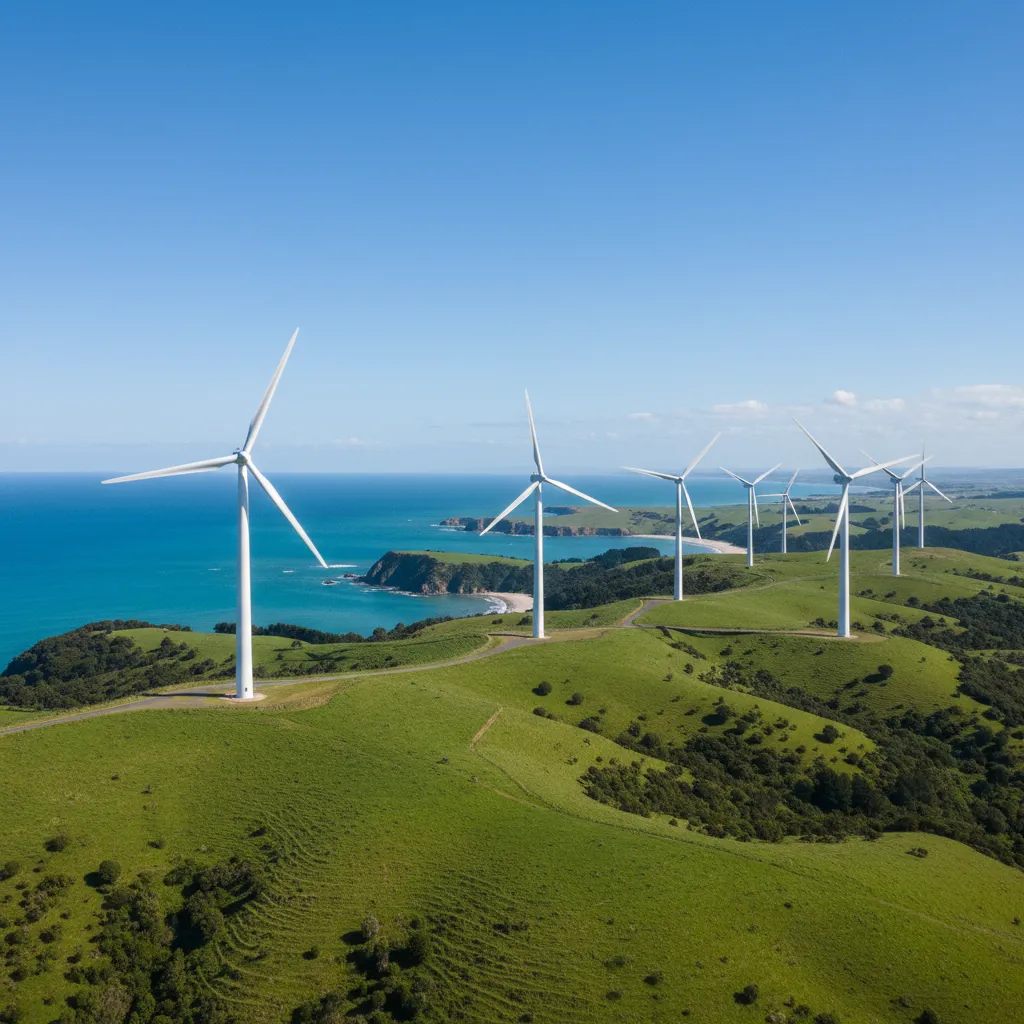
Net Zero Carbon vs. Biogenic Methane: The Split-Gas Approach
One of the most distinctive features of the NZ 2050 climate targets is the “split-gas” approach. This strategy recognizes that different greenhouse gases have different atmospheric lifespans and warming potentials. The primary distinction is made between long-lived gases, such as carbon dioxide (CO2) and nitrous oxide, and short-lived gases, specifically biogenic methane.
The Net Zero Target for Long-Lived Gases
For all greenhouse gases except biogenic methane, the target is net zero by 2050. This means that any remaining emissions of CO2 or nitrous oxide by the middle of the century must be offset by carbon removals, such as through large-scale afforestation or technological carbon capture. This target aligns New Zealand with many other developed nations aiming for carbon neutrality.
The Biogenic Methane Target
Biogenic methane, which is produced primarily by livestock (ruminant animals like cows and sheep) and waste, is treated differently because it is a short-lived gas. While it is a potent warmer in the short term, it decays in the atmosphere much faster than CO2. The Act sets a specific target for biogenic methane: a 10% reduction by 2030 and a 24% to 47% reduction by 2050, compared to 2017 levels. This target has been a point of significant debate between environmental advocates and the agricultural sector, reflecting the unique structure of the New Zealand economy where agriculture accounts for nearly half of total emissions.
Interim Carbon Budgets: The Path to 2050
To ensure New Zealand stays on track to meet the 2050 goal, the government sets interim emissions budgets. These budgets act as stepping stones, limiting the total amount of greenhouse gases that can be emitted over a five-year period. These are not just suggestions; they are legislative requirements that the government must meet.
First Three Emissions Budgets
The first three emissions budgets cover the period from 2022 to 2035. These were developed based on advice from the Climate Change Commission and adopted by the government in 2022:
- Budget 1 (2022–2025): 290 megatonnes of CO2 equivalent (MtCO2e).
- Budget 2 (2026–2030): 305 MtCO2e (averaging 61 MtCO2e per year).
- Budget 3 (2031–2035): 240 MtCO2e (averaging 48 MtCO2e per year).
The progression of these budgets shows a steepening curve of required reductions. The first budget was designed to be achievable with existing technologies and policies, while the subsequent budgets require more transformative shifts in how New Zealanders move, produce food, and generate energy.

Sector-Specific Goals: Decarbonizing Transport
The transport sector is responsible for approximately 20% of New Zealand’s gross emissions and is one of the fastest-growing sources of CO2. Achieving the NZ 2050 climate targets requires a massive overhaul of the national fleet and infrastructure.
Electrification and Public Transit
The government’s Emissions Reduction Plan (ERP) outlines several key objectives for transport. This includes increasing the share of electric vehicles (EVs) in the national fleet significantly by 2035. Furthermore, there is a focus on reducing the total “vehicle kilometres travelled” (VKT) by light vehicles by 20% by 2035 through better urban design and improved public transport systems in major cities like Auckland, Wellington, and Christchurch.
Freight and Aviation
Decarbonizing heavy freight and aviation remains a significant challenge. Strategies include shifting more freight from road to rail and coastal shipping, as well as investing in sustainable aviation fuels and exploring hydrogen technology for heavy trucking. The goal is to reduce transport emissions by 41% by 2035 relative to 2019 levels.
Sector-Specific Goals: The Challenge of Agriculture
Agriculture is the backbone of the New Zealand economy, but it also presents the largest hurdle for the NZ 2050 climate targets. Because biogenic methane from livestock is the primary emission, the focus is on innovation and pricing.
Pricing Agricultural Emissions
New Zealand made global headlines by proposing a world-first scheme to price agricultural emissions at the farm level. While the implementation details and timelines have shifted with changing governments, the core objective remains: to provide a financial incentive for farmers to reduce methane and nitrous oxide emissions. Revenue from such pricing is intended to be reinvested back into the sector for research and development.
Technological Innovation
Meeting the 24-47% methane reduction target will likely require technologies that are not yet commercially available at scale. These include methane inhibitors (vaccines or feed boluses that reduce the gas produced by cows), breeding low-emissions livestock, and improving pasture management. The New Zealand Agricultural Greenhouse Gas Research Centre (NZAGRC) is at the forefront of this scientific effort.

Sector-Specific Goals: Energy and Industry
New Zealand already has a high proportion of renewable electricity (typically over 80%), primarily from hydro, geothermal, and wind. However, the goal is to reach 50% of total energy consumption (not just electricity) from renewable sources by 2035.
Phasing Out Fossil Fuels
This transition involves phasing out coal and gas-fired power plants and replacing industrial heat processes that rely on coal with electric or biomass alternatives. The Government Investment in Decarbonising Industry (GIDI) fund has been a key tool in helping major industrial players transition away from fossil fuels.
The Role of the Emissions Trading Scheme (ETS)
The NZ ETS is the primary tool for driving emissions reductions in the energy and industrial sectors. By putting a price on carbon, it encourages businesses to reduce their emissions or invest in forestry to offset them. The government periodically adjusts the supply of units (NZUs) in the ETS to ensure the price signal is strong enough to meet the carbon budgets.
The Role of the Climate Change Commission
The Climate Change Commission (He Pou a Rangi) is an independent crown entity that provides expert, evidence-based advice to the government. Its role is critical for the long-term success of the NZ 2050 climate targets.
The Commission’s duties include advising on the levels of emissions budgets, monitoring the government’s progress toward meeting those budgets, and providing advice on the direction of the Emissions Reduction Plan. By having an independent body, the system ensures that climate policy is guided by science rather than short-term political expediency. If the government chooses to deviate from the Commission’s advice, it must provide a public justification, ensuring a high level of transparency.

Implementation Challenges and Economic Impact
While the legislative framework is robust, the path to 2050 is fraught with challenges. The “Just Transition” concept is central to the discussion—ensuring that the move to a low-emissions economy does not disproportionately affect certain regions or socio-economic groups. For example, the closure of coal mines or gas fields affects local communities that have relied on those industries for generations.
Cost of Living and Economic Competitiveness
There are ongoing concerns about the impact of climate policies on the cost of living, particularly regarding fuel and electricity prices. Additionally, New Zealand’s export-led economy must remain competitive. If New Zealand farmers face costs that their international competitors do not, there is a risk of “carbon leakage,” where production moves to countries with less stringent environmental regulations, resulting in no net global benefit.
The Role of Forestry
Forestry plays a massive role in New Zealand’s strategy, acting as a carbon sink. However, there is a delicate balance to strike. Over-reliance on planting exotic forests (like Pinus radiata) for carbon credits can lead to the displacement of productive farmland and potential biodiversity issues. The government is increasingly looking at how to encourage more native afforestation, which provides longer-term carbon storage and better ecological outcomes.
Conclusion: A Decisive Decade
The NZ 2050 climate targets represent one of the most significant shifts in New Zealand’s policy history. By enshrining these goals in law and creating a structured system of budgets and independent oversight, New Zealand has positioned itself as a leader in climate action. However, the 2020s and 2030s will be the decisive decades. Success will depend on the rapid deployment of new technologies, significant behavioral changes among the population, and a sustained political commitment to a greener future.
What is the Zero Carbon Act NZ?
The Zero Carbon Act, formally known as the Climate Change Response (Zero Carbon) Amendment Act 2019, is the legislation that sets New Zealand’s 2050 emissions targets and creates the framework for carbon budgets and the Climate Change Commission.
Is NZ on track for 2050?
While New Zealand has established the necessary legal framework and first emissions budgets, current projections suggest that more intensive policy implementation is required, particularly in the transport and agricultural sectors, to meet the long-term 2050 goals.
What is biogenic methane?
Biogenic methane is methane produced by biological processes, primarily from the digestive systems of livestock (enteric fermentation) and the decomposition of organic waste in landfills. It is treated separately in NZ law due to its short-lived nature in the atmosphere.
How does the ETS work with 2050 targets?
The Emissions Trading Scheme (ETS) is a market-based tool that puts a price on greenhouse gas emissions. It helps meet 2050 targets by making it more expensive to emit carbon, thereby incentivizing businesses to adopt cleaner technologies or invest in carbon-sequestering forestry.
What are the carbon budgets?
Carbon budgets are five-year caps on the total amount of greenhouse gases New Zealand can emit. They serve as interim milestones to ensure the country is making steady progress toward the 2050 net-zero goal.
Why is agriculture treated differently?
Agriculture is treated differently because it produces biogenic methane, a short-lived gas, and because it is a vital part of the NZ economy. The “split-gas” approach acknowledges that methane doesn’t need to reach net zero to stop contributing to additional warming, unlike CO2.
About The Author
