Wellington Policy Updates
Wellington climate policy updates encompass the latest legislative shifts and strategic adjustments to New Zealand’s environmental frameworks. These updates focus on refining the Zero Carbon Act, adjusting the Emissions Trading Scheme (ETS), and implementing sector-specific work programmes to ensure the nation meets its 2050 net-zero targets while maintaining economic resilience and international compliance.
What are the Recent Legislative Amendments in New Zealand Climate Policy?
The landscape of Wellington climate policy updates is currently dominated by the evolution of the Climate Change Response (Zero Carbon) Amendment Act. This foundational piece of legislation sets the framework for New Zealand’s transition to a low-emissions future. Recent amendments have focused on tightening the accountability of government agencies and refining the pathways for the five-yearly carbon budgets. The primary goal remains consistent: reducing all greenhouse gases (except biogenic methane) to net zero by 2050, and reducing biogenic methane to 24-47% below 2017 levels by the same deadline.
One of the most significant shifts involves the integration of climate considerations into the broader legislative environment. While the Resource Management Act (RMA) is undergoing substantial reform, the climate policy updates coming out of Wellington emphasize the need for “fast-track” consenting for renewable energy projects. This shift is designed to remove the bureaucratic hurdles that have historically delayed the deployment of wind farms, solar arrays, and geothermal plants. By streamlining these processes, the government aims to ensure that the electricity grid is 100% renewable by 2030, a cornerstone of the broader climate strategy.
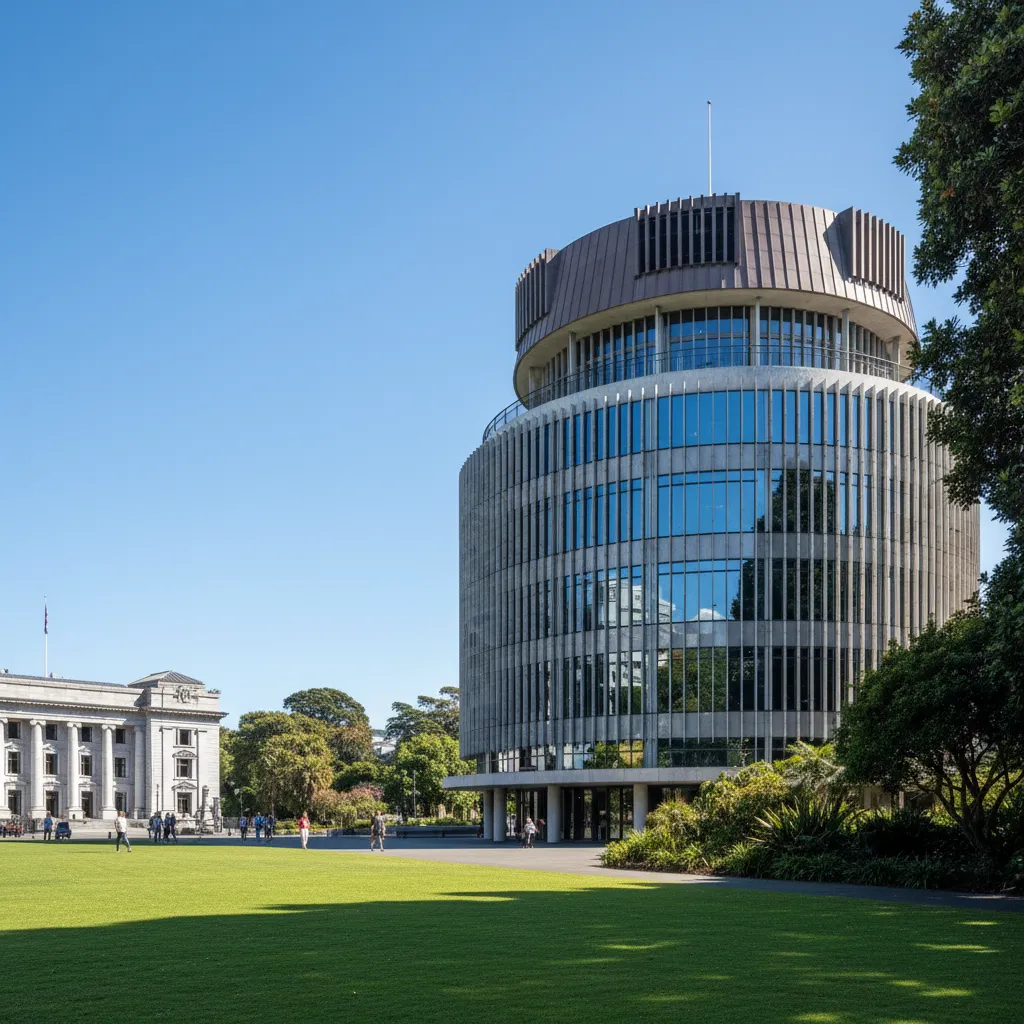
Furthermore, the legislative agenda has seen a renewed focus on the role of the Climate Change Commission. Recent updates have empowered the Commission to provide more granular advice on sector-specific targets. This includes detailed recommendations for the agricultural sector, which remains the most challenging area for New Zealand’s climate goals. The dialogue between Wellington policymakers and industry leaders is increasingly focused on how to price agricultural emissions without compromising the economic viability of the farming sector, a delicate balance that defines the current legislative era.
Understanding the Zero Carbon Act Refinements
The Zero Carbon Act is not a static document; it is a living framework that adapts to new scientific data and international pressure. Recent refinements have introduced more rigorous reporting requirements for local authorities. In the Wellington region, this means that the Greater Wellington Regional Council and the Wellington City Council must align their long-term plans with national emissions reduction targets. These updates ensure that local infrastructure spending—on everything from transport to waste management—is viewed through a climate lens.
Which Government Climate Work Programmes Are Currently Active?
The Government Climate Work Programmes are the operational arms of Wellington’s policy updates. These programmes translate high-level targets into tangible actions across various sectors of the economy. Currently, the most prominent work programme is the Emissions Reduction Plan (ERP). The second ERP, which covers the 2026-2030 period, is currently under intense development. It focuses on several key pillars: decarbonizing the energy system, improving the efficiency of the building stock, and transforming the national transport fleet.
In the transport sector, the focus has shifted toward public transport electrification and the expansion of EV charging infrastructure. While some previous incentives like the Clean Car Discount have been modified or repealed, the underlying work programme continues to prioritize the reduction of transport-related emissions, which account for a significant portion of New Zealand’s carbon footprint. In Wellington, this is visible through the continued rollout of electric buses and the modernization of the rail network, funded in part by national climate allocations.

Another critical work programme involves the decarbonization of industry. The Government Investment in Decarbonising Industry (GIDI) fund has been a primary vehicle for this, helping large-scale emitters transition away from coal and gas toward electricity and biomass. While the funding models for such initiatives are subject to change under different administrations, the technical work programmes supporting industrial efficiency remain a core component of Wellington’s strategy to meet international obligations under the Paris Agreement.
The Challenge of Agricultural Emissions Programmes
Agriculture is the cornerstone of the New Zealand economy, but it is also the source of nearly half of the country’s greenhouse gas emissions. The work programme known as He Waka Eke Noa was designed as a partnership between the government and the primary sector to develop a pricing mechanism for farm-level emissions. However, recent policy updates from Wellington suggest a shift toward a more technology-led approach. This involves investing heavily in methane inhibitors, low-emissions breeding, and improved fertilizer management rather than a pure taxation model, reflecting the political complexities of the sector.
What Are the Key Policy Briefings for 2024?
The policy briefings for 2024 represent a pivotal moment in New Zealand’s climate journey. As a new coalition government settles in, the briefings from the Ministry for the Environment and the Treasury highlight a “back to basics” approach that emphasizes cost-effectiveness and market-led solutions. A central theme in the 2024 briefings is the “Fast-track Approvals Bill,” which seeks to accelerate the delivery of infrastructure projects that have significant regional or national benefits, including those required for climate resilience and renewable energy.
Another major briefing focus for 2024 is the review of the Emissions Trading Scheme (ETS). There is a concerted effort to ensure that the ETS remains a credible tool for driving emissions reductions. This includes addressing the over-supply of units in the market and ensuring that the price of carbon provides a sufficient signal for businesses to invest in green technologies. The 2024 briefings also touch upon the “International Climate Finance” commitments, detailing how New Zealand will support Pacific Island nations in their fight against sea-level rise and extreme weather events.

Furthermore, the 2024 policy updates include a renewed emphasis on “Nature-Based Solutions.” This involves using indigenous forests and wetlands to sequester carbon and provide natural buffers against climate impacts. Briefings suggest that future policy will move away from exotic monoculture forestry (like Pinus radiata) toward more permanent, biodiverse carbon sinks. This shift is intended to provide long-term environmental benefits while avoiding the land-use conflicts associated with large-scale pine plantations on productive farmland.
How Does the Emissions Trading Scheme (ETS) Drive Change?
The New Zealand Emissions Trading Scheme (NZ ETS) is the government’s primary market-based tool for meeting climate targets. In recent Wellington climate policy updates, the ETS has undergone significant adjustments to its settings, including the price floor and the volume of units auctioned. By putting a price on carbon, the ETS encourages businesses to find ways to reduce their emissions. If it is cheaper to reduce emissions than to buy units, businesses will logically choose to innovate.
However, the effectiveness of the ETS depends on the stability of the policy environment. Recent updates have sought to provide more certainty to the market after a period of price volatility. For the Wellington region, the ETS impacts everything from the cost of fuel to the viability of local manufacturing. Policy updates are now looking at how to better integrate the ETS with other regulatory tools to ensure that the carbon price doesn’t just result in “carbon leakage” (where businesses move offshore) but actually drives domestic transformation.
How Is Wellington Addressing Climate Adaptation?
While much of the focus is on mitigation (reducing emissions), Wellington climate policy updates are increasingly prioritizing adaptation. The National Adaptation Plan (NAP) outlines how New Zealand will respond to the unavoidable impacts of climate change, such as more frequent flooding, droughts, and sea-level rise. For a coastal city like Wellington, adaptation is not a theoretical exercise; it is a matter of protecting critical infrastructure, including the airport, the port, and coastal roads.
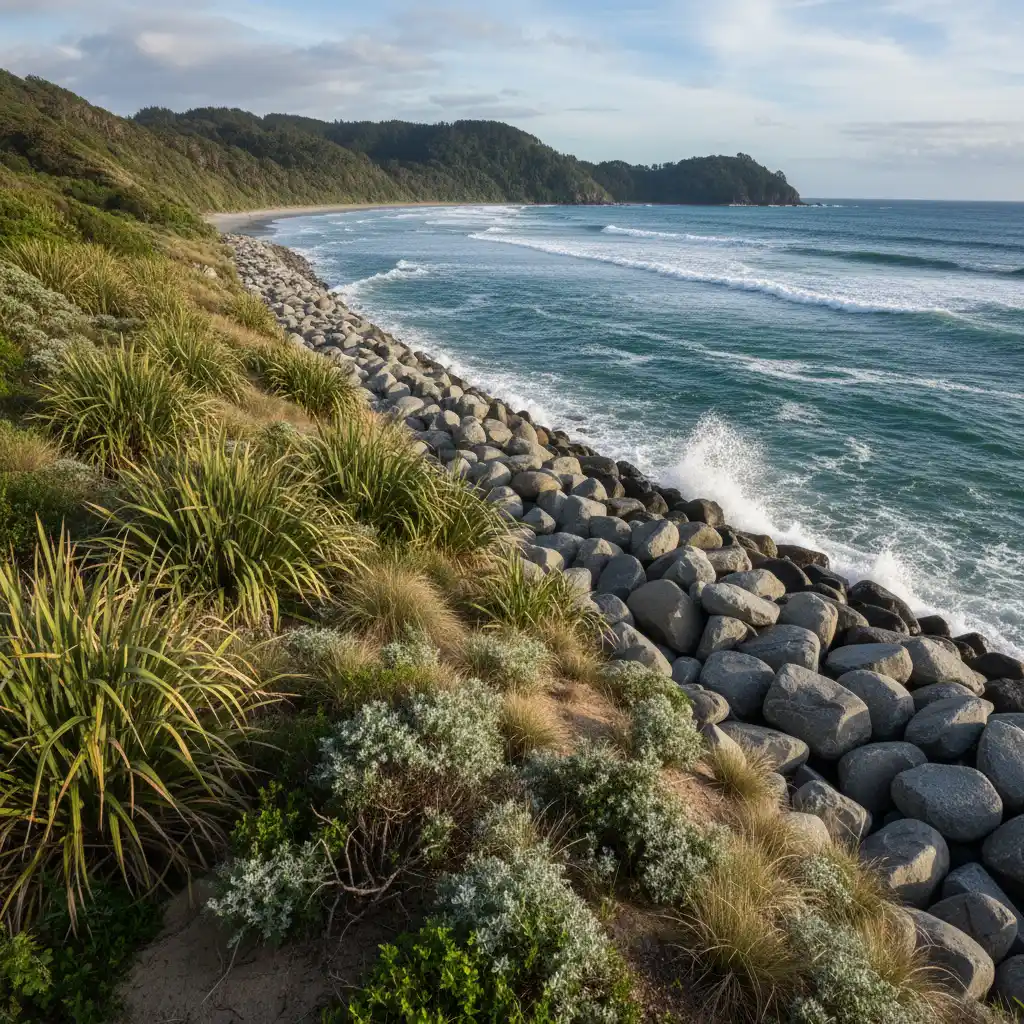
Recent policy briefings have introduced the concept of “Managed Retreat.” This is a highly sensitive area of policy that explores how and when communities might need to move away from high-risk areas. The government is currently working on a Climate Adaptation Act to provide a legal framework for these difficult decisions, including how the costs will be shared between property owners, local councils, and the central government. This represents one of the most significant and challenging updates to the national policy landscape in decades.
What Is the Future Outlook for Wellington Climate Policy?
Looking ahead, the trajectory of Wellington climate policy updates will be defined by the tension between ambitious environmental targets and the practicalities of economic management. The 2050 goal is legally binding, but the path to get there is subject to intense political debate. We can expect to see a greater focus on “Green Hydrogen” as a potential fuel for heavy transport and shipping, as well as continued investment in the “circular economy” to reduce waste-related emissions.
International pressure will also play a role. As New Zealand’s trading partners implement their own carbon border adjustments, Wellington will be forced to ensure that domestic policies are robust enough to prevent trade barriers. This means that the climate policy updates of tomorrow will be increasingly intertwined with trade policy, foreign affairs, and national security. The transition is inevitable, but the speed and equity of that transition remain the central questions for policymakers in Wellington.
The Role of Local Leadership in National Policy
While policy is set in Wellington, its success depends on local implementation. The Wellington City Council’s “Te Atakura – First to Zero” strategy is an example of how local government can lead the way, often setting targets that are even more ambitious than national requirements. These local initiatives serve as a testing ground for policies that may eventually be adopted at the national level, creating a feedback loop between local innovation and central government regulation.
What is the main goal of the Wellington climate policy updates?
The primary goal is to provide a legislative and strategic framework that enables New Zealand to reach net-zero greenhouse gas emissions by 2050, in accordance with the Paris Agreement and the Zero Carbon Act.
How does the Emissions Trading Scheme (ETS) work in NZ?
The NZ ETS puts a price on greenhouse gas emissions by requiring certain sectors to surrender one New Zealand Unit (NZU) for every tonne of carbon dioxide equivalent they emit. This creates a financial incentive to reduce emissions.
What is the “Fast-track Approvals Bill”?
It is a proposed piece of legislation designed to speed up the consenting process for significant infrastructure and development projects, including renewable energy and climate resilience projects, by reducing regulatory delays.
Is agriculture included in New Zealand’s climate targets?
Yes, agriculture is included, but it has specific targets for biogenic methane. While there is ongoing debate about how to price these emissions, the sector is required to contribute to the overall 2050 reduction goals.
What is “Managed Retreat” in the context of climate policy?
Managed retreat is a strategic policy approach that involves moving people, assets, and infrastructure away from areas at high risk from climate change impacts, such as sea-level rise or chronic flooding.
How often are the carbon budgets reviewed?
Under the Zero Carbon Act, carbon budgets are set for five-year periods and are reviewed and updated regularly based on advice from the independent Climate Change Commission to ensure they remain aligned with long-term goals.
About The Author
