NZ Climate Budget May Updates
The NZ climate budget 2024 represents the New Zealand government’s strategic financial roadmap for achieving net-zero emissions. Announced in May, this budget prioritizes market-led decarbonization, infrastructure resilience, and agricultural innovation, reallocating funds from the Climate Emergency Response Fund (CERF) to support high-impact initiatives that align with the nation’s 2050 carbon neutrality goals.
What is the Government Funding for Climate Action in 2024?
The NZ climate budget 2024 introduces a significant shift in how climate action is financed in New Zealand. Unlike previous years, which saw a heavy reliance on direct government subsidies for private sector decarbonization, the May 2024 update emphasizes fiscal discipline and the reallocation of existing resources. The primary vehicle for climate funding remains the Climate Emergency Response Fund (CERF), which was established to recycle revenue from the New Zealand Emissions Trading Scheme (NZ ETS) back into climate-related projects.
In the May update, the government announced a recalibration of the CERF. While the fund continues to exist, there is a clear move toward funding projects that demonstrate the highest emissions reduction per dollar spent. This “value for money” approach has led to the discontinuation of some programs, such as the Government Investment in Decarbonising Industry (GIDI) fund, which previously provided grants to large industrial emitters. The rationale provided by the Treasury is that the rising price of carbon in the ETS should, in theory, provide sufficient incentive for these industries to transition without additional taxpayer support.

Public Sector Decarbonization and Energy Efficiency
Despite the tightening of private sector grants, the NZ climate budget 2024 maintains strong support for public sector decarbonization. Significant capital has been allocated to upgrading schools, hospitals, and government buildings to more energy-efficient standards. This includes replacing coal-fired boilers with biomass or electric heat pumps, a move that not only reduces the government’s direct carbon footprint but also stimulates the local market for renewable heating technologies.
Furthermore, the budget provides ongoing support for the Energy Efficiency and Conservation Authority (EECA). The focus here is on empowering small and medium enterprises (SMEs) to conduct energy audits and implement low-cost, high-impact energy-saving measures. By focusing on efficiency, the government aims to reduce the overall demand on the national grid, which is essential as the country moves toward a more electrified economy.
What are the New Green Initiatives in the NZ Climate Budget 2024?
The May budget updates introduced several new green initiatives designed to future-proof New Zealand’s infrastructure. One of the standout features is the increased investment in the national EV charging network. Recognizing that “range anxiety” remains a barrier to electric vehicle adoption, the government has committed to a phased rollout of fast-charging hubs along major state highways. This initiative is intended to be a public-private partnership, leveraging government land and seed funding to attract private investment in charging technology.
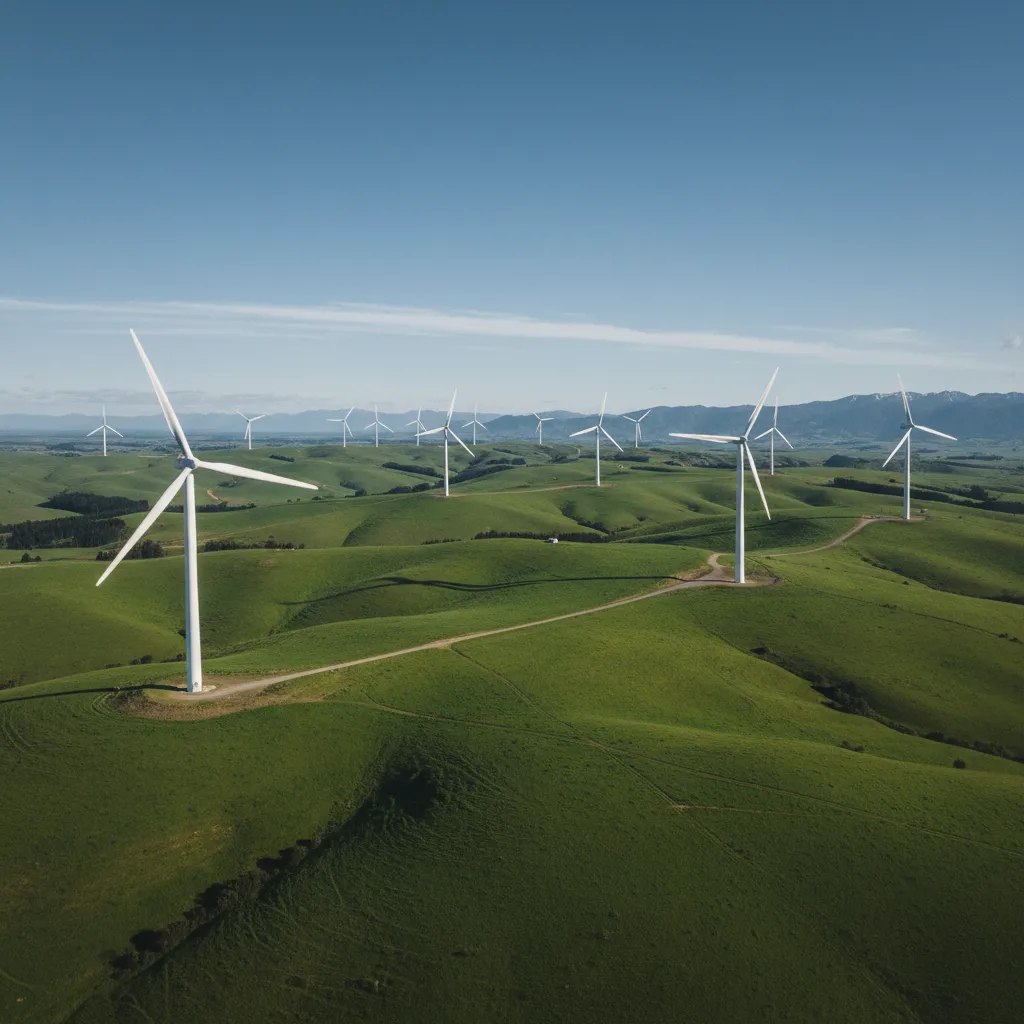
Another critical area of focus is renewable energy consenting. The NZ climate budget 2024 allocates specific funding to the Ministry for the Environment to fast-track the consenting process for wind and solar farms. By reducing the bureaucratic hurdles that often delay renewable energy projects by years, the government hopes to accelerate the transition to a 100% renewable electricity grid by 2030, a key pillar of the New Zealand Zero Carbon Act.
Waste Minimisation and Circular Economy
The 2024 budget also reinforces New Zealand’s commitment to a circular economy. Funding has been earmarked for the Waste Minimisation Fund, which supports innovative projects that divert waste from landfills. This is particularly important for organic waste, which produces methane—a potent greenhouse gas—when left to decompose in landfills. New initiatives include regional composting facilities and the expansion of kerbside food waste collection in major urban centers like Auckland and Christchurch.
How Does the Budget Impact NZ’s Carbon Targets?
The central question for many climate advocates is whether the NZ climate budget 2024 does enough to keep the country on track for its 2030 and 2050 targets. New Zealand’s Nationally Determined Contribution (NDC) under the Paris Agreement requires a 50% reduction in net emissions below 2005 levels by 2030. The May update provides a mixed outlook in this regard.
On one hand, the government maintains that the Emissions Trading Scheme is the primary tool for meeting these targets. By allowing the market to set the price of carbon, the theory is that the most cost-effective emissions reductions will occur naturally. However, critics argue that the budget’s reduction in direct subsidies for emerging technologies could slow down the pace of change in sectors where the carbon price is not yet high enough to trigger a shift in behavior.

Climate Adaptation and Infrastructure Resilience
A significant portion of the 2024 budget is dedicated to climate adaptation rather than just mitigation. Following the devastating impacts of Cyclone Gabrielle and the Auckland Anniversary floods, the government has recognized that New Zealand must prepare for the physical realities of a changing climate. The budget includes funding for the National Adaptation Plan, focusing on “room for the river” projects, improved flood defenses, and the development of a framework for managed retreat in high-risk coastal areas.
The Role of the Emissions Trading Scheme (ETS)
The NZ climate budget 2024 relies heavily on the revenue generated by the Emissions Trading Scheme. The ETS is New Zealand’s primary policy tool for reducing greenhouse gas emissions. It works by putting a price on emissions, requiring certain sectors of the economy to surrender one New Zealand Unit (NZU) for every tonne of carbon dioxide equivalent they emit. The revenue from the auctioning of these units is what feeds the Climate Emergency Response Fund.
However, the 2024 budget reveals a change in how this revenue is utilized. Previously, almost all ETS revenue was ring-fenced for climate initiatives. The new approach allows for a portion of these funds to be used for broader fiscal priorities, provided that the core climate goals are still being met. This has sparked debate among policy analysts about the long-term sustainability of climate funding if ETS revenues are diluted.
Agriculture and Methane Reduction Strategies
Agriculture remains the largest contributor to New Zealand’s emissions profile, specifically through methane from livestock. The NZ climate budget 2024 places a heavy emphasis on technology and research as the solution to this challenge. Rather than implementing an immediate price on agricultural emissions, the government has increased funding for the New Zealand Agricultural Greenhouse Gas Research Centre (AGGRC).
The goal is to develop and commercialize tools such as methane inhibitors, low-emissions breeding for sheep and cattle, and specialized fertilizers. By investing in science, the government hopes to allow the agricultural sector to remain competitive globally while still contributing to the national emissions reduction targets. This “technology-first” approach is a cornerstone of the current administration’s climate policy for the primary industries.

Future Outlook and Policy Stability
Looking ahead, the NZ climate budget 2024 sets a precedent for a more conservative, market-driven approach to climate policy. The focus has clearly shifted from government-led investment to creating the regulatory environment where the private sector can lead the transition. This includes simplifying the Resource Management Act (RMA) to make it easier to build green infrastructure and ensuring that the ETS remains a credible signal for investors.
While this approach offers fiscal stability, its success depends entirely on the strength of the carbon price and the speed at which new technologies can be deployed. As New Zealand prepares for its next Emissions Reduction Plan (ERP2), the 2024 budget serves as the financial foundation upon which future policies will be built. Stakeholders across the energy, transport, and agricultural sectors will be watching closely to see if this market-led strategy can deliver the deep cuts in emissions required to meet international obligations.
People Also Ask
What is the total amount allocated to climate action in the NZ Budget 2024?
The total allocation remains fluid as it depends on ETS auction revenues, but the government has committed billions through the Climate Emergency Response Fund (CERF) to be spent over the next four years on mitigation and adaptation projects.
Is the Clean Car Discount still available under the 2024 budget?
No, the Clean Car Discount (often called the ‘feebate’ scheme) was discontinued prior to the May 2024 budget update as part of the new government’s policy shift away from direct consumer subsidies for EVs.
How does the 2024 budget address agricultural emissions?
The budget focuses on research and development, specifically funding the New Zealand Agricultural Greenhouse Gas Research Centre to find technological solutions like methane inhibitors, rather than immediate emissions pricing for farmers.
What happened to the GIDI fund in the 2024 update?
The Government Investment in Decarbonising Industry (GIDI) fund was largely phased out, with the government arguing that the Emissions Trading Scheme (ETS) provides enough incentive for large companies to reduce their emissions without extra grants.
Does the 2024 budget include funding for flood protection?
Yes, significant funding has been allocated for climate adaptation and infrastructure resilience, particularly in response to the extreme weather events of 2023, including upgrades to flood defenses and regional resilience planning.
Will the NZ ETS price increase because of the 2024 budget?
The budget itself doesn’t set the ETS price, but the government’s decision to limit the supply of units in future auctions is intended to support a higher carbon price, which encourages businesses to reduce emissions.
About The Author
