Iwi Climate Change Perspectives
Iwi climate change perspectives are rooted in te ao Māori (the Māori world view), emphasizing kaitiakitanga (guardianship) and the interconnectedness of all living things. These perspectives advocate for holistic, intergenerational solutions that integrate mātauranga Māori with scientific data to address environmental degradation and ensure the resilience of Aotearoa New Zealand’s ecosystems and communities.
Kaitiakitanga and the Philosophy of Climate Action
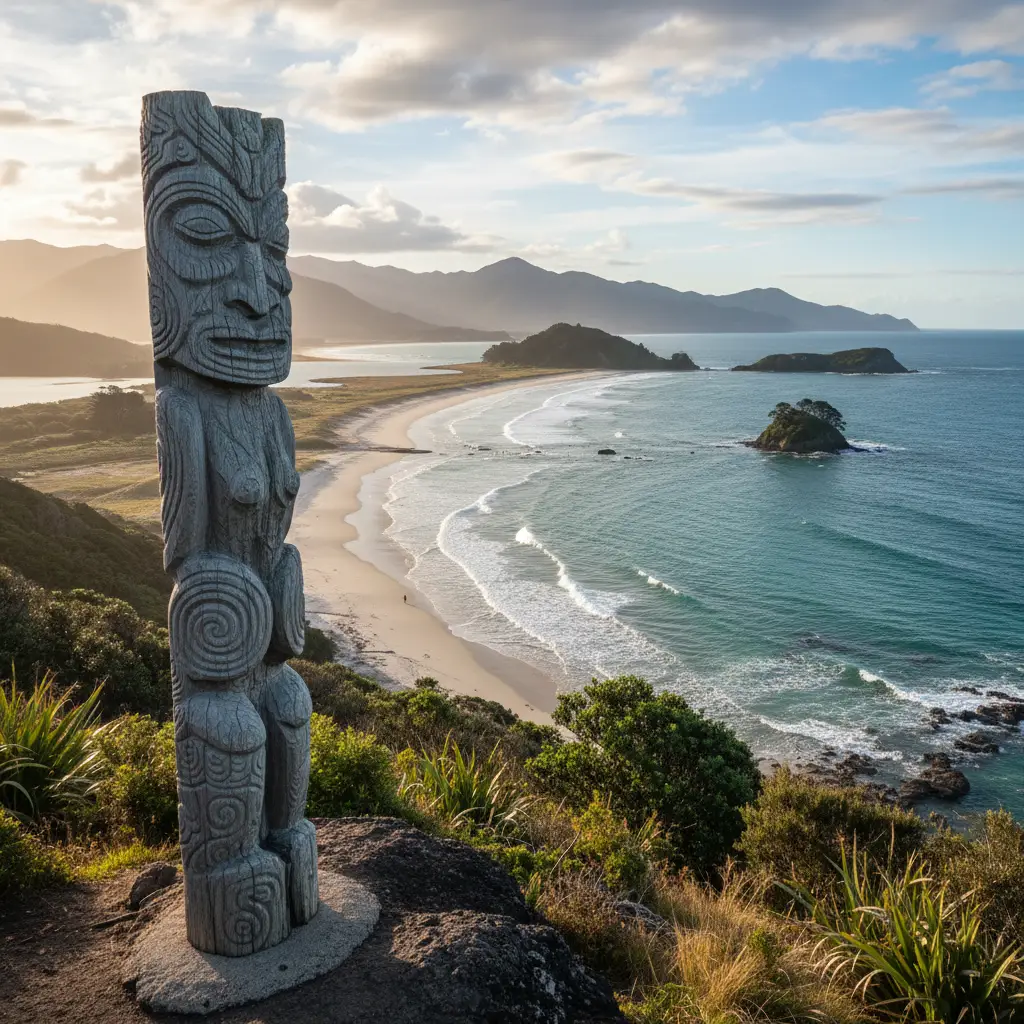
In the context of climate change, the concept of kaitiakitanga transcends simple environmentalism; it represents a profound ancestral obligation to protect the life-force (mauri) of the natural world. For Iwi (tribes) across Aotearoa New Zealand, the environment is not a resource to be exploited but a relative to be cared for. This kinship-based relationship with the land (whenua), water (wai), and air (rangi) forms the cornerstone of iwi climate change perspectives. When the climate shifts, it is seen not just as a physical crisis, but as a disruption of the balance between humanity and the atua (deities) who preside over the natural domains.
Kaitiakitanga involves a long-term view that stretches back through generations of ancestors and forward to those yet to be born. This intergenerational perspective is critical in climate policy, where short-term political cycles often hinder meaningful action. Iwi leaders argue that climate mitigation must be viewed through a lens of ‘seven generations,’ ensuring that decisions made today do not compromise the ability of future descendants to thrive on their ancestral lands. This philosophy challenges the Western capitalist model of extractive growth, proposing instead a circular and restorative approach to resource management.
The Role of Mātauranga Māori in Adaptation
Mātauranga Māori—the body of knowledge originating from Māori ancestors—is increasingly recognized as a vital tool for climate change adaptation. This knowledge system includes centuries of observations regarding weather patterns, species behavior, and ecological shifts. Unlike Western science, which often isolates variables, mātauranga Māori is holistic, recognizing the intricate web of connections within an ecosystem. For example, the flowering of specific trees or the arrival of migratory birds serves as a biological indicator of seasonal health, providing early warning signs of climate instability that technological sensors might miss.
Iwi are utilizing this knowledge to develop localized adaptation plans. In coastal regions, where sea-level rise threatens marae (community meeting grounds) and urupā (burial sites), Iwi are combining traditional knowledge of coastal dynamics with modern topographical mapping. This dual-knowledge approach allows for more nuanced and culturally appropriate responses, such as the strategic relocation of assets or the restoration of natural coastal buffers like sand dunes and wetlands. By valuing indigenous wisdom alongside climate modeling, Aotearoa can build a more resilient infrastructure that respects both the land and its history.
Te Tiriti o Waitangi and New Zealand’s Climate Policy
The relationship between Iwi and the Crown is governed by Te Tiriti o Waitangi (The Treaty of Waitangi), which guarantees Māori rangatiratanga (sovereignty and self-determination) over their lands and taonga (treasures). In the realm of climate policy, this means that the Crown has a constitutional obligation to partner with Iwi in the design and implementation of environmental regulations. Iwi climate change perspectives assert that Māori must be more than just ‘stakeholders’; they must be active partners in governance.
Historically, environmental policy in New Zealand has often sidelined Māori voices, leading to outcomes that failed to account for Māori values or economic interests. However, recent years have seen a shift toward ‘co-governance’ models. These models recognize that Iwi have a unique legal and moral standing in the climate conversation. The Waitangi Tribunal has frequently reminded the government that the protection of the environment is a Treaty obligation, and failure to address climate change effectively could be seen as a breach of the Crown’s duty to protect Māori interests.
The Zero Carbon Act and Iwi Participation
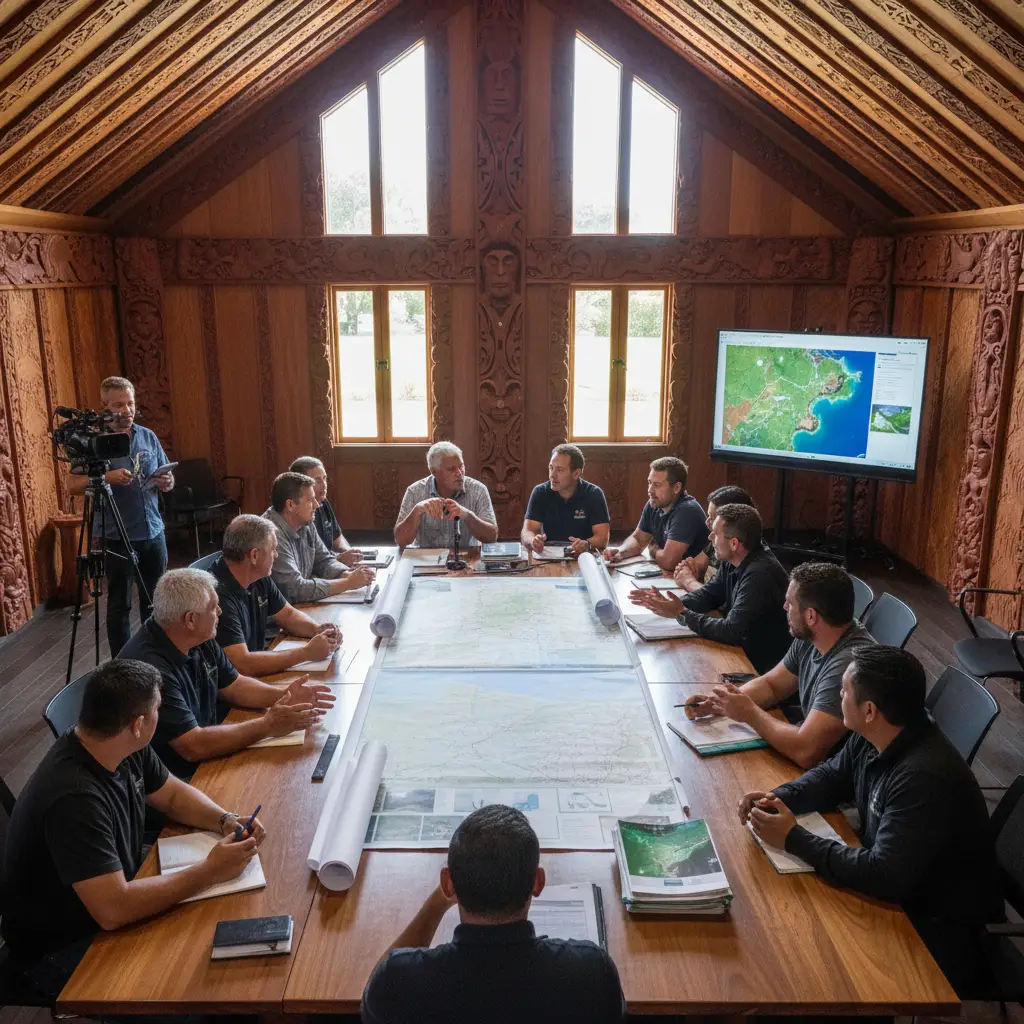
The Climate Change Response (Zero Carbon) Amendment Act 2019 is a landmark piece of legislation that sets the framework for New Zealand’s transition to a low-emissions future. Crucially, the Act includes specific provisions for Māori participation. Section 5J of the Act requires the Minister and the Climate Change Commission to consult with Iwi and Māori when developing emissions reduction plans and national adaptation plans. This legislative mandate ensures that iwi climate change perspectives are integrated into the highest levels of national strategy.
However, many Iwi groups argue that consultation is not the same as partnership. There is a persistent call for more direct involvement in decision-making processes. The Climate Change Commission has acknowledged that Māori are disproportionately affected by climate change, particularly those in rural communities reliant on primary industries. Therefore, policy must not only seek to reduce emissions but also ensure that the costs of transition do not fall unfairly on Māori. This involves protecting Māori-owned assets, such as forestry and fisheries, which are central to the Māori economy and highly sensitive to climatic shifts and regulatory changes.
Iwi-Led Sustainability and Innovation Projects
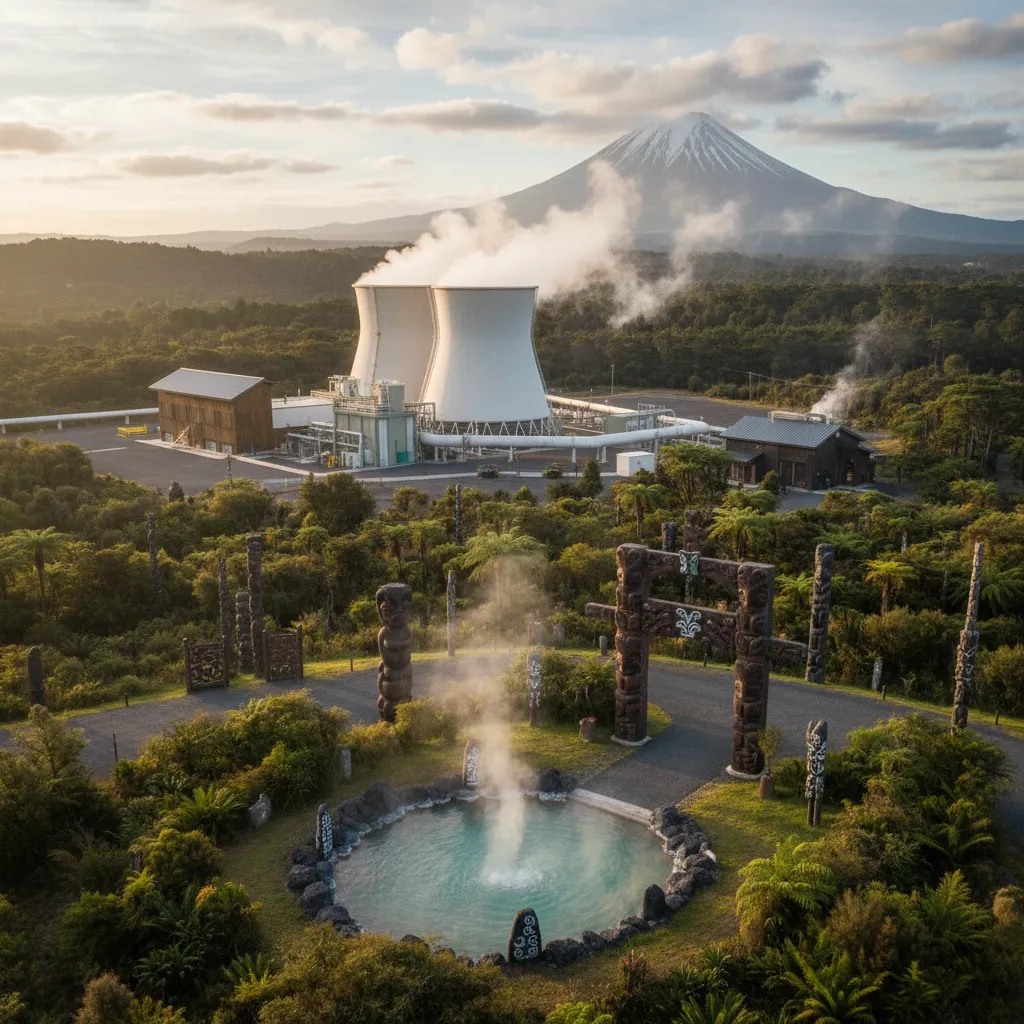
Iwi are not just participating in policy discussions; they are leading the way with practical, ground-level sustainability projects. These initiatives often blend traditional values with cutting-edge technology. One of the most significant areas of Iwi investment is in renewable energy. Many Iwi have substantial interests in geothermal energy, particularly in the Central North Island. By harnessing the heat of the earth—a resource often linked to ancestral stories and atua—Iwi are providing clean energy to the national grid while generating sustainable revenue for their people.
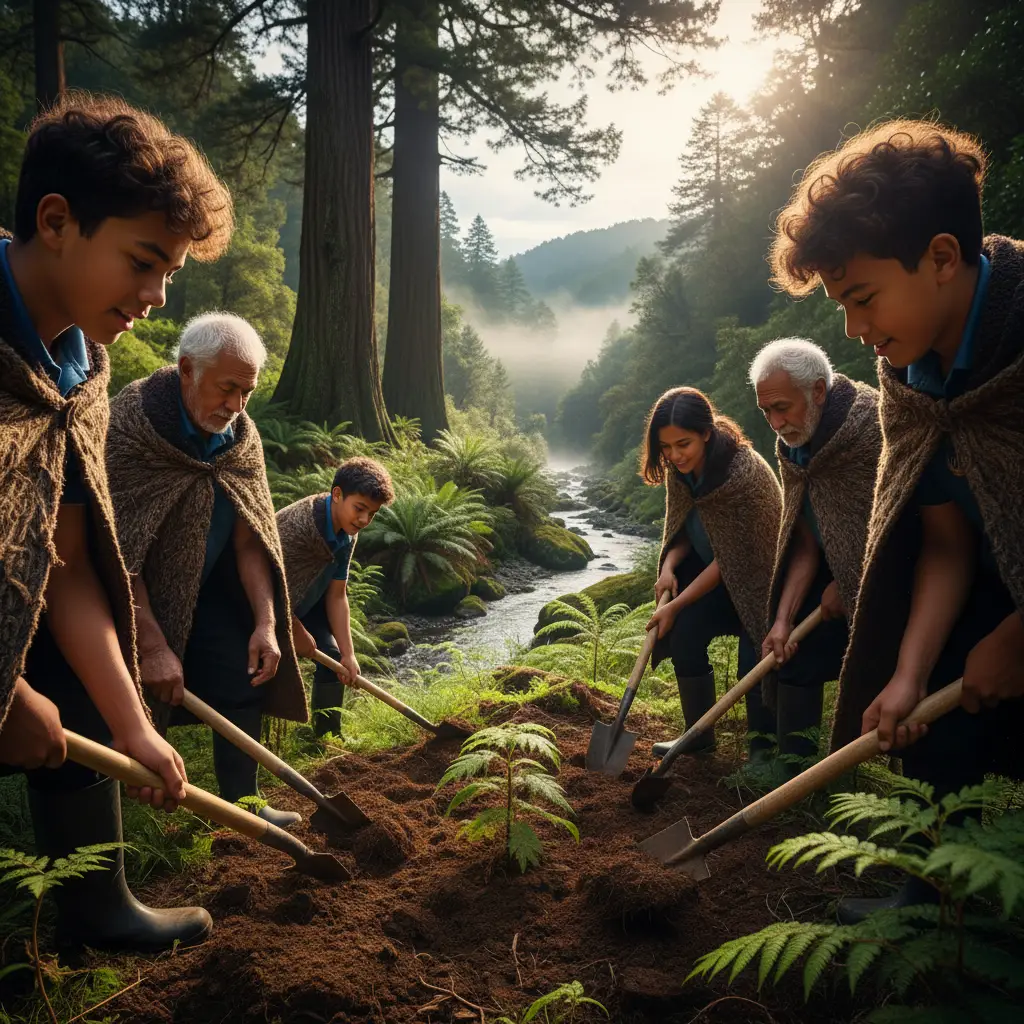
In addition to energy, Iwi are at the forefront of large-scale reforestation efforts. Through the ‘One Billion Trees’ program and independent initiatives, Iwi are planting millions of native trees to sequester carbon and restore biodiversity. These projects are often designed as ‘permanent forests,’ prioritizing ecological health over short-term timber profits. Furthermore, Iwi are exploring ‘blue carbon’ opportunities, focusing on the restoration of seagrasses and mangroves to capture carbon in coastal environments. These projects demonstrate how iwi climate change perspectives translate into tangible environmental benefits for the entire country.
Socio-Economic Impacts and the Just Transition
The transition to a zero-carbon economy presents both risks and opportunities for the Māori economy, which is estimated to be worth over $70 billion. A significant portion of this wealth is tied to agriculture, forestry, and fisheries—sectors that are the primary targets of emissions regulations. Iwi climate change perspectives emphasize the need for a ‘Just Transition’ that supports Māori businesses in moving toward lower-emission practices without destroying their economic base. This includes providing access to capital for green technology and ensuring that Māori workers have the skills needed for the new ‘green economy.’
There is also a strong focus on community resilience. Many Māori communities are located in remote, coastal, or flood-prone areas. Climate change threatens not only the physical infrastructure of these communities but also their cultural continuity. If a marae is lost to the sea, more than just a building is destroyed; a repository of history and a hub of social cohesion is lost. Therefore, Iwi perspectives on climate change are deeply concerned with social justice, advocating for funding and resources to protect vulnerable communities and ensure that the transition to a low-carbon future is equitable and inclusive.
The Future of Iwi Engagement in Climate Governance
Looking ahead, the role of Iwi in climate governance is set to expand. As the impacts of climate change become more severe, the limitations of standard bureaucratic responses are becoming apparent. The holistic, long-term, and community-centered approach of Iwi offers a viable alternative to traditional policy-making. There is growing momentum for the creation of a dedicated Māori climate platform that would allow Iwi to coordinate their efforts and speak with a unified voice on national and international stages.
The involvement of Rangatahi (Māori youth) is also a critical factor for the future. Young Māori are increasingly vocal about climate justice, combining their cultural heritage with global activism. They are demanding that the Crown honor its Treaty obligations by taking bold action to protect the environment. By empowering the next generation of kaitiaki, Iwi are ensuring that their climate change perspectives will continue to shape the future of Aotearoa for centuries to come. The ultimate goal is a future where the health of the people and the health of the land are seen as one and the same, fulfilling the ancient whakataukī (proverb): ‘Ko au te taiao, ko te taiao ko au’ (I am the environment, and the environment is me).
People Also Ask
What is the Māori view on climate change?
The Māori view on climate change is centered on the concept of kaitiakitanga, where humans are seen as guardians of the natural world. It views the climate crisis as an imbalance in the relationship between people and the environment, requiring holistic and intergenerational solutions.
How does the Zero Carbon Act involve Iwi?
The Zero Carbon Act requires the New Zealand government and the Climate Change Commission to consult with Iwi and Māori when developing climate policies, ensuring that Māori interests and mātauranga Māori are considered in national strategies.
What are Iwi-led climate initiatives?
Iwi-led initiatives include large-scale renewable energy projects (particularly geothermal), native reforestation programs, coastal restoration (blue carbon), and the development of localized tribal climate adaptation plans.
Why is Mātauranga Māori important for climate adaptation?
Mātauranga Māori provides deep, localized ecological knowledge and historical observations that complement Western science. It offers unique insights into seasonal changes and ecosystem health that are vital for effective adaptation.
How does the Treaty of Waitangi affect climate change policy?
Te Tiriti o Waitangi establishes a partnership between the Crown and Iwi. It mandates that the government protects Māori interests and involves Iwi in decision-making regarding the environment and climate policy.
What is the impact of sea-level rise on Marae?
Many marae are located in low-lying coastal areas and are at high risk from sea-level rise and storm surges. This threatens not only physical structures but also the cultural and social heart of Māori communities.
About The Author
