National Adaptation Plan Overview
The nz national adaptation plan is New Zealand’s primary strategy for building resilience against the physical impacts of climate change. Established under the Climate Change Response (Zero Carbon) Amendment Act 2019, it outlines over 120 actions focusing on infrastructure, managed retreat, and community tools to protect the economy, environment, and residents.
Understanding the NZ National Adaptation Plan
The nz national adaptation plan (NAP) serves as the cornerstone of New Zealand’s long-term strategy to address the unavoidable consequences of a warming planet. While mitigation efforts—such as the Emissions Reduction Plan—aim to limit global temperature rise, adaptation focuses on preparing for the changes that are already locked in. These include rising sea levels, increased frequency of extreme weather events like Cyclone Gabrielle, and shifting agricultural viability. The first plan, covering 2022 to 2028, was developed following the first National Climate Change Risk Assessment (NCCRA), which identified 43 priority risks across five domains: natural environment, human, economy, built environment, and governance.
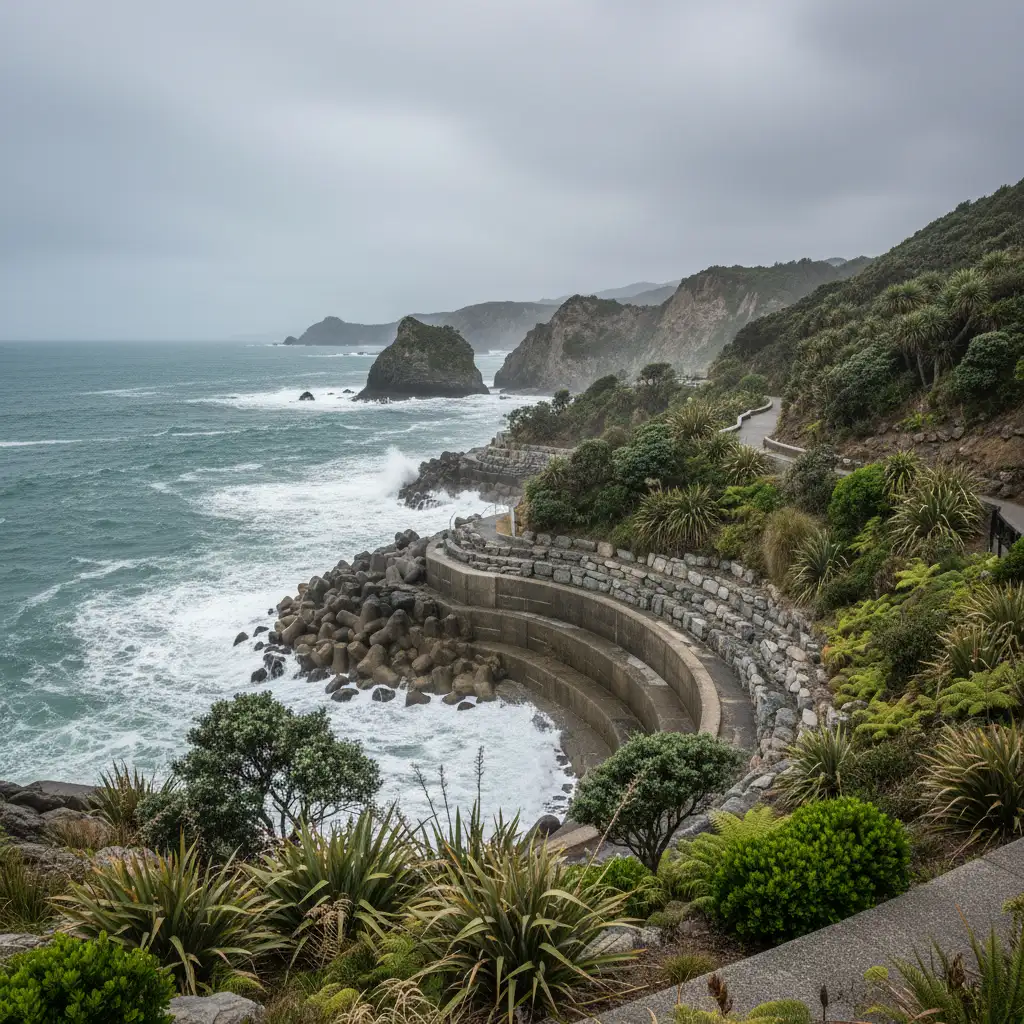
The legislative backbone of this plan is the Climate Change Response Act 2002, specifically the amendments introduced in 2019. This framework mandates that the government must produce a risk assessment every six years, followed by an adaptation plan to address those risks. The nz national adaptation plan is not merely a government document; it is a cross-sectoral roadmap that involves local government, Iwi/Māori, the private sector, and individual households. By centralizing data and setting clear policy directions, the NAP aims to reduce the vulnerability of New Zealand’s diverse regions to climate-related shocks.
Infrastructure Resilience Strategies
How does the nz national adaptation plan protect critical infrastructure? The plan emphasizes that infrastructure—roads, rail, water systems, and power grids—is the lifeline of the New Zealand economy. Much of this infrastructure was built for a climate that no longer exists. To address this, the NAP introduces several key strategies designed to harden assets and ensure service continuity during disasters. One primary focus is the integration of climate risk into the Building Code and land-use planning. This ensures that new developments are not situated in high-risk zones and that existing structures are retrofitted to withstand higher wind speeds and heavier rainfall.
Waka Kotahi (NZ Transport Agency) and KiwiRail are central players in these strategies. The NAP mandates the development of climate change adaptation plans for the national transport network. This includes identifying vulnerable sections of State Highway 1 and the rail corridor that are prone to landslides or coastal inundation. Furthermore, the plan highlights the importance of ‘nature-based solutions’ for infrastructure. Instead of relying solely on concrete sea walls, the strategy encourages the restoration of wetlands and dunes to act as natural buffers. This approach not only provides resilience but also supports biodiversity, aligning with the broader environmental goals of the Zero Carbon Act.
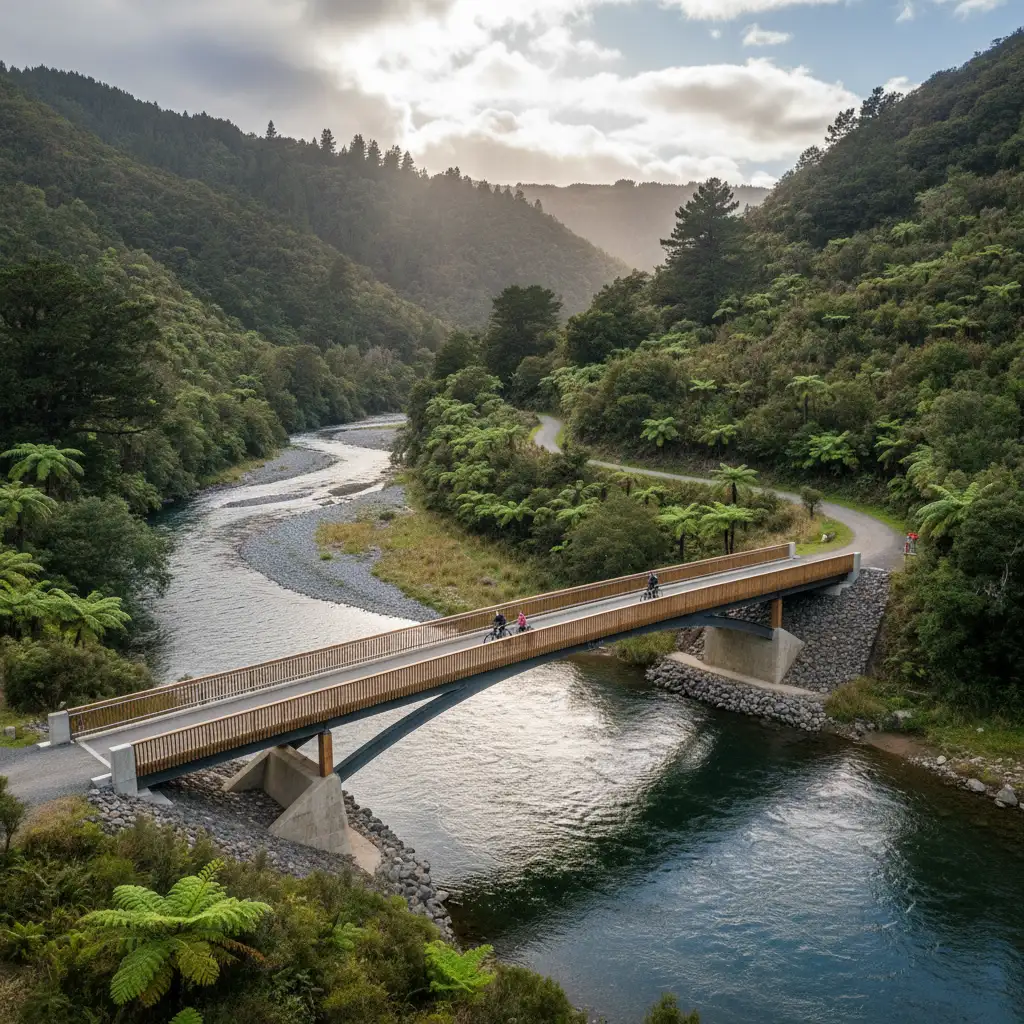
The ‘Three Waters’ reform, regardless of its political iterations, remains a critical component of infrastructure resilience. The NAP outlines requirements for local councils to assess the vulnerability of wastewater and stormwater systems. As extreme rainfall events become more common, urban drainage systems must be upgraded to prevent catastrophic flooding. The nz national adaptation plan provides the technical guidance and standardized data needed for these multi-billion dollar investments, ensuring that taxpayers’ money is spent on long-term viability rather than short-term fixes.
Managed Retreat Policies and Legal Frameworks
What is managed retreat in the context of the nz national adaptation plan? Managed retreat is perhaps the most challenging and controversial aspect of the NAP. It refers to the planned and systematic movement of people, assets, and activities away from areas at high risk of climate-related hazards. Unlike emergency evacuations, managed retreat is a proactive strategy. The nz national adaptation plan acknowledges that in some coastal and river-adjacent areas, traditional engineering solutions like levees or sea walls will eventually become technically impossible or economically unfeasible.
To support this, the government has been working on a dedicated Climate Adaptation Act. This legislation aims to address the complex legal and financial questions surrounding managed retreat: Who pays for the relocation? How is land ownership handled when property is abandoned to the sea? How do we protect the rights of homeowners while ensuring public safety? The NAP sets the stage for these discussions by calling for a national framework that provides certainty to communities. Without a clear policy, New Zealand risks ‘insurance retreat,’ where private insurers stop covering high-risk properties, leaving homeowners with stranded assets and no path forward.
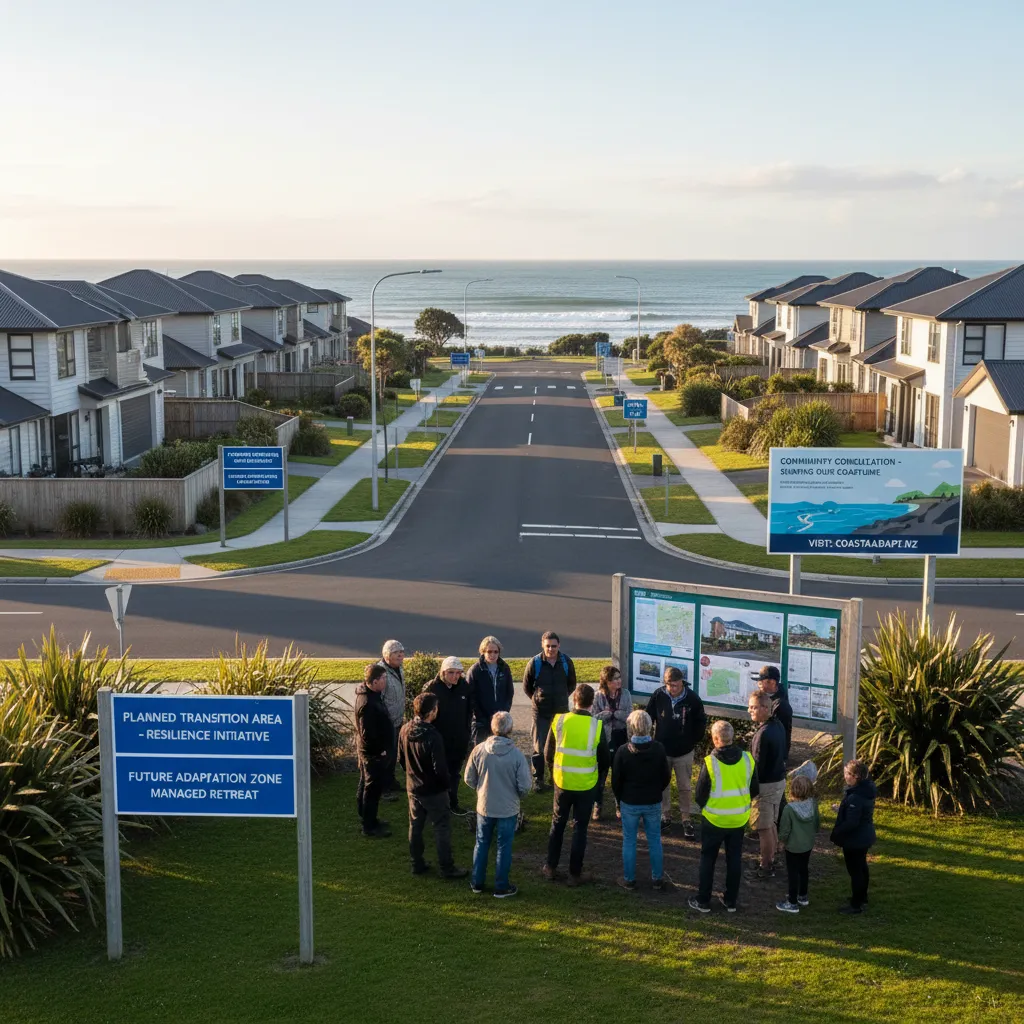
The policy also emphasizes the importance of the ‘precautionary principle.’ This means that where there are threats of serious or irreversible damage, lack of full scientific certainty should not be used as a reason for postponing cost-effective measures to prevent environmental degradation. In practice, this leads to stricter zoning laws under the Resource Management Act (RMA) reforms, preventing the construction of new subdivisions in areas projected to be underwater or at high risk of liquefaction by 2050 or 2100.
Community Adaptation Tools and Local Governance
How can local communities utilize the nz national adaptation plan? Adaptation is inherently local; the risks faced by a coastal community in the Coromandel are vastly different from those faced by a farming community in Canterbury. The NAP provides a suite of tools designed to empower local councils and residents to make informed decisions. One such tool is the Adaptation Planning Guide, which helps local authorities walk through the process of risk assessment and community engagement. This guide promotes the use of ‘Dynamic Adaptive Policy Pathways’ (DAPP), a planning method that identifies multiple options for the future and sets ‘trigger points’ for when a community needs to switch from one strategy to another.
Data accessibility is another pillar of the community tools strategy. The nz national adaptation plan supports the development of a national climate portal. This platform provides high-resolution climate projections, sea-level rise maps, and flood risk data. By democratizing this information, the government ensures that small businesses, farmers, and homeowners can conduct their own due diligence. For example, a farmer can use this data to decide whether to switch to more drought-resistant crops or invest in new irrigation infrastructure. Similarly, the plan includes specific resources for the health sector, addressing the mental health impacts of climate-related displacement and the spread of new pathogens due to warming temperatures.
Integrating Te Ao Māori in Adaptation
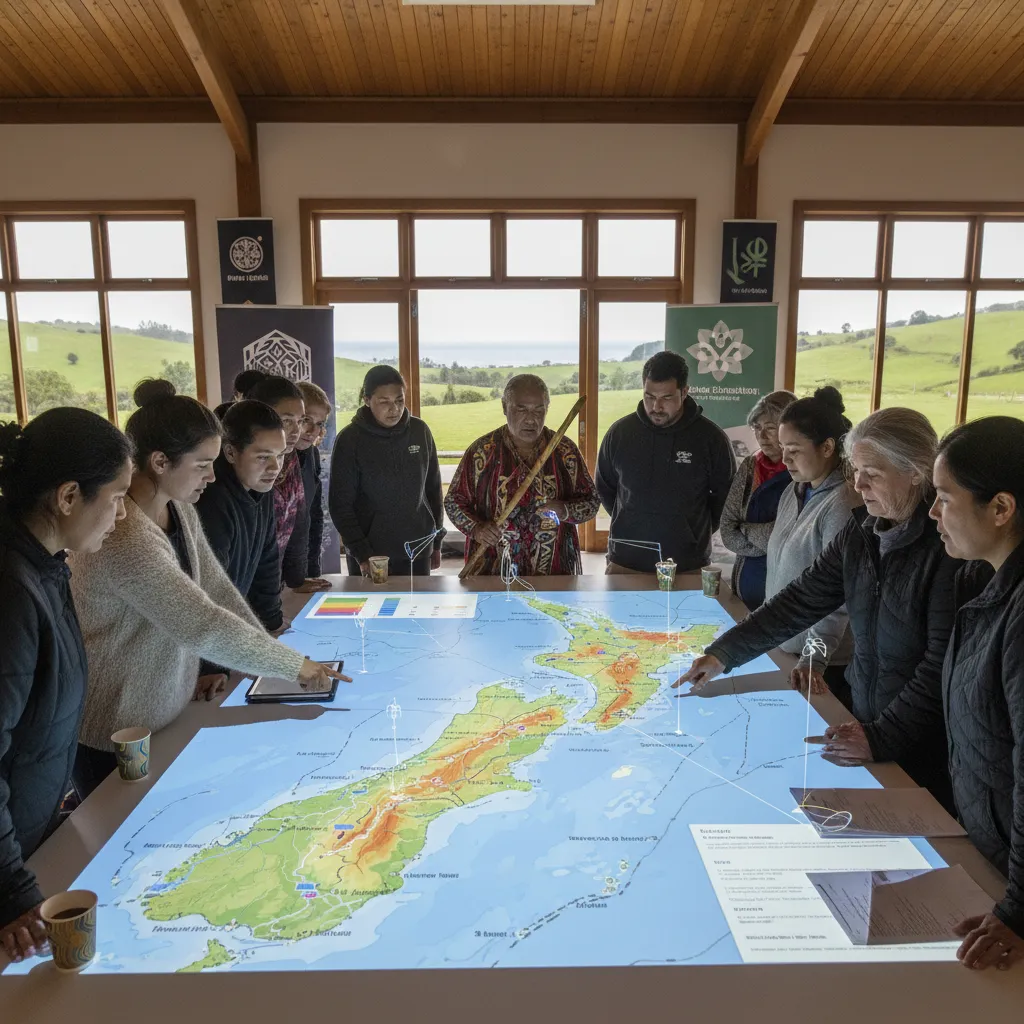
The nz national adaptation plan is unique in its commitment to Te Tiriti o Waitangi (the Treaty of Waitangi). It recognizes that Māori, as tangata whenua, have a unique relationship with the land and water, and are often on the frontline of climate change impacts. Many Marae are located in coastal areas vulnerable to sea-level rise, and Iwi have significant interests in primary industries like fisheries and forestry that are sensitive to climate shifts. The NAP integrates Te Ao Māori (the Māori worldview) by emphasizing kaitiakitanga (guardianship) and the intergenerational responsibility to protect the environment.
The plan includes specific actions to support Māori-led adaptation. This involves funding for Iwi-based climate research and ensuring that traditional ecological knowledge (Mātauranga Māori) is used alongside Western science to inform policy. For instance, traditional knowledge of local flood patterns or plant resilience can provide invaluable insights that modern data models might overlook. By fostering a partnership approach, the nz national adaptation plan aims to ensure that adaptation strategies are culturally appropriate and that the transition to a resilient future is equitable for all New Zealanders.
Monitoring, Governance, and Future Outlook
Success of the nz national adaptation plan depends on rigorous monitoring and accountability. The Climate Change Commission plays a vital role here, acting as an independent watchdog. Every two years, the Commission is required to provide the Minister for Climate Change with a report evaluating the progress made in implementing the NAP. This ensures that the plan remains a living document that can be adjusted as new data emerges or as the effectiveness of certain actions is proven or disproven. The governance structure also involves a cross-agency task force to ensure that various government departments—from Treasury to the Ministry for the Environment—are aligned in their efforts.
Looking ahead, the nz national adaptation plan will need to evolve. The first iteration has successfully laid the groundwork by identifying risks and establishing frameworks. However, the next phase will require more difficult decisions regarding funding and the practical implementation of managed retreat. As the global climate continues to change, the NAP will be the primary mechanism through which New Zealand navigates the balance between economic growth and environmental survival. It represents a shift in thinking: from reacting to disasters as they happen, to proactively designing a society that can thrive in a more volatile world.
What is the purpose of the NZ National Adaptation Plan?
The purpose of the NZ National Adaptation Plan is to provide a long-term strategy to manage the risks associated with climate change. It outlines specific actions the government and various sectors will take over a six-year period to build resilience, protect infrastructure, and support communities in adapting to a changing environment.
Who is responsible for climate adaptation in NZ?
Responsibility is shared across the central government, local councils, Iwi/Māori, and the private sector. The Ministry for the Environment leads the policy development, while the Climate Change Commission monitors progress. Local councils are largely responsible for implementing land-use planning and infrastructure upgrades at the community level.
What is managed retreat in the context of NZ?
Managed retreat in New Zealand involves the strategic relocation of people and assets away from high-risk climate zones, such as areas prone to chronic flooding or coastal erosion. It is a proactive measure designed to prevent the loss of life and property before disasters occur, often involving complex legal and financial frameworks.
How does the Zero Carbon Act relate to adaptation?
The Zero Carbon Act (Climate Change Response Act) provides the legal framework for the National Adaptation Plan. It mandates that the government must regularly assess climate risks and produce an adaptation plan to address those risks, ensuring that adaptation is a permanent and mandatory part of New Zealand’s climate policy.
What are the key risks identified in the National Climate Change Risk Assessment?
The NCCRA identified 43 priority risks, including threats to coastal ecosystems, risks to potable water supplies, damage to transport infrastructure from extreme weather, the economic impact on primary industries, and the social and health risks to vulnerable populations and Māori communities.
When was the first NZ National Adaptation Plan published?
The first NZ National Adaptation Plan was officially published in August 2022. It covers the period from 2022 to 2028 and is the first in a series of plans that will be updated every six years following new risk assessments.
About The Author
