Carbon Accounting Software NZ
The best carbon accounting software NZ provides automated tools for measuring, reporting, and reducing greenhouse gas emissions in alignment with the Zero Carbon Act. These platforms integrate with financial systems like Xero or MYOB to convert expenditure data into CO2e metrics, ensuring compliance with New Zealand’s unique climate-related disclosure (CRD) framework and international ISO standards.
Why NZ Businesses Need Carbon Accounting?
In the wake of the Climate Change Response (Zero Carbon) Amendment Act, New Zealand has committed to a net-zero future by 2050. For businesses, this is no longer a matter of corporate social responsibility; it is a regulatory and financial imperative. Carbon accounting software serves as the central nervous system for a company’s environmental data, allowing organizations to track their carbon footprint with the same precision they apply to their financial ledgers.
New Zealand’s unique economic landscape, characterized by a high volume of SMEs and a significant agricultural sector, requires software that is both scalable and localized. Whether you are a large financial institution mandated by the External Reporting Board (XRB) to provide Climate-related Disclosures or a small business looking to maintain a competitive edge in a green-conscious market, the right software is essential.
Top Carbon Accounting Software NZ Comparisons
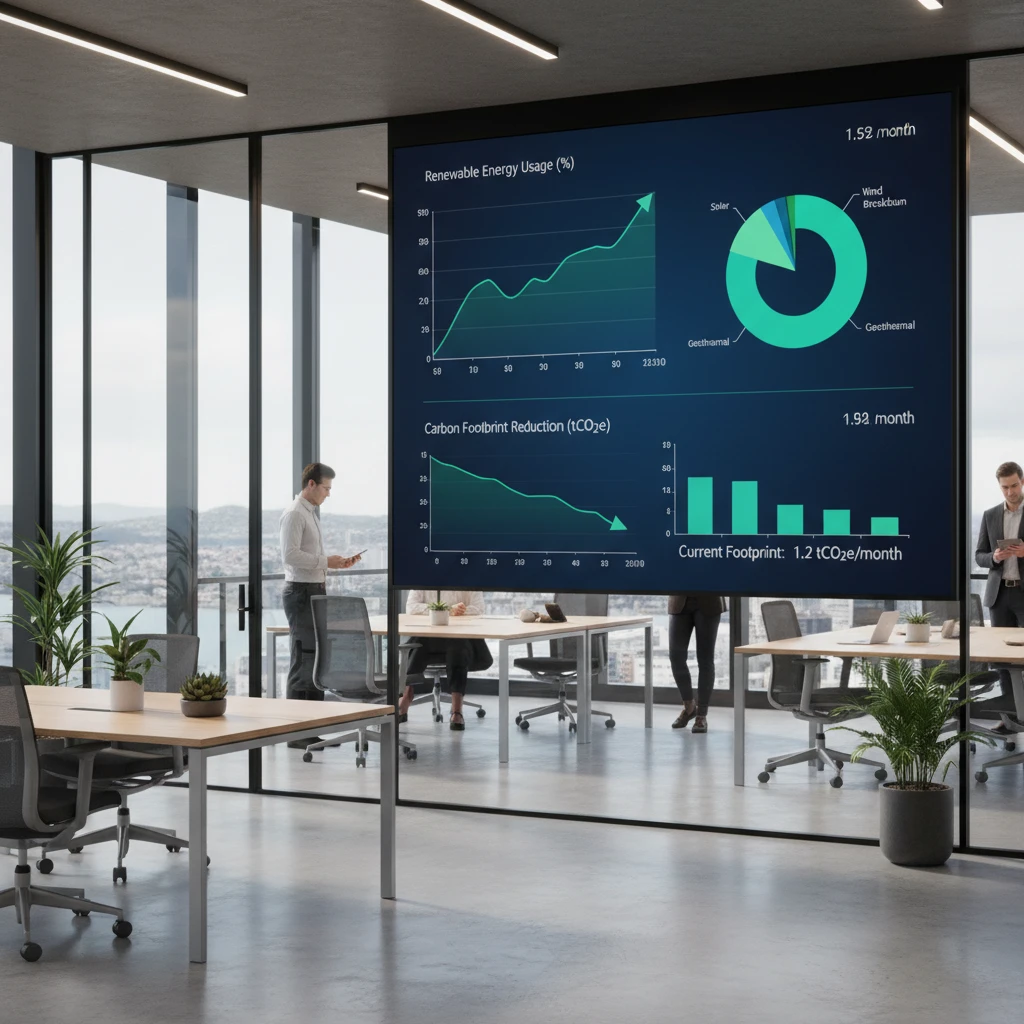
When evaluating the best carbon accounting software NZ, several local and international players stand out. Each offers distinct features tailored to different business sizes and industries.
Toitū Envirocare
As a subsidiary of Manaaki Whenua – Landcare Research, Toitū Envirocare is the gold standard for New Zealand-specific carbon certification. Their software is deeply integrated with their audit and certification programs (Toitū carbonreduce and Toitū carbonzero). It is ideal for businesses that want a high level of credibility and localized emission factors that reflect the NZ electricity grid and transport sectors.
Cogo
Cogo has gained significant traction by partnering with major banks like Westpac and ASB. Their platform focuses on spend-based carbon tracking, making it incredibly accessible for SMEs. By analyzing bank transactions, Cogo provides an immediate, albeit estimated, view of a business’s carbon impact, allowing for quick decision-making and engagement.
Sumday
Sumday is revolutionizing the intersection of accounting and sustainability. It is designed specifically for accountants to provide carbon accounting services to their clients. Its strength lies in its transparency and auditability, ensuring that every carbon entry can be traced back to a source, much like a financial transaction.
BraveGen
For large enterprises and those with complex supply chains, BraveGen (now part of the wider ESG reporting ecosystem) offers robust data management. It excels in tracking Scope 1 and 2 emissions across multiple sites, making it a favorite for manufacturing and industrial firms operating within New Zealand.
CarbonClick
While often known for its consumer-facing offset tools, CarbonClick provides business solutions that help NZ companies measure and then transparently offset their emissions. Their platform is particularly useful for the retail and travel sectors where immediate carbon neutrality is a marketing advantage.

NZ-Specific Compliance Features
Software designed for the New Zealand market must account for specific local regulations and environmental factors. Generic international software often fails to capture the nuances of the Kiwi market.
Alignment with XRB Standards
The External Reporting Board (XRB) has issued Aotearoa New Zealand Climate Standards. These standards require mandatory climate-related disclosures for large listed companies, banks, and insurers. The best carbon accounting software NZ will have built-in reporting templates that align directly with these disclosures, covering Governance, Strategy, Risk Management, and Metrics and Targets.
Ministry for the Environment (MfE) Emission Factors
Every year, the MfE releases updated emission factors specifically for New Zealand. These factors quantify the emissions for activities like using 1kWh of electricity from the NZ grid (which has a high renewable percentage) or burning a liter of petrol. Top-tier software will automatically update these factors, ensuring your reports are accurate for the local context.
Agricultural Integration
Given the importance of agriculture to the NZ economy, software that can handle methane and nitrous oxide emissions from farming activities is vital. New Zealand-centric platforms often include modules for He Waka Eke Noa compliance, helping farmers and agri-businesses prepare for upcoming pricing on agricultural emissions.
Integration with Xero and MYOB
One of the most significant hurdles in carbon accounting is data entry. This is where integration with financial software like Xero and MYOB becomes a game-changer. These integrations allow for “spend-based” carbon accounting.
How Xero Integration Works
When you connect your carbon accounting software to Xero, the platform pulls in your ledger data. For example, it identifies payments made to fuel companies or electricity providers. Using AI and predefined emission factors, the software automatically assigns a carbon value to those dollars spent. This significantly reduces the manual labor required to maintain a carbon ledger.
The Benefits of MYOB Connectivity
For businesses using MYOB, the integration provides a similar level of automation. It allows for real-time tracking of carbon intensity. If a business switches to a more sustainable supplier, the change in the financial ledger can reflect an immediate (or near-immediate) reduction in the estimated carbon footprint, providing tangible feedback on sustainability initiatives.
Measuring Scope 1, 2, and 3 Emissions
To truly understand a business’s impact, carbon accounting software must categorize emissions into three scopes, as defined by the Greenhouse Gas Protocol.
- Scope 1 (Direct Emissions): These are emissions from sources that the company owns or controls directly. Examples include company vehicles and on-site gas boilers.
- Scope 2 (Indirect Emissions): These are emissions from the generation of purchased energy. In NZ, this primarily refers to electricity consumed from the national grid.
- Scope 3 (Supply Chain Emissions): This is often the largest and most complex category. It includes emissions from the entire value chain—from the production of raw materials purchased to the waste generated by the end consumer.
The best carbon accounting software NZ provides advanced tools for tackling Scope 3. This includes supplier portals where vendors can upload their own carbon data, creating a more accurate and collaborative map of the total environmental impact.
Choosing the Right Platform
Selecting the right software requires a strategic approach. Businesses should consider the following factors:
Scalability
Will the software grow with you? A small business might start with a simple spend-based tool, but as they grow, they may need activity-based tracking (e.g., tracking liters of fuel rather than dollars spent) for greater accuracy.
Audit Readiness
If you intend to claim “Carbon Neutral” status or comply with XRB mandates, your data must be auditable. Ensure the software provides a clear audit trail where a third-party verifier can see exactly how every emission figure was calculated.
User Interface and Engagement
Sustainability is a team effort. The software should be intuitive enough for non-experts to use. Many platforms now include gamification or employee engagement modules to help staff understand how their daily actions contribute to the company’s goals.

The Future of Carbon Accounting in Aotearoa
As we move closer to 2030 and 2050 targets, carbon accounting will become as standard as financial accounting. We are likely to see “Carbon ERPs”—integrated systems that manage carbon, waste, water, and social impact in one place. For New Zealand businesses, early adoption of these tools is not just about compliance; it’s about building resilience in a global market that increasingly demands transparency and environmental integrity.
By investing in the best carbon accounting software NZ, companies can transition from being reactive to proactive, identifying efficiencies that save both carbon and cost. The data derived from these platforms becomes a powerful narrative for investors, customers, and employees who want to see real action behind climate commitments.
Frequently Asked Questions
What is the best carbon accounting software for small businesses in NZ?
For small businesses, Cogo and Sumday are excellent choices. Cogo offers easy spend-based tracking through bank integrations, while Sumday allows your existing accountant to manage your carbon ledger alongside your finances.
Is carbon reporting mandatory for all NZ companies?
Currently, mandatory reporting under the XRB standards applies to large financial institutions and listed companies (about 200 entities). However, many smaller companies are required to report by their customers or lenders as part of Scope 3 requirements.
How much does carbon accounting software cost in NZ?
Costs vary widely. Basic spend-based tools can start from as little as $20-$50 per month, while enterprise-grade platforms with full certification and audit capabilities can cost several thousand dollars annually.
Can I use Xero for carbon accounting?
Xero itself does not calculate carbon footprints, but it integrates with various carbon accounting apps like Sumday, Cogo, and Greenly, which use your Xero data to generate emissions reports.
What are MfE emission factors?
The Ministry for the Environment (MfE) provides a database of emission factors specifically for New Zealand. These factors are used to convert activity data (like kilometers driven) into carbon dioxide equivalent (CO2e) tons.
Does carbon accounting software help with ISO 14064-1 certification?
Yes, many professional-grade carbon accounting platforms are built specifically to align with ISO 14064-1 standards, making the certification process with bodies like Toitū Envirocare much smoother.
About The Author
