Peak Tourism Carbon Mitigation
Tourism carbon footprint mitigation refers to the strategic reduction of greenhouse gas emissions generated by travel activities, particularly during peak visitor seasons. This involves optimizing transport systems, improving energy efficiency in accommodations, managing waste streams, and implementing robust carbon offsetting programs to align industry growth with New Zealand’s net-zero 2050 climate commitments.
How can we manage seasonal emission spikes in tourism?
Managing seasonal emission spikes requires a data-driven approach to infrastructure load and resource allocation. In New Zealand, peak tourism periods—typically the summer months and the winter ski season—create significant “carbon bulges.” These are periods where the local energy grid, waste management systems, and transport networks are stretched beyond their baseline capacity, often leading to a reliance on less efficient, higher-emission backup systems.
To mitigate these spikes, tourism operators and regional councils are increasingly looking toward demand-side management. This includes the implementation of smart-grid technologies in high-density areas like Queenstown and Rotorua. By utilizing IoT-enabled energy management systems, hotels and resorts can shift heavy energy loads to off-peak hours, reducing the carbon intensity of the electricity consumed. Furthermore, seasonal spikes in transport emissions are being addressed through temporary increases in public transit frequency, discouraging the use of individual rental cars which often sit idling in peak-season traffic.

The concept of “seasonal spreading” is also a critical tool for tourism carbon footprint mitigation. By incentivizing travel during the shoulder seasons (autumn and spring), New Zealand can flatten the emission curve. This not only reduces the immediate environmental pressure on hotspots but also ensures that infrastructure is used more efficiently year-round, preventing the need for carbon-heavy construction of oversized facilities that only serve peak demand.
What are the best low-carbon transport options for tourists?
Transport remains the largest contributor to the tourism carbon footprint, particularly in a geographically dispersed country like New Zealand. Mitigation strategies here focus on the “decarbonization of the journey,” moving away from internal combustion engine (ICE) vehicles toward a multi-modal, electrified network.
Electric Vehicles (EVs) and E-Campers are at the forefront of this transition. New Zealand has seen a significant expansion of its rapid-charging network, even in remote regions like the West Coast and Southland. Rental agencies are now prioritizing the procurement of EVs, supported by government incentives. For the tourist, this offers a direct way to reduce their individual footprint while exploring the country’s scenic routes.
Beyond individual car rentals, the revitalization of rail and the expansion of luxury coach services offer high-capacity, lower-emission alternatives. The TranzAlpine and Northern Explorer rail journeys are prime examples of how scenic travel can be decoupled from high emissions. When integrated with local micro-mobility options—such as e-bike rentals and electric shuttles in town centers—the need for a private vehicle is greatly diminished.
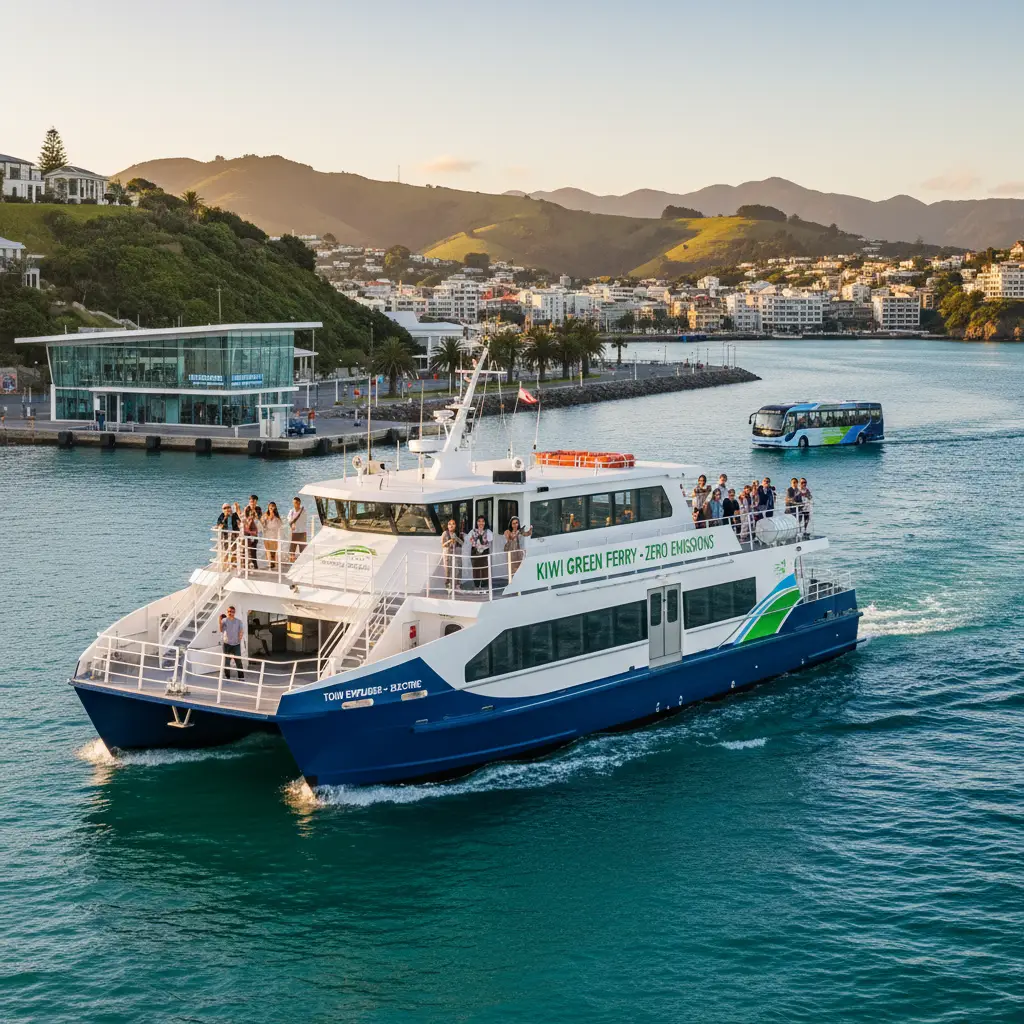
For longer distances, the aviation sector is exploring Sustainable Aviation Fuel (SAF) and regional electric flight trials. While wide-scale electric aviation is still in development, Air New Zealand’s commitment to decarbonization through fleet modernization and SAF procurement is a vital component of the national tourism carbon footprint mitigation strategy.
How does waste reduction impact high-volume destinations?
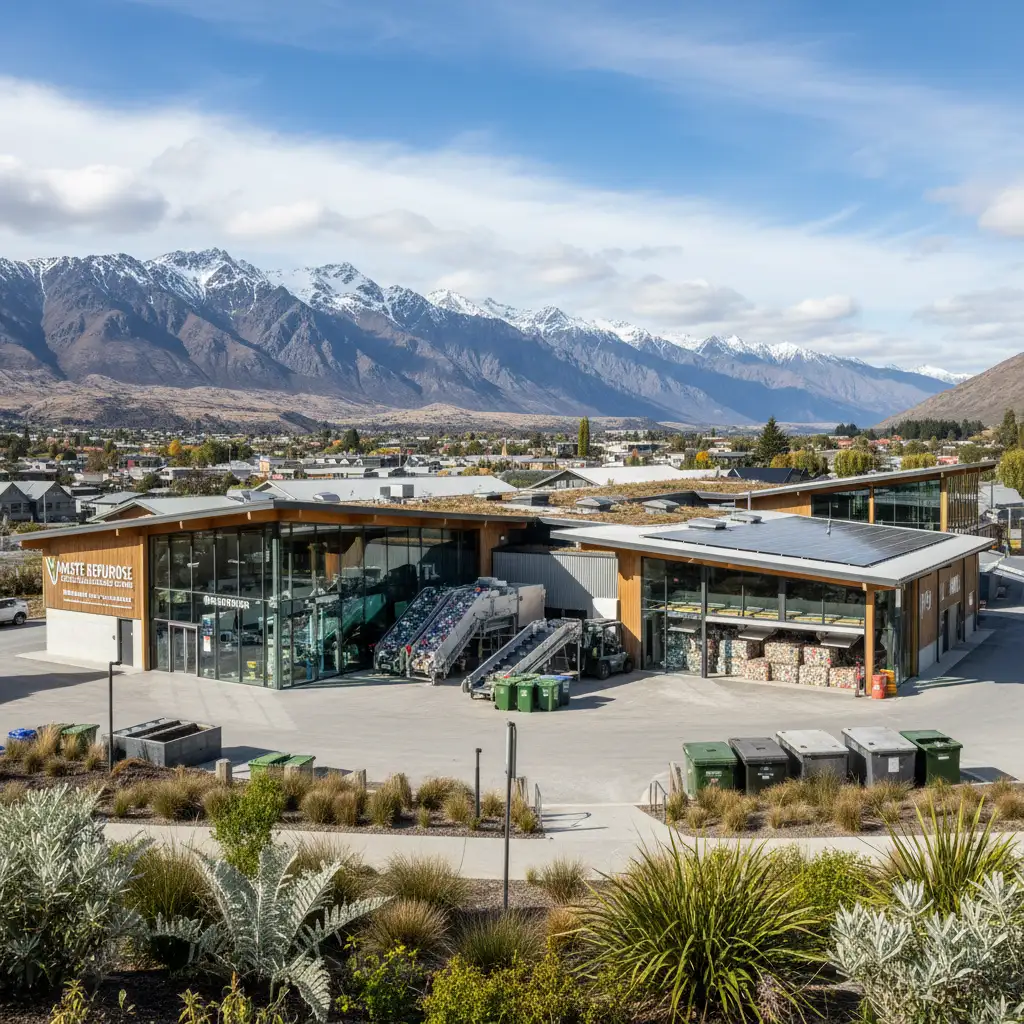
In high-volume destinations, the sheer volume of waste generated by tourists can overwhelm local processing capabilities, leading to increased methane emissions from landfills. Effective tourism carbon footprint mitigation must therefore include a robust circular economy framework. This involves moving beyond simple recycling toward a system of waste elimination at the source.
Many New Zealand tourism hubs have implemented strict “zero-waste” initiatives. This includes the banning of single-use plastics in hotels and the mandatory composting of organic waste from restaurants and cafes. In alpine regions, where waste removal is logistically difficult and energy-intensive, operators are utilizing on-site biodigesters to convert food waste into energy or fertilizer, significantly lowering the carbon costs associated with waste transport.
Furthermore, the “Leave No Trace” philosophy is being institutionalized through the Tiaki Promise. This cultural framework encourages visitors to act as guardians of the land (kaitiakitanga), which includes minimizing their waste footprint. By educating tourists on the carbon impact of their consumption habits, destinations can foster a more responsible visitor profile that actively participates in mitigation efforts.
What are effective seasonal carbon offsetting strategies?
While reduction is the priority, some emissions are currently unavoidable. Carbon offsetting serves as a secondary but necessary tool for tourism carbon footprint mitigation. In New Zealand, the focus is shifting from generic global credits to local, high-integrity sequestration projects that provide ecological co-benefits.
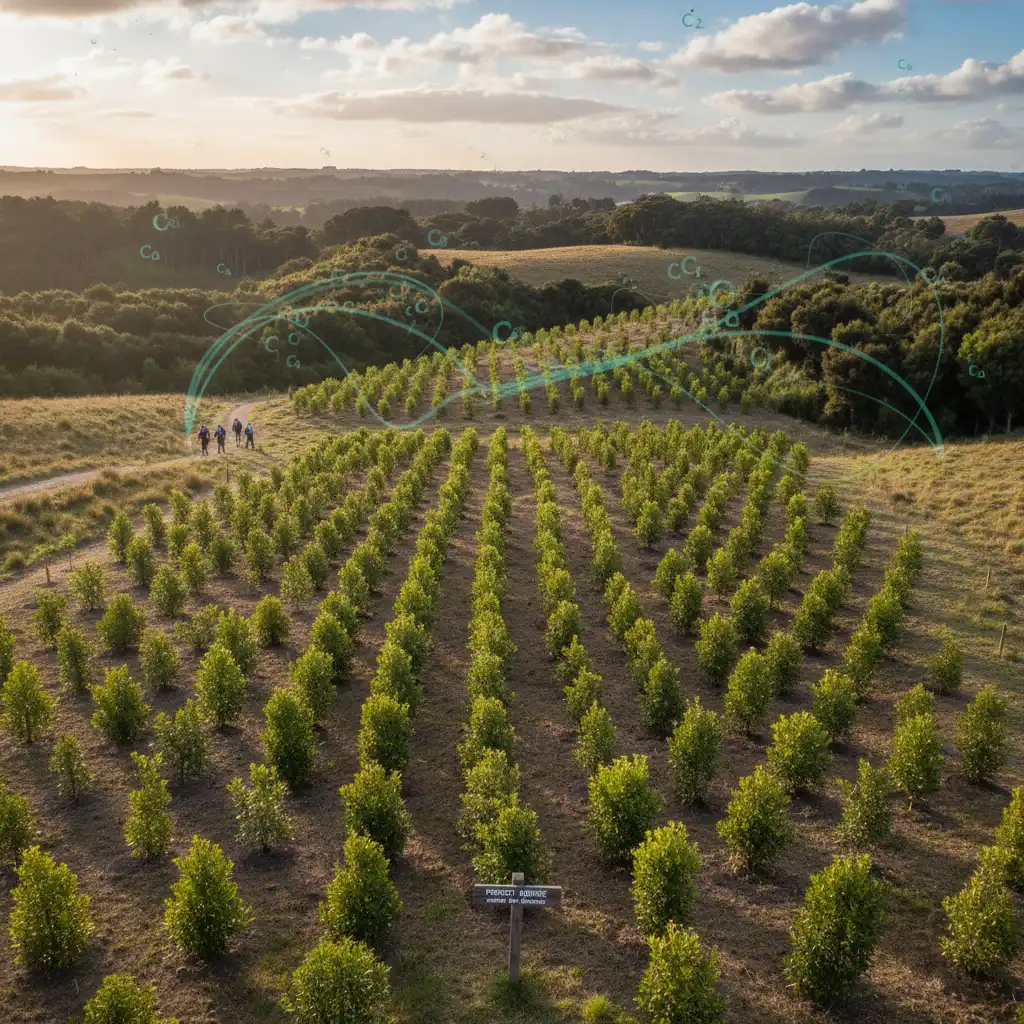
Seasonal offsetting strategies involve calculating the specific carbon debt of a peak season and funding local reforestation or blue carbon projects to balance it. For instance, a ski resort might calculate its seasonal energy and transport footprint and invest in the restoration of nearby native beech forests. These projects not only sequester carbon but also enhance biodiversity and provide flood protection, adding value back to the tourism product itself.
The New Zealand Emissions Trading Scheme (ETS) provides the regulatory backbone for these efforts, but voluntary markets are where most tourism businesses operate. To ensure transparency and avoid “greenwashing,” many operators are seeking third-party certifications like Toitū Envirocare. These certifications provide tourists with confidence that their carbon-neutral claims are backed by rigorous scientific measurement and verified local impact.
NZ Climate Compliance and Policy Frameworks
New Zealand’s approach to tourism carbon footprint mitigation is governed by the Climate Change Response (Zero Carbon) Amendment Act. This legislation sets the framework for the country’s transition to a low-emissions economy. For the tourism sector, this means aligning with the “Tourism Environment Action Plan,” which outlines specific pathways for decarbonization across transport, accommodation, and activities.
Compliance is increasingly becoming a requirement for market access. International travelers, particularly from Europe and North America, are prioritizing destinations with strong environmental credentials. Consequently, New Zealand businesses that fail to adopt mitigation strategies risk losing their competitive edge. The government provides support through the Government Investment in Decarbonising Industry (GIDI) fund, which helps large-scale tourism operators transition away from fossil-fuel-based heating and energy systems.
The Future of Sustainable Tourism in Aotearoa
The long-term goal for tourism carbon footprint mitigation in New Zealand is the realization of regenerative tourism. This goes beyond “doing no harm” to actively improving the environment and communities that host visitors. As technology evolves, we can expect to see the full electrification of the rental fleet, the introduction of zero-emission coastal shipping for tourists, and the widespread use of artificial intelligence to optimize tourist flows and minimize congestion-related emissions.
Success will depend on a partnership between the public and private sectors, guided by the principles of Te Tiriti o Waitangi. By centering indigenous knowledge and a long-term view of environmental stewardship, New Zealand can lead the world in creating a tourism model that is both economically vibrant and carbon-neutral.
People Also Ask
How do you calculate a tourist’s carbon footprint?
A tourist’s carbon footprint is calculated by aggregating the emissions from their transport (flights, cars, buses), accommodation energy use, food consumption, and activities. Specialized calculators use emission factors (kg of CO2 per unit of activity) to provide a total metric ton equivalent for the trip.
What are the most effective ways to reduce tourism emissions?
The most effective ways include switching to electric transport, choosing energy-efficient accommodations, reducing long-haul flights, and supporting local food systems to minimize ‘food miles’ and associated transport emissions.
Is carbon offsetting mandatory for NZ tourism businesses?
Currently, carbon offsetting is largely voluntary for most tourism businesses in New Zealand. However, those participating in the Emissions Trading Scheme (ETS) due to large-scale energy use or fuel distribution have mandatory obligations.
How does peak season affect New Zealand’s carbon goals?
Peak seasons create localized ’emissions hotspots’ that can strain renewable energy resources and lead to the use of gas or coal-fired peaking plants. Managing these spikes is crucial for meeting annual carbon reduction targets.
What is the Tiaki Promise in relation to sustainability?
The Tiaki Promise is a commitment to care for New Zealand, now and for future generations. It acts as a behavioral framework for tourists to act sustainably, which directly supports carbon mitigation through reduced waste and more mindful travel.
Which transport mode has the lowest carbon footprint for NZ travel?
Walking, cycling, and e-biking have the lowest footprints. For longer distances, electric trains and electric buses are the most efficient low-carbon options currently available for tourists in New Zealand.
About The Author
