Supply Chain Emissions Tracking
Supply chain emissions tracking NZ refers to the systematic measurement and reporting of greenhouse gas emissions across a company’s entire value chain. This process focuses heavily on Scope 3 emissions, ensuring compliance with New Zealand’s Climate Change Response (Zero Carbon) Amendment Act and mandatory climate-related disclosure standards for financial institutions and large enterprises.
Why is supply chain emissions tracking NZ important for your business?
In the current New Zealand business landscape, supply chain emissions tracking is no longer a voluntary exercise in corporate social responsibility; it is a strategic necessity. With the introduction of the Climate-related Disclosures (CRD) framework by the External Reporting Board (XRB), approximately 200 large financial organizations in New Zealand are now required to report their climate risks and emissions. This regulatory pressure trickles down to every supplier within their ecosystem. Businesses that fail to provide accurate carbon data risk losing contracts with major entities that are legally bound to report their Scope 3 footprints. Beyond compliance, tracking emissions allows Kiwi businesses to identify inefficiencies, reduce operational costs, and align with the national goal of reaching net-zero emissions by 2050.

How to identify emission hotspots in your value chain?
The first step in effective supply chain emissions tracking NZ is identifying where the majority of carbon output occurs. These are known as ’emission hotspots.’ For many New Zealand industries, particularly in the export and manufacturing sectors, hotspots are often found in upstream transportation, raw material extraction, and energy-intensive processing. To identify these, businesses must conduct a high-level screening of their categories of spend. By categorizing suppliers and services, companies can apply ‘spend-based’ emission factors to estimate where the largest impacts lie. For instance, a construction firm in Auckland might find that the embodied carbon in imported steel and concrete constitutes 80% of its supply chain footprint. Once these hotspots are pinpointed, the business can transition from generic spend-based data to more accurate activity-based data, focusing their reduction efforts where they will have the most significant impact on the national carbon budget.
Analyzing Upstream vs Downstream Impacts
It is vital to distinguish between upstream activities (purchased goods, business travel, and waste) and downstream activities (distribution and product use). In the New Zealand context, where our geographic isolation necessitates long-distance shipping, downstream logistics often represent a massive portion of the total footprint. Identifying these specific areas allows for targeted interventions, such as shifting from air freight to sea freight or optimizing local delivery routes using telematics and electric vehicle fleets.
What are effective supplier engagement strategies?
Engaging suppliers is perhaps the most challenging yet rewarding aspect of supply chain emissions tracking NZ. Since Scope 3 emissions are essentially the Scope 1 and 2 emissions of your suppliers, collaboration is the only way to drive meaningful reduction. A successful strategy begins with clear communication of expectations. New Zealand businesses should incorporate carbon reporting requirements into their procurement policies and supplier codes of conduct. However, engagement should not be purely punitive. Leading Kiwi organizations are now offering support to their smaller SME suppliers, who may lack the resources to calculate their own footprints. This can include providing access to carbon accounting software, hosting educational workshops, or offering longer-term contracts to suppliers who demonstrate a commitment to decarbonization. By fostering a partnership-based approach, businesses create a resilient supply chain that is prepared for future carbon pricing and regulatory shifts.

Setting Science-Based Targets for Suppliers
Encouraging suppliers to set Science-Based Targets (SBTi) ensures that their reduction goals are in line with the latest climate science. In New Zealand, many organizations are aligning their supplier requirements with the ‘Toitū carbonreduce’ or ‘CarbonClick’ frameworks, which provide a localized context for emission factors and reduction pathways. When suppliers see that their clients are serious about these targets, it incentivizes them to invest in renewable energy and more efficient machinery.
What are the primary data collection challenges in NZ?
Data collection remains the primary hurdle for supply chain emissions tracking NZ. Many businesses suffer from ‘data gaps,’ where suppliers either do not track their emissions or provide inconsistent information. In New Zealand, the prevalence of small and medium-sized enterprises (SMEs) means that much of the supply chain is comprised of businesses that are just beginning their sustainability journey. This leads to a reliance on secondary data—industry averages that may not accurately reflect the specific carbon intensity of a local supplier. Furthermore, the lack of a standardized reporting format can lead to ‘double counting’ or omissions. To overcome these challenges, companies are increasingly turning to specialized software solutions that automate data collection and provide a centralized platform for supplier input. These tools often use the Greenhouse Gas Protocol (GHG Protocol) as a foundation, ensuring that the data is robust enough to withstand external audits and meet XRB standards.

Transitioning from Spend-Based to Activity-Based Data
While spend-based data (calculating emissions based on the dollar amount spent) is a good starting point, it is often inaccurate. For example, if a supplier increases their prices, a spend-based model would suggest their emissions have increased, even if their operations remained the same. Moving to activity-based data—such as liters of fuel consumed or kilowatt-hours of electricity used—is essential for high-quality supply chain emissions tracking NZ. This transition requires deep trust and transparency between procurement teams and their vendors.
How does the NZ Zero Carbon Act influence reporting?
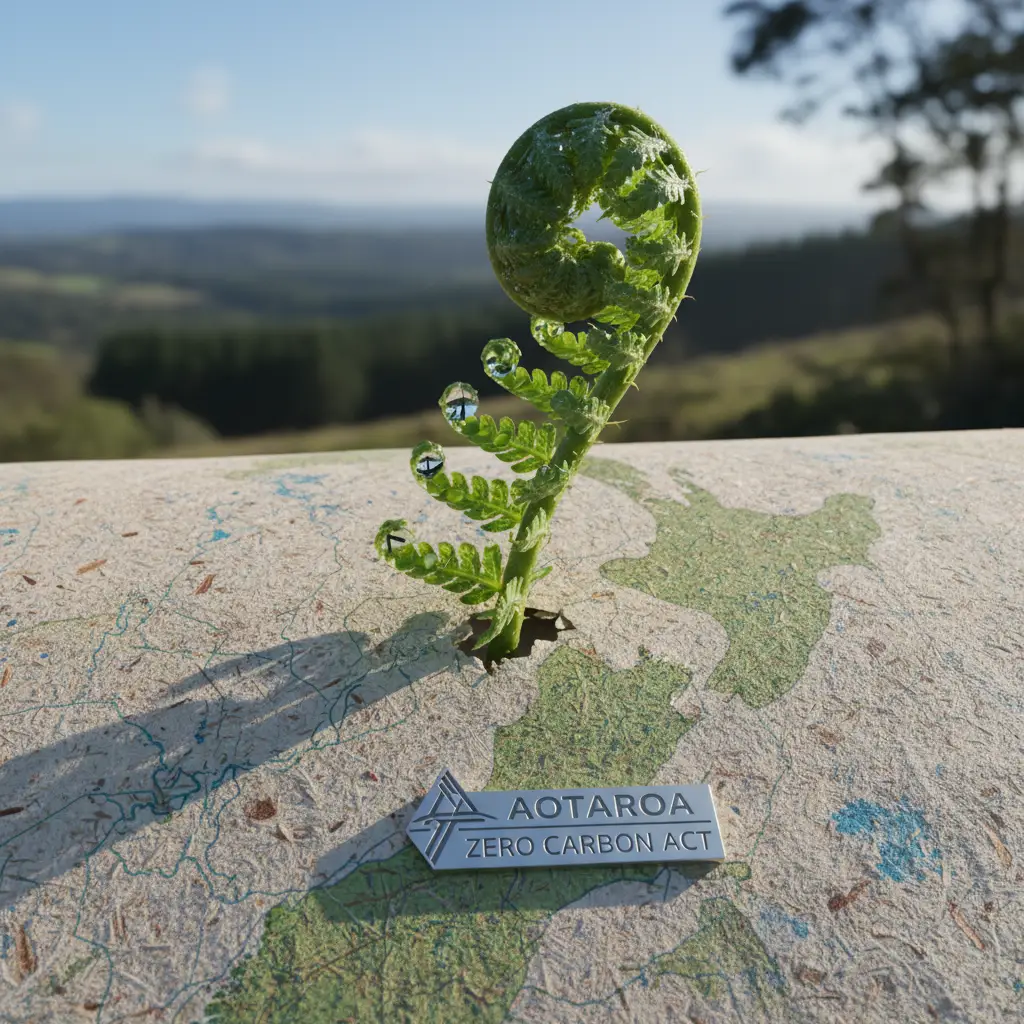
The Climate Change Response (Zero Carbon) Amendment Act 2019 is the cornerstone of New Zealand’s climate policy. It sets a legally binding target for New Zealand to reduce all greenhouse gases (except biogenic methane) to net zero by 2050. For businesses, this act serves as the ultimate driver for supply chain emissions tracking NZ. The government’s commitment to this target means that policy levers, such as the Emissions Trading Scheme (ETS) prices, will continue to rise, making high-carbon supply chains increasingly expensive. Furthermore, the Act established the Climate Change Commission, which provides independent advice to the government on emissions budgets. These budgets influence regional and national infrastructure projects, procurement rules, and environmental regulations. Businesses that proactively track and reduce their supply chain emissions are essentially ‘future-proofing’ themselves against the inevitable tightening of carbon regulations that the Zero Carbon Act mandates.
What tools and frameworks are available for NZ businesses?
Several frameworks and tools are specifically tailored to help with supply chain emissions tracking NZ. The most widely recognized is the Greenhouse Gas Protocol, which provides the global standard for measuring Scope 1, 2, and 3 emissions. In New Zealand, Toitū Envirocare offers certification programs like ‘Toitū carbonreduce’ and ‘Toitū net carbonzero,’ which are highly respected and provide a clear roadmap for businesses to follow. Additionally, the Sustainable Business Network (SBN) provides resources and toolkits specifically for SMEs to begin their carbon journey. For larger enterprises, software platforms like Persefoni, Watershed, or local New Zealand innovations like CarbonClick allow for real-time monitoring of supplier data. These tools often integrate with existing ERP systems, making it easier to pull financial and operational data into a single carbon accounting view. Utilizing these frameworks ensures that a business’s reporting is transparent, comparable, and ready for the scrutiny of investors and regulators alike.
Future Outlook: Emissions Tracking in a Circular Economy
Looking forward, supply chain emissions tracking NZ will increasingly intersect with the principles of the circular economy. Rather than just measuring the carbon footprint of ‘cradle-to-gate’ (from raw material to factory exit), businesses will be expected to track ‘cradle-to-grave’ or ‘cradle-to-cradle’ emissions. This involves understanding the carbon impact of a product throughout its entire life, including how it is disposed of or recycled at the end of its use. In New Zealand, where waste management is a significant contributor to methane emissions, focusing on product circularity can drastically reduce a company’s Scope 3 profile. As consumer demand for sustainable products grows, the ability to provide a verified, low-carbon product lifecycle will become a major competitive advantage for New Zealand exporters on the global stage.
What are Scope 3 emissions in NZ?
Scope 3 emissions are indirect emissions that occur in a company’s value chain, including both upstream and downstream activities such as purchased goods, waste disposal, and transportation. In New Zealand, these often make up the largest portion of a business’s total carbon footprint.
Is emissions reporting mandatory in NZ?
Yes, for large financial institutions, listed issuers, and some government agencies under the Climate-related Disclosures (CRD) framework. While not yet mandatory for all SMEs, many are required to report to their larger corporate clients who are subject to these laws.
How do I track supplier emissions?
Tracking begins by identifying key suppliers, requesting their carbon data via surveys or portals, and using software to calculate emissions based on spend or activity data. Frameworks like the GHG Protocol provide the standard methodology for this process.
What is the Zero Carbon Act NZ?
The Climate Change Response (Zero Carbon) Amendment Act 2019 is legislation that sets a framework for New Zealand to develop climate policies that align with the Paris Agreement, targeting net-zero emissions by 2050.
What tools help with carbon tracking in NZ?
Popular tools include Toitū Envirocare certifications, CarbonClick, and international platforms like Persefoni. The Sustainable Business Network also offers a free Climate Action Toolbox for smaller Kiwi businesses.
How does supply chain tracking affect NZ SMEs?
SMEs are increasingly asked by larger partners and government departments to provide carbon data during procurement. Effective tracking allows SMEs to remain competitive, reduce costs, and prepare for future environmental regulations.
About The Author
