Business Decarbonisation Roadmap
Business decarbonisation in NZ is the strategic framework used by enterprises to eliminate greenhouse gas emissions, aligning with the Climate Change Response (Zero Carbon) Amendment Act 2019. It involves measuring footprints, setting science-based targets, and implementing operational changes to reach net-zero emissions, ensuring long-term resilience and compliance within New Zealand’s evolving regulatory landscape.
The Regulatory Context: NZ Zero Carbon Act
The journey toward business decarbonisation nz begins with understanding the legal landscape. The Climate Change Response (Zero Carbon) Amendment Act 2019 provides the framework by which New Zealand aims to deliver on its Paris Agreement commitments. This legislation mandates a net-zero target for all greenhouse gases (except biogenic methane) by 2050. For businesses, this is no longer a voluntary exercise in corporate social responsibility; it is a fundamental shift in how value is created and protected.
New Zealand’s unique emissions profile, heavily weighted toward agriculture and transport, means that the business sector faces specific pressures. The introduction of mandatory climate-related disclosures (CRD) for large financial entities, overseen by the External Reporting Board (XRB), has created a trickle-down effect. Even if your business is not legally required to report, your bank, insurers, or large corporate clients likely are, and they will increasingly demand data on your carbon performance.
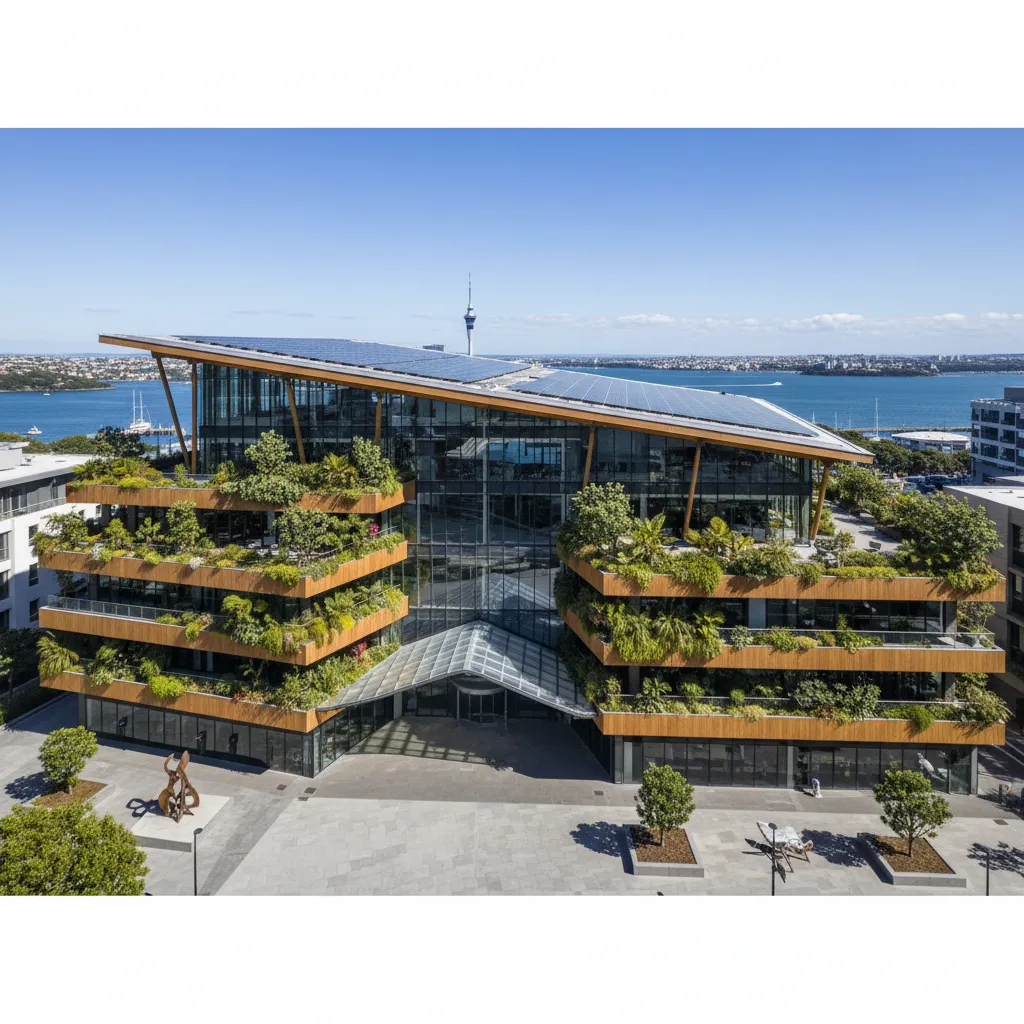
Setting Science-Based Targets (SBTi)
What is a science-based target? A science-based target provides a clearly defined pathway for companies to reduce greenhouse gas emissions in line with what the latest climate science deems necessary to meet the goals of the Paris Agreement—limiting global warming to 1.5°C above pre-industrial levels.
For a business decarbonisation nz strategy to be credible, it must move beyond vague promises. The Science Based Targets initiative (SBTi) is the global gold standard for this. Setting these targets involves a rigorous process of calculating your base-year emissions and determining a year-on-year reduction percentage that aligns with global decarbonisation trajectories. This ensures that your business is doing its fair share of the work required to prevent the worst impacts of climate change.
How do you align with the 1.5-degree pathway?
Aligning with the 1.5°C pathway requires an absolute reduction in emissions, rather than just a reduction in intensity (emissions per unit of revenue). For most NZ businesses, this means identifying the most carbon-intensive parts of their operations and applying aggressive reduction strategies. This might include a total phase-out of fossil fuel use in process heat or a complete transition of the corporate fleet to electric vehicles (EVs) within a decade.
Measuring Your Carbon Footprint
You cannot manage what you do not measure. The first practical step in any business decarbonisation nz roadmap is a comprehensive carbon audit. This is typically categorised into three ‘Scopes’ as defined by the Greenhouse Gas Protocol:
- Scope 1: Direct emissions from sources owned or controlled by the company (e.g., company vehicles, onsite boilers).
- Scope 2: Indirect emissions from the generation of purchased energy (e.g., electricity used in the office).
- Scope 3: All other indirect emissions that occur in a company’s value chain (e.g., business travel, waste disposal, and the emissions of your suppliers).
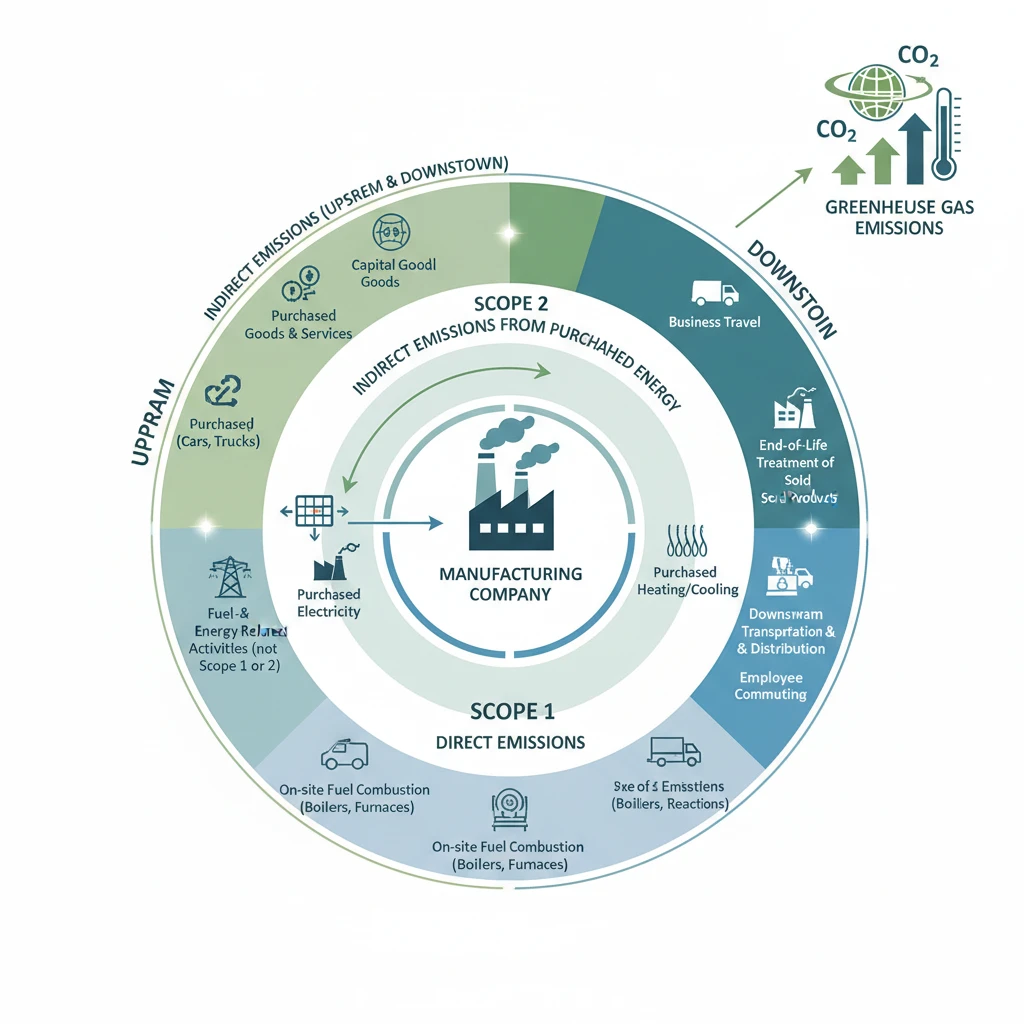
In New Zealand, many businesses find that while their Scope 2 emissions are relatively low due to our high percentage of renewable electricity, their Scope 1 (transport and heat) and Scope 3 (supply chain) emissions are significant. Tools like the Carbon Footprint Calculator provided by the Sustainable Business Network or professional auditing services help establish this baseline.
Energy Efficiency Upgrades: The Low-Hanging Fruit
How do you reduce emissions without massive capital expenditure? The answer lies in energy efficiency. Before investing in expensive new technologies, businesses should look to optimise their existing infrastructure. Energy efficiency is often the most cost-effective way to begin business decarbonisation nz, as it simultaneously reduces carbon output and operational costs.
Key areas for efficiency upgrades include:
- HVAC Systems: Heating, ventilation, and air conditioning often account for the bulk of a commercial building’s energy use. Regular maintenance, smart thermostats, and modern insulation can reduce energy demand by up to 30%.
- Lighting: Transitioning to LED lighting with motion sensors is a simple, high-ROI project.
- Industrial Motors: For manufacturing firms, upgrading to variable speed drives (VSDs) ensures that motors only use the energy required for the specific task at hand.
By reducing the total amount of energy required, businesses make the subsequent transition to renewable energy sources much smaller and more affordable.
Transitioning to Renewables and Electrification
New Zealand is in a unique position where over 80% of our electricity comes from renewable sources (hydro, wind, and geothermal). However, many businesses still rely on fossil fuels—primarily coal and natural gas—for process heat and transport. Transitioning to renewables is the “heavy lifting” phase of business decarbonisation nz.
Why is the electrification of heat vital?
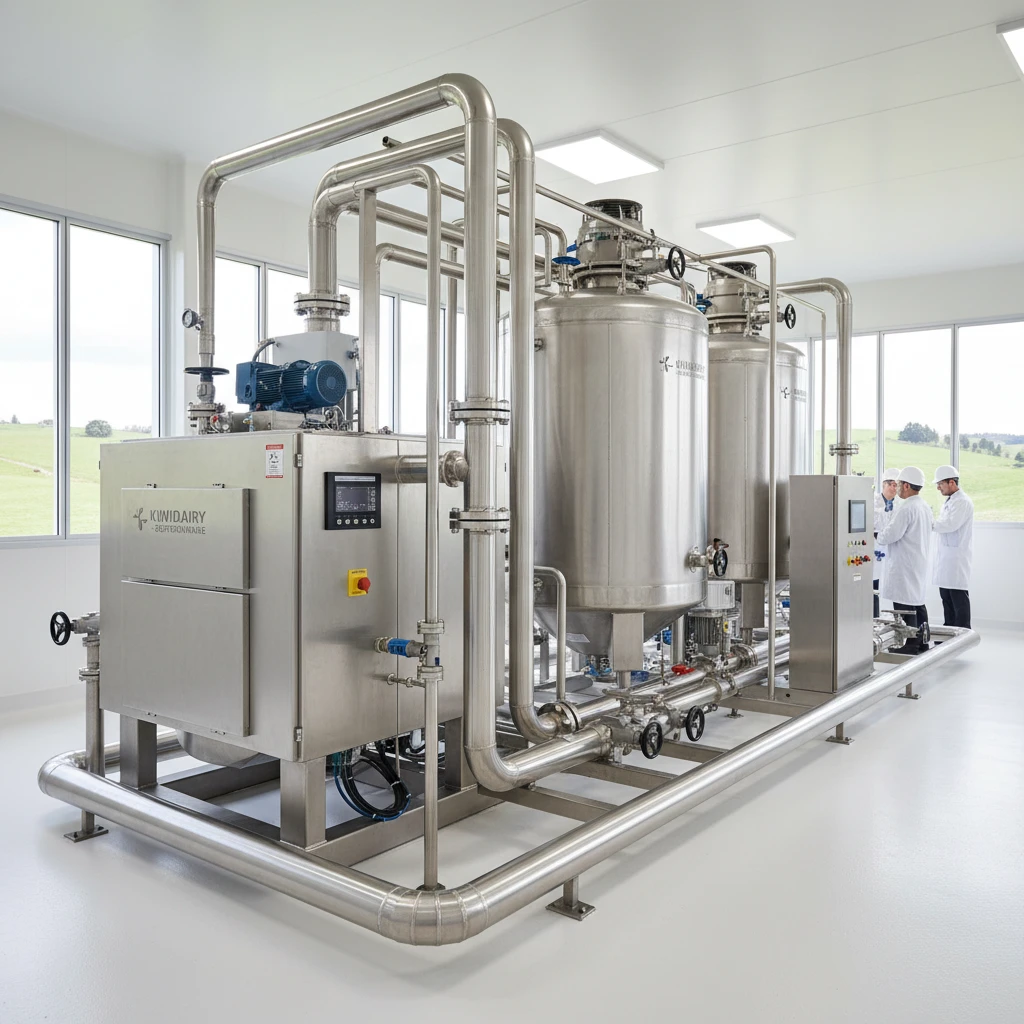
For many industrial and food-processing businesses in NZ, process heat is the largest source of emissions. Replacing coal-fired boilers with high-temperature heat pumps or biomass boilers is a critical step. While the upfront cost of an industrial heat pump can be high, the long-term carbon savings and protection from rising Emissions Trading Scheme (ETS) prices make it a sound investment. The Government’s GIDI (Government Investment in Decarbonising Industry) fund has been instrumental in helping NZ firms bridge this financial gap.
The role of on-site renewable generation
Installing solar PV arrays on warehouse roofs or office buildings allows businesses to generate their own clean energy. This not only reduces Scope 2 emissions but also provides energy security and protection against fluctuating grid prices. In NZ, solar technology has reached a point of commercial maturity where the payback periods are increasingly attractive for large-scale installations.
Managing Scope 3 and Supply Chain Emissions
For most organisations, Scope 3 emissions represent the largest portion of their carbon footprint—often over 70%. These are the emissions generated by your suppliers, the use of your products by customers, and the disposal of those products. Tackling Scope 3 is the next frontier of business decarbonisation nz.
Strategies for Scope 3 reduction include:
- Sustainable Procurement: Updating procurement policies to favour suppliers with their own science-based targets.
- Circular Economy Principles: Designing products for longevity, repairability, and recyclability to reduce end-of-life emissions.
- Logistics Optimisation: Working with freight partners to move goods via rail or sea rather than road, and exploring the use of hydrogen or electric heavy transport as they become available in the NZ market.
Government Support and Funding in NZ
Businesses do not have to navigate the decarbonisation roadmap alone. The New Zealand government, primarily through the Energy Efficiency and Conservation Authority (EECA), offers a range of support mechanisms. This includes technical advice, energy audits, and co-funding for decarbonisation projects.
The GIDI fund is a standout example, providing millions of dollars in co-investment for projects that significantly reduce stationary energy emissions. Additionally, the ‘Business Energy Check’ tool and various sector-specific programmes provide tailored advice for SMEs who may not have the resources of a large multinational but still wish to pursue business decarbonisation nz.

Reporting, Transparency, and the XRB
The final pillar of the roadmap is transparent reporting. In New Zealand, the External Reporting Board (XRB) has issued the Aotearoa New Zealand Climate Standards. These standards require affected entities to disclose their climate-related risks and opportunities, as well as their greenhouse gas emissions.
Even for businesses not covered by the mandate, following these reporting standards is a best practice. It builds trust with stakeholders, including investors, employees, and customers. Transparency about your challenges is just as important as celebrating your successes; the market values a realistic and honest roadmap over “greenwashed” marketing claims. By documenting your journey, you contribute to a broader culture of accountability in the NZ business community.
People Also Ask
What is the NZ Zero Carbon Act?
The Climate Change Response (Zero Carbon) Amendment Act 2019 is New Zealand’s legislative framework for climate action. It sets a target for net-zero greenhouse gas emissions (except biogenic methane) by 2050 and establishes the Climate Change Commission to provide independent advice to the government.
How can small NZ businesses start decarbonising?
Small businesses can start by measuring their footprint using free tools, switching to 100% renewable electricity providers, replacing petrol vehicles with EVs, and focusing on waste reduction and energy-efficient lighting and heating.
What are Scope 3 emissions in an NZ context?
Scope 3 emissions are indirect emissions in a company’s value chain. In NZ, this often includes emissions from imported goods, employee commuting, business travel, and the carbon footprint of third-party logistics and freight providers.
Does the NZ government offer grants for decarbonisation?
Yes, the Energy Efficiency and Conservation Authority (EECA) provides various grants and co-funding opportunities, such as the GIDI fund, which supports businesses in switching from fossil fuels to renewable energy for industrial processes.
What is the difference between carbon offsets and reduction?
Reduction involves actually eliminating emissions from your operations (e.g., switching to an EV). Offsetting involves paying for an external project (like tree planting) to compensate for emissions you haven’t yet eliminated. Reduction is always the priority in a science-based roadmap.
Why is science-based targeting important for NZ exporters?
Global supply chains are increasingly demanding low-carbon products. NZ exporters who set science-based targets remain competitive in markets like the EU and North America, where carbon border taxes and strict sustainability criteria are becoming the norm.
About The Author
