Sustainable Event Management NZ
Sustainable events in NZ involve planning and executing gatherings that minimize negative environmental impacts while supporting local communities. This includes reducing carbon footprints, achieving carbon neutral certification, and adhering to NZ’s climate compliance regulations. By integrating circular economy principles, organizers ensure long-term viability in New Zealand’s transition to a low-emissions economy.
The Compliance Landscape of NZ Events: Why Sustainability is Non-Negotiable
In the wake of the Climate Change Response (Zero Carbon) Amendment Act 2019, New Zealand has committed to a net-zero carbon future by 2050. For the events industry, this isn’t just a moral imperative; it is a commercial necessity. Organizations across Aotearoa are increasingly required to report on their Scope 3 emissions, which include the carbon footprint of the events they host or attend. Sustainable event management in NZ has evolved from a “nice-to-have” feature to a core requirement for corporate governance and public sector procurement.
The New Zealand market is uniquely positioned due to its reliance on international tourism and high-profile business events. As global scrutiny on corporate travel intensifies, NZ-based events must demonstrate rigorous environmental stewardship to remain competitive. This involves a deep dive into supply chain ethics, waste diversion metrics, and verifiable carbon offsetting. By aligning with the United Nations Sustainable Development Goals (SDGs), event organizers can provide the transparency that modern stakeholders demand.
Reducing the Carbon Footprint of Conferences
How can organizers effectively reduce the carbon footprint of conferences? The most impactful strategy is a ‘reduction-first’ approach, focusing on energy efficiency, waste elimination, and digital transformation before considering carbon offsets.
Waste Minimisation and Circularity
Traditional conferences generate a staggering amount of waste, from single-use plastics to discarded marketing materials. In New Zealand, the movement toward ‘Zero Waste’ events is supported by local council initiatives and commercial waste management specialists. Implementing a circular model involves eliminating physical ‘swag bags’ in favor of digital alternatives and ensuring all onsite materials are compostable or recyclable. Partnering with organizations like ‘Waste-Free Celebrations’ or local community gardens for composting can significantly lower the landfill footprint of a large-scale gathering.
Energy Efficiency and Digital Integration
Energy consumption at venues is a primary contributor to an event’s carbon profile. Choosing venues that utilize renewable energy sources—leveraging New Zealand’s high percentage of hydro and wind power—is a critical first step. Furthermore, the integration of hybrid event models allows for a reduction in physical attendance without sacrificing reach. High-quality live-streaming services reduce the need for domestic and international travel, which is often the largest portion of an event’s total emissions.
Sustainable Catering and Venue Selection: A Kiwi Approach
Selecting the right venue and catering partner is the cornerstone of sustainable events in NZ. The choice of venue dictates the baseline energy use, accessibility via public transport, and waste management capabilities.
Eco-Certified Venues
New Zealand boasts several world-class venues with high environmental ratings, such as Te Pae Christchurch Convention Centre and SkyCity in Auckland. These facilities often hold Qualmark Gold or EarthCheck certifications. When evaluating a venue, organizers should inquire about their Building Management Systems (BMS), LED lighting adoption, and water conservation practices. A venue with built-in sustainability infrastructure reduces the logistical burden on the event planner.

Sustainable Catering and Kai
Catering is often where an event’s environmental impact is most visible. In NZ, sustainable catering focuses on ‘Kai’—food that is locally sourced, seasonal, and ethically produced. Reducing meat consumption, particularly beef and lamb which have higher methane profiles, and increasing plant-based options is a highly effective way to lower the carbon footprint. Furthermore, sourcing from local producers reduces ‘food miles’ and supports the local economy. Organizers should insist on ‘naked’ catering—where food is delivered without plastic wrapping—and use reusable glassware and cutlery.
Carbon Neutral Event Certification: The Toitū Standard
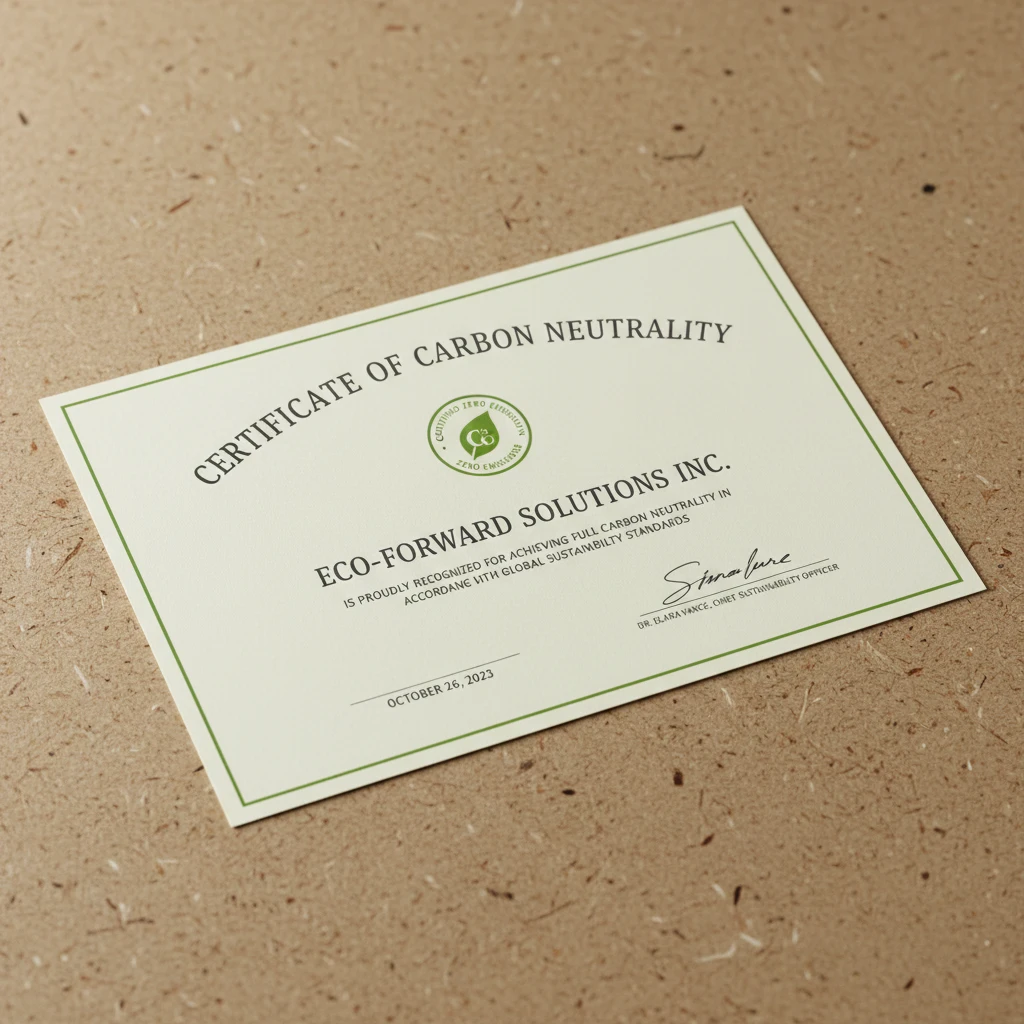
For an event to claim it is truly ‘sustainable,’ third-party verification is essential. In New Zealand, Toitū Envirocare provides the gold standard for carbon certification. But what does the process of achieving carbon neutral event certification actually look like?
The process begins with a comprehensive audit of all emission sources associated with the event. This includes electricity use, freight, staff travel, waste, and catering. Once the total carbon footprint is calculated, the organizer must demonstrate a commitment to reduction. The remaining, unavoidable emissions are then offset through the purchase of high-quality carbon credits. These credits often support New Zealand-based projects, such as permanent native forest restoration, which provides additional biodiversity benefits.
Achieving a ‘Toitū net carbonzero’ event certification provides a powerful marketing tool. It signals to attendees and sponsors that the organizers have met rigorous international standards (ISO 14064-1) and are taking genuine responsibility for their environmental impact. This level of transparency is crucial for avoiding ‘greenwashing’ and building trust within the NZ climate compliance framework.
Measuring Attendee Travel Emissions: The Scope 3 Challenge
In the context of New Zealand’s geography, attendee travel often accounts for 70-90% of an event’s total carbon footprint. Measuring and mitigating these emissions is the most challenging aspect of sustainable event management.
Data Collection and Calculation
To accurately measure travel emissions, organizers must collect data on the point of origin and mode of transport for every attendee. This can be integrated into the registration process. Using emission factors provided by the Ministry for the Environment (MfE), planners can calculate the CO2-e (carbon dioxide equivalent) for flights, train journeys, and car travel. Short-haul flights within NZ often have a higher emission intensity per kilometer than long-haul flights due to the energy required for takeoff and landing relative to the distance traveled.
Mitigation and Offsetting Travel
While organizers cannot always control how attendees travel, they can influence it. Providing incentives for using public transport, arranging group shuttles from airports, or offering ‘carbon offset’ add-ons during ticket purchase are effective strategies. Some forward-thinking NZ events are now including the cost of carbon offsets in the ticket price by default, making the event ‘carbon neutral’ for the attendee from the moment they book. This proactive approach simplifies the process for the participant and ensures 100% coverage of travel-related emissions.
Implementation Strategies for Event Planners
Moving from theory to practice requires a structured implementation strategy. For NZ event planners, this means integrating sustainability into the very first stages of the procurement process. Request for Proposals (RFPs) should include specific questions about a vendor’s environmental policies and their ability to provide data for carbon reporting.
Furthermore, the use of technology is paramount. There are now several event management software platforms specifically designed to track sustainability KPIs. These tools can monitor everything from real-time energy use to the weight of diverted waste. By setting clear benchmarks and reporting on them post-event, organizers can drive continuous improvement and demonstrate a clear ROI on their sustainability initiatives.
Finally, communication is key. Telling the ‘sustainability story’ of the event helps to engage attendees and encourages them to adopt more sustainable behaviors themselves. Whether it’s through signage explaining the composting process or a keynote session on the event’s carbon journey, transparency fosters a culture of climate responsibility that extends far beyond the conference walls.
What are the key regulations for sustainable events in NZ?
The primary regulatory framework is the Climate Change Response (Zero Carbon) Amendment Act 2019, which mandates emission reductions across all sectors. While there isn’t a specific ‘Event Law,’ corporate reporting requirements for Scope 3 emissions mean that large organizations must track the footprint of their events to remain compliant with NZ’s climate goals.
How much does carbon neutral certification cost for an event?
The cost varies based on the size of the event and the complexity of the audit. Generally, it includes a fee for the auditing body (like Toitū) and the cost of the carbon credits themselves. For a medium-sized conference, this might range from a few thousand to tens of thousands of dollars, often representing less than 1-2% of the total event budget.
What is the most sustainable venue in New Zealand?
While several venues are leaders, Te Pae Christchurch and SkyCity Auckland are frequently cited for their advanced sustainability features. However, the ‘most sustainable’ venue is often the one closest to your attendees to minimize travel emissions, which usually outweigh the operational footprint of the building itself.
Can I host a zero-waste event in a rural NZ location?
Yes, but it requires more planning. You will need to coordinate with local providers for composting and recycling collection. Many rural areas in NZ have strong community-led waste initiatives. The key is to ensure that all materials brought to the site are ‘designed for disposal’ within the local infrastructure.
How do I calculate flight emissions for international speakers?
You can use the Ministry for the Environment (MfE) emission factors or tools provided by ICAO. You need to know the flight distance, the class of travel (business class has a higher footprint due to space), and whether to include Radiative Forcing (RF) which accounts for the non-CO2 climate impacts of aviation at high altitudes.
Is carbon offsetting just ‘greenwashing’?
It can be if it’s the only action taken. In the NZ context, offsetting should only occur after every effort has been made to reduce emissions. To avoid greenwashing, ensure credits are ‘gold standard,’ verifiable, and ideally support local NZ permanent forestry projects that provide genuine additionality.
About The Author
