Business Decarbonisation Roadmap
Business decarbonisation in NZ is the strategic process of eliminating greenhouse gas emissions from corporate operations to meet the mandates of the Climate Change Response (Zero Carbon) Amendment Act. It involves measuring carbon footprints, setting science-based targets, and implementing energy efficiency and renewable energy transitions to achieve a net-zero economy by 2050.
Why is Business Decarbonisation NZ Critical Now?
In the current global economic environment, the drive toward sustainability has shifted from a voluntary corporate social responsibility initiative to a core business necessity. In Aotearoa New Zealand, this transition is underpinned by the Climate Change Response (Zero Carbon) Amendment Act 2019. This landmark legislation provides a framework by which New Zealand can develop and implement clear climate change policies that contribute to the global effort under the Paris Agreement. For businesses operating within this jurisdiction, the roadmap to decarbonisation is no longer optional; it is a vital component of long-term viability, regulatory compliance, and brand reputation.
New Zealand’s unique emissions profile, heavily influenced by agriculture and a high-renewable electricity grid, creates specific challenges and opportunities for local enterprises. While the national grid is already approximately 80-85% renewable, the remaining portion—along with industrial process heat and transport—represents a significant hurdle. Business decarbonisation NZ strategies must therefore focus on the deep electrification of heat, the transition of commercial fleets to electric vehicles (EVs), and the rigorous management of supply chain emissions. As the New Zealand government tightens carbon budgets and increases the price of carbon through the Emissions Trading Scheme (ETS), the financial incentive to reduce emissions has never been stronger.

Setting Science-Based Targets (SBTi) for NZ Businesses
The foundation of any robust business decarbonisation NZ roadmap is the establishment of science-based targets. These are greenhouse gas reduction targets that align with what the latest climate science deems necessary to meet the goals of the Paris Agreement—limiting global warming to 1.5°C above pre-industrial levels. By adopting these targets, New Zealand businesses ensure that their reduction efforts are not just incremental but are sufficient to contribute to the global climate solution.
Understanding Scope 1, 2, and 3 Emissions
To set effective targets, a business must first understand where its emissions originate. Scope 1 emissions are direct emissions from owned or controlled sources, such as company vehicles or on-site gas boilers. Scope 2 emissions are indirect emissions from the generation of purchased energy, primarily electricity used in offices and factories. Scope 3 emissions encompass all other indirect emissions that occur in a company’s value chain, including both upstream and downstream activities. For many NZ businesses, particularly those in retail or manufacturing, Scope 3 emissions represent the largest portion of their total carbon footprint, often exceeding 70%.
The SBTi Methodology and Validation
The Science Based Targets initiative (SBTi) provides a clearly defined pathway for companies to reduce emissions. The process involves committing to a target, developing that target in line with SBTi criteria, submitting it for official validation, and then announcing it to stakeholders. For NZ SMEs, there is often a streamlined route to setting these targets, allowing smaller organizations to join the movement without the administrative burden faced by multinational corporations. Aligning with SBTi not only provides a scientific anchor for a company’s climate claims but also protects against accusations of greenwashing, which is becoming a significant legal and reputational risk in the New Zealand market.
Energy Efficiency Upgrades: The Low-Hanging Fruit
Before investing in expensive renewable energy generation, the most cost-effective step in any business decarbonisation NZ roadmap is improving energy efficiency. Often referred to as the “first fuel,” energy efficiency allows businesses to reduce their carbon footprint while simultaneously lowering operational costs. In New Zealand, the Energy Efficiency and Conservation Authority (EECA) provides extensive resources and co-funding opportunities to help businesses identify and implement these improvements.
Optimising HVAC and Lighting Systems
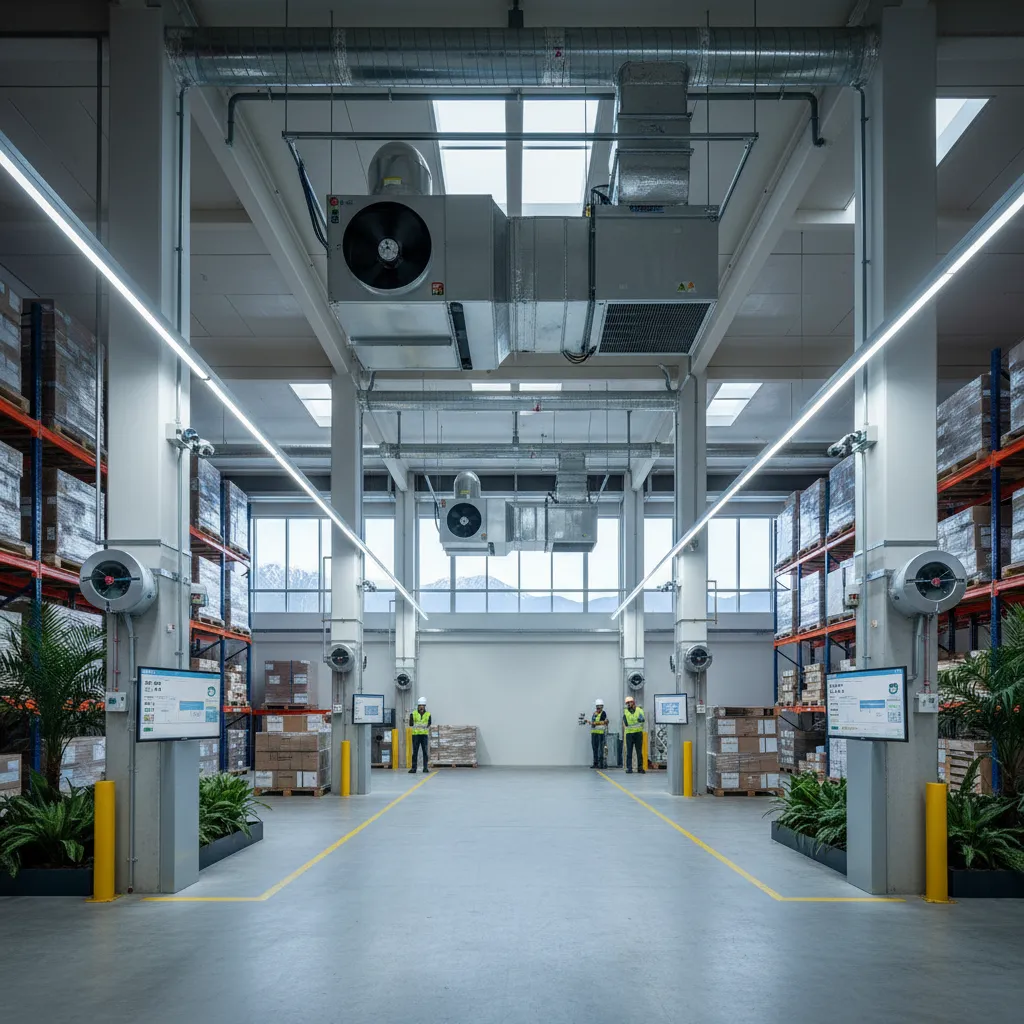
Heating, Ventilation, and Air Conditioning (HVAC) systems are often the largest consumers of energy in commercial buildings. Upgrading to high-efficiency heat pumps, implementing smart building management systems (BMS), and ensuring regular maintenance can lead to energy savings of 20-40%. Similarly, transitioning to LED lighting with motion sensors and daylight harvesting technology is a simple yet effective way to reduce Scope 2 emissions. These upgrades typically have a short payback period, making them an ideal starting point for businesses with limited capital.
Electrification of Process Heat
For industrial players in New Zealand, the transition away from coal and gas-fired boilers is a critical priority. The government has signaled a clear end to the use of coal for low and medium-temperature process heat. Replacing these legacy systems with high-temperature heat pumps or biomass boilers is a core component of the business decarbonisation NZ strategy for the manufacturing and food processing sectors. While the capital expenditure for these transitions can be high, the long-term reduction in carbon liability under the ETS makes the investment increasingly attractive.
Transitioning to Renewables in the New Zealand Context
Once energy demand has been minimised through efficiency, the next step is to ensure that the remaining energy consumed comes from renewable sources. While the New Zealand grid is already highly renewable, businesses can take further steps to support the addition of new renewable capacity and ensure their own energy security.
On-site Solar PV Installations
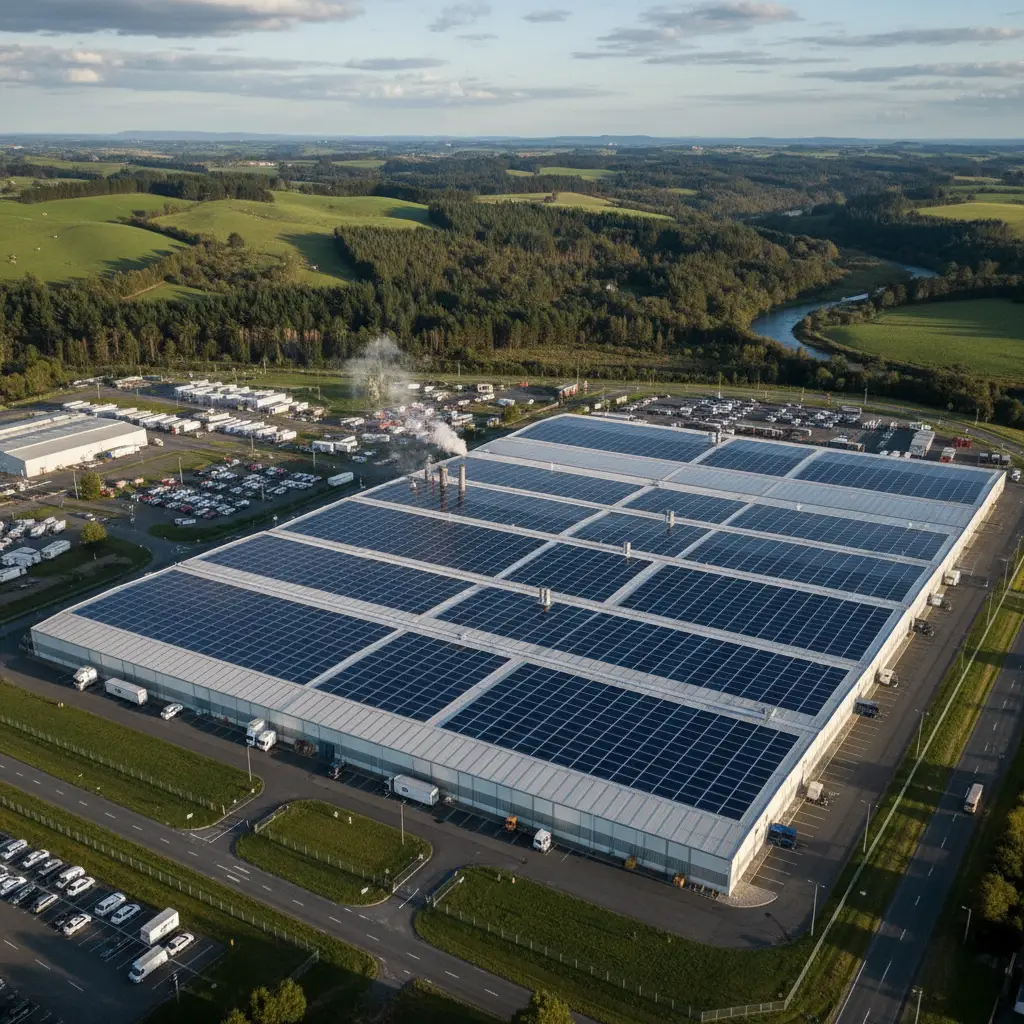
The cost of solar photovoltaic (PV) technology has dropped dramatically over the last decade, making on-site generation a viable option for many New Zealand businesses. Warehouses, retail centers, and factories with large roof areas are particularly well-suited for solar. By generating their own electricity, businesses can hedge against rising retail energy prices and reduce their reliance on the grid during peak times. In NZ, the concept of “solar sharing” or peer-to-peer energy trading is also gaining traction, allowing businesses to sell excess power back to the grid or to other nearby commercial entities.
Power Purchase Agreements (PPAs)
For businesses that cannot install on-site generation, Power Purchase Agreements (PPAs) offer a way to source renewable energy directly from a specific wind or solar farm. A PPA is a long-term contract between an energy buyer and an energy generator. This provides the generator with the financial certainty needed to build new renewable infrastructure, while the business buyer receives a stable energy price and the rights to the associated environmental attributes (Renewable Energy Certificates). This is an increasingly popular mechanism for large-scale business decarbonisation NZ initiatives, as it directly contributes to the decarbonisation of the national electricity grid.
Supply Chain Management and Scope 3 Emissions
Addressing Scope 3 emissions is perhaps the most challenging aspect of a business decarbonisation NZ roadmap. These emissions occur outside of the company’s direct control, necessitating a collaborative approach with suppliers, logistics providers, and customers. However, because Scope 3 often represents the bulk of a company’s impact, it also represents the greatest opportunity for meaningful change.
Implementing Sustainable Procurement Policies
Businesses can drive decarbonisation throughout the economy by integrating climate criteria into their procurement processes. This might involve requiring suppliers to disclose their own carbon footprints or prioritizing vendors who have committed to science-based targets. In New Zealand, many large organisations are now using platforms like Toitū Envirocare or EcoVadis to assess the sustainability performance of their supply chain. By signaling that low-carbon products and services are a priority, businesses encourage their suppliers to embark on their own decarbonisation journeys.
Decarbonising Logistics and Transport
Transport is responsible for approximately 20% of New Zealand’s carbon emissions. For businesses involved in the movement of goods, transitioning to a low-carbon fleet is essential. This includes the adoption of electric light commercials for last-mile delivery and exploring green hydrogen or biofuels for heavy freight. Additionally, optimising logistics routes through data analytics can significantly reduce fuel consumption and emissions. The New Zealand government’s Low Emission Transport Fund (LETF) provides co-funding for projects that demonstrate these technologies, helping to de-risk the transition for early adopters.
Reporting and Accountability: Navigating the New Standards
Transparency is a cornerstone of effective climate action. In New Zealand, the External Reporting Board (XRB) has introduced mandatory climate-related disclosures (CRD) for large financial institutions and listed companies. While these requirements currently apply only to the largest entities, the standards are setting the benchmark for all businesses. Even for SMEs, being able to report accurately on carbon performance is becoming a requirement for securing bank loans, attracting investment, and winning tenders.
The Role of Carbon Footprinting
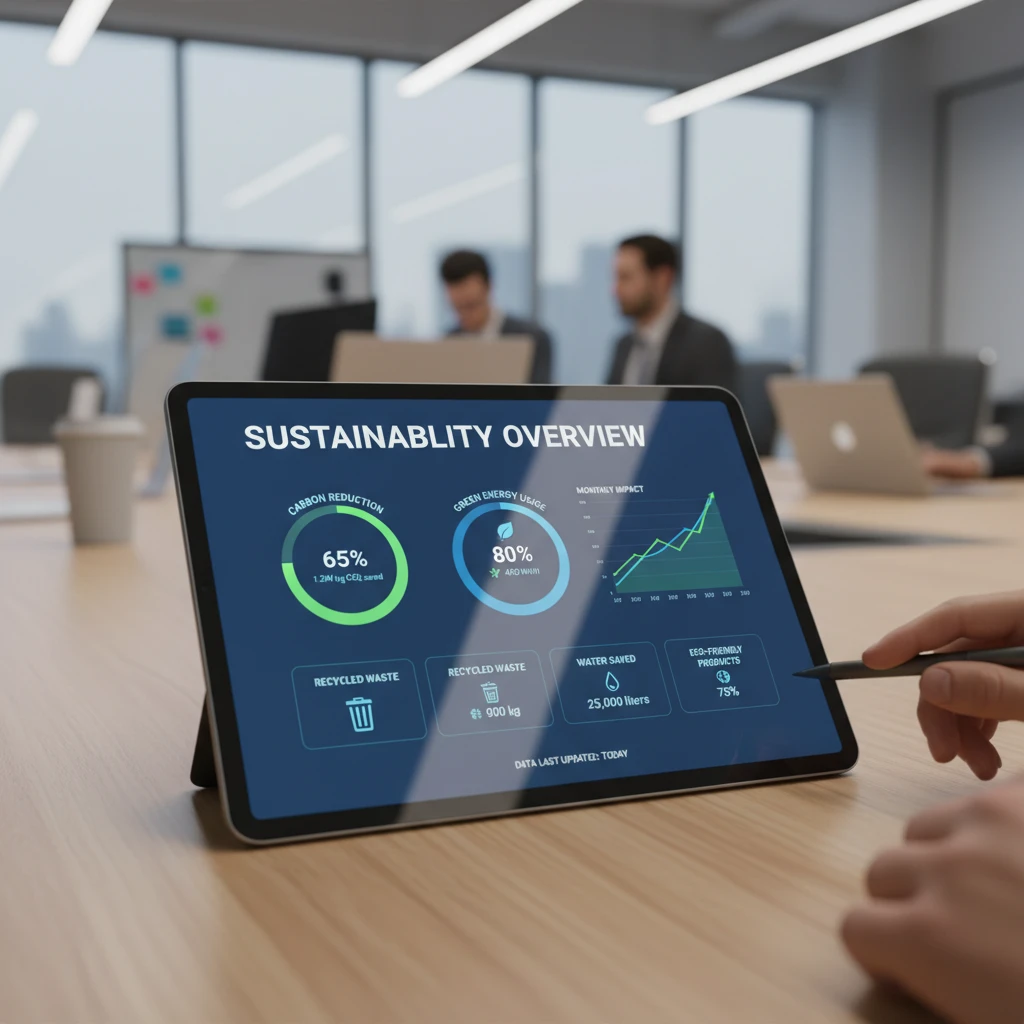
Before a business can report on its progress, it must accurately measure its starting point. A carbon footprint, or greenhouse gas inventory, provides a baseline from which all future reductions are measured. In NZ, many businesses follow the ISO 14064-1 standard or the Greenhouse Gas Protocol. Engaging an external auditor to verify these footprints adds a layer of credibility that is increasingly demanded by stakeholders. This data-driven approach allows management to identify “hotspots” where emissions are highest and allocate resources more effectively.
Financing Your Decarbonisation Journey
The transition to a low-carbon business model requires capital, but the financial landscape in New Zealand is evolving to support this shift. From government grants to innovative bank products, there are numerous ways to fund a business decarbonisation NZ roadmap. The Energy Efficiency and Conservation Authority (EECA) offers several programs, including the Government Investment in Decarbonising Industry (GIDI) fund, which has successfully supported numerous large-scale industrial projects across the country.
Furthermore, New Zealand’s major banks (such as ANZ, Westpac, BNZ, and ASB) have introduced sustainable finance products. These include “green loans” with discounted interest rates for projects that meet specific environmental criteria, such as energy efficiency upgrades or EV fleet transitions. Some banks also offer sustainability-linked loans, where the interest rate is tied to the borrower’s performance against pre-defined ESG (Environmental, Social, and Governance) targets. By leveraging these financial tools, businesses can accelerate their decarbonisation efforts while maintaining healthy cash flows.
Conclusion: A Competitive Advantage for Aotearoa
Embarking on a business decarbonisation NZ roadmap is about more than just environmental responsibility; it is about future-proofing your organisation in a rapidly changing world. By setting science-based targets, investing in energy efficiency, and transitioning to renewable energy, New Zealand businesses can reduce their exposure to carbon pricing, meet the growing demands of conscious consumers, and lead the way toward a sustainable future for Aotearoa. The journey to net-zero is a marathon, not a sprint, but the businesses that act now will be the ones that thrive in the low-carbon economy of tomorrow.
People Also Ask
What is the NZ Zero Carbon Act?
How do I measure my business carbon footprint in NZ?
What are Scope 3 emissions for NZ companies?
Does the NZ government provide grants for decarbonisation?
What is the role of EECA in business energy efficiency?
How does the Emissions Trading Scheme (ETS) affect small businesses?
About The Author
