MBIE Building for Climate Change
MBIE Building for Climate Change (BfCC) is a regulatory program by New Zealand’s Ministry of Business, Innovation and Employment aimed at reducing greenhouse gas emissions in the construction sector. It introduces mandatory frameworks for measuring and capping whole-of-life embodied carbon and improving the operational efficiency of buildings to meet New Zealand’s 2050 net-zero goals.
What is the MBIE Building for Climate Change Framework?
The MBIE Building for Climate Change (BfCC) program represents a fundamental shift in how New Zealand approaches the design, construction, and operation of its built environment. As the building sector is responsible for approximately 20% of New Zealand’s carbon emissions (when considering both operational energy and the production of materials), the Ministry of Business, Innovation and Employment (MBIE) has identified this sector as a critical lever for achieving the nation’s climate commitments under the Paris Agreement and the Climate Change Response (Zero Carbon) Amendment Act 2019.
The framework is built upon two primary pillars: ‘Transforming Operational Efficiency’ and ‘Whole-of-Life Embodied Carbon.’ These pillars aim to address the two distinct ways buildings contribute to global warming. Operational efficiency focuses on the energy and water used during the building’s lifespan, while embodied carbon addresses the emissions generated from the extraction, manufacturing, transport, and disposal of building materials. By targeting both, MBIE seeks to create a holistic regulatory environment that ensures buildings are not only energy-efficient but also constructed with low-impact materials.
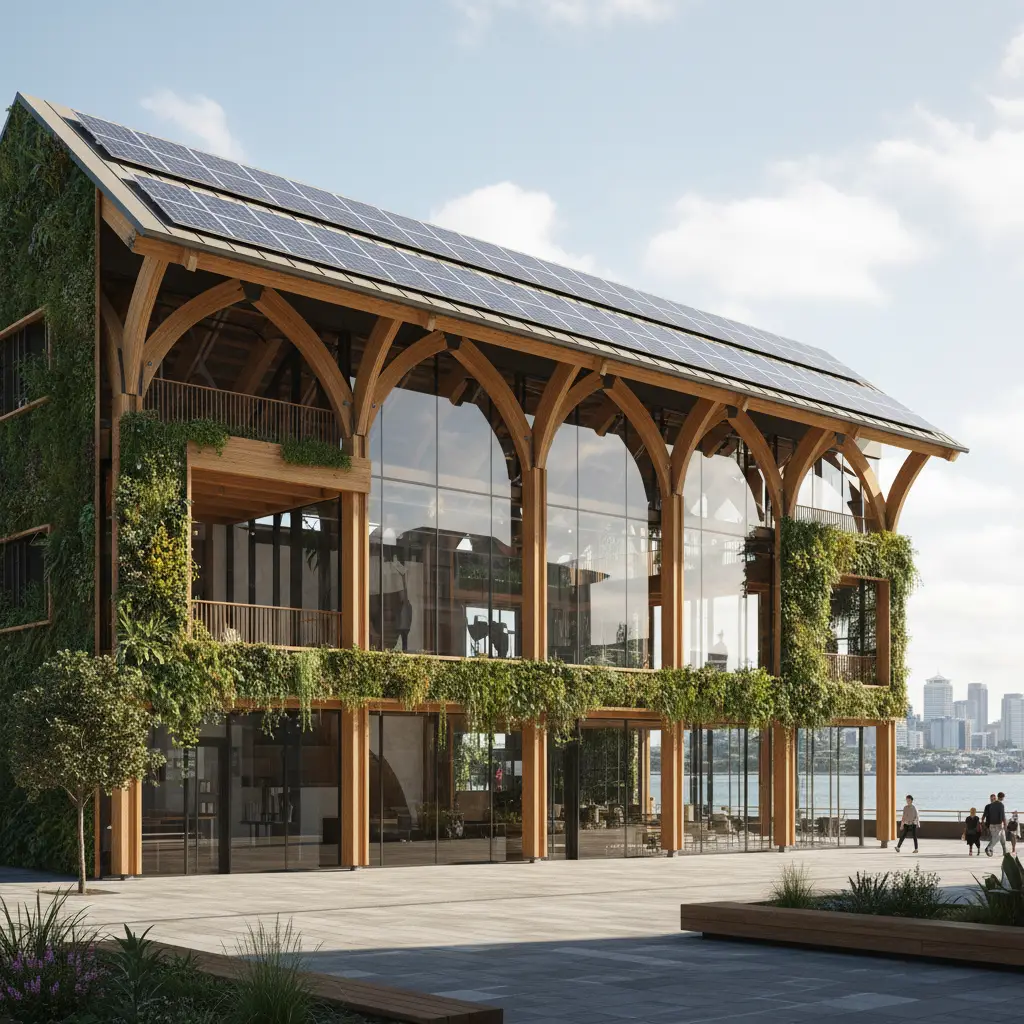
The Strategic Goals of the BfCC
The overarching goal of the BfCC program is to reduce emissions to the lowest possible levels while ensuring that buildings remain healthy, durable, and affordable. MBIE has outlined several strategic objectives, including: reducing the carbon footprint of building materials, improving the thermal performance of the building envelope, and ensuring that the sector is resilient to the physical impacts of climate change (such as increased flooding or extreme heat). This strategy is not just about environmental protection; it is also about future-proofing the New Zealand economy by transitioning to a circular, low-carbon building industry.
What are the Whole-of-Life Embodied Carbon Mandates?
Whole-of-life embodied carbon refers to the total greenhouse gas emissions associated with a building throughout its entire lifecycle. This includes the ‘cradle-to-gate’ emissions from material production, the emissions from construction activities, the maintenance and replacement of components over decades, and the eventual demolition and disposal (or recycling) of the structure. Historically, building regulations focused almost exclusively on operational energy, but the BfCC framework recognizes that as operational efficiency improves, the proportion of total emissions coming from materials becomes significantly more dominant.
Under the proposed mandates, developers and designers will be required to calculate the embodied carbon of their projects during the design phase. This involves using Life Cycle Assessment (LCA) methodologies to quantify the impact of materials like concrete, steel, and timber. MBIE intends to introduce mandatory reporting first, followed by the implementation of carbon caps. These caps will set a maximum allowable carbon footprint per square meter, forcing the industry to innovate and select materials with lower environmental impacts.
The Life Cycle Assessment (LCA) Methodology
To ensure consistency across the industry, MBIE is standardizing the way embodied carbon is measured. The LCA approach typically breaks down a building’s life into several stages: the Product Stage (A1-A3), the Construction Process Stage (A4-A5), the Use Stage (B1-B7), and the End-of-Life Stage (C1-C4). By requiring data across all these stages, the framework prevents ‘carbon leakage’—where a material might be low-carbon to produce but requires frequent, high-emission replacements over time. This long-term view encourages the use of durable, sustainable materials and designs that facilitate deconstruction rather than demolition.
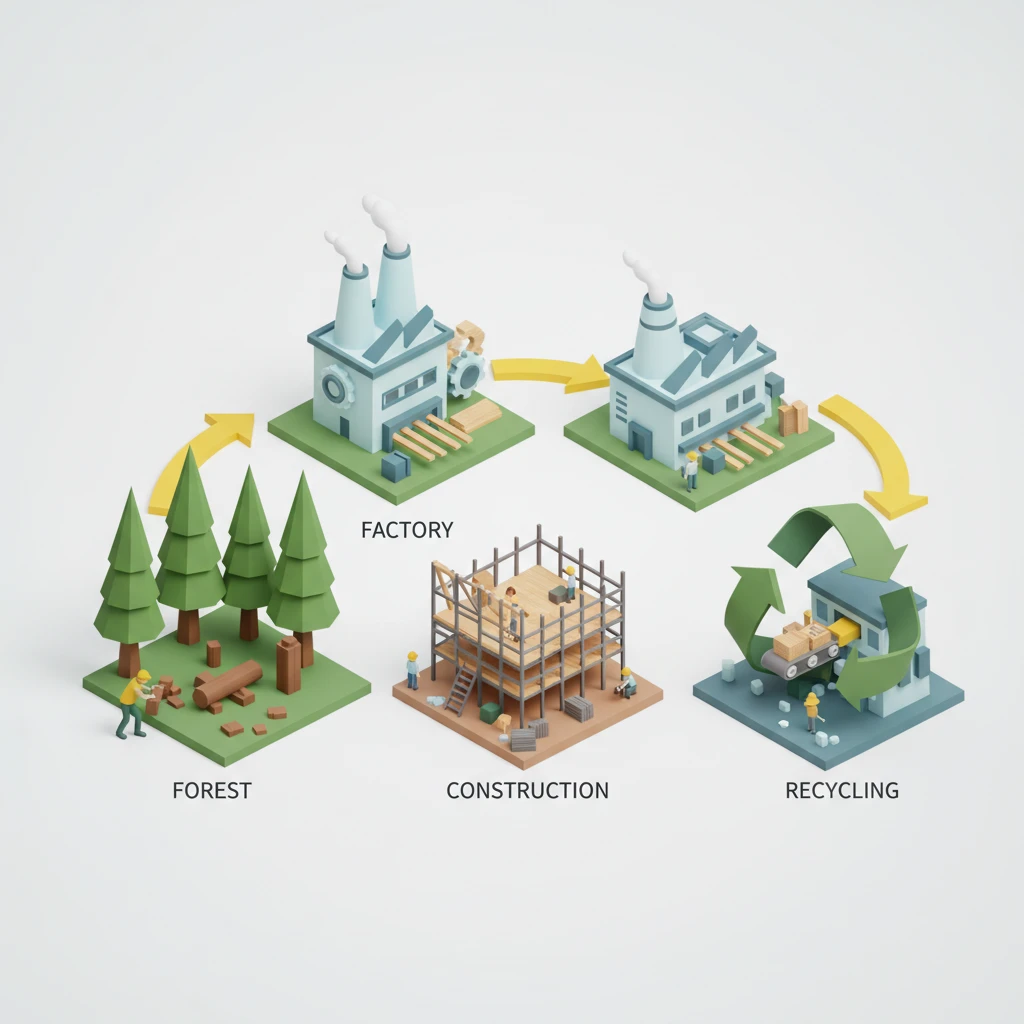
Reducing Embodied Carbon in Practice
For developers, reducing embodied carbon requires a shift in procurement and design. Strategies include: optimizing structural designs to use less material, substituting high-emission materials (like traditional Portland cement) with low-carbon alternatives (such as fly ash or timber), and sourcing materials from local manufacturers to reduce transport emissions. The BfCC framework also emphasizes the ‘circular economy,’ promoting the reuse of existing building structures and the specification of products that can be easily recycled at the end of their useful life.
How Will Operational Efficiency Requirements Change?
The ‘Transforming Operational Efficiency’ framework focuses on the energy and water used while a building is occupied. Currently, many New Zealand buildings suffer from poor thermal performance, leading to high energy bills and unhealthy indoor environments. The BfCC program aims to rectify this by setting stringent new standards for the building envelope and internal systems. This includes heating, cooling, ventilation, lighting, and hot water systems, which together account for the majority of a building’s operational carbon footprint.
One of the key metrics introduced is ‘Energy Use Intensity’ (EUI), which measures the energy consumed per square meter per year. MBIE proposes to set EUI limits for different building types, ensuring that new builds are designed to be highly efficient from the outset. Additionally, the framework addresses ‘fossil fuel combustion’ within buildings, signaling a phase-out of gas connections for heating and cooking in favor of electric heat pumps and induction technologies, which can be powered by New Zealand’s increasingly renewable electricity grid.
Thermal Performance and the Building Envelope
A significant portion of operational efficiency gains will come from improvements to the building envelope—the walls, roof, floor, windows, and doors. By increasing insulation levels and reducing thermal bridging (where heat escapes through structural elements), buildings can maintain comfortable temperatures with minimal mechanical heating or cooling. This is closely linked to the recent updates to the Building Code Clause H1 (Energy Efficiency), which saw a substantial increase in R-values for insulation. The BfCC framework will continue to push these boundaries, moving toward ‘passive house’ principles where the building’s design itself does the majority of the climate control work.
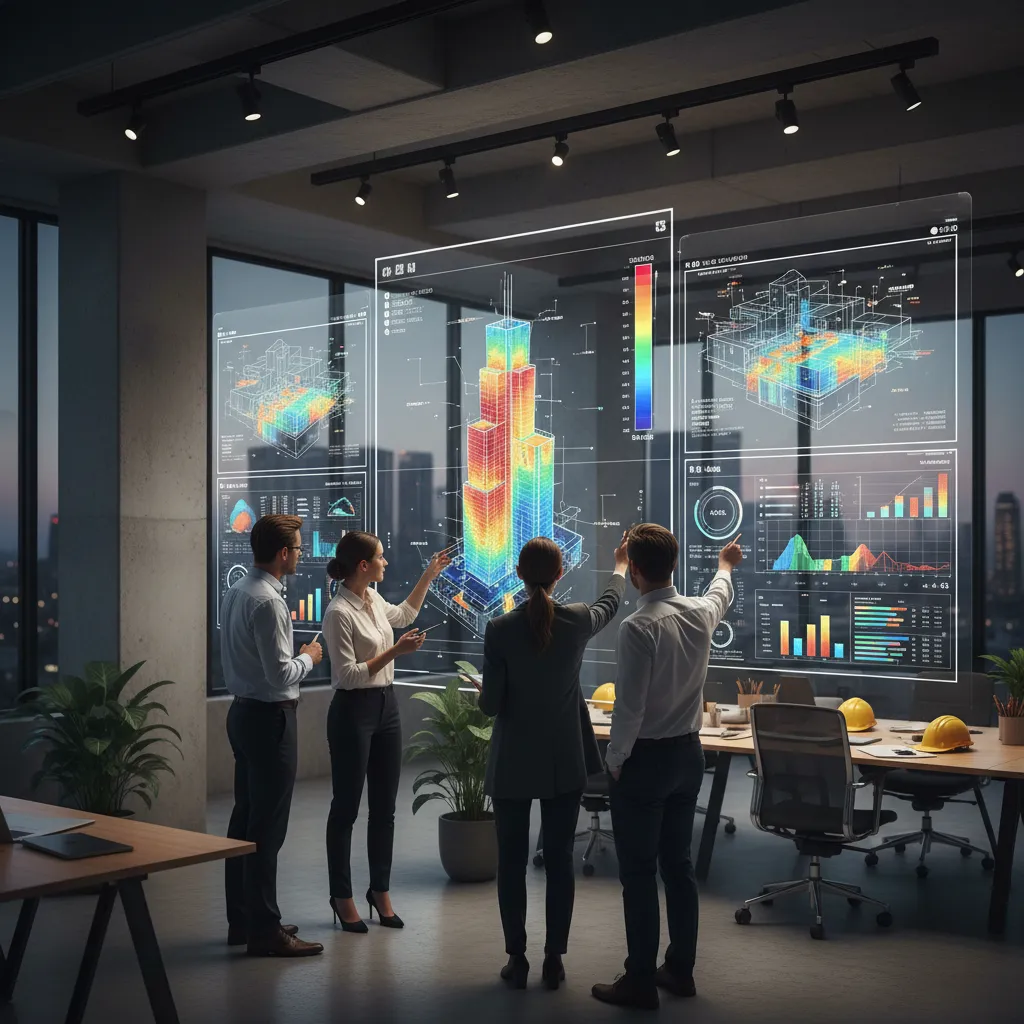
Water Efficiency and Indoor Environmental Quality
Beyond energy, the operational framework also targets water efficiency. Reducing the demand for hot water directly reduces energy consumption, while broader water conservation measures reduce the load on municipal infrastructure and the energy required for water treatment and pumping. Furthermore, MBIE is emphasizing Indoor Environmental Quality (IEQ), ensuring that as buildings become more airtight for energy efficiency, they also have adequate mechanical ventilation to prevent moisture build-up and ensure healthy air for occupants. This holistic approach prevents the unintended consequences of ‘leaky’ or ‘unhealthy’ homes that have plagued New Zealand in the past.
What are the Implementation Timelines for Developers?
MBIE has adopted a phased approach to the Building for Climate Change program to allow the industry time to adapt, upskill, and adjust supply chains. The transition is divided into several key stages, starting with voluntary reporting and moving toward strict regulatory enforcement. While some specific dates are subject to legislative processes, the general trajectory is clear: by 2030, the New Zealand building sector will operate under a radically different set of rules compared to the early 2020s.
- 2022 – 2024: Foundational Phase. This period focused on public consultation, the development of technical methodologies, and the introduction of initial changes to the Building Code (such as the H1 insulation increases). MBIE also launched voluntary tools to help designers start measuring carbon.
- 2024 – 2026: Mandatory Disclosure. The next major milestone is the introduction of mandatory reporting for embodied carbon and operational efficiency for large buildings. This phase is designed to gather data and build industry capability without yet imposing strict caps.
- 2026 – 2030: Caps and Tightening. During this stage, MBIE will likely introduce mandatory caps on both embodied carbon and energy use. These caps will be progressively lowered over time, incentivizing continuous improvement and innovation in low-carbon construction.
For developers, this means that projects currently in the feasibility or master-planning stages must account for these upcoming regulations. A building designed today that does not consider its 2030 carbon performance may face ‘stranding risk’—becoming less valuable or more expensive to operate and upgrade as regulations tighten and carbon prices rise.
Impact on the New Zealand Property Sector
The transition to a low-carbon building sector is both a challenge and an opportunity for the New Zealand property industry. In the short term, there may be increased costs associated with higher-quality materials, specialized design services, and the administrative burden of carbon reporting. However, these costs are often offset by long-term benefits, including lower operating costs, higher tenant demand for ‘green’ buildings, and better access to sustainable finance (such as green bonds or preferential interest rates for low-carbon developments).
Furthermore, the BfCC framework is expected to stimulate local innovation. As the demand for low-carbon materials grows, New Zealand’s forestry and wood processing sectors stand to benefit, as timber is a naturally sequestered carbon product. Similarly, the demand for high-performance windows, insulation, and HVAC systems will drive growth in local manufacturing and specialized trade skills. The industry is moving away from a ‘lowest-cost-wins’ mentality toward a ‘best-value-over-life’ approach, which rewards quality and sustainability.
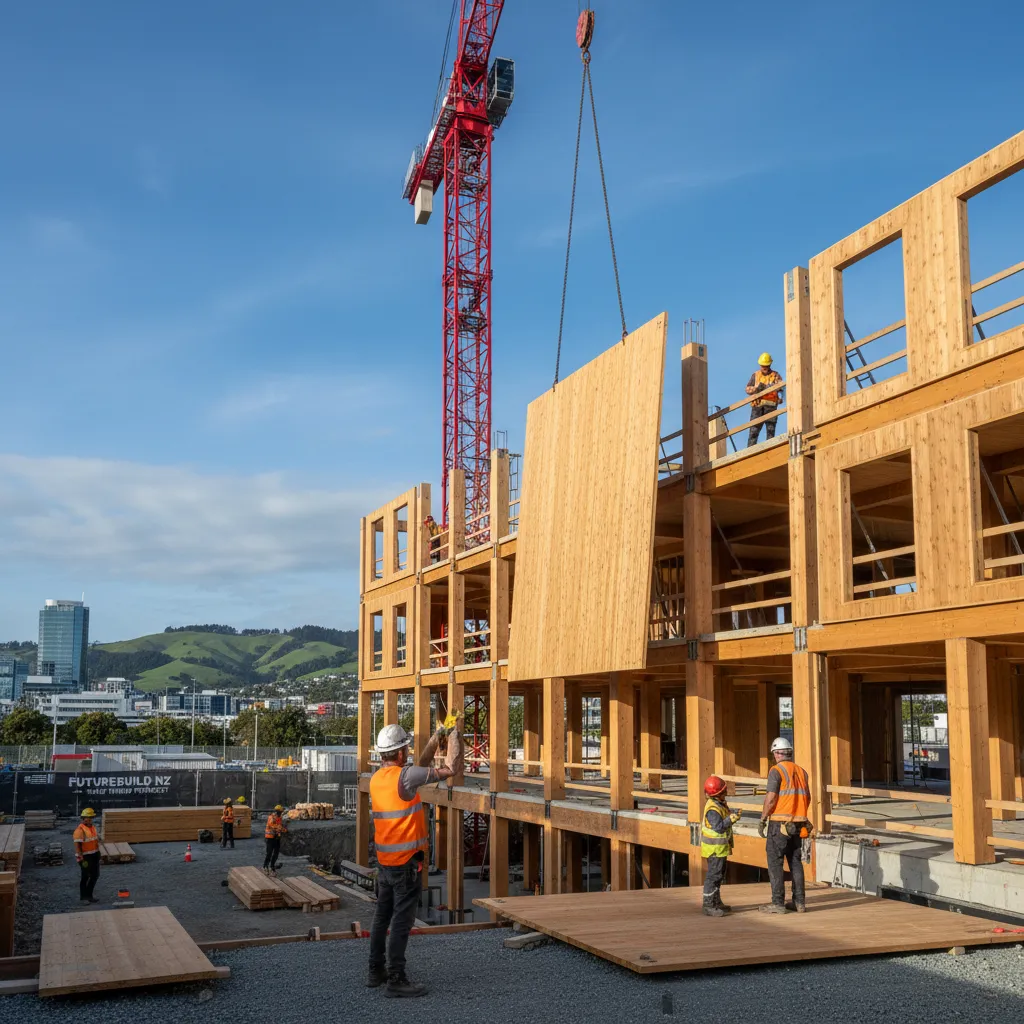
Tools and Resources for Compliance
To support the industry, MBIE and other organizations have developed several tools to assist with carbon calculation and energy modeling. The most prominent is the ‘Building for Climate Change: Whole-of-life embodied carbon assessment tool,’ which provides a simplified framework for designers to estimate the carbon footprint of their projects. Additionally, BRANZ (Building Research Association of New Zealand) offers the ‘LCAQuick’ tool, a more detailed software package that integrates with BIM (Building Information Modeling) workflows to provide comprehensive life cycle assessments.
Education is also a critical component of the transition. Industry bodies such as the New Zealand Green Building Council (NZGBC) and the New Zealand Institute of Architects (NZIA) are providing training and certification programs to help professionals master the nuances of carbon-neutral design. For developers, the message is clear: the most successful projects will be those that integrate carbon thinking at the earliest possible stage, utilizing digital tools to optimize performance before a single spade hits the ground.
People Also Ask
When do MBIE climate change regulations become mandatory?
Mandatory reporting for embodied carbon and operational efficiency is expected to be phased in starting around 2025 for large-scale buildings, with stricter caps and broader requirements for all building types being introduced progressively toward 2030.
What is the difference between embodied and operational carbon?
Embodied carbon refers to emissions from materials and construction processes (making the building), while operational carbon refers to emissions from energy and water use while the building is being used (running the building).
How does MBIE define “whole-of-life” carbon?
MBIE defines it as the sum of all greenhouse gas emissions throughout a building’s entire existence, including material extraction, transport, construction, maintenance, and eventual demolition or recycling.
Will these changes increase the cost of building in NZ?
While initial capital costs for high-performance materials may be higher, these are often offset by lower energy bills over the building’s life and the avoidance of future carbon taxes or expensive retrofits required by law.
Do these rules apply to residential renovations?
Initially, the focus of the BfCC framework is on new builds and large-scale commercial projects. However, as the Building Code evolves, many of the efficiency principles will naturally flow through to major renovations and residential standards.
What tools are available for calculating carbon footprints in NZ?
Key tools include MBIE’s carbon assessment framework, BRANZ’s LCAQuick for detailed life cycle analysis, and various BIM-integrated software used by architects and engineers to model energy and material impacts.
About The Author
