Canterbury Farming Emissions Guide
Canterbury farming emissions primarily consist of methane from livestock and nitrous oxide from nitrogen fertilizers and effluent. As New Zealand’s largest agricultural region, Canterbury plays a critical role in the Zero Carbon Act targets, requiring farmers to monitor, report, and reduce biological greenhouse gas emissions through precision agriculture and improved land management.
Regional Emission Profiles: Understanding the Canterbury Impact
Canterbury stands as the powerhouse of New Zealand’s agricultural sector, but with this productivity comes a significant environmental responsibility. The region’s emission profile is unique due to its diverse landscape, ranging from the intensive dairy farms of the plains to the extensive high-country sheep and beef stations. Understanding the breakdown of these emissions is the first step toward effective management. In Canterbury, the primary greenhouse gases (GHGs) are biogenic methane and nitrous oxide. Methane is largely a byproduct of enteric fermentation—the digestive process in ruminant animals like cows and sheep. Nitrous oxide, a much more potent long-lived gas, is primarily released from the soil through the application of synthetic nitrogen fertilizers and the deposition of animal urine.
The Dominance of Dairy in the Plains
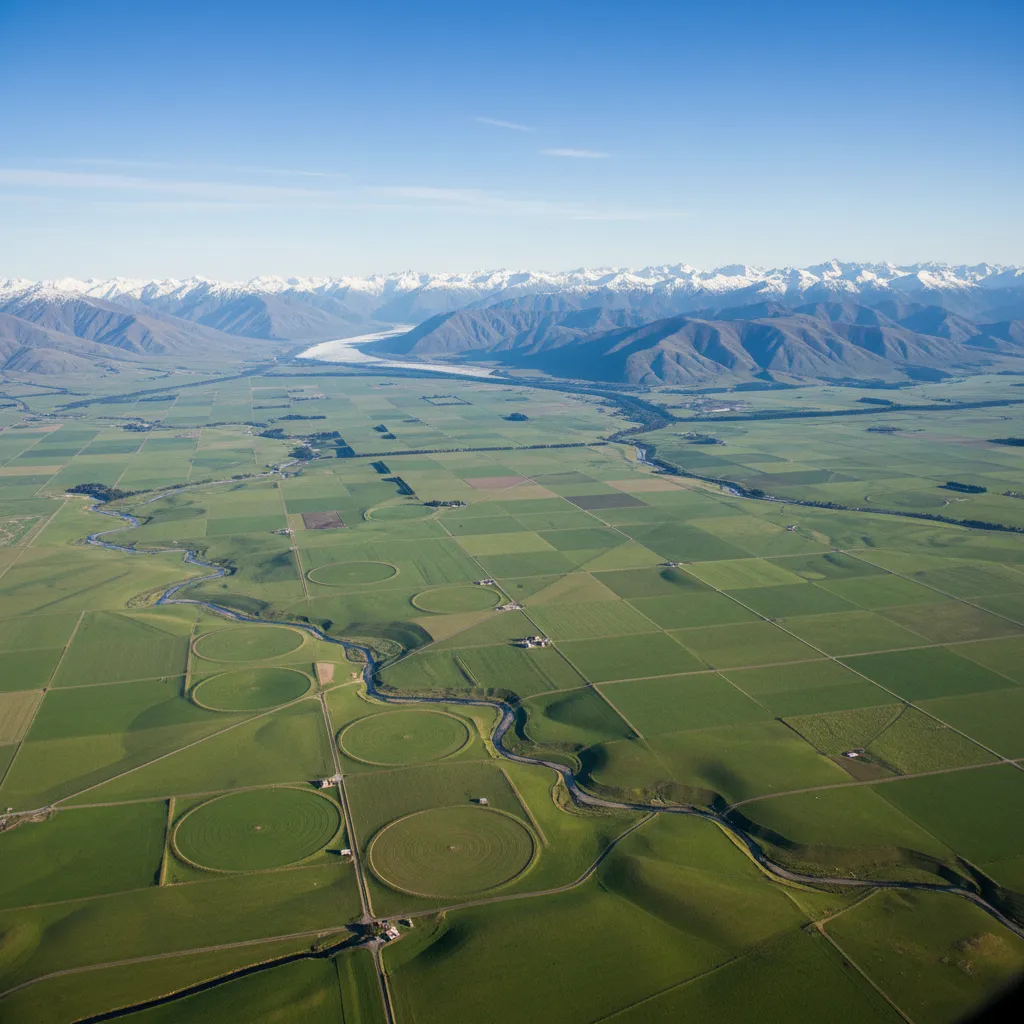
The expansion of dairying in the Selwyn and Ashburton districts over the last two decades has shifted the regional emission profile. Dairy farming is more emission-intensive per hectare than drystock farming due to higher stocking rates and greater use of nitrogen inputs. In Canterbury, the use of irrigation allows for consistent pasture growth, which in turn supports higher animal density. While this drives economic value, it also creates hotspots for nitrous oxide emissions, especially during the shoulder seasons when soil moisture levels are high. Regional data suggests that dairy accounts for over 60 percent of the total agricultural emissions in the Canterbury region, making it the primary focus for mitigation strategies.
Sheep, Beef, and High-Country Challenges
While dairy takes the spotlight, the sheep and beef sector remains a vital part of Canterbury’s identity. Emissions from these farms are typically lower per hectare but cover a much larger total land area. In the Canterbury high country, the challenge lies in the lack of intensive management options. Farmers here rely on the natural hardiness of their stock. Mitigation in these areas often focuses on animal efficiency—producing more meat or wool per unit of feed consumed—which naturally lowers the methane output per kilogram of product. Furthermore, many of these extensive farms have significant areas of native bush or tussock land that may serve as important carbon sinks, though the current regulatory framework is still evolving on how to recognize these non-forest carbon pools.
Local Mitigation Projects: Innovation in the Heart of Canterbury
Canterbury is not just a source of emissions; it is a global hub for agricultural research and innovation. From the laboratories at Lincoln University to the experimental paddocks of the Ashley Dene Research Development Station, local projects are at the forefront of climate-smart farming. These initiatives aim to provide farmers with practical, science-backed tools to reduce their carbon footprint without sacrificing profitability. The focus is increasingly on ‘stackable’ mitigations—combining multiple small changes to achieve a significant overall reduction.
Methane Inhibitors and Feed Additives
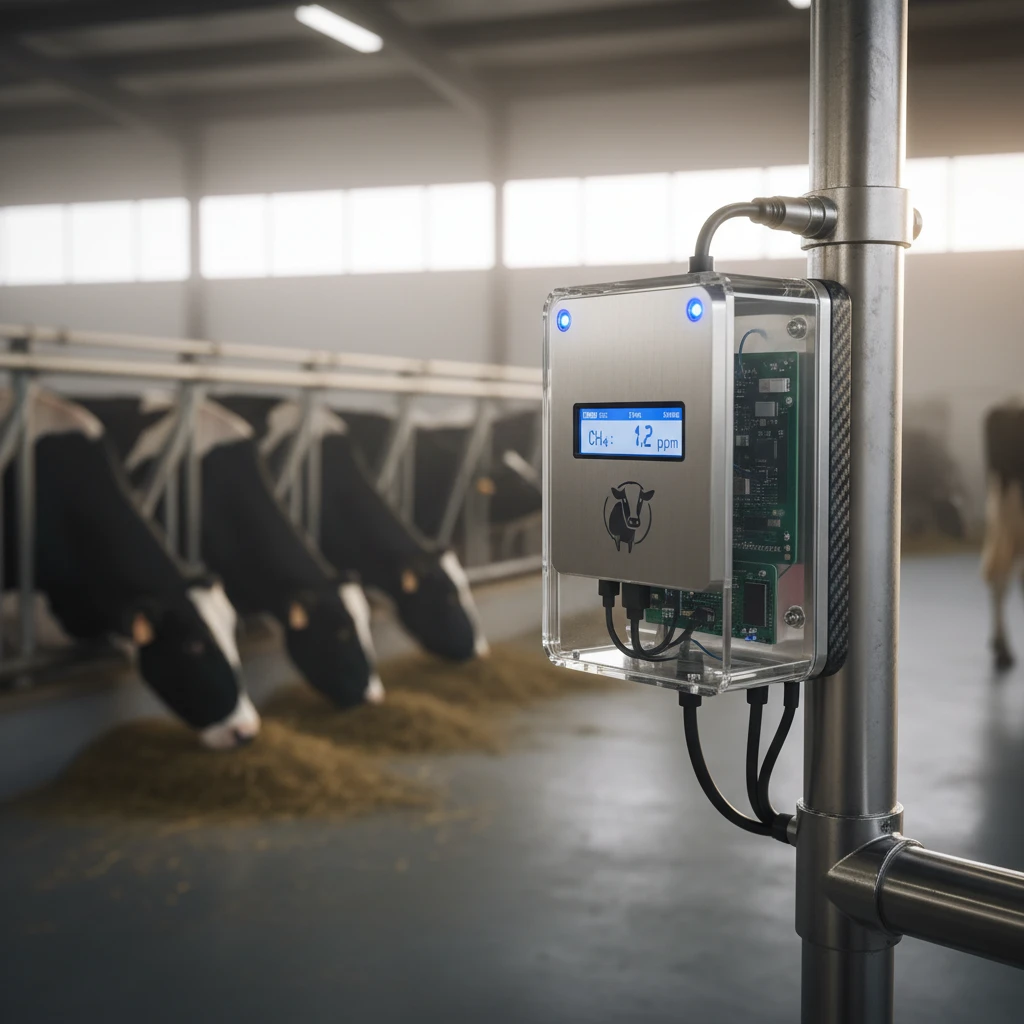
One of the most promising areas of research in Canterbury is the development and testing of methane inhibitors. Compounds like 3-NOP (Bovaer) have shown the potential to reduce methane emissions by up to 30 percent in controlled settings. However, the challenge for Canterbury farmers is the delivery mechanism. Unlike indoor farming systems in Europe, New Zealand livestock are primarily pasture-based. Local trials are currently investigating slow-release boluses and treated water supplies to ensure cows receive a consistent dose of the inhibitor while grazing. If successful, this technology could be a ‘silver bullet’ for the dairy sector’s methane targets.
Low-Emission Genetics and Breeding
Breeding for the future is another key pillar of the Canterbury strategy. Research led by AgResearch and local breeding collectives has identified that some sheep and cattle naturally produce less methane than others for the same amount of feed. By selecting for these ‘low-emitters,’ farmers can permanently and cumulatively reduce their flock or herd emissions over generations. This method is particularly attractive because it requires no change to daily farm operations once the genetics are integrated. Canterbury stud breeders are increasingly incorporating ‘methane-efficient’ traits into their selection indices, providing a long-term solution that aligns with productivity goals.
Support for Canterbury Farmers: Navigating the Transition
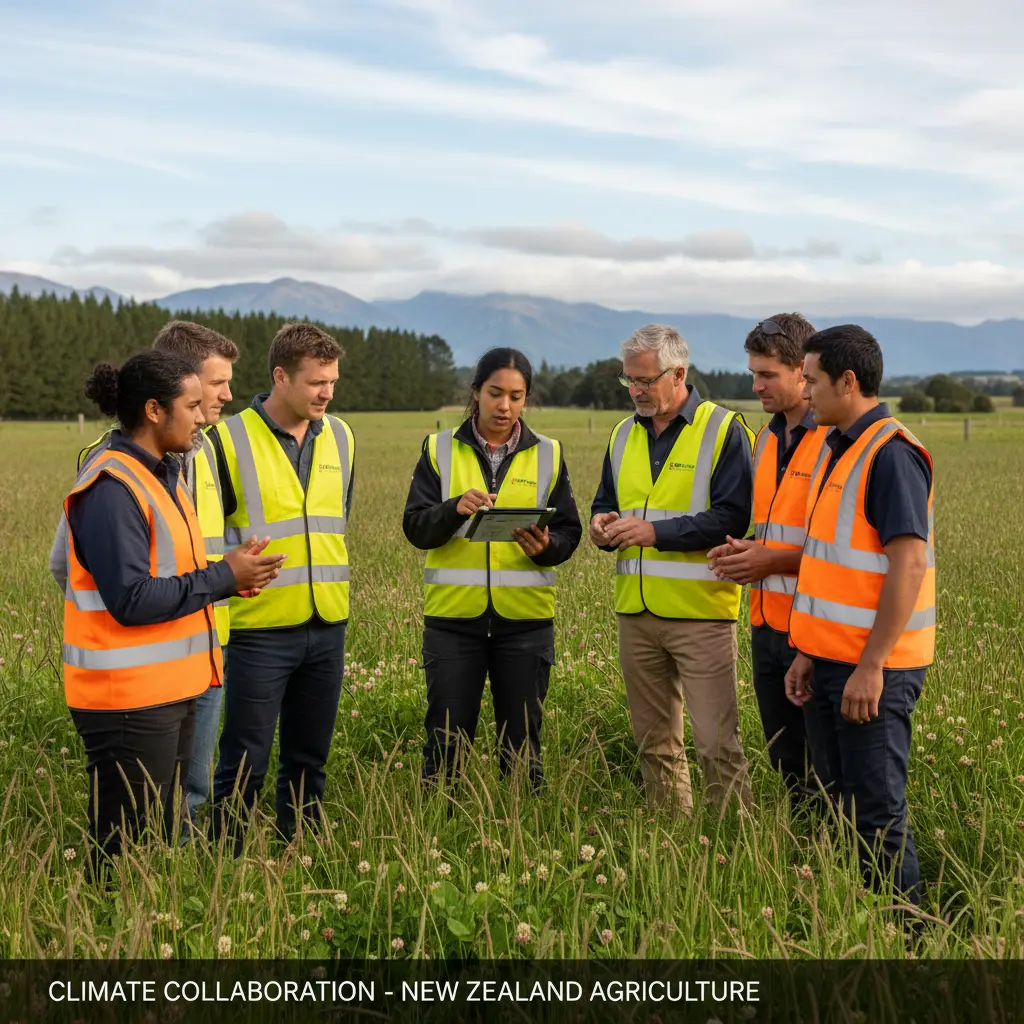
The transition to a low-emissions economy is a daunting task for many landholders. Fortunately, a robust support network exists within Canterbury to help farmers navigate the complexities of GHG accounting and mitigation planning. Agencies like Environment Canterbury (ECan), Beef + Lamb New Zealand, and DairyNZ provide a wealth of resources, from technical workshops to one-on-one advisory services. The goal is to ensure that every farmer knows their ‘numbers’—their total annual emissions—and has a written plan to manage them.
Tools for Measuring On-Farm Carbon Footprints
Accurate measurement is the foundation of management. In Canterbury, the OverseerFM tool has traditionally been the standard for nutrient management, but its role in GHG accounting is being supplemented by new, more specialized calculators. Tools like the Beef + Lamb NZ GHG Calculator and the DairyNZ Know Your Numbers tool allow farmers to input their stock numbers, fertilizer use, and supplementary feed data to receive a detailed report on their emissions profile. These tools are essential for meeting the requirements of the Zero Carbon Act, which mandates that all farms must have a documented GHG plan in place. Local workshops often bring groups of farmers together to walk through these calculations, fostering a community-led approach to data literacy.
Financial Assistance and Grant Programs
Recognizing the capital costs associated with new technology, several funding streams are available to Canterbury farmers. The Sustainable Land Management and Climate Change (SLMACC) research programme and the Sustainable Food and Fibre Futures (SFFF) fund provide grants for innovative on-farm projects. Additionally, regional initiatives often provide subsidies for riparian planting and wetland restoration. While these activities primarily improve water quality, they also contribute to carbon sequestration and biodiversity, creating a win-win for the farm environment. Farmers are encouraged to engage with their rural bank managers and industry bodies to explore ‘green loans’ which offer lower interest rates for sustainability-linked improvements.
The Zero Carbon Act and Regulatory Landscape
The Climate Change Response (Zero Carbon) Amendment Act 2019 sets the overarching framework for New Zealand’s climate policy. For Canterbury farmers, the most significant aspect of this legislation is the target to reduce biogenic methane emissions by 10 percent by 2030, and between 24 and 47 percent by 2050, relative to 2017 levels. Unlike other sectors of the economy, agriculture has been given a unique pathway through the He Waka Eke Noa partnership, which aims to implement a farm-level pricing system for emissions. This system is designed to reward farmers for their individual actions, rather than applying a broad-brush tax. However, the policy environment remains fluid, and staying informed through local provincial branches of Federated Farmers is crucial for Canterbury landholders.
The Future of Canterbury Agriculture: Resilience and Adaptation
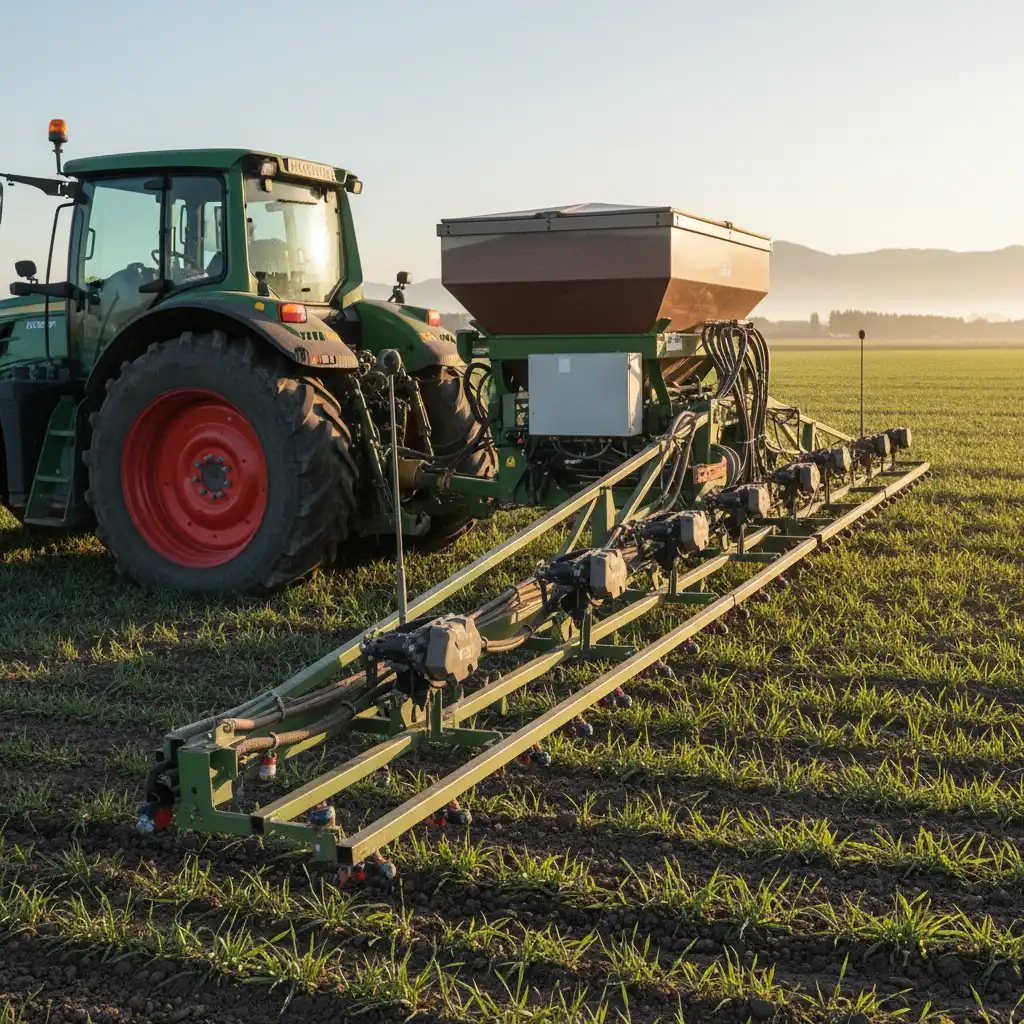
As the climate changes, Canterbury is expected to face more frequent droughts and extreme weather events. Therefore, emission reduction is not just about compliance; it is about building a resilient farming system. The future will likely see a shift toward more integrated land use, where traditional livestock farming is balanced with horticulture, arable cropping, and farm forestry. Precision agriculture will play a massive role, with autonomous drones and variable-rate irrigation systems ensuring that every drop of water and every gram of fertilizer is used with maximum efficiency. By embracing these changes, Canterbury can maintain its status as a premier food-producing region while leading the world in sustainable agricultural practices.
People Also Ask
How do Canterbury farming emissions compare to other NZ regions?
Canterbury has some of the highest total agricultural emissions in New Zealand due to its large land area and high concentration of dairy and arable farms. However, its productivity per unit of emission is often higher than in regions with less intensive management.
What is He Waka Eke Noa?
He Waka Eke Noa is a partnership between the government, primary industry bodies, and iwi to develop a system for pricing agricultural greenhouse gas emissions at the farm level, providing an alternative to the Emissions Trading Scheme (ETS).
How can I reduce methane on my Canterbury dairy farm?
Key strategies include improving feed conversion efficiency, reducing replacement rates, using low-methane genetics, and exploring emerging technologies like methane-inhibiting feed additives as they become commercially available.
Are there grants for planting trees on Canterbury farms?
Yes, programs like the One Billion Trees Fund and various regional council initiatives offer financial support for planting native and exotic trees, which can help offset emissions and improve biodiversity.
What tools calculate farm emissions in NZ?
Commonly used tools include OverseerFM, the Beef + Lamb NZ GHG Calculator, and the DairyNZ Know Your Numbers tool. These help farmers establish a baseline and identify areas for reduction.
When will farmers start paying for emissions?
The exact timeline is subject to government policy updates, but the framework established under the Zero Carbon Act intends to have a pricing mechanism for biological emissions in place in the near future, following the conclusion of the He Waka Eke Noa transition period.
About The Author
