Canterbury Farming Emissions Guide
Canterbury farming emissions refer to the greenhouse gases, primarily methane and nitrous oxide, produced by agricultural activities across the Canterbury Plains. As New Zealand’s largest agricultural region, managing these emissions is critical for meeting the Zero Carbon Act targets, requiring a combination of technological innovation, land management changes, and regional policy compliance.
Regional Emission Profiles in Canterbury
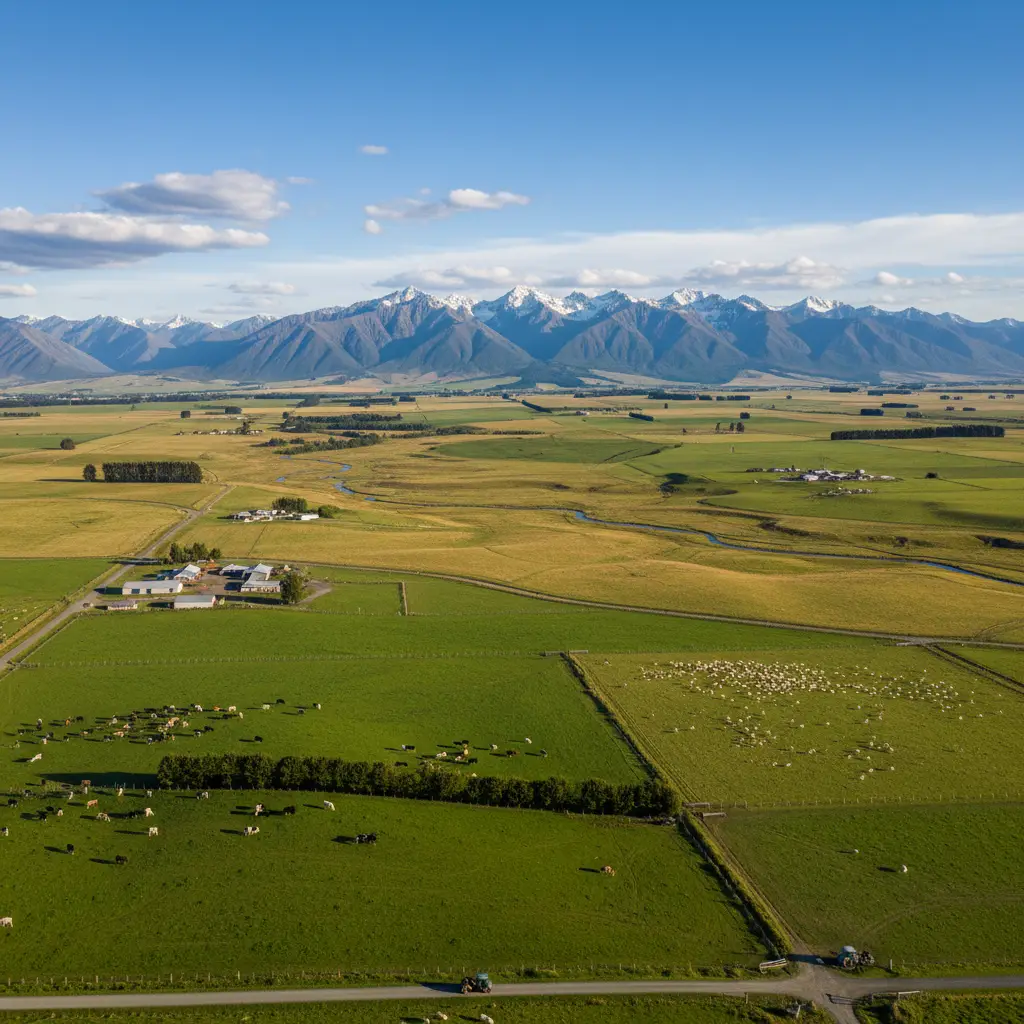
Canterbury stands as the powerhouse of New Zealand agriculture, but this productivity comes with a significant environmental footprint. The region’s emission profile is unique due to its diverse land use, ranging from intensive dairy farming on the plains to extensive sheep and beef operations in the high country. Understanding the breakdown of these emissions is the first step for any landowner looking to align with national climate goals. In Canterbury, the primary contributors are enteric fermentation from livestock and nitrous oxide emissions from urine patches and synthetic fertilizers.
Statistically, Canterbury accounts for a substantial portion of New Zealand’s total agricultural emissions. The rapid expansion of dairy over the last two decades has shifted the profile from traditional low-intensity grazing to high-input systems. This shift has necessitated a more sophisticated approach to measuring and reporting emissions. Farmers are now utilizing tools like Overseer and other carbon calculators to establish their baseline, which is essential for any future pricing mechanisms under the Zero Carbon Act framework.
Methane and Nitrous Oxide Dynamics
What are the main gases in Canterbury farming emissions? The two most significant greenhouse gases produced on Canterbury farms are methane (CH4) and nitrous oxide (N2O). Methane is a short-lived but potent gas produced by ruminant animals—cattle, sheep, and deer—during digestion. Because Canterbury has one of the highest concentrations of dairy cattle in the country, methane management is the top priority for regional climate strategies. Unlike carbon dioxide, which lasts for centuries, methane degrades in the atmosphere over decades, but its heat-trapping capability is significantly higher in the short term.
Nitrous oxide, on the other hand, is a long-lived greenhouse gas that is roughly 300 times more potent than CO2. In Canterbury, N2O emissions are closely linked to nitrogen management. When nitrogen from animal urine or synthetic urea fertilizer is applied to the soil, soil microbes convert some of it into nitrous oxide gas. The well-drained, light soils of the Canterbury Plains can exacerbate this process if irrigation and fertilizer applications are not precisely managed. Reducing these emissions requires a delicate balance of maintaining soil productivity while minimizing nitrogen surplus.
The Science of Methane Inhibitors
Research is currently underway in Canterbury to test various methane inhibitors. These are compounds that, when fed to livestock, can reduce the activity of methanogens in the rumen. While some products like Bovaer are gaining traction globally, New Zealand’s pasture-based system presents unique challenges for delivery. Local trials are exploring slow-release boluses and water-medication systems that could potentially lower methane output by up to 30% without impacting milk production or meat quality.
Local Mitigation Projects and Innovation
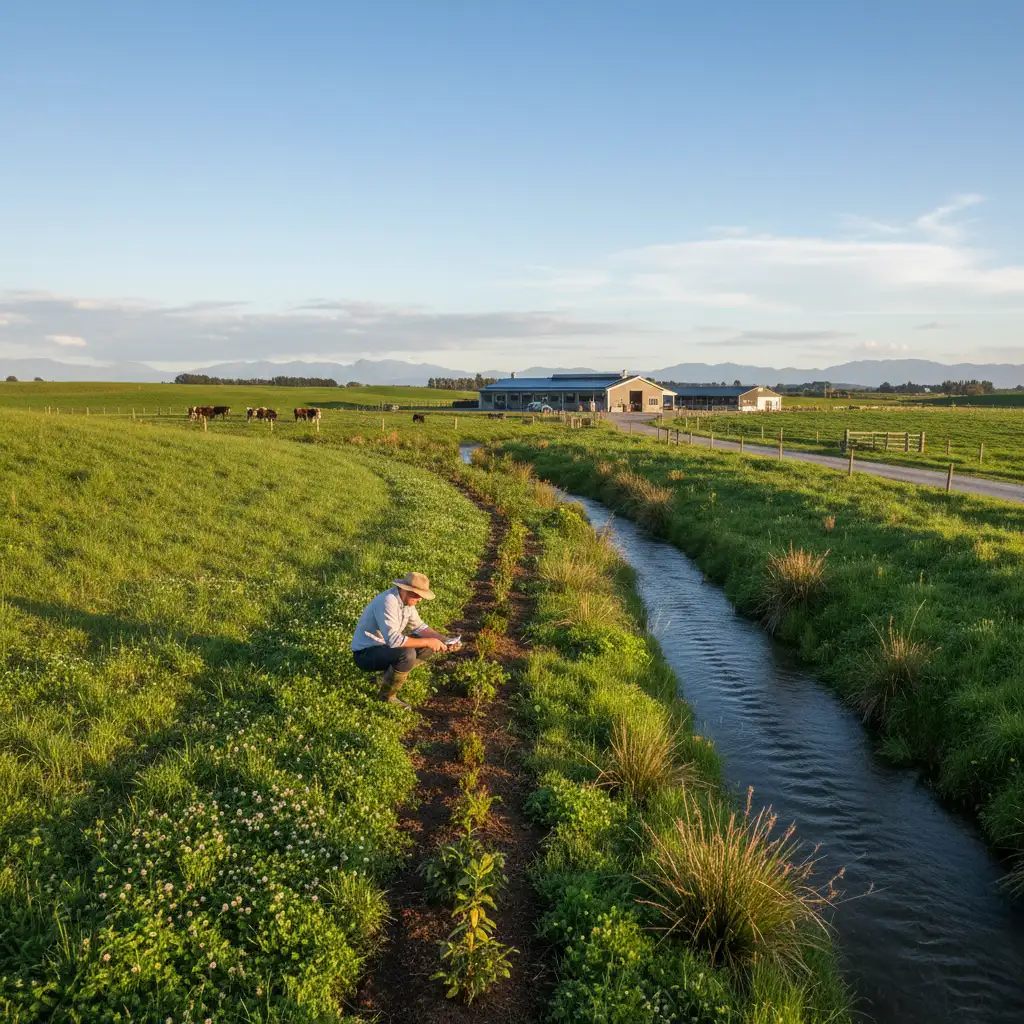
How can Canterbury farmers reduce their emissions footprint? Local mitigation projects are at the forefront of the region’s response to climate change. One of the most successful initiatives is the large-scale adoption of riparian planting and wetland restoration. By creating natural buffers along waterways, farmers can trap nitrogen before it enters the groundwater, indirectly reducing the potential for N2O emissions. Furthermore, these plantings act as carbon sinks, sequestering atmospheric CO2 into biomass and soil organic matter.
Another significant movement in the region is the transition to regenerative agriculture. Many Canterbury farmers are experimenting with diverse pasture swards, including plantain and chicory. These plants have been shown to reduce nitrogen concentration in animal urine, thereby lowering the subsequent nitrous oxide emissions from the soil. Local clusters of farmers are sharing data on how these diverse pastures perform under Canterbury’s specific climatic conditions, providing a blueprint for others to follow.
The Role of Precision Agriculture
Precision agriculture is no longer a luxury in Canterbury; it is a necessity for emissions management. Variable Rate Irrigation (VRI) is a prime example of how technology is helping farmers optimize resource use. By applying water only where it is needed, farmers can prevent the anaerobic soil conditions that lead to high nitrous oxide emissions. In a region where water is a precious resource, VRI also ensures that nitrogen is not leached beyond the root zone, keeping it available for plant growth and reducing the need for additional fertilizer inputs.
GPS-guided fertilizer spreading and real-time soil moisture monitoring are other tools that have become standard on many Canterbury farms. These technologies allow for a ‘just-in-time’ approach to nutrient management. Instead of broad-brush applications, farmers can target specific areas of a paddock that require boost, significantly reducing the overall nitrogen load on the land. This precision directly translates to a lower emissions profile and improved profitability, proving that environmental and economic goals can be aligned.
Support for Canterbury Farmers
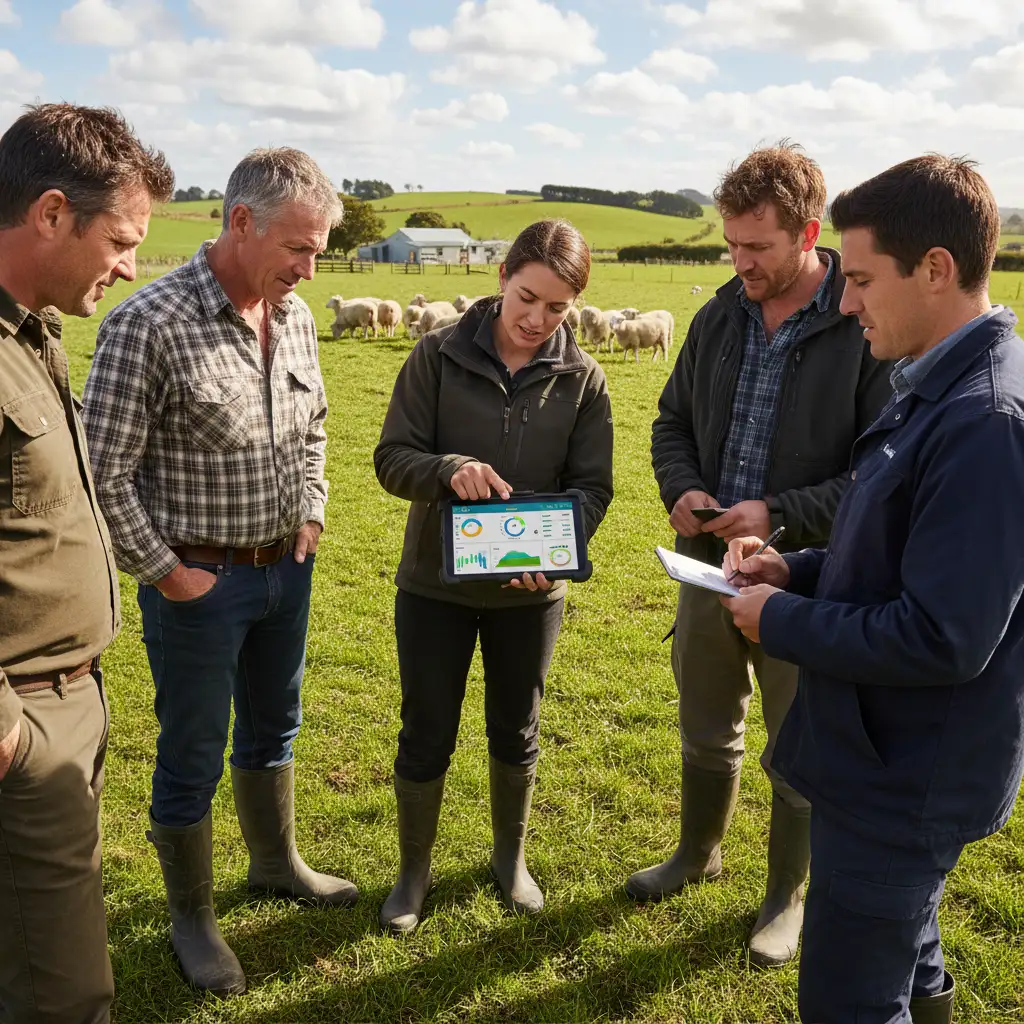
Where can Canterbury farmers find support for emissions reduction? Navigating the complexities of climate policy can be daunting, but a robust support network exists. Organizations like DairyNZ, Beef + Lamb New Zealand, and the Foundation for Arable Research (FAR) provide extensive resources, including workshops, carbon calculators, and one-on-one advisory services. These industry bodies are focused on helping farmers understand their ‘know your numbers’ requirement, which is the first step in the national emissions pricing framework.
Environment Canterbury (ECan) also plays a pivotal role in providing regional guidance. Through their Land Management Advisors, ECan offers assistance with Farm Environment Plans (FEPs), which are now mandatory for many properties. These plans include specific actions for managing greenhouse gas emissions and improving overall environmental performance. Additionally, the Rural Support Trust provides mental health and wellbeing support, recognizing that the transition to a low-emissions economy can be a source of stress for farming families.
Financial Incentives and Grant Programs
Several funding streams are available to assist with the cost of implementing mitigation strategies. The Sustainable Food and Fibre Futures (SFF Futures) fund often supports innovative projects that have a clear environmental benefit. Locally, some irrigation schemes and catchment groups offer subsidies for technology upgrades or biodiversity projects. Farmers are encouraged to engage with their local catchment groups to stay informed about available grants that could help offset the capital expenditure required for emissions-reducing infrastructure.
Navigating the Regulatory Landscape
The New Zealand Zero Carbon Act provides the overarching legislative framework for all climate action in the country. For Canterbury farmers, this means a legislated target to reduce biogenic methane emissions by 10% by 2030 and 24-47% by 2050, relative to 2017 levels. While the specific mechanism for pricing agricultural emissions has been a subject of intense political debate, the direction of travel is clear: emissions will eventually have a cost, and those who reduce their footprint early will be better positioned.
Regional rules also intersect with national policy. The Canterbury Land and Water Regional Plan sets out requirements for nutrient management, which has a direct correlation with nitrous oxide emissions. Compliance with these rules is monitored through the FEP audit process. Staying ahead of these regulations requires a proactive approach to farm management, focusing on efficiency and the adoption of proven mitigation technologies as they become commercially viable.

The Future of Farming in a Low-Carbon Economy
The future of Canterbury farming is one of transformation. As global consumers increasingly demand low-carbon food and fiber, Canterbury’s ability to demonstrate sustainable practices will be a key competitive advantage. We are likely to see a greater integration of trees into the farming landscape (agroforestry), not just for carbon sequestration but for animal welfare and soil protection. The rise of digital twins and AI-driven farm management systems will further refine our ability to manage emissions at a paddock-scale.
Ultimately, the goal is to create a resilient agricultural sector that can thrive in a changing climate while contributing to the global effort to limit warming. Canterbury farmers have a long history of innovation and adaptation; the challenge of reducing emissions is simply the next chapter in that story. By leveraging local research, utilizing available support systems, and embracing new technologies, the region can continue to lead the way in sustainable food production for years to come.
People Also Ask
How are farming emissions calculated in Canterbury?
Farming emissions in Canterbury are typically calculated using standardized tools like Overseer or the Beef + Lamb NZ greenhouse gas calculator. These tools use farm-specific data, including livestock numbers, fertilizer use, and supplementary feed, to estimate the total production of methane and nitrous oxide based on established emission factors.
What is the Zero Carbon Act’s impact on Canterbury dairy?
The Zero Carbon Act sets legally binding targets for methane and long-lived gases. For Canterbury dairy farmers, this means they must implement strategies to reduce methane by at least 10% by 2030. It also creates a framework for future emissions pricing, which will impact the financial modeling of dairy operations.
Are there grants for reducing farm emissions in NZ?
Yes, various grants are available through the Ministry for Primary Industries (MPI) and the Sustainable Food and Fibre Futures fund. Additionally, some regional initiatives and industry bodies offer financial support for specific projects like riparian planting, wetland restoration, and the adoption of precision agriculture technology.
What is the difference between biogenic methane and carbon dioxide?
Biogenic methane is produced by biological processes, such as digestion in cattle, and is part of a short-term carbon cycle. It is a potent but short-lived gas. Carbon dioxide (CO2) is a long-lived gas primarily produced by burning fossil fuels and can remain in the atmosphere for hundreds of years, causing long-term warming.
How does precision irrigation reduce emissions?
Precision irrigation reduces emissions by preventing soil saturation. Anaerobic (oxygen-poor) conditions in wet soils lead to higher nitrous oxide production from nitrogen inputs. By applying only the necessary amount of water, farmers minimize these conditions and reduce nitrogen leaching, which also indirectly lowers emissions.
What role does He Waka Eke Noa play for Canterbury farmers?
He Waka Eke Noa was a partnership between the government and the primary sector to develop a framework for pricing agricultural emissions. While its specific structure has evolved, the core mission remains: to empower farmers to measure, manage, and reduce their emissions through industry-led solutions rather than a standard emissions trading scheme.
About The Author
