Agricultural Emissions Pricing
Agricultural emissions pricing in NZ is a world-first regulatory framework designed to charge the primary sector for methane and nitrous oxide outputs. Integrated into the Zero Carbon Act, it incentivizes farmers to reduce greenhouse gases through either farm-level or processor-level reporting, ensuring New Zealand meets its 2030 and 2050 climate targets.
Understanding the NZ Agricultural Emissions Framework
The implementation of agricultural emissions pricing in NZ represents one of the most significant shifts in the country’s economic and environmental policy history. Unlike most other developed nations where agriculture is often excluded from emissions trading schemes, New Zealand has committed to a “split-gas” approach. This approach distinguishes between long-lived gases like carbon dioxide and nitrous oxide, and short-lived biogenic methane produced by livestock. The overarching goal is to reduce biogenic methane emissions by 10% below 2017 levels by 2030, and between 24% and 47% by 2050.
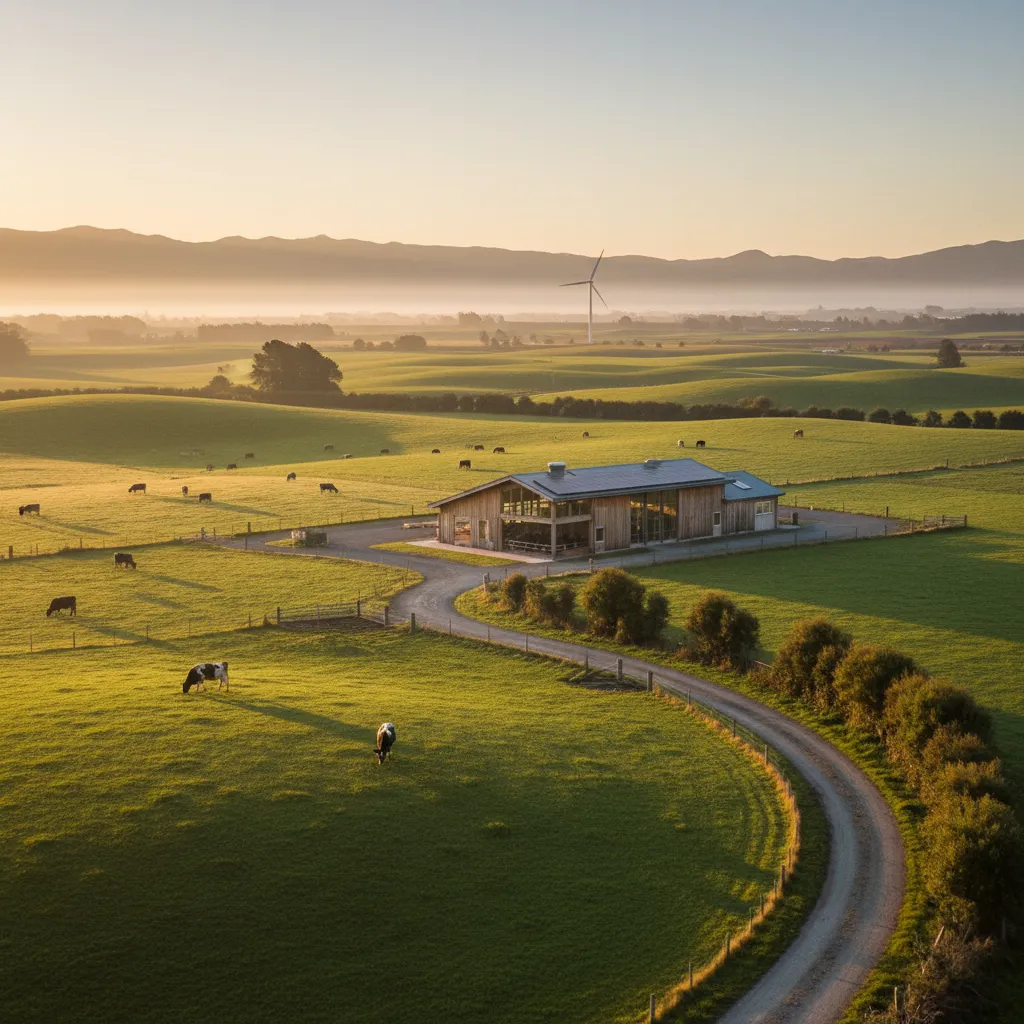
This policy is driven by the Climate Change Response (Zero Carbon) Amendment Act, which provides the legal framework for New Zealand’s contribution to the Paris Agreement. Because agriculture accounts for nearly half of New Zealand’s total greenhouse gas profile, the government and industry partners (under the He Waka Eke Noa partnership) have spent years debating how to price these emissions without compromising the international competitiveness of the nation’s primary exports.
Farm-Level vs Processor-Level Pricing: Which is Better?
One of the most debated aspects of agricultural emissions pricing in NZ is whether the levy should be applied at the farm gate or at the processor level. Each method carries distinct advantages and logistical challenges that impact different sectors of the farming community differently.
The Case for Farm-Level Reporting
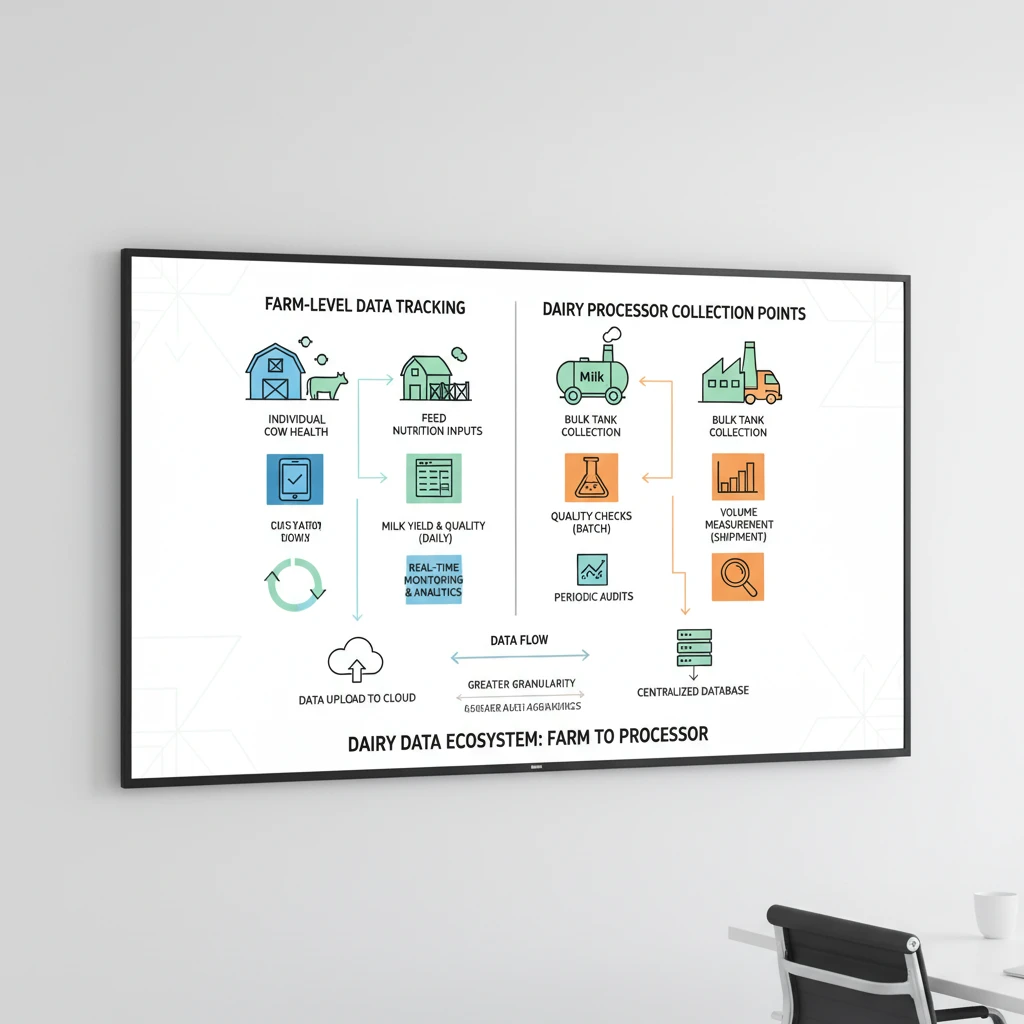
Farm-level pricing is widely considered the most equitable and effective method for driving behavioral change. Under this model, individual farmers are responsible for calculating their own emissions based on their specific management practices, stock numbers, and fertilizer use. The primary benefit is that it rewards efficiency. If a farmer invests in low-methane genetics or high-quality feed, those improvements are directly reflected in a lower tax bill. However, the administrative burden is high, requiring robust data collection systems and verified reporting tools to ensure accuracy.
The Efficiency of Processor-Level Levies
Processor-level pricing acts as a backup or a transitional mechanism. In this scenario, the levy is collected by dairy processors or meat companies based on the volume of milk solids or carcass weight delivered. While this is significantly easier to administer, it is a “blunt instrument.” It applies a flat cost across all suppliers, meaning a highly efficient farmer pays the same rate per unit of production as a less efficient neighbor. This reduces the direct incentive for individual innovation but provides a simpler path to immediate implementation.
Cost Projections for 2025 and Beyond
As the 2025 deadline approaches, financial forecasting has become a priority for the primary sector. Agricultural emissions pricing in NZ is expected to start with a relatively low introductory price to allow for adjustment, but costs are projected to scale as the 2030 targets loom closer. Current estimates suggest that the initial price for methane may be significantly lower than the price of carbon in the New Zealand Emissions Trading Scheme (NZ ETS) to reflect its short-lived nature.
Dairy Sector Financial Forecasts
For the dairy sector, which is the largest contributor to biogenic methane, the costs could be substantial. Modelling suggests that even a modest levy could reduce net profit for some farms by 5% to 7% if no mitigation strategies are adopted. However, for high-performing farms that already utilize precision agriculture, the impact may be lower. The revenue generated from these levies is legally required to be recycled back into the sector to fund research into mitigation technologies like methane vaccines.
Sheep and Beef Sector Vulnerabilities
The sheep and beef sector faces a different set of challenges. These farms often operate on thinner margins and have fewer immediate technical solutions for reducing methane compared to housed dairy systems. Projections indicate that without significant recognition for on-farm sequestration (like woodlots and native bush), some extensive sheep and beef operations could see a disproportionate impact on their viability. This has led to strong advocacy for a pricing system that heavily weights carbon sequestration credits.
Incentives for Early Adoption
To ease the transition, the New Zealand government and industry bodies have proposed various incentives for early adoption. These incentives are designed to encourage farmers to engage with emissions reporting before the mandatory pricing kicks in, fostering a culture of environmental stewardship and data-driven management.

Emerging Technologies and Methane Inhibitors
Significant investment is being funneled into technologies like Bovaer (3-NOP), a feed additive that can reduce methane emissions by up to 30%. Farmers who adopt these technologies early may be eligible for reduced levy rates or direct subsidies. Furthermore, the development of a methane vaccine is the “holy grail” of New Zealand agricultural science, which would provide a low-cost, scalable solution for pastoral farming systems.
The Role of On-Farm Sequestration
A critical component of agricultural emissions pricing in NZ is the recognition of carbon sinks. Farmers have long argued that the trees and vegetation on their land—which often don’t qualify for the formal NZ ETS—should be used to offset their livestock emissions. The proposed system aims to recognize “Category 1” (permanent forests) and “Category 2” (riparian planting and small woodlots) as valid offsets.

By allowing farmers to claim credits for these plantings, the policy encourages biodiversity and improves water quality while simultaneously lowering the net cost of emissions pricing. This integrated approach ensures that the pricing system supports broader environmental goals beyond just climate change mitigation.
Global Leadership and Market Access
New Zealand’s move toward agricultural emissions pricing is not just an internal policy; it is a strategic move for global market access. Major international retailers and food companies, such as Nestlé and Tesco, have set ambitious Scope 3 emissions targets. By being the first country to price agricultural emissions, New Zealand can position its meat and dairy products as “low-carbon” or “climate-neutral,” potentially commanding a premium price in high-end markets like the European Union and the United Kingdom.
While the transition is undoubtedly challenging, the long-term goal is to ensure the resilience of the New Zealand agricultural sector in a world that increasingly values sustainability. The success of this pricing model will depend on the balance between environmental integrity and the economic well-being of the rural communities that form the backbone of the nation.
Frequently Asked Questions
When will agricultural emissions pricing start in NZ?
The New Zealand government originally planned for agricultural emissions pricing to commence in 2025. However, policy adjustments and negotiations regarding the specific implementation model (farm-level vs processor-level) are ongoing to ensure the system is fair and workable for all farmers.
How much will farmers have to pay for methane?
The exact price for methane has not been finalized. It is expected to be set at a unique rate that is lower than the standard carbon price, reflecting methane’s status as a short-lived gas. The price will likely be reviewed annually based on progress toward the 2030 reduction targets.
What is the difference between biogenic methane and CO2?
Biogenic methane is produced by biological processes, such as digestion in livestock. It is a potent greenhouse gas but stays in the atmosphere for a much shorter time (about 12 years) compared to carbon dioxide, which can persist for centuries. NZ’s split-gas target reflects this scientific distinction.
Can farmers get credits for planting trees?
Yes, under the proposed framework, farmers will be able to receive credit for on-farm sequestration that may not qualify for the main NZ ETS. This includes riparian plantings, shelterbelts, and small blocks of native forest, which help offset their total emissions liability.
How does NZ’s policy compare to other countries?
New Zealand is a global pioneer in this space. While other countries like Denmark are exploring similar measures, NZ is the first to integrate agricultural emissions pricing into a comprehensive national climate strategy with specific legislative targets for livestock gases.
What is He Waka Eke Noa?
He Waka Eke Noa is a primary sector partnership between the government, Māori, and industry bodies (like Beef + Lamb NZ and DairyNZ). Its purpose was to develop a recommendation for a farm-level emissions pricing system as an alternative to the NZ ETS.
About The Author
