Energy Efficient HVAC for NZ Developers
Energy efficient HVAC NZ solutions encompass integrated heating, ventilation, and air conditioning systems optimized for New Zealand’s unique climate zones. These systems utilize high-performance heat pumps, smart building automation, and strict adherence to H1 Building Code standards to minimize energy consumption, reduce carbon emissions, and lower long-term operational costs for developers.
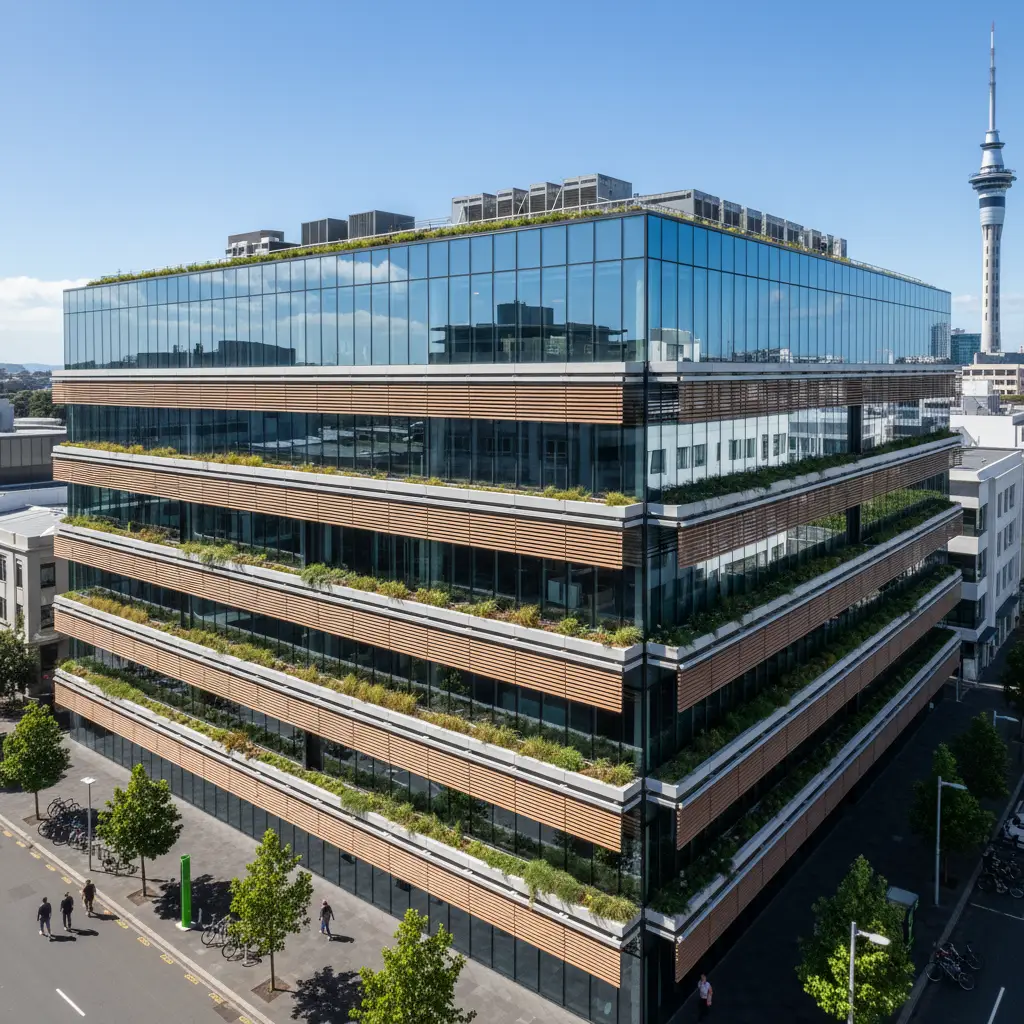
What is the Latest Heat Pump Technology for Large Scale Developments?
In the realm of energy efficient HVAC NZ, the shift from traditional fossil-fuel-based heating to advanced electric heat pump technology is the most significant trend. For large-scale developments, Variable Refrigerant Flow (VRF) and Variable Refrigerant Volume (VRV) systems have become the gold standard. These systems are not merely air conditioners; they are sophisticated thermal management networks capable of moving heat between different zones of a building with surgical precision.
The Power of Heat Recovery Systems
One of the most efficient iterations of VRF technology is the heat recovery system. Unlike standard heat pumps that can only heat or cool an entire floor at once, heat recovery systems can simultaneously heat one room while cooling another. This is particularly valuable in New Zealand’s commercial landscapes, where a building’s north-facing side may require cooling due to solar gain, while the south-facing side requires heating. By capturing the waste heat from the cooling process and redirecting it to areas that need warmth, developers can achieve energy savings of up to 30-40% compared to traditional split systems.
Transitioning to Low-GWP Refrigerants
As New Zealand moves toward its 2050 net-zero carbon goals, the choice of refrigerant has become a critical compliance factor. The industry is rapidly moving away from R410A toward R32 and R290 (propane). R32 has a Global Warming Potential (GWP) that is approximately one-third that of R410A, and it offers superior heat transfer properties, allowing for smaller charge volumes and higher efficiency ratings (SEER and SCOP). For developers, specifying systems with low-GWP refrigerants is a form of future-proofing against upcoming environmental regulations and carbon taxes.
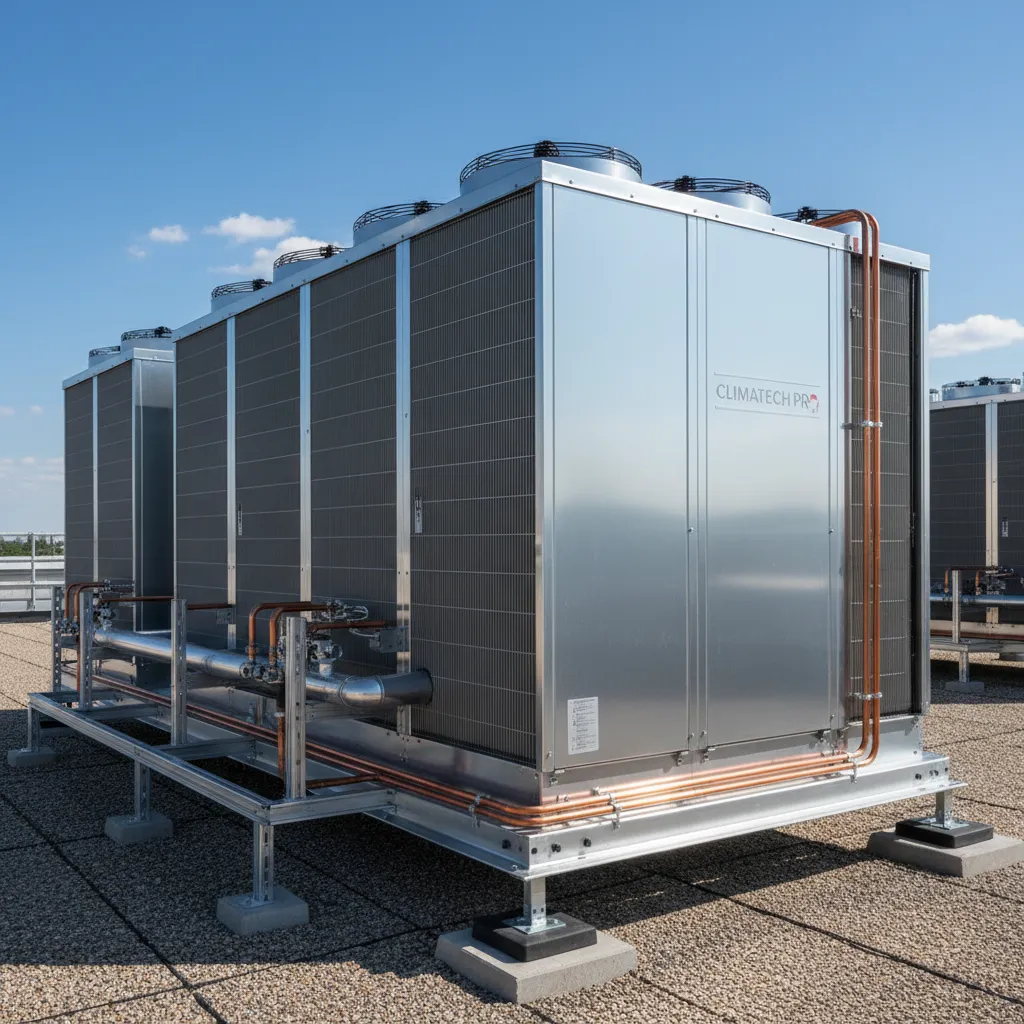
How Does Smart Building Automation Enhance HVAC Performance?
An energy-efficient HVAC system is only as good as the logic that controls it. Smart building automation systems (BAS) or Building Management Systems (BMS) act as the central nervous system of a commercial property. In the New Zealand market, where electricity prices can fluctuate and peak demand charges are high, automation is essential for maintaining thin operational margins.
Demand-Controlled Ventilation (DCV)
Traditional HVAC systems often operate on a fixed schedule, ventilating spaces regardless of occupancy. Demand-Controlled Ventilation uses CO2 sensors to monitor real-time occupancy levels. When a meeting room is empty, the system scales back the fresh air intake and thermal conditioning, significantly reducing the load on the fans and compressors. In high-density developments like office towers or educational facilities, DCV is one of the fastest ways to improve a building’s energy profile without sacrificing occupant comfort.
IoT and Predictive Analytics
Modern HVAC systems are increasingly integrated with the Internet of Things (IoT). Sensors throughout the building collect data on temperature, humidity, and airflow, which is then analyzed by AI-driven software. This allows the system to engage in “predictive cooling” or “predictive heating.” For instance, if the weather forecast for Wellington predicts a sudden cold snap, the BMS can pre-heat the building during off-peak hours when electricity is cheaper and the grid is less carbon-intensive, using the thermal mass of the building to maintain comfort throughout the day.

How to Achieve Compliance with H1 Energy Efficiency Standards?
The New Zealand Building Code’s H1 Energy Efficiency clause has recently undergone its most significant update in over a decade. For developers, understanding these changes is no longer optional—it is a mandatory requirement for building consent. The 5th edition of H1 focuses heavily on the building envelope, but the HVAC system plays a pivotal role in the overall energy modeling (H1/VM1) and schedule methods (H1/AS1).
Understanding the 5th Edition Requirements
The new standards have divided New Zealand into six distinct climate zones, recognizing that a building in subtropical Auckland has vastly different thermal needs than one in subalpine Queenstown. The HVAC system must be sized to match the improved R-values of the building’s insulation. Because the new code requires much higher levels of insulation and better-performing windows, the actual heating and cooling loads of modern buildings are often lower than in the past. This allows developers to specify smaller, more efficient HVAC units, potentially offsetting the higher cost of the building envelope.
Modeling vs. Schedule Method
Developers generally choose between the Schedule Method (prescriptive) and the Modeling Method (performance-based). For complex commercial builds, the Modeling Method is often preferred. It allows for trade-offs; for example, if a developer wants more glazing than the Schedule Method permits, they can compensate by installing an exceptionally high-efficiency HVAC system. This flexibility is vital for high-end architectural projects where aesthetic and energy performance must coexist.
Why is Maintenance Critical for Long-term Efficiency?
A common mistake in the NZ development sector is treating HVAC as a “set and forget” asset. In reality, the efficiency of even the most advanced system will degrade by 5-10% per year without proper maintenance. In coastal New Zealand cities, where salt-laden air is a constant threat, maintenance is also a matter of structural integrity.
Preventative vs. Reactive Maintenance
Reactive maintenance—fixing things only when they break—is the most expensive way to manage a building. Preventative maintenance involves scheduled inspections, filter replacements, and coil cleanings. For energy efficient HVAC NZ, clean coils are paramount. When evaporator or condenser coils are coated in dust or salt, the system must work harder to achieve the same heat exchange, driving up power bills and shortening the lifespan of the compressor.
The Role of Remote Monitoring
Many modern commercial HVAC contracts now include remote monitoring. Service providers can see real-time performance data and identify issues before they lead to a system failure. For example, if a refrigerant leak is detected early through pressure sensors, it can be repaired before the system loses its cooling capacity and begins wasting energy. This “continuous commissioning” ensures that the building performs as well in year ten as it did on day one.
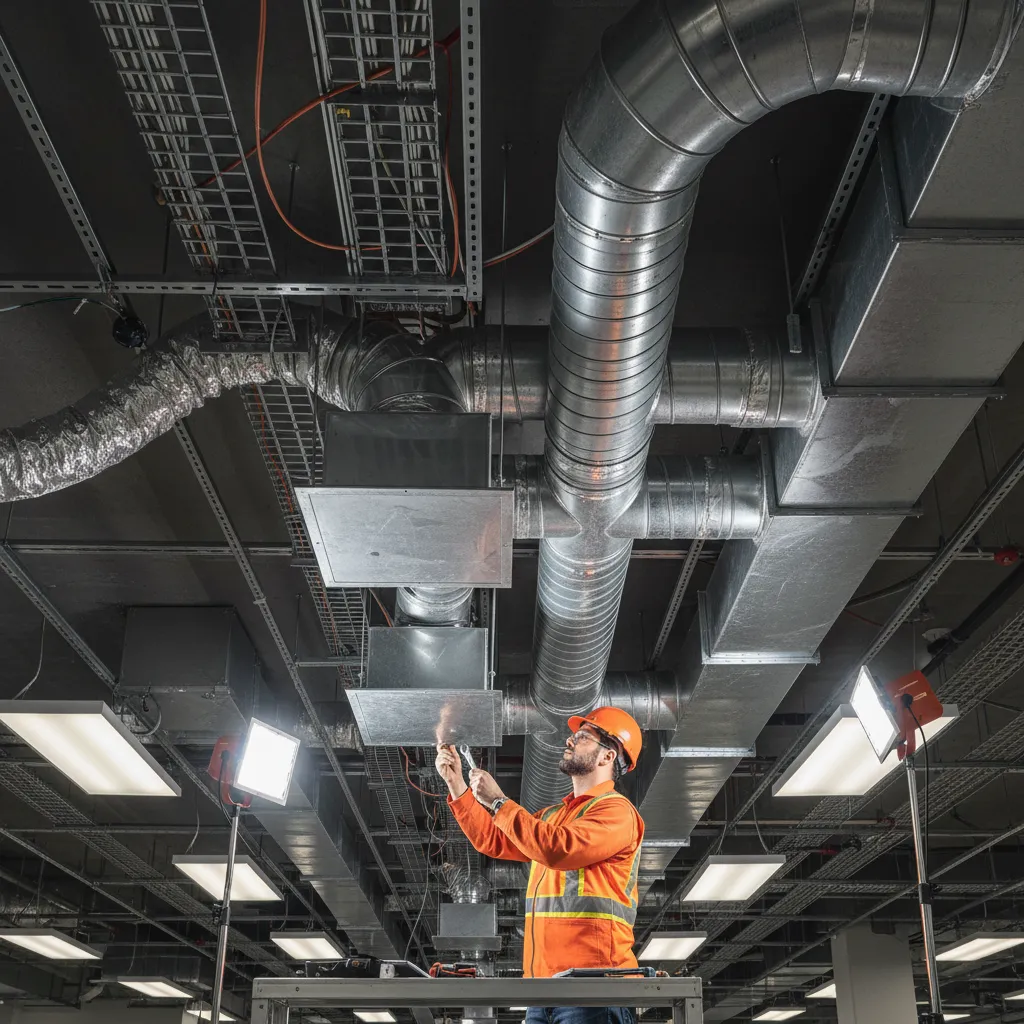
The Economics of the Carbon Economy and Asset Value
The shift toward energy efficient HVAC NZ is being driven as much by finance as by environmentalism. Institutional investors and high-quality tenants are increasingly demanding buildings with high NABERSNZ ratings. A building with a 5 or 6-star NABERSNZ rating typically commands higher rents, experiences lower vacancy rates, and has a higher resale value.
Operational Savings and ROI
While the upfront cost of a high-efficiency VRF system with smart controls may be 15-20% higher than a basic system, the Return on Investment (ROI) is often realized within 3 to 5 years through reduced energy bills. In the context of the New Zealand carbon economy, where the price of carbon is expected to rise, reducing the energy intensity of a building is a critical risk-management strategy. Developers who prioritize HVAC efficiency are not just building for today; they are creating resilient assets that will remain competitive in a low-carbon future.
People Also Ask (PAA)
What are the new H1 energy efficiency requirements for NZ commercial buildings?
The H1 5th edition updates require significantly higher R-values for the building envelope and more rigorous energy modeling. Commercial buildings must now demonstrate a substantial reduction in energy use for heating and cooling compared to previous standards, often necessitating high-efficiency heat pumps and smart controls.
How does a VRF system improve energy efficiency in large-scale developments?
VRF (Variable Refrigerant Flow) systems vary the flow of refrigerant to match the exact demand of each zone. Heat recovery VRF systems can also move heat from one part of the building to another, drastically reducing the energy needed for climate control in mixed-use or large office spaces.
Are gas boilers still viable for new commercial builds in New Zealand?
While not explicitly banned, gas boilers are increasingly difficult to justify due to the Building for Climate Change program and the push for electrification. Most developers are opting for electric heat pump water heaters and space heaters to align with carbon reduction goals and avoid future carbon taxes.
What is the ROI on installing smart HVAC automation?
The ROI for smart HVAC automation typically falls between 2 and 5 years. By optimizing start/stop times and using occupancy-based ventilation, these systems can reduce HVAC energy consumption by 20% or more, leading to significant annual operational savings.
How does the NZ carbon economy affect HVAC choices for developers?
The carbon economy incentivizes the use of low-GWP refrigerants and high-efficiency electric systems. As carbon prices rise, the cost of operating inefficient or fossil-fuel-reliant systems will increase, making energy-efficient electric HVAC the more financially sound long-term investment.
What maintenance is required for commercial energy-efficient HVAC systems?
Essential maintenance includes quarterly filter changes, annual coil cleaning (especially in coastal areas), checking refrigerant levels, and updating BMS software. Regular calibration of sensors is also vital to ensure the automation logic remains accurate.
About The Author
