Auckland Regional Climate Action
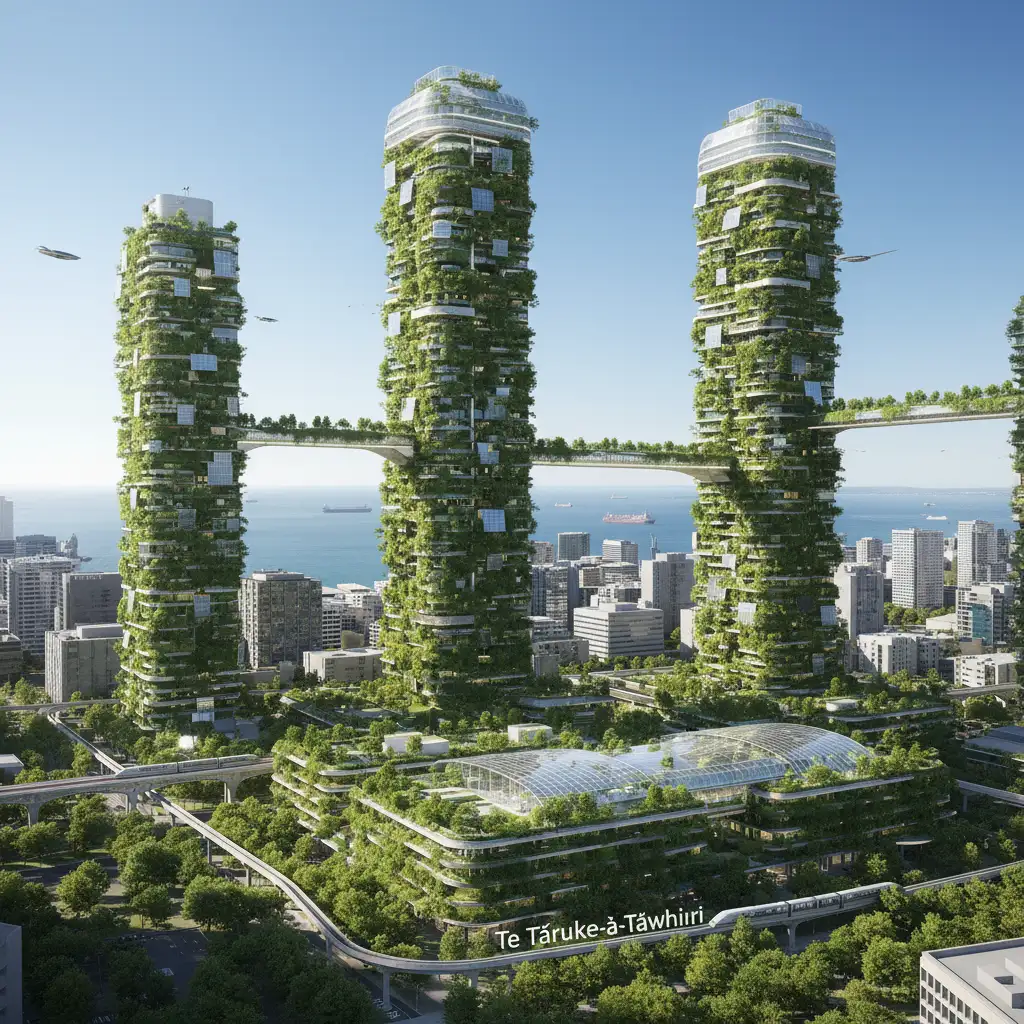
Auckland regional climate action is defined by Te Tāruke-ā-Tāwhiri: Auckland’s Climate Plan, a strategic framework designed to halve regional greenhouse gas emissions by 2030 and achieve net-zero status by 2050. This comprehensive policy integrates decarbonized transport, sustainable housing, and indigenous Māori knowledge to ensure the region meets New Zealand’s national Zero Carbon Act obligations.
As New Zealand’s economic hub and most populous city, Auckland plays a pivotal role in the nation’s trajectory toward a low-carbon future. The region’s response to the climate emergency is not merely about emissions reduction; it represents a fundamental shift in urban planning, economic development, and community resilience. Under the umbrella of national legislation like the Climate Change Response (Zero Carbon) Amendment Act, Auckland Council and its partners have mobilized resources to address the dual challenges of mitigation and adaptation.
What is Te Tāruke-ā-Tāwhiri?
Te Tāruke-ā-Tāwhiri is Auckland’s deeply integrated climate plan, adopted in 2020, which sets the roadmap for a zero-carbon, climate-resilient region. Unlike traditional municipal plans, it was co-developed with Mana Whenua, embedding Māori values and indigenous wisdom (mātauranga Māori) at its core.
The plan identifies three key pillars: a resilient, healthy, and low-carbon Auckland. To achieve the ambitious goal of a 50% reduction in emissions by 2030 (against 2016 levels), the framework outlines eight priority action areas. These priorities range from natural environment restoration to energy transformation and built environment reform.
The Role of the Climate Action Targeted Rate (CATR)
Policy without funding is merely aspiration. To operationalize Te Tāruke-ā-Tāwhiri, Auckland Council introduced the Climate Action Targeted Rate (CATR). This ring-fenced fund is projected to raise over $574 million over ten years. This direct injection of capital allows for the acceleration of decarbonization projects that would otherwise be delayed by general budget constraints. The CATR specifically targets high-impact areas such as the electrification of the ferry fleet and the expansion of urban ngahere (forests).
How is Auckland Decarbonizing Transport?
Transport is the single largest source of greenhouse gas emissions in Auckland, accounting for over 40% of the region’s total profile. Therefore, Auckland regional climate action is heavily weighted toward revolutionizing how people and goods move across the isthmus.
Electrification of Public Transit
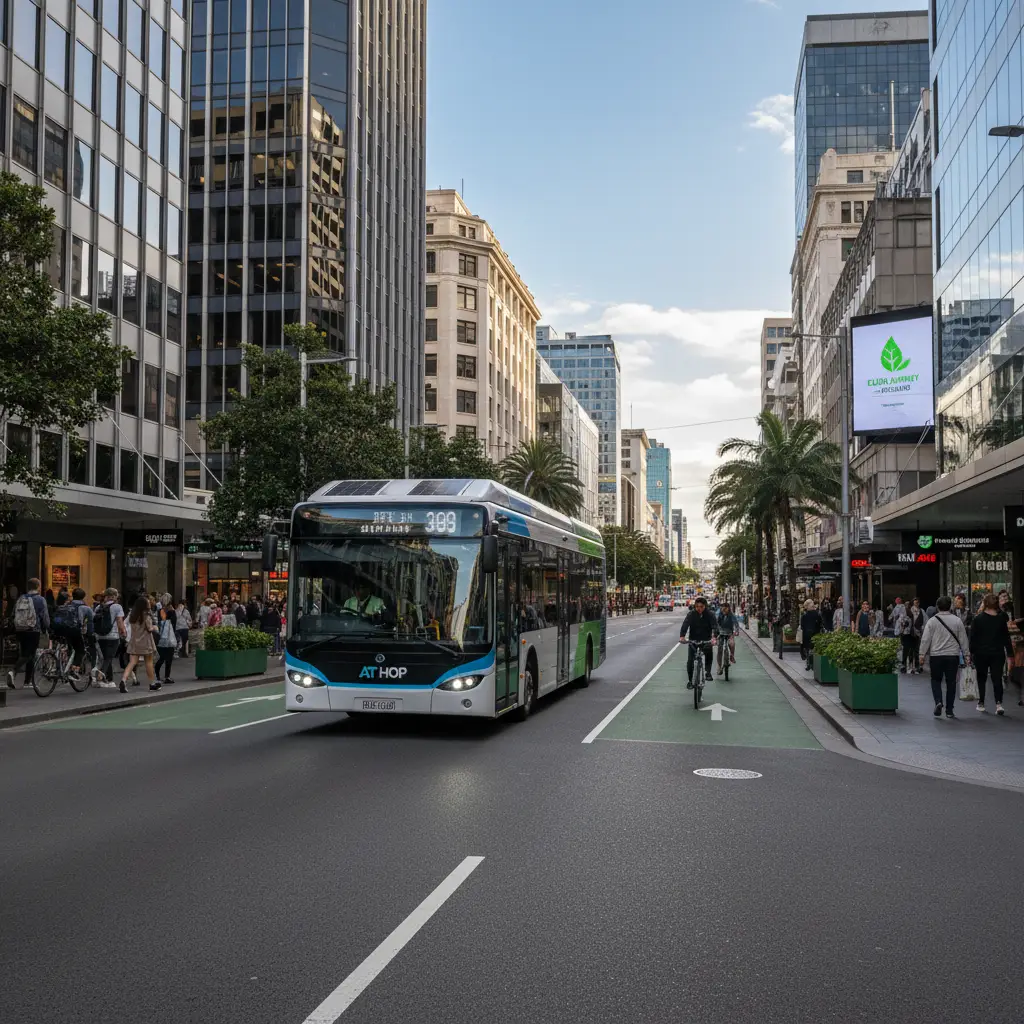
A primary objective is the rapid transition from diesel to electric public transport. The plan mandates that all new buses entering the fleet must be zero-emission. Furthermore, the iconic Auckland ferry network is undergoing a significant overhaul. The introduction of low-emission ferries is critical, not only for reducing carbon output but also for improving air quality around the Waitematā Harbour.
Encouraging Mode Shift and Active Transport
Replacing internal combustion engines with electric batteries is necessary but insufficient. True climate action requires a “mode shift”—reducing reliance on private vehicles entirely. Auckland Transport is investing heavily in cycling infrastructure and walkable neighborhoods. Projects like the Eastern Busway and the expansion of the cycleway network are designed to make active transport a safer and more viable option for commuters. The goal is to create a “15-minute city” dynamic where essential services are accessible without a car.
What Housing Changes are Required?
The built environment contributes significantly to both embodied carbon (emissions from construction materials) and operational carbon (energy used for heating and cooling). Auckland’s housing strategy under the climate plan focuses on two fronts: retrofitting existing stock and regulating new developments.
Retrofitting for Energy Efficiency
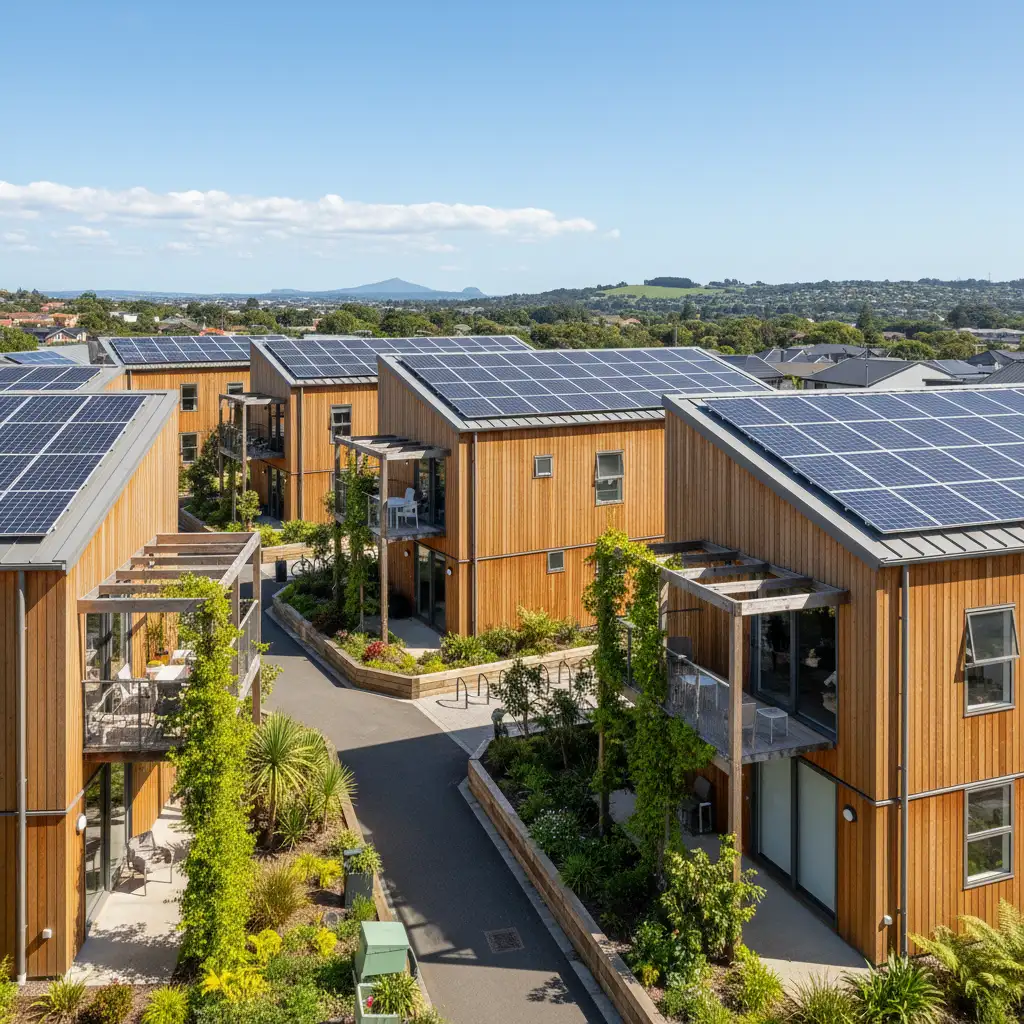
Many Auckland homes are older, poorly insulated, and damp, leading to high energy consumption and poor health outcomes. Climate action initiatives include subsidies and programs to retrofit these homes with proper insulation, double glazing, and efficient heat pumps. This aligns with the “Healthy Homes Standards” but pushes further toward passive house principles to reduce the energy load on the national grid.
Compact Urban Form
Urban sprawl is a climate enemy. Expanding the city limits destroys carbon-sequestering rural land and increases transport emissions. Auckland’s Unitary Plan encourages intensification—building up rather than out. By concentrating housing near public transport hubs (Transit-Oriented Development), the region reduces the per-capita carbon footprint. This shift requires a cultural adjustment for Aucklanders accustomed to the quarter-acre dream, but it is an essential component of the regional climate strategy.
How Does Community Resilience Work?
Mitigation stops the problem from getting worse, but adaptation deals with the impacts that are already locked in. Auckland is increasingly vulnerable to extreme weather events, sea-level rise, and coastal inundation. Resilience projects are critical for protecting infrastructure and communities.
Adapting to Coastal Change
With thousands of kilometers of coastline, Auckland faces immediate threats from rising seas. Shoreline Management Plans (SMPs) have been developed to determine the long-term strategy for different coastal areas. Strategies range from “hold the line” (building sea walls) to “managed retreat” (moving infrastructure and housing away from high-risk zones). These are difficult conversations, but they are integral to responsible regional governance.
Māori-Led Environmental Stewardship
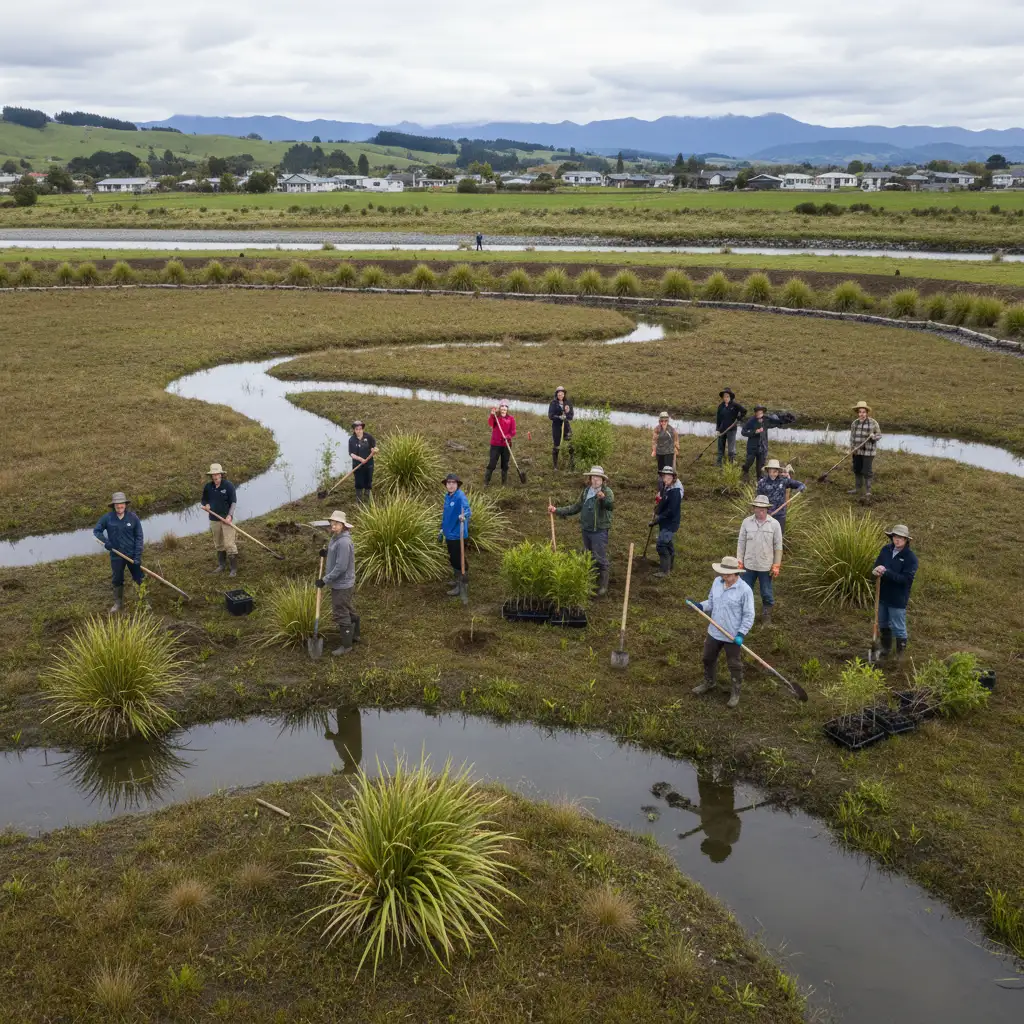
Te Tāruke-ā-Tāwhiri emphasizes Kaitiakitanga (guardianship). Mana Whenua are leading projects to restore wetlands and waterways, which act as natural sponges during heavy rainfall events—mitigating flood risks naturally. This integration of indigenous knowledge with modern engineering provides a robust framework for climate adaptation that respects the land and its history.
The Economics of Climate Action
Transitioning to a low-carbon economy presents both costs and significant economic opportunities. The “Green Economy” in Auckland is expected to drive innovation and job creation.
The Cost of Inaction
Critics often cite the cost of climate initiatives, yet economic analysis demonstrates that the cost of inaction is far higher. Extreme weather events, such as the 2023 Auckland Anniversary floods, caused billions in damage to infrastructure and private property. Investing in resilient infrastructure now is fiscally responsible risk management.
Green Jobs and Innovation
The shift to a circular economy creates demand for new skill sets. From EV mechanics to sustainable construction experts and renewable energy technicians, the climate action plan stimulates workforce development. Auckland’s innovation sector is also developing agritech and clean energy solutions that have export potential, positioning the region as a leader in the Pacific green market.
People Also Ask
What is the Auckland Climate Action Targeted Rate?
The Climate Action Targeted Rate (CATR) is a specific tax levied by Auckland Council to fund climate initiatives. It is expected to raise $574 million over 10 years to pay for better bus services, low-emission ferries, and planting thousands of native trees.
How does Te Tāruke-ā-Tāwhiri affect homeowners?
The plan encourages homeowners to improve energy efficiency through insulation and clean heating. It also influences zoning laws to promote higher density living near transport hubs and may affect insurance premiums or property viability in coastal zones identified for managed retreat.
What are the main sources of emissions in Auckland?
Transport is the largest contributor, accounting for over 40% of Auckland’s emissions. This is followed by stationary energy (electricity and gas use in industry and buildings) and industrial processes.
Is Auckland on track to meet its 2030 climate goals?
While significant progress has been made in planning and funding (via CATR), reports suggest that the region faces steep challenges to meet the 50% reduction target by 2030. Accelerated action in transport decarbonization is required to close the gap.
How can Auckland businesses contribute to climate action?
Businesses can contribute by auditing their carbon footprint, transitioning corporate fleets to EVs, reducing waste through circular economy principles, and adopting sustainable procurement policies.
What is the role of Mana Whenua in Auckland’s climate plan?
Mana Whenua were co-partners in developing Te Tāruke-ā-Tāwhiri. Their role involves applying Māori values like Kaitiakitanga (guardianship) to decision-making, ensuring that climate actions restore the mauri (life force) of the natural environment.
About The Author
