Aviation Decarbonization Roadmap NZ
Aviation decarbonization NZ refers to the strategic framework and technological transition aimed at achieving net-zero carbon emissions within New Zealand’s aviation sector by 2050. This involves adopting Sustainable Aviation Fuels (SAF), deploying zero-emissions electric and hydrogen-powered aircraft for regional networks, and implementing rigorous government policies and infrastructure upgrades to meet global climate commitments.
The Strategic Path for Aviation Decarbonization NZ
New Zealand faces a unique challenge and opportunity regarding aviation decarbonization. As an island nation heavily reliant on air connectivity for both domestic logistics and international tourism, the carbon footprint of the aviation sector is disproportionately significant. The aviation decarbonization nz roadmap is not merely an environmental necessity but a strategic imperative to preserve the nation’s “100% Pure” brand and ensure long-term economic resilience in a carbon-constrained global market.
The roadmap focuses on a multi-tiered approach: immediate efficiency gains, medium-term fuel substitution via Sustainable Aviation Fuel (SAF), and long-term technological disruption through electric and hydrogen propulsion. Given that domestic aviation accounts for a substantial portion of the country’s transport emissions, the initial focus remains heavily on decarbonizing the regional network, which serves as a perfect testing ground for emerging technologies due to the short distances between major urban centers.
Electric and Hydrogen Aircraft Potential in NZ
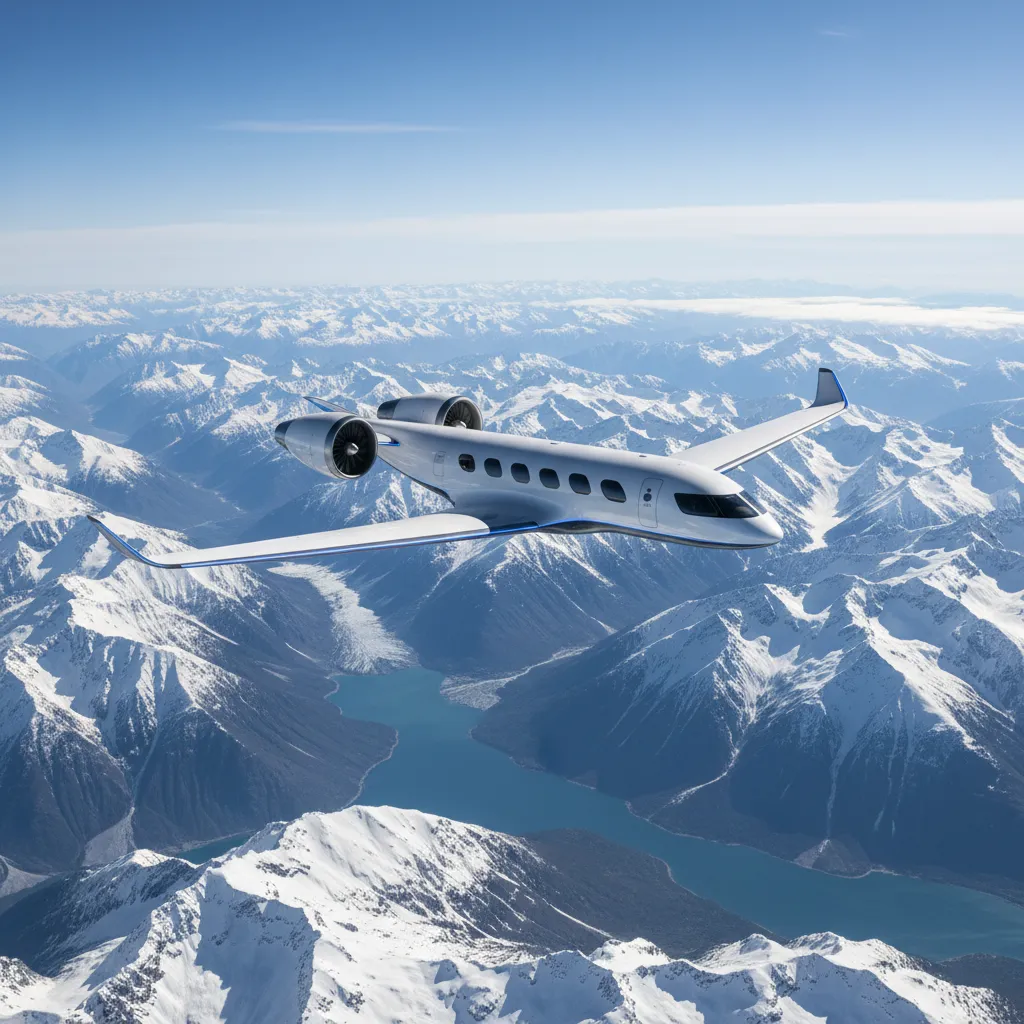
How do electric and hydrogen aircraft fit into the NZ landscape? New Zealand is uniquely positioned to lead the world in zero-emissions flight due to its highly renewable electricity grid and short-haul regional routes. The potential for electric and hydrogen aircraft in NZ is vast, specifically for routes under 400 kilometers which represent a significant volume of domestic traffic.
Battery-Electric Propulsion for Regional Routes
Battery-electric aircraft are the most immediate prospect for zero-emission flight in New Zealand. Air New Zealand’s “Mission Next Gen Aircraft” program has already identified battery-electric planes as the primary candidate for replacing its aging Q300 fleet on short regional hops. These aircraft, such as the ALIA eCTOL developed by Beta Technologies, offer lower operating costs and zero tailpipe emissions. However, the energy density of current battery technology remains a limitation, restricting these aircraft to smaller capacities (typically 9-19 passengers) and shorter ranges in the near term.
The Hydrogen Advantage for Longer Distances
For medium-haul domestic routes, such as Auckland to Christchurch, hydrogen-electric propulsion offers a more viable path than pure battery power. Hydrogen fuel cells provide a much higher energy-to-weight ratio, allowing for larger aircraft and longer flight times. New Zealand’s abundant potential for green hydrogen production—leveraging wind, solar, and geothermal energy—creates a vertical integration opportunity where the fuel is produced, stored, and consumed entirely within the country, insulating the aviation sector from international oil price volatility.
Government Policy on Aviation Emissions
What is the government doing to support aviation decarbonization? The New Zealand government plays a critical role through the Zero Carbon Act and the Emissions Trading Scheme (ETS). Current policy focuses on creating a regulatory environment that incentivizes the adoption of low-carbon technologies while penalizing high-emission practices.
Sustainable Aviation Fuel (SAF) Mandates
One of the most significant policy levers under discussion is a Sustainable Aviation Fuel mandate. SAF, which can be dropped into existing aircraft engines without modification, is essential for decarbonizing long-haul flights that cannot yet be served by electric or hydrogen tech. The government is exploring mandates that would require fuel suppliers to blend a specific percentage of SAF into conventional jet fuel, mirroring successful policies in the European Union and the United Kingdom.
International Alignment and CORSIA
New Zealand is a signatory to the Carbon Offsetting and Reduction Scheme for International Aviation (CORSIA), managed by the International Civil Aviation Organization (ICAO). This ensures that NZ-based carriers are aligned with global standards for monitoring, reporting, and offsetting emissions from international flights. By integrating domestic policy with international frameworks, NZ ensures its aviation sector remains competitive and compliant with the evolving expectations of global travelers.
Infrastructure Requirements for Green Fuels
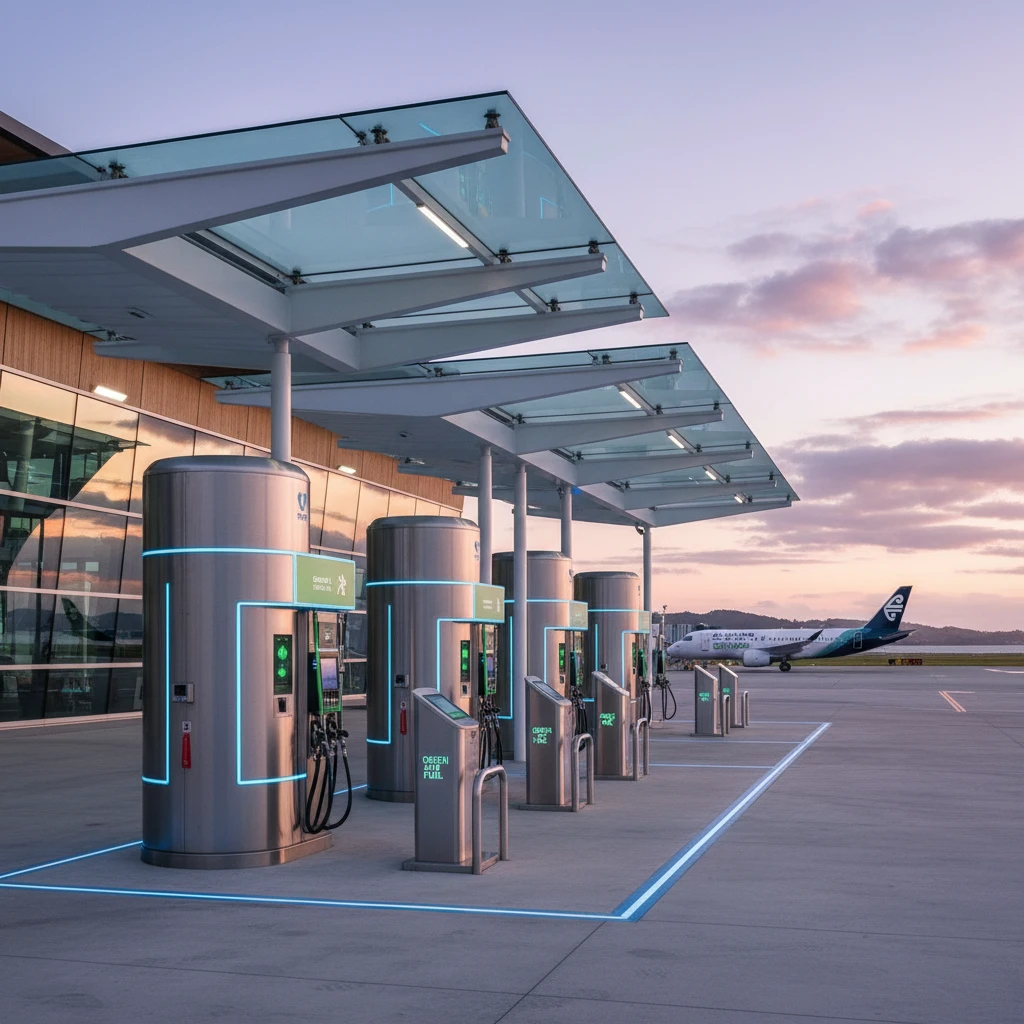
The transition to green aviation requires a radical overhaul of airport infrastructure. Current facilities are designed for liquid fossil fuels; the shift to electricity and hydrogen demands entirely new logistical chains. Infrastructure requirements for green fuels in NZ include high-capacity charging stations, cryogenic hydrogen storage facilities, and localized SAF production plants.
Airport Electrification and Grid Stability
To support a fleet of electric aircraft, airports like Auckland, Wellington, and Christchurch will require massive upgrades to their electrical grid connections. Rapid charging for multiple aircraft simultaneously places a significant load on the local network. This necessitates the installation of large-scale battery storage systems at airports to manage peak demand and ensure that the electricity used is truly green, sourced from NZ’s renewable-heavy grid during off-peak hours.
Developing a Local SAF Supply Chain
Currently, New Zealand imports nearly all its aviation fuel. Decarbonization provides an opportunity to build a domestic SAF industry using local feedstocks such as forestry residues, municipal waste, and used cooking oil. A 2023 study by the SAF Consortium highlighted that a local industry could not only reduce emissions but also enhance fuel security and create high-value jobs in the regional sectors. However, the capital expenditure required for bio-refineries is substantial, requiring public-private partnerships to de-risk the investment.

Timeline for Zero-Emission Domestic Flights
When will we see zero-emission flights in NZ? The timeline for zero-emission domestic flights is aggressive but achievable, structured around several key milestones over the next three decades. The aviation decarbonization nz roadmap envisions a phased transition that allows for technological maturation and infrastructure deployment.
2025-2030: The Demonstration Phase
Between 2025 and 2030, the focus is on pilot programs and technology demonstrators. Air New Zealand expects to begin commercial cargo flights using electric aircraft by 2026. This period will also see the first small-scale SAF blending at major airports and the commencement of infrastructure planning for hydrogen refueling. The goal is to prove the safety and reliability of these technologies in the unique New Zealand climate and topography.
2030-2040: Scaling and Commercialization
This decade will mark the beginning of the end for fossil-fuel reliance on regional routes. As battery energy density improves and hydrogen fuel cells become commercially viable for larger aircraft, we expect to see the gradual retirement of turbo-prop aircraft in favor of zero-emission alternatives. By 2035, a significant percentage of short-haul domestic flights should be powered by electricity or hydrogen, and SAF blending levels are expected to reach 10-20% across the board.
2050: The Net-Zero Destination
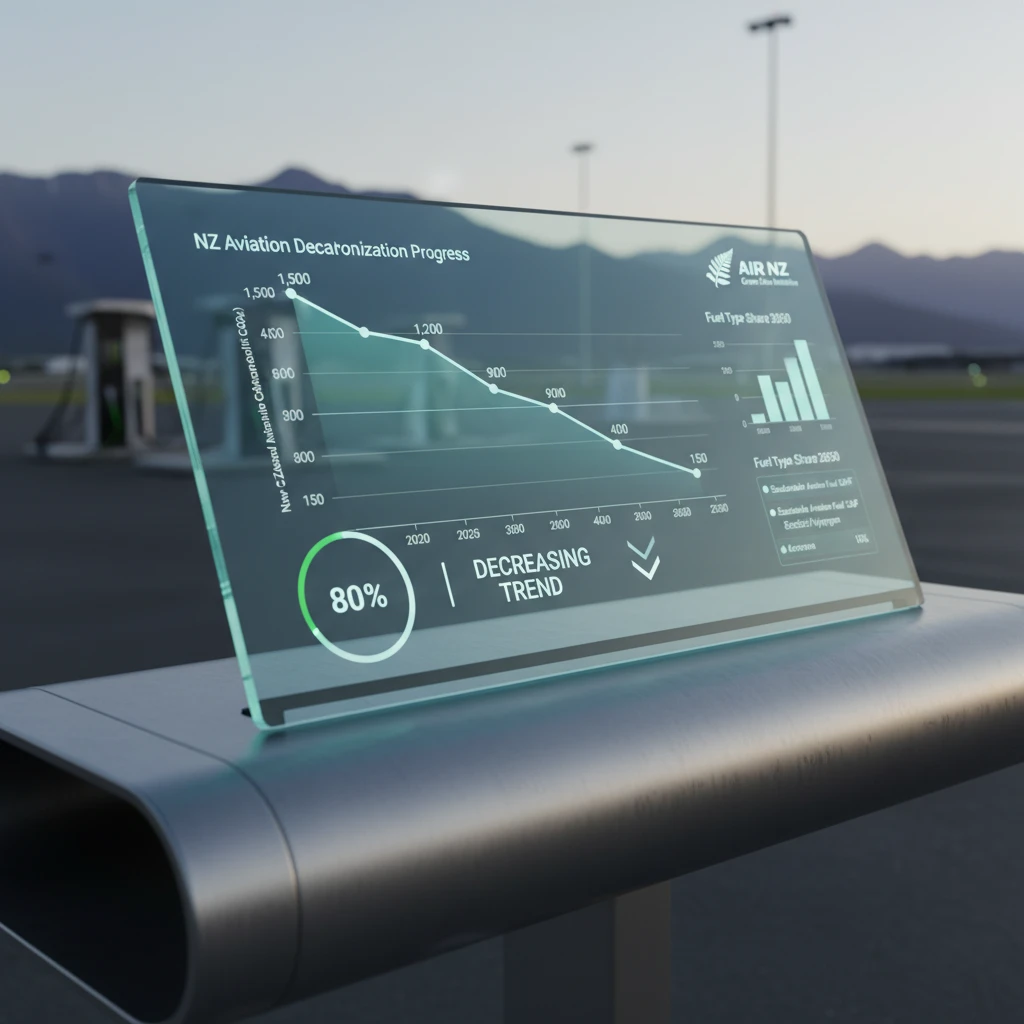
By 2050, the roadmap targets full net-zero emissions for the entire aviation sector. This includes 100% zero-emission domestic flight operations and the use of high-concentration SAF or synthetic e-fuels for all remaining long-haul international flights. Achieving this will require the complete maturation of the green hydrogen economy and a fully circular bio-economy for SAF production.
Economic Impact and Global Competitiveness
The economic implications of aviation decarbonization in NZ are profound. While the initial investment in new aircraft and infrastructure is high, the long-term benefits include reduced fuel costs, enhanced energy independence, and the protection of the tourism industry. As global travelers become increasingly carbon-conscious, New Zealand’s ability to offer low-carbon travel options will be a major competitive advantage.
Furthermore, the development of a domestic SAF industry and hydrogen production capabilities could turn New Zealand into a regional energy hub for the South Pacific. By exporting technology and expertise in green aviation, NZ can leverage its early-mover advantage to drive economic growth while meeting its environmental obligations. The transition is not just about reducing emissions; it is about reinventing the economy for a sustainable future.
When will electric planes fly in NZ?
Air New Zealand aims to launch its first commercial electric flight, initially for cargo, by 2026. Passenger services on small regional routes are expected to follow shortly after as the technology and regulatory approvals mature.
What is Sustainable Aviation Fuel (SAF)?
SAF is a low-carbon alternative to traditional jet fuel made from renewable resources like forestry waste, used cooking oil, or municipal trash. It can be mixed with regular fuel and used in existing aircraft engines.
How does NZ plan to reach net-zero aviation?
The plan involves a combination of adopting electric and hydrogen aircraft for short distances, mandating the use of Sustainable Aviation Fuels for long-haul flights, and improving operational efficiencies across the board.
Is hydrogen or electric better for NZ flights?
Both are needed. Electric is ideal for very short regional hops (under 200km), while hydrogen is better suited for medium-range domestic flights (200-800km) due to its higher energy density.
Will aviation decarbonization make flights more expensive?
In the short term, the cost of SAF and new technology may lead to higher ticket prices. However, as the industry scales and fossil fuel taxes rise, green aviation is expected to become more cost-competitive.
What role does Air New Zealand play in decarbonization?
As the national carrier, Air New Zealand is the primary driver of the roadmap, partnering with tech companies to test electric planes and leading the consortium to establish a local SAF industry.
About The Author
