Buying Carbon Offsets NZ
Buying carbon offsets in New Zealand involves purchasing verified credits from certified providers like Toitū, Ekos, or CarbonClick to neutralize your greenhouse gas emissions. These credits fund validated projects, such as native forest regeneration or renewable energy initiatives, allowing individuals and businesses to meet sustainability goals and align with the Zero Carbon Act.
What Does It Mean to Buy Carbon Offsets in NZ?
In the context of New Zealand’s ambitious climate goals, buying carbon offsets is a transactional mechanism used to compensate for emissions that cannot yet be reduced. When you buy carbon offsets in NZ, you are essentially funding a reduction in greenhouse gases elsewhere to balance out your own footprint. This is a critical component of the transition toward a low-carbon economy, particularly for businesses striving to meet the requirements of the Climate Change Response (Zero Carbon) Amendment Act.
It is vital to distinguish between the New Zealand Emissions Trading Scheme (NZ ETS) and the voluntary carbon market. The NZ ETS is the government’s primary tool for meeting international climate obligations, requiring certain sectors to surrender New Zealand Units (NZUs) for their emissions. However, for most individuals and small-to-medium enterprises (SMEs) looking to “buy carbon offsets NZ,” the focus is on the voluntary market. Here, you purchase credits voluntarily to claim carbon neutrality or Climate Positive status, often supporting high-value native biodiversity projects.
How to Calculate Your Offset Needs
Before you can effectively buy carbon offsets, you must quantify your emissions. You cannot manage what you do not measure. The process of calculating your carbon footprint involves an audit of your activities that generate greenhouse gases, typically categorized into three scopes:
- Scope 1: Direct emissions from sources you own or control (e.g., company vehicles, fuel combustion).
- Scope 2: Indirect emissions from the generation of purchased electricity or heat.
- Scope 3: All other indirect emissions in your value chain (e.g., business travel, waste disposal, employee commuting).
For a precise calculation, many New Zealand businesses utilize ISO 14064-1 standards. However, for immediate estimation, several online calculators are tailored to the NZ energy grid and emission factors. Once you have a total figure in tonnes of CO2 equivalent (tCO2e), you can determine how many credits you need to purchase. One carbon credit typically equals one tonne of CO2e removed from the atmosphere.
Who Are the Certified Offset Providers in New Zealand?
To ensure the integrity of your purchase, you must buy from reputable, certified providers. The New Zealand market has several leaders who adhere to strict international standards. Purchasing from these entities ensures that the carbon credits are real, additional, measurable, and permanent.
Toitū Envirocare
Toitū is a subsidiary of Manaaki Whenua – Landcare Research, a Crown Research Institute. They offer one of the most rigorous certification programs in the country, including Toitū carbonzero and Toitū carbonreduce certifications. When you buy offsets through Toitū, you are accessing a portfolio of projects that often includes international renewable energy projects and local native forest regeneration. Their scientific backing provides a high level of assurance for corporate buyers concerned with compliance and reputation.
Ekos
Ekos is a non-profit enterprise that focuses heavily on indigenous reforestation and sustainable land management. They are a preferred choice for those who want their carbon offset purchase to have co-benefits, such as biodiversity enhancement and community resilience. Ekos manages a supply chain of carbon credits grown in New Zealand native forests, which are often priced at a premium due to their ecological value compared to exotic pine plantations.
CarbonClick
For e-commerce businesses and individuals looking for a seamless integration, CarbonClick offers a distinct solution. They provide a “green button” at checkout for retailers, allowing customers to offset the carbon footprint of their purchase instantly. CarbonClick sources high-quality credits from both NZ and international projects, ensuring a split that supports local forestry and global renewable initiatives.

Project Types: Forestry vs. Energy
When you decide to buy carbon offsets in NZ, you will generally choose between two main categories of projects: Forestry and Sustainable Energy. Understanding the difference is crucial for aligning your purchase with your brand values.
Native Forestry Regeneration
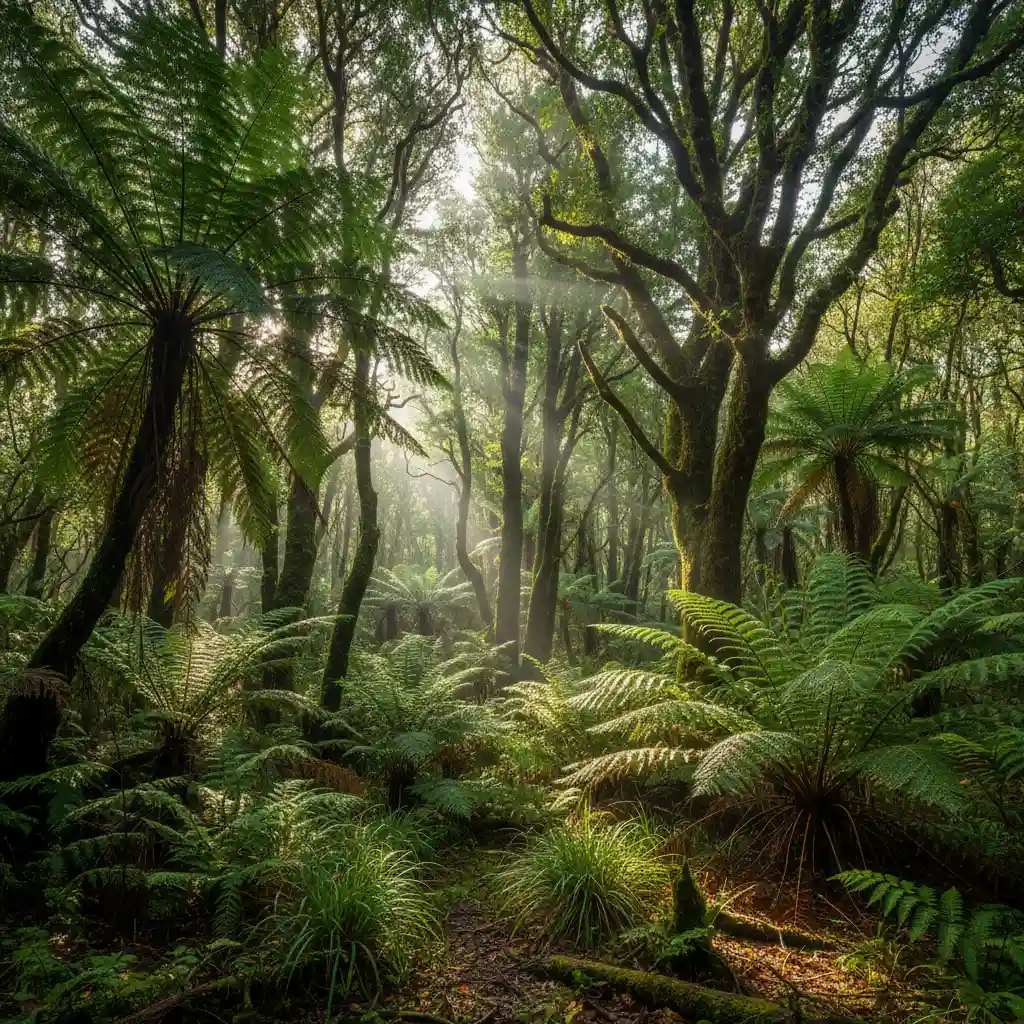
This is the “gold standard” for many New Zealand entities. These projects involve retiring land to allow native bush to regenerate or actively planting native species like Totara, Manuka, and Rimu.
Pros: Supports biodiversity, improves water quality, reduces erosion, and holds deep cultural significance.
Cons: These credits are significantly more expensive than international units due to the high cost of land and management in New Zealand.
Exotic Forestry (Pine)
Pinus radiata grows rapidly and sequesters carbon quickly. While efficient for carbon capture, permanent exotic forests are controversial in NZ due to potential ecological impacts (monocultures) and the risk of creating “green deserts.” However, they remain a cost-effective option for immediate large-scale offsetting within the ETS.
Renewable Energy and International Projects
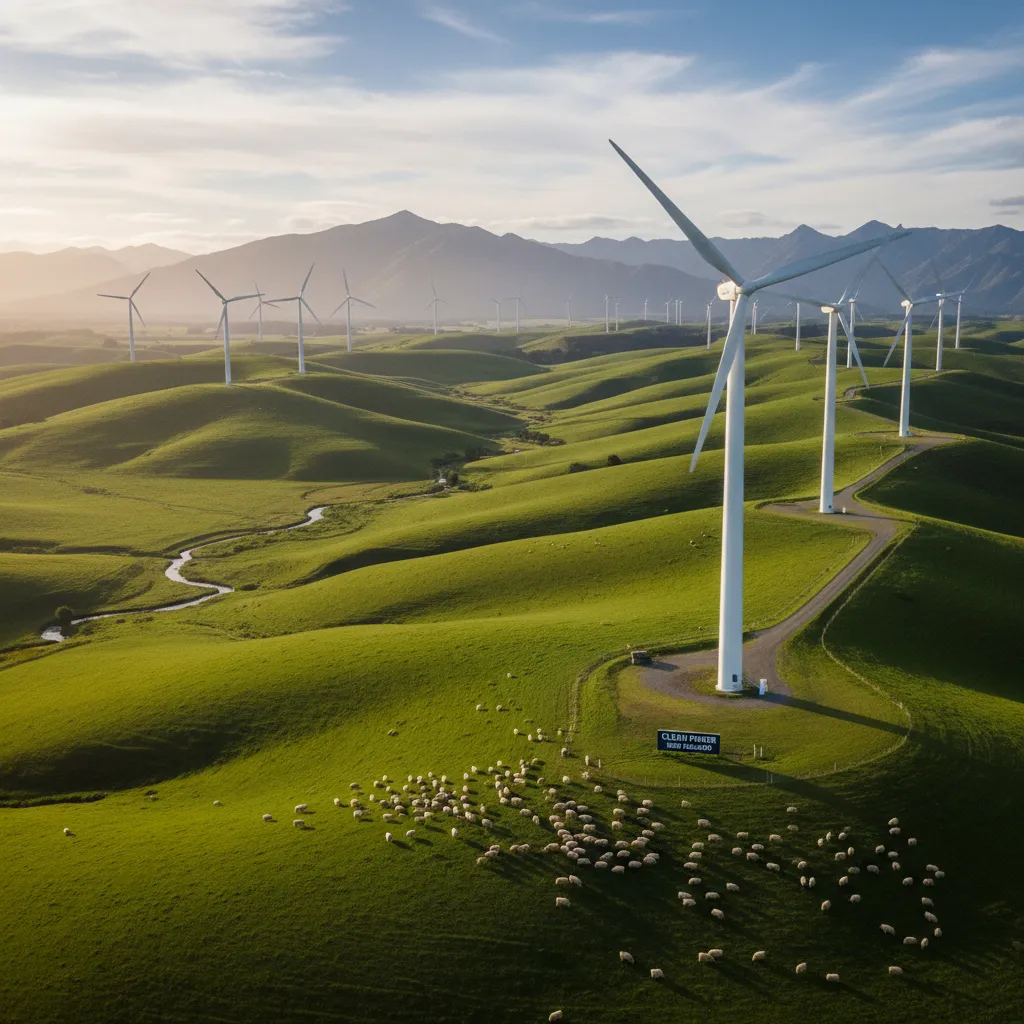
Many providers offer a mix of NZ forestry and international projects (such as wind farms in India or cookstove projects in Africa) to keep the cost per tonne affordable. These projects focus on avoiding emissions rather than sequestering them. While valid, they do not contribute directly to New Zealand’s domestic climate targets in the same way local forestry does.
The Zero Carbon Act and Business Compliance
The Climate Change Response (Zero Carbon) Amendment Act 2019 provides a framework for New Zealand to develop and implement clear and stable climate change policies. For businesses, this legislation signals a future where carbon liability will likely increase. While voluntary offsetting is not currently a legal requirement for all businesses under the Act, it is becoming a de facto requirement for doing business with government agencies and large corporations.
The government has implemented a “Carbon Neutral Government Programme,” requiring public sector agencies to measure and offset their emissions. This trickles down the supply chain; if you want to win government tenders, demonstrating a commitment to carbon neutrality—often through buying carbon offsets—is increasingly necessary. Furthermore, the Act establishes the Climate Change Commission, which advises on carbon budgets. As these budgets tighten, the price of carbon is expected to rise, making early investment in offsetting strategies and long-term supply agreements financially prudent.
Avoiding Greenwashing: Verification Standards
The most significant risk when you buy carbon offsets is “greenwashing”—purchasing credits that do not represent real emission reductions. To avoid this, you must ensure the credits are verified by third-party standards.
The Importance of “Additionality”
A core concept in verification is additionality. This means the project would not have happened without the funding from the carbon credits. If a forest was already protected by law, paying to “protect” it again is not a valid offset. Certified providers rigorously test for additionality.
Key Standards to Look For
- Gold Standard: Widely considered the highest standard for energy and development projects, ensuring rigorous social and environmental safeguards.
- Verified Carbon Standard (VCS/Verra): The world’s most widely used voluntary GHG program.
- Permanent Forest Sink Initiative (PFSI): A New Zealand government scheme that allows landowners to covenant land for permanent forests, generating durable carbon units.
By sticking to these standards and accredited NZ providers, you mitigate the risk of purchasing “junk credits” and ensure your money delivers tangible environmental benefits.

People Also Ask (PAA)
How much does it cost to buy carbon offsets in NZ?
The price varies significantly based on the project type. International renewable energy credits can cost between $20 and $40 NZD per tonne. However, premium New Zealand native forestry credits often range from $80 to over $120 NZD per tonne due to the high cost of land and ecological maintenance.
Are carbon offsets tax deductible in New Zealand?
generally, if buying carbon offsets is considered a necessary expense for carrying on your business (e.g., for marketing a ‘green’ product or meeting tender requirements), it may be deductible. However, tax laws are complex, and you should consult with a qualified accountant regarding your specific situation and the deductibility of voluntary carbon credits.
Can individuals buy carbon offsets in NZ?
Yes, individuals can easily buy carbon offsets. Providers like CarbonClick and Ekos offer calculators specifically for households, flights, and vehicles, allowing individuals to purchase small quantities of credits to offset their personal lifestyle emissions.
What is the difference between NZU and voluntary credits?
NZUs (New Zealand Units) are the currency of the mandatory NZ Emissions Trading Scheme (ETS) used by large emitters for compliance. Voluntary credits are purchased by businesses and individuals who want to take responsibility for their emissions voluntarily. While you can buy and cancel NZUs voluntarily, most voluntary buyers prefer specific project credits (like native forests) for the narrative and biodiversity benefits.
How do I know if a carbon offset is legitimate?
Look for certification from recognized bodies such as Toitū, the Gold Standard, or Verra. Ensure the provider offers a registry where you can see the retirement of your specific credits to prevent ‘double counting,’ where the same credit is sold to two different buyers.
Does planting trees in my garden count as offsetting?
Generally, no. To count as a valid carbon offset, the planting must be of a significant scale, meet specific methodology requirements for carbon sequestration measurement, be legally protected (permanent), and be audited by a third party. Backyard planting, while beneficial, rarely meets the strict criteria for tradeable carbon credits.
About The Author
