Eco-friendly Accommodation Standards NZ
Eco-friendly accommodation in NZ refers to lodging establishments that implement rigorous environmental standards, including energy efficiency, waste reduction, and carbon footprint management. These properties often hold certifications like Qualmark’s Sustainable Tourism Business Award, ensuring compliance with New Zealand’s Zero Carbon Act and commitment to preserving Aotearoa’s unique biodiversity through sustainable operations and local sourcing.
Energy Efficiency in NZ Lodges and Hotels
In the context of the New Zealand climate economy, energy efficiency is no longer a luxury—it is a compliance requirement and a core pillar of eco-friendly accommodation. New Zealand lodges and hotels are increasingly adopting the ‘Passive House’ standard or similar high-performance building envelopes to minimize thermal loss. Given New Zealand’s varied climate, from the sub-tropical North to the alpine South, thermal efficiency is paramount.
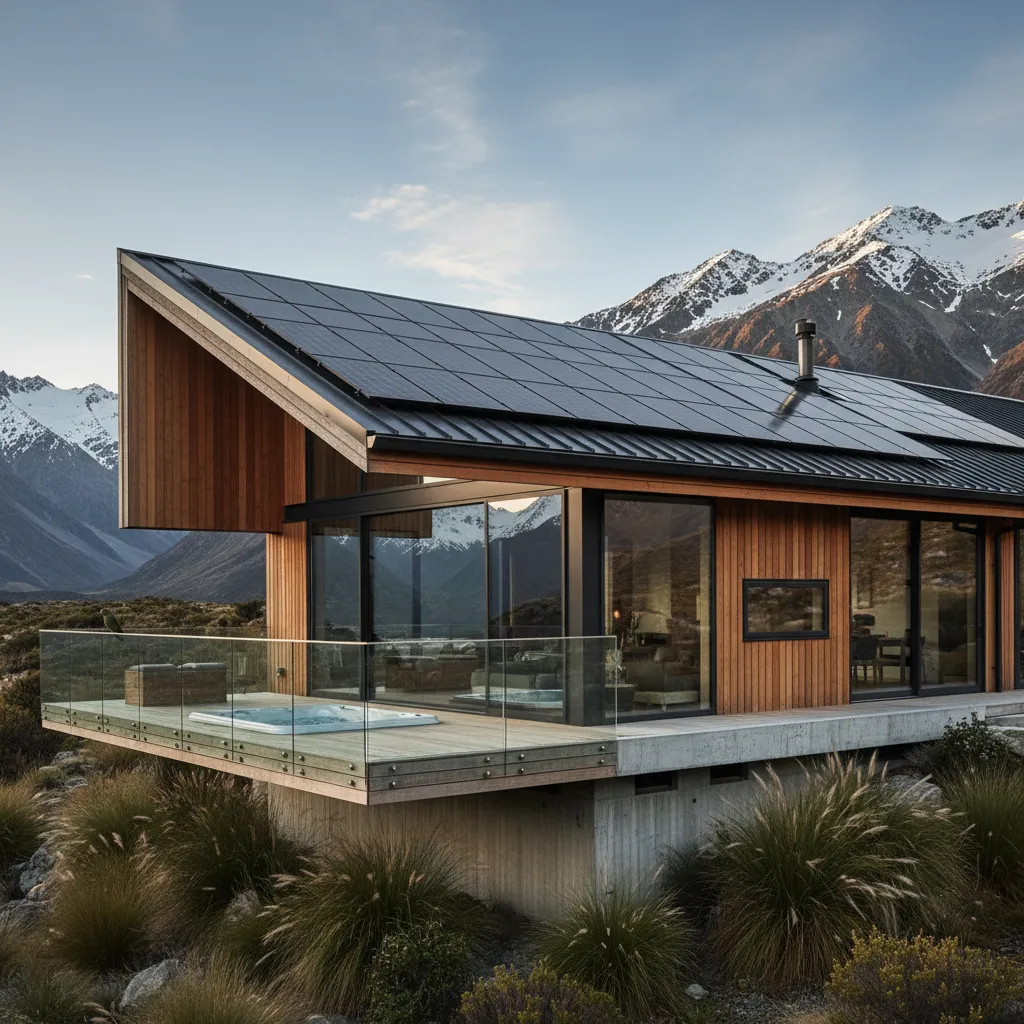
Modern sustainable stays utilize advanced heat pump technology for both space heating and water heating. These systems are significantly more efficient than traditional gas boilers or electric resistance heaters. In many remote luxury lodges, off-grid solar arrays paired with lithium-ion battery storage systems have become the gold standard. This not only reduces the reliance on the national grid but also mitigates the risk of power outages in isolated regions.
Smart Building Management Systems
To achieve the highest tiers of eco-friendly accommodation NZ standards, many properties are integrating Smart Building Management Systems (BMS). These systems use IoT sensors to monitor room occupancy, automatically adjusting lighting and HVAC (Heating, Ventilation, and Air Conditioning) settings when guests are not present. This granular control can reduce energy consumption by up to 30%, directly contributing to the property’s bottom line and environmental goals.
Lighting and High-Performance Insulation
The transition to 100% LED lighting is a baseline requirement. However, the true innovation lies in natural lighting design. Architects are designing New Zealand hotels with skylights and light wells to maximize ‘daylighting,’ reducing the need for artificial light during the day. Furthermore, the use of sustainable insulation materials, such as recycled New Zealand wool or high-R-value hempcrete, ensures that the building remains temperate with minimal mechanical intervention.
Water Conservation and Waste Management
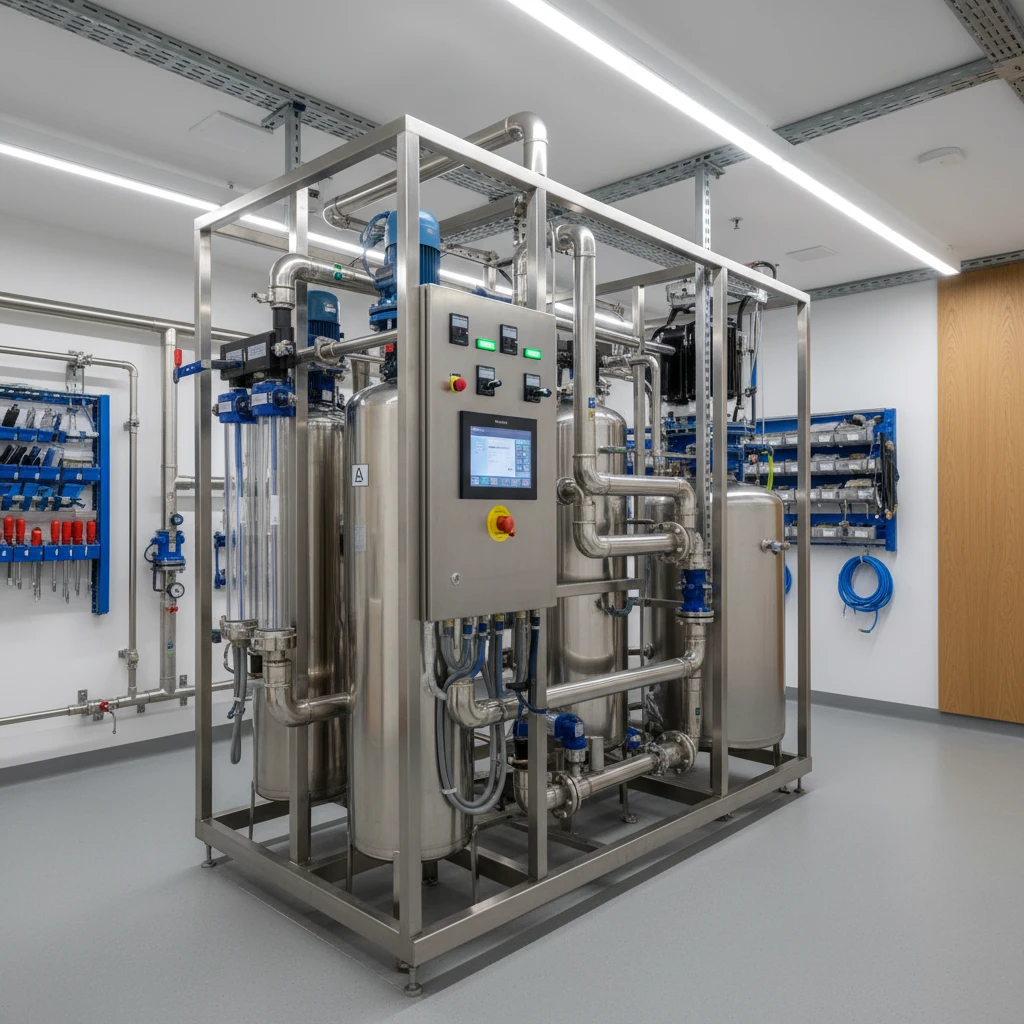
Water is one of New Zealand’s most precious resources, and managing it responsibly is a hallmark of eco-friendly accommodation. In regions like Northland or the Canterbury Plains, where water scarcity can be an issue during summer, lodges have implemented sophisticated rainwater harvesting systems. This water is treated and used for laundry, irrigation, and even toilet flushing, significantly reducing the demand on municipal supplies.
Low-flow fixtures are now standard across the industry. Aerated showerheads and dual-flush toilets can reduce indoor water use by 40%. For luxury properties, the challenge is maintaining a premium guest experience while adhering to these constraints. This is often achieved through high-pressure, low-volume technology that provides a satisfying experience without the excessive water waste.
Waste Minimization and the Circular Economy
The ‘Zero Waste’ movement has gained significant traction in the NZ hospitality sector. Eco-friendly accommodation providers are moving beyond simple recycling to embrace a circular economy model. This involves eliminating single-use plastics entirely—replacing mini-toiletries with bulk dispensers and providing glass bottles for filtered water instead of plastic.
On-site composting is another critical component. Many lodges operate their own organic gardens, fueled by composted food scraps from the hotel kitchen. This creates a closed-loop system where waste is turned back into a resource for food production. For non-organic waste, properties partner with local specialist recyclers to ensure that materials like soft plastics and e-waste are diverted from landfills.
Sourcing Local and Sustainable Supplies
The carbon footprint of a hotel stay extends far beyond the building itself; it includes the entire supply chain. Eco-friendly accommodation in NZ prioritizes ‘hyper-local’ sourcing. This means procuring food, furniture, and amenities from within the region to minimize transportation emissions, often referred to as ‘food miles.’
New Zealand’s culinary scene is a major draw for tourists, and sustainable lodges leverage this by partnering with local farmers, fishers, and artisans. This not only supports the local economy but also ensures that guests receive fresh, seasonal produce that reflects the unique terroir of the region. Many properties now include a ‘provenance map’ in their dining rooms, showing exactly where each ingredient was sourced.

Ethical Procurement and Māori Partnerships
Sustainability also encompasses social responsibility. Leading eco-friendly stays in NZ often engage in ethical procurement policies, prioritizing suppliers who share their environmental values. This frequently involves working with Māori-owned businesses, ensuring that the economic benefits of tourism are shared with iwi and hapū. This approach aligns with the principle of Kaitiakitanga (guardianship), which is central to New Zealand’s environmental identity.
Achieving Carbon Neutral Status for Stays
Achieving carbon neutrality is the ultimate goal for many eco-friendly accommodation providers in NZ. This process begins with a comprehensive carbon audit, often conducted by organizations like Toitū Envirocare. The audit measures all Scope 1, 2, and 3 emissions, including electricity usage, fuel for transport, and even the emissions associated with guest travel to the property.
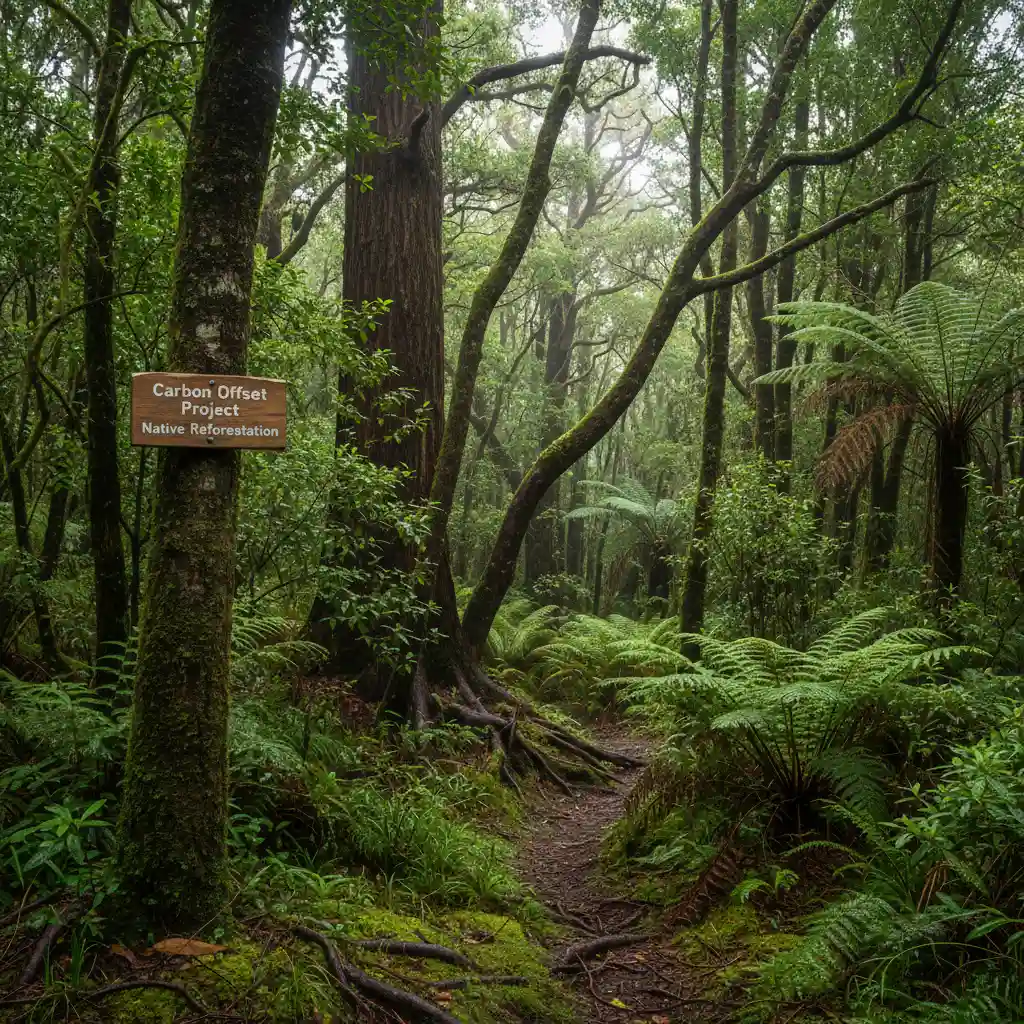
Once the baseline is established, the property must demonstrate a clear plan for emission reduction. For the remaining unavoidable emissions, carbon offsetting is utilized. In New Zealand, this often involves investing in local reforestation projects. Native bush restoration not only sequesters carbon but also provides vital habitats for endangered species like the Kiwi or Kākā.
Moving Toward Carbon Positive
The most ambitious properties are now aiming to be ‘carbon positive’ or ‘climate positive.’ This means they remove more carbon from the atmosphere than they emit. This is achieved through extensive on-site renewable energy generation and large-scale land restoration projects. By staying at such a property, a guest’s net impact on the environment can actually be beneficial, a concept that is increasingly attractive to the conscious traveler.
NZ Climate Compliance and Standards
New Zealand has established several frameworks to verify the sustainability claims of accommodation providers. The most prominent is the Qualmark Sustainable Tourism Business Award. Qualmark, New Zealand tourism’s official quality assurance organization, evaluates businesses across four key areas: economic, environmental, social/cultural, and health and safety.
Properties that achieve a Gold Award are recognized as being among the most sustainable in the country. Additionally, global certifications like EarthCheck and Green Globe are also prevalent in the NZ market, providing international benchmarks for performance. For investors and operators, staying ahead of these standards is crucial as New Zealand moves toward its 2050 net-zero goals under the Climate Change Response (Zero Carbon) Amendment Act.
The Future of Sustainable Stays in NZ
The future of eco-friendly accommodation in NZ will likely see a deeper integration of indigenous knowledge and high-tech solutions. We can expect to see more ‘regenerative’ tourism models where the primary goal of the accommodation is to improve the local ecosystem. This might include guests participating in predator-control programs or tree-planting initiatives during their stay.
As the NZ climate economy matures, transparency will become even more critical. Blockchain technology may be used to track and verify the sustainability of supply chains, providing guests with undeniable proof of a property’s eco-credentials. Ultimately, the standard for eco-friendly accommodation in New Zealand is shifting from ‘doing less harm’ to ‘doing more good.’
People Also Ask
What is the most eco-friendly way to stay in NZ?
The most eco-friendly way to stay in NZ is to choose accommodation with a Qualmark Gold Sustainable Tourism Business Award or Toitū carbonzero certification. These properties have been independently verified for their environmental performance, including energy efficiency and waste management.
How do I know if a hotel is truly sustainable?
Check for recognized certifications like Qualmark, EarthCheck, or Green Globe. Additionally, look for specific evidence of sustainability on their website, such as carbon audit reports, details on their renewable energy sources, and their policies on single-use plastics.
What is Qualmark’s role in eco-friendly stays?
Qualmark is New Zealand’s official tourism quality assurance organization. It provides a ‘Sustainable Tourism Business’ rating that assesses environmental impact, social responsibility, and safety, helping travelers identify businesses that meet high sustainability standards.
Do eco-friendly hotels cost more in New Zealand?
While some luxury eco-lodges have a higher price point due to their remote locations and high-end amenities, many sustainable hotels are price-competitive. Furthermore, the operational savings from energy and water efficiency often allow these businesses to offer better value in the long term.
What is the Tiaki Promise?
The Tiaki Promise is a commitment to care for New Zealand’s land, sea, and nature. While not a certification for buildings, it is a cultural framework that many eco-friendly accommodations adopt to guide their operations and guest interactions with the environment.
Can a luxury lodge be carbon neutral?
Yes, many luxury lodges in New Zealand achieve carbon neutral status by combining high-efficiency building design, on-site renewable energy (like solar or hydro), and purchasing high-quality carbon offsets through local native forest restoration projects.
About The Author
