ESG Reporting Standards for NZ Exporters
ESG reporting standards in New Zealand are primarily governed by the External Reporting Board (XRB), which mandates the Aotearoa New Zealand Climate Standards (NZ CS) based on the TCFD framework. While mandatory for large financial institutions and listed equities, these standards effectively set the baseline for all exporters needing to satisfy international supply chain due diligence requirements in 2025.
In the rapidly evolving global marketplace of late 2024 and 2025, New Zealand exporters face a critical pivot point. The era of relying solely on the “100% Pure” marketing slogan is over; international trading partners now demand auditable, data-driven proof of sustainability. Whether you are shipping dairy to the European Union or software services to the United States, understanding the regulatory landscape is no longer optional—it is a commercial necessity.
The Regulatory Core: XRB and TCFD Explained
For New Zealand businesses, the center of gravity for Environmental, Social, and Governance (ESG) reporting is the External Reporting Board (XRB). Following the passing of the Financial Sector (Climate-related Disclosures and Other Matters) Amendment Act 2021, New Zealand became the first country in the world to introduce mandatory climate-related disclosures for the financial sector.
As we move through 2025, the ripple effects of this legislation are being felt far beyond the “Climate Reporting Entities” (CREs) originally targeted. The framework is built upon three specific standards:
- NZ CS 1: Climate-related Disclosures (Strategy, Governance, Risk Management, and Metrics & Targets).
- NZ CS 2: Adoption Provisions (Exemptions and transition periods).
- NZ CS 3: General Requirements (Principles for fair presentation).

From Voluntary to Mandatory: The Trickle-Down Effect
While your export business might not be a large listed issuer or a bank, you are likely part of the value chain of one. Banks providing capital to exporters now require emissions data to fulfill their own Scope 3 (financed emissions) reporting obligations. Consequently, small-to-medium enterprises (SMEs) are being asked to provide carbon data to secure loans or favorable insurance rates. This creates a de facto mandate: comply with the standards or face capital constraints.
The “Green Wall”: Meeting International Buyer Requirements
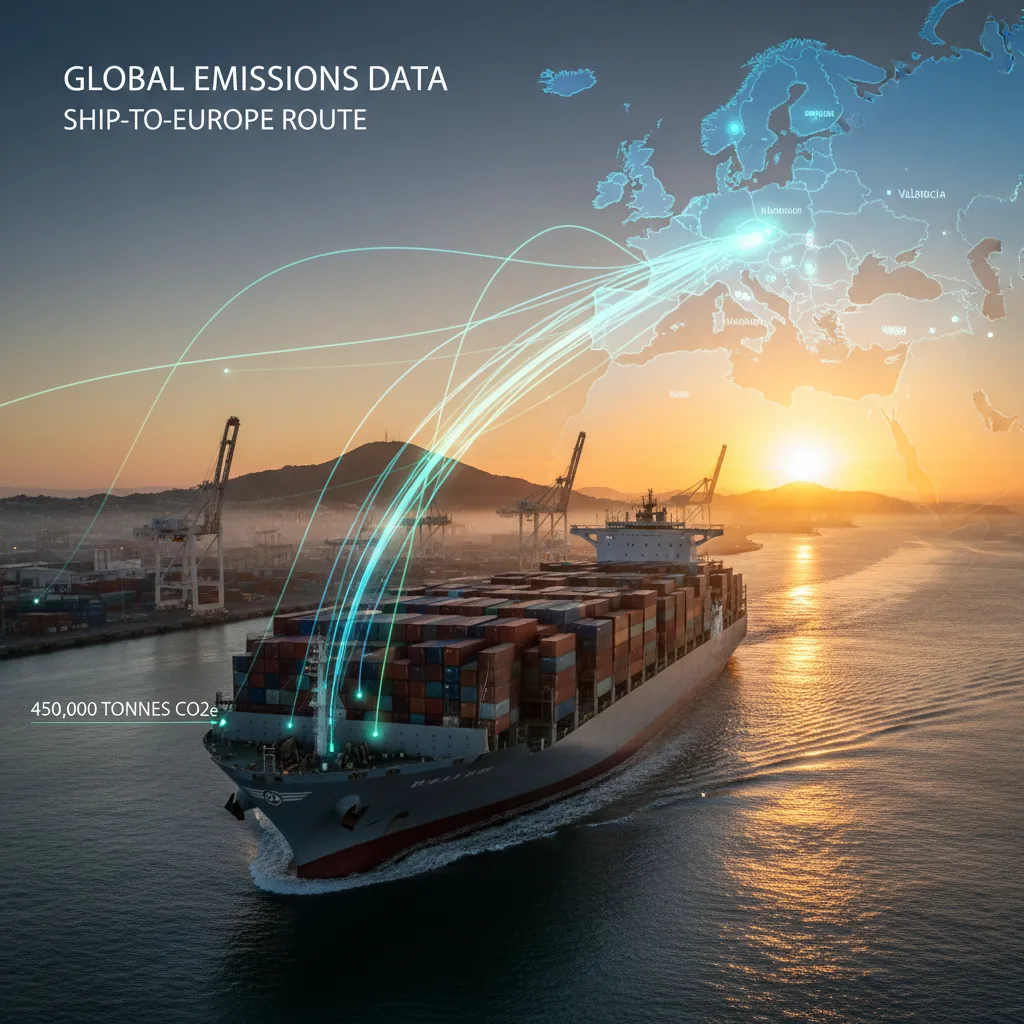
The most pressing driver for NZ exporters in 2025 is not domestic regulation, but international market access. The European Union, United Kingdom, and increasingly the United States and Asia, are erecting what trade experts call a “Green Wall”—a barrier to entry for products that cannot prove their sustainability credentials.
The EU Carbon Border Adjustment Mechanism (CBAM)
For exporters of industrial goods (aluminum, steel, fertilizers, and potentially hydrogen), the EU CBAM is now in its transitional phase, with full financial implications hitting in 2026. This mechanism charges a carbon price on imports equivalent to the carbon price of domestic EU production. If you cannot prove the carbon intensity of your NZ-made product, you will be charged a default (likely punitive) rate, rendering your exports uncompetitive.
The Corporate Sustainability Due Diligence Directive (CS3D)
The EU’s CS3D directive requires large companies to audit their entire supply chain for human rights and environmental violations. If you supply a large European retailer (e.g., Tesco, Carrefour) or a manufacturer (e.g., Volkswagen, Siemens), you must provide ESG data that aligns with European Sustainability Reporting Standards (ESRS). This includes detailed reports on:
- Water usage and biodiversity impacts.
- Labor rights and modern slavery risks.
- Scope 1, 2, and 3 greenhouse gas emissions.
Leveraging (and Protecting) the NZ Brand
New Zealand’s “Clean Green” image has historically been a powerful intangible asset. However, in the current climate economy, this asset is under threat from accusations of greenwashing. International buyers are skeptical of vague claims; they demand empirical evidence.
Substantiating the Halo Effect
To maintain the premium pricing associated with NZ produce (such as Manuka honey, grass-fed beef, or Marlborough Sauvignon Blanc), exporters must move from storytelling to data disclosure. The Financial Markets Authority (FMA) has issued strict warnings regarding unsubstantiated green claims.
Successful exporters are using ESG reporting to differentiate themselves. By adopting the XRB standards voluntarily, or aligning with global frameworks like the International Sustainability Standards Board (ISSB), NZ companies can prove their low-carbon advantages (e.g., high renewable energy grid mix) compared to competitors in markets dependent on fossil fuels.
Software Solutions for ESG Data Collection
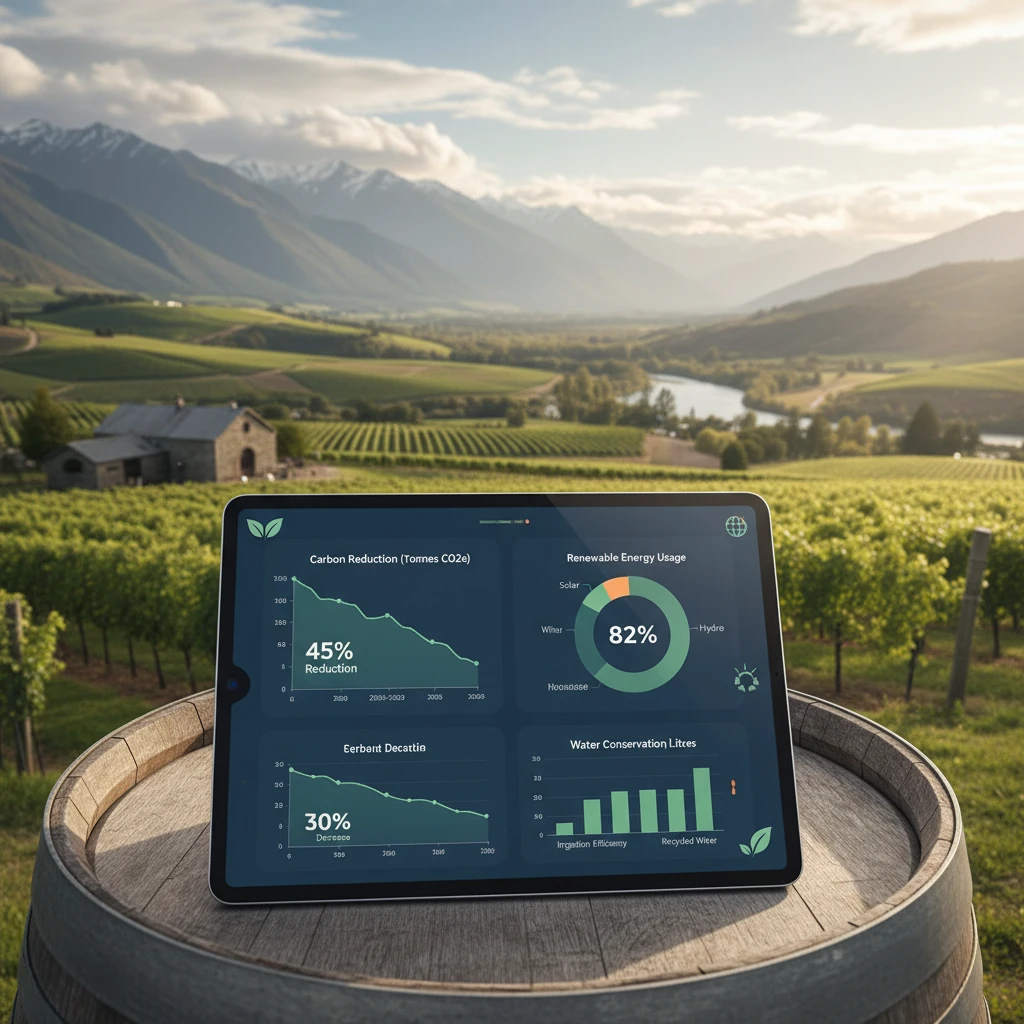
The days of managing carbon inventories in Excel are over. The complexity of Scope 3 emissions (supply chain) and the need for audit-ready trails require robust software solutions. For commercial entities, investing in the right tech stack is crucial for efficiency and accuracy.
Key Features to Look For
When selecting ESG software in 2025, NZ exporters should prioritize:
- Interoperability: Can the software export data in XBRL format (required by many regulators) and integrate with Xero or SAP?
- Scope 3 Modeling: Does it have specific emission factors for New Zealand logistics (e.g., sea freight distances, NZ electricity grid intensity)?
- Supplier Portals: Can it send automated surveys to your suppliers to gather their data without manual email chains?
Top Software Categories
While we do not endorse specific brands, the market has segmented into three tiers:
- Carbon Accounting Specialists: Platforms focused purely on GHG protocol compliance (ideal for manufacturers).
- ESG Governance Platforms: Broader suites that handle social and governance policies (ideal for larger corporates with diverse stakeholders).
- Supply Chain Intelligence: Tools specifically designed to trace raw materials from farm to port (essential for the primary sector).
Step-by-Step: Building Your ESG Framework
Implementing an ESG reporting strategy can seem overwhelming. Break it down into these commercial phases to ensure ROI.
Phase 1: Materiality Assessment
Don’t measure everything. Use the double materiality concept: identify how climate change impacts your business (financial materiality) and how your business impacts the environment (impact materiality). For most NZ exporters, the material issues are transport emissions, packaging waste, and water usage.
Phase 2: Establish the Baseline
You cannot manage what you do not measure. Calculate your base year emissions. If you are starting in 2025, use the 2024 financial year data. Ensure you separate Scope 1 (direct fuel use), Scope 2 (electricity), and Scope 3 (freight, business travel, waste).
Phase 3: Set Science-Based Targets
Credibility comes from alignment with the Science Based Targets initiative (SBTi). A vague goal of “net zero by 2050” is no longer accepted by sophisticated buyers. You need interim targets (e.g., 40% reduction by 2030) that are validated against the 1.5°C warming pathway.

2025 and Beyond: What Exporters Must Prepare For
The regulatory landscape is dynamic. The XRB is currently consulting on extending assurance requirements, meaning your data will eventually need to be audited by a qualified third party, much like financial statements.
Furthermore, the integration of Nature-Related Financial Disclosures (TNFD) is on the horizon. This will require exporters to report not just on carbon, but on their impact on biodiversity and ecosystems—a critical consideration for New Zealand’s agriculture-heavy export economy. Preparing your data architecture now will save significant costs when these voluntary standards inevitably become mandatory market entry requirements.
Is ESG reporting mandatory for all companies in New Zealand?
No, currently it is only mandatory for “Climate Reporting Entities” (CREs), which include large listed issuers (market cap over $60M), large registered banks, licensed insurers, and investment scheme managers (assets over $1B). However, many smaller exporters must report voluntarily to satisfy the requirements of international buyers and supply chain partners.
What is the difference between TCFD and the XRB standards?
The Task Force on Climate-related Financial Disclosures (TCFD) is a global framework providing recommendations. The XRB (External Reporting Board) standards are the specific New Zealand legislation (NZ CS 1, 2, and 3) that adapted the TCFD recommendations into mandatory law. Essentially, XRB is the local enforcement of the global TCFD concepts.
How does the EU CBAM affect New Zealand exporters?
The Carbon Border Adjustment Mechanism (CBAM) requires NZ exporters of steel, aluminum, cement, fertilizer, hydrogen, and electricity to report the embedded carbon emissions of their goods when entering the EU. Failure to report or high carbon intensity will result in carbon tariffs, making NZ products less competitive against cleaner alternatives.
What are Scope 3 emissions and why are they difficult to report?
Scope 3 emissions are indirect emissions that occur in a company’s value chain (e.g., purchased goods, transportation, waste disposal, and use of sold products). They are difficult to report because the data sits outside the company’s direct control, requiring cooperation from suppliers and customers to gather accurate figures.
Can small businesses use Excel for ESG reporting?
While very small businesses can start with Excel, it is risky for exporters. Spreadsheets lack audit trails, are prone to human error, and cannot easily handle the complex emission factors required for international compliance. Dedicated carbon accounting software is recommended for any business with serious export volumes.
What is the penalty for Greenwashing in New Zealand?
The Financial Markets Authority (FMA) and the Commerce Commission enforce fair dealing provisions. Penalties for misleading conduct regarding sustainability claims (greenwashing) can include substantial fines (up to $600,000 for companies under the Fair Trading Act), court orders to correct advertising, and significant reputational damage.
About The Author
