Farm Carbon Audit Services
Farm carbon audit services in NZ provide professional assessments of a farm’s greenhouse gas emissions and sequestration potential. These services help New Zealand farmers comply with the Zero Carbon Act by quantifying methane, nitrous oxide, and carbon dioxide levels, identifying reduction strategies, and ensuring accurate reporting for regulatory requirements and international market access.
Why Farm Carbon Audit Services in NZ are Essential
As New Zealand moves toward its ambitious 2050 targets, the agricultural sector finds itself at the forefront of climate policy. Farm carbon audit services in NZ have transitioned from a niche luxury to a core operational necessity. The primary driver is the Climate Change Response (Zero Carbon) Amendment Act, which mandates a reduction in greenhouse gas emissions across all sectors. For farmers, this means understanding the specific footprint of their operations, from the methane produced by livestock to the nitrous oxide released from fertilizers.
A professional audit provides a baseline. Without an accurate baseline, it is impossible to set realistic reduction targets or participate in potential incentive programs. Furthermore, international markets and premium retailers are increasingly demanding evidence of low-carbon production. New Zealand’s reputation as a clean, green producer is no longer enough; it must be backed by verifiable data. Carbon audit services provide the technical expertise required to navigate complex biological emission profiles that differ significantly from industrial carbon footprints.
Accredited Farm Auditors: Choosing the Right Partner
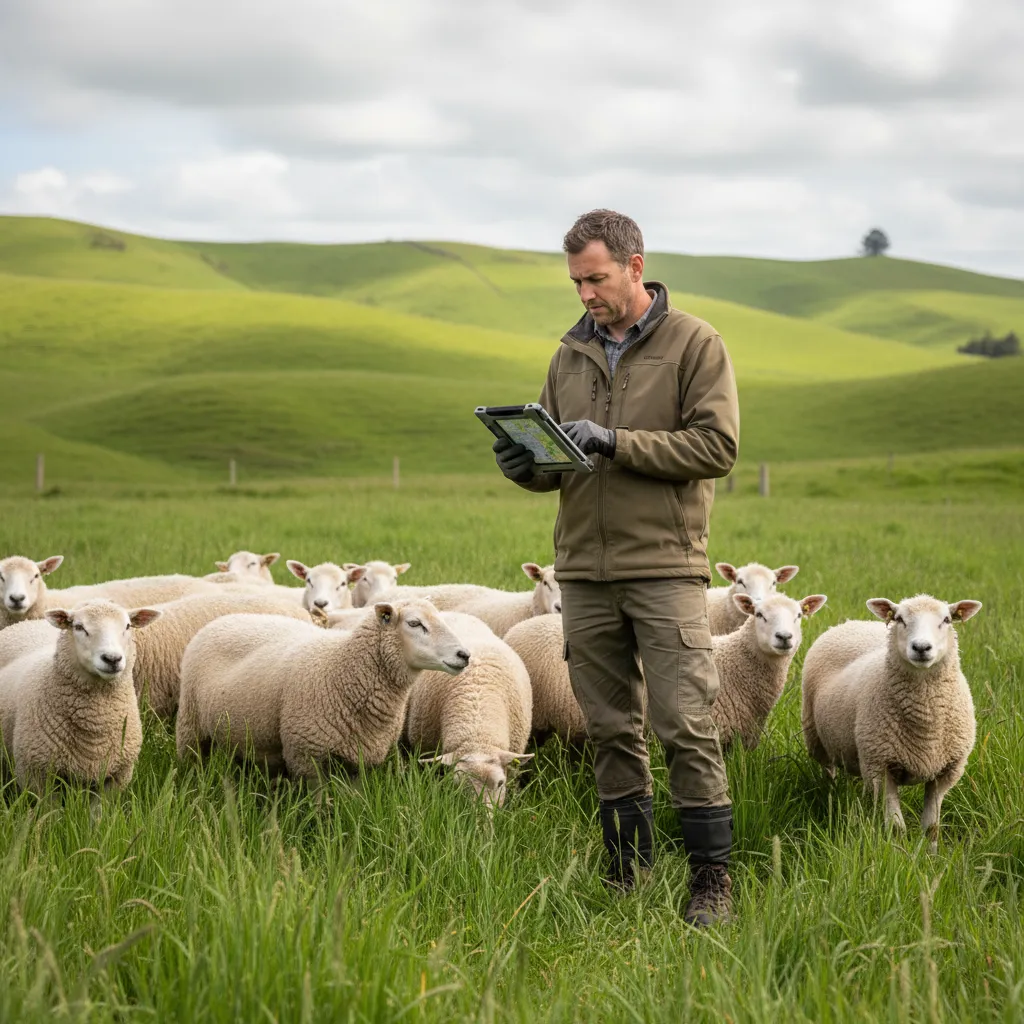
When seeking farm carbon audit services in NZ, the accreditation of the provider is paramount. An audit is only as valuable as the standards it follows. Accredited auditors typically adhere to international standards such as ISO 14064-1 or the Greenhouse Gas Protocol. In the New Zealand context, many auditors are certified through programs like Toitū Envirocare or work in alignment with the He Waka Eke Noa partnership guidelines.
Accredited auditors bring a level of rigor that self-assessment tools often lack. They understand the nuances of the New Zealand Emissions Trading Scheme (ETS) and the specific reporting requirements for biological emissions. When choosing a service provider, farmers should look for:
- Technical Expertise: Do they understand the difference between biogenic methane and long-lived gases?
- Sector Experience: Have they worked specifically with dairy, sheep, beef, or arable farming?
- Data Security: How is your farm’s sensitive operational data handled and stored?
- Actionable Insights: Does the audit provide a path forward, or just a number?
Engaging with an accredited professional ensures that the final report can be used for bank financing, supply chain verification, and regulatory compliance without fear of being challenged for inaccuracy or greenwashing.
Measuring Biological Emissions on the Farm
Measuring biological emissions is the most complex aspect of a farm carbon audit. Unlike a factory where fuel consumption is easily tracked, a farm’s emissions are the result of complex biological processes. In New Zealand, agriculture accounts for nearly half of the total greenhouse gas emissions, primarily in the form of methane (CH4) and nitrous oxide (N2O).
The Methane Challenge
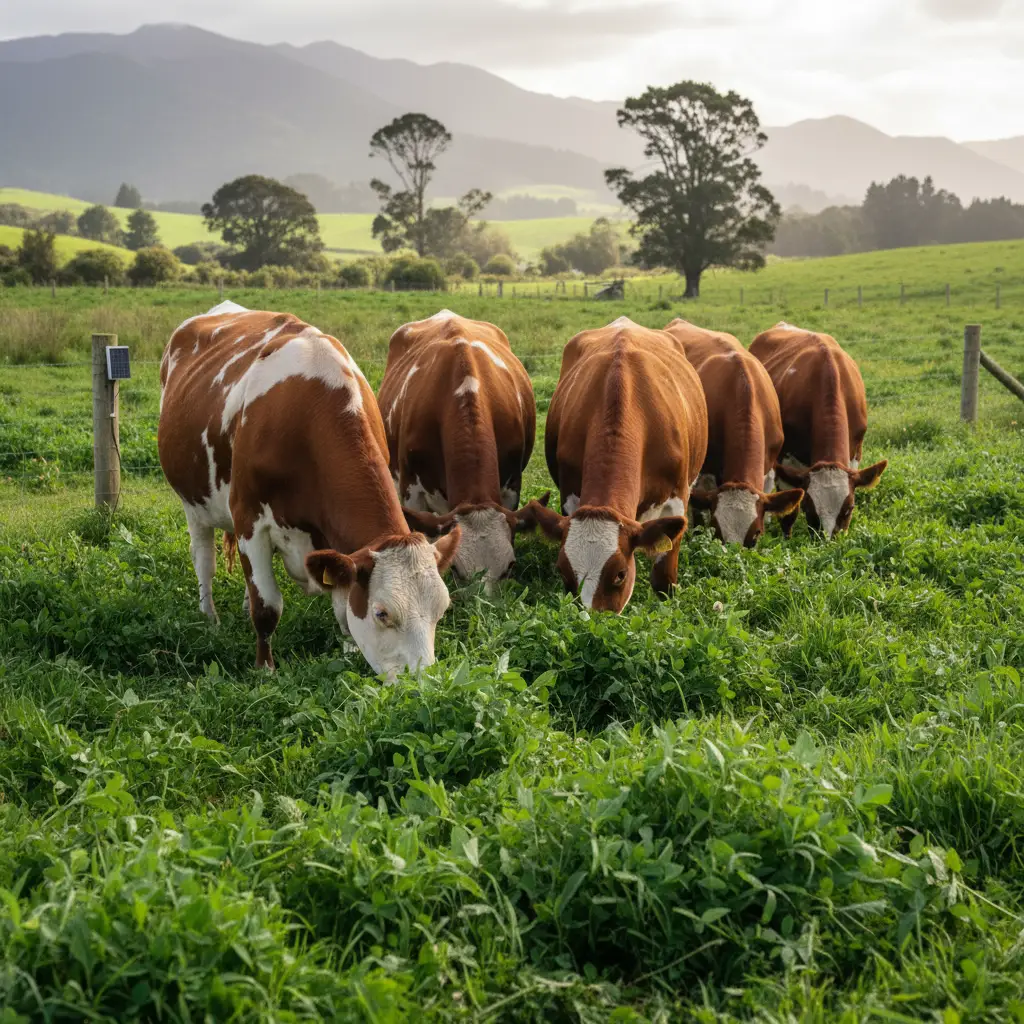
Methane is a short-lived climate pollutant produced by ruminant animals through enteric fermentation. While it stays in the atmosphere for a shorter time than CO2, its warming potential is significantly higher in the short term. Farm carbon audit services in NZ use sophisticated modeling—often involving the Overseer or Farmax systems—to estimate methane output based on stock numbers, breed, feed quality, and weight gain.
Nitrous Oxide and Nitrogen Management
Nitrous oxide is released from the soil when nitrogen is applied through synthetic fertilizers or animal waste. It is a long-lived gas with a global warming potential nearly 300 times that of CO2. Auditors analyze fertilizer application rates, timing, and soil types to calculate these emissions. Precision agriculture techniques, such as variable rate application, are often highlighted in audits as key mitigation strategies.
The Ultimate Farm Carbon Audit Preparation Checklist
Preparation is key to a smooth and cost-effective carbon audit. Having your data organized allows the auditor to focus on analysis rather than data entry. Use this checklist to prepare for your next farm carbon audit service in NZ:
- Stock Records: Detailed monthly records of stock numbers by class (e.g., age, weight, breed).
- Feed Data: Records of all imported feed (type and quantity) and crops grown on-farm.
- Fertilizer Usage: Invoices and application records showing the type of nitrogen fertilizer used and the total tonnage.
- Energy Consumption: Fuel receipts (diesel, petrol) and electricity bills for the dairy shed, pumps, and other infrastructure.
- Land Use Changes: Documentation of any new plantings, forest blocks, or land converted from one use to another.
- Waste Management: Records of effluent management systems and any off-site waste disposal.
Having this information digitized and ready for review can significantly reduce the time required for the audit and ensure a more accurate final result. It also helps identify data gaps where the farm might need better record-keeping systems for future years.

Understanding the NZ Zero Carbon Act Framework
The Climate Change Response (Zero Carbon) Amendment Act 2019 set the framework for New Zealand’s climate change policies. It established the Climate Change Commission to provide independent advice to the government and set legally binding emissions budgets. For the agricultural sector, the Act focuses on reducing biogenic methane by 10% below 2017 levels by 2030, and between 24% and 47% by 2050.
This policy framework has led to the development of He Waka Eke Noa, a partnership between the government, primary sector groups, and iwi. The goal is to develop a system for pricing agricultural emissions at the farm level. Farm carbon audit services in NZ are the bridge between these high-level policies and the practical reality on the ground. They translate legislative requirements into specific farm-level metrics, allowing farmers to see exactly how policy changes will impact their bottom line.
Strategic Benefits of Carbon Accounting
Beyond compliance, there are significant strategic advantages to utilizing farm carbon audit services in NZ. As the global economy decarbonizes, low-carbon footprints are becoming a competitive advantage.
- Access to Sustainable Finance: Many New Zealand banks now offer lower interest rates or specialized loans for farms that can demonstrate a commitment to sustainability and carbon reduction.
- Supply Chain Requirements: Companies like Fonterra and Silver Fern Farms are increasingly asking for emissions data to satisfy their international customers. A professional audit ensures you meet these requirements.
- Efficiency Gains: Often, the steps taken to reduce emissions—such as optimizing fertilizer use or improving feed efficiency—also lead to cost savings and improved productivity.
- Future-Proofing: By understanding your footprint now, you can make informed decisions about capital investments, such as planting trees for sequestration or upgrading to electric farm vehicles.
Carbon Sequestration and Offsetting on NZ Farms
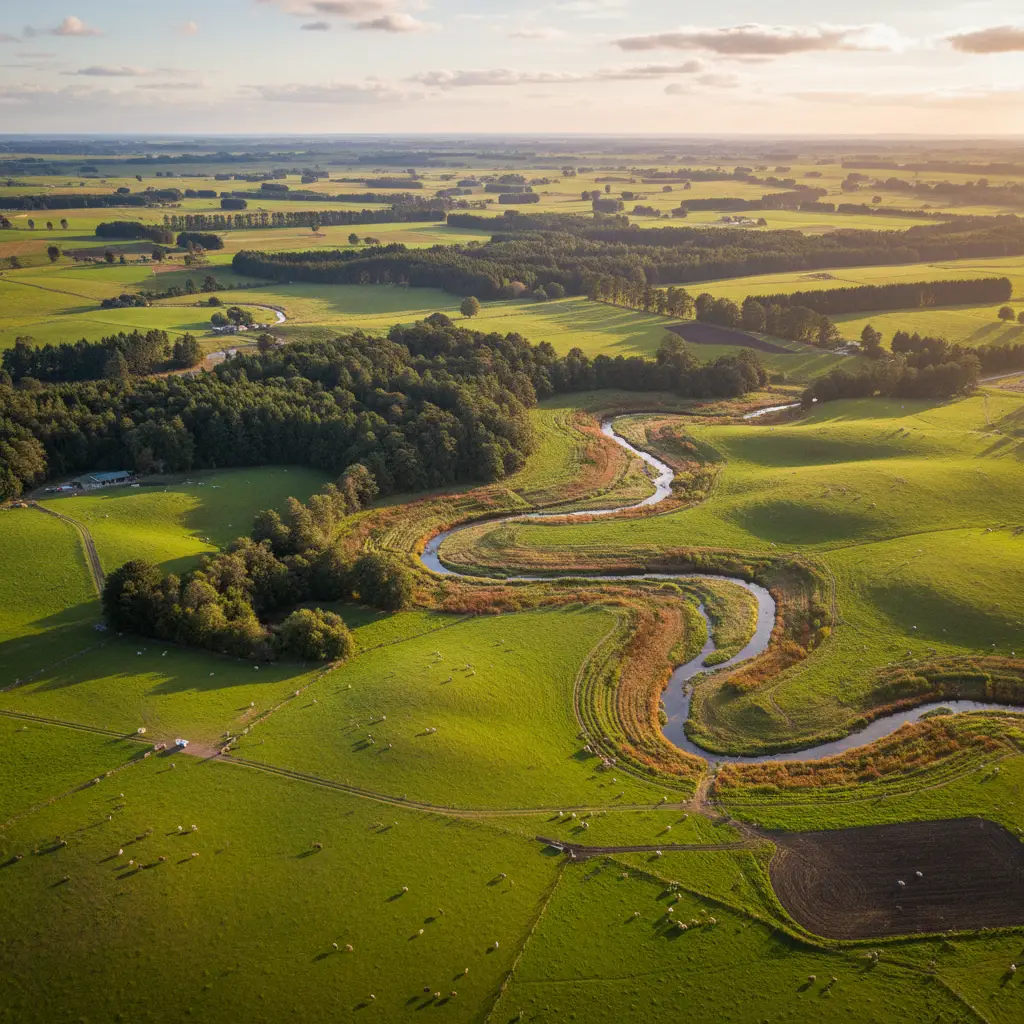
A comprehensive farm carbon audit doesn’t just look at emissions; it also looks at sequestration. New Zealand farms often have significant areas of woody vegetation, riparian plantings, and forestry that can offset emissions. Farm carbon audit services in NZ help identify which areas of vegetation qualify for the Emissions Trading Scheme (ETS) and which can be used for voluntary reporting.
Understanding the sequestration potential of your land is vital for achieving ‘net-zero’ or ‘carbon-neutral’ status. Auditors can provide advice on the best species to plant for carbon capture and how to manage existing bush to maximize its environmental and financial value. This holistic view of the farm as both a source and a sink of carbon is essential for modern farm management.
Conclusion: The Path Forward for NZ Farmers
The demand for farm carbon audit services in NZ will only continue to grow as climate regulations tighten and market expectations evolve. By engaging with professional auditors, preparing meticulous records, and understanding the policy landscape, New Zealand farmers can turn a regulatory burden into a strategic opportunity. The goal is not just to measure carbon, but to manage it in a way that ensures the long-term viability and profitability of the New Zealand agricultural sector in a low-emissions world.
People Also Ask
What is the cost of a farm carbon audit in NZ?
The cost of a farm carbon audit in NZ typically ranges from $1,500 to $5,000 depending on the size of the farm, the complexity of the operations, and the level of certification required. Some industry bodies offer subsidies or tools to help reduce these costs for their members.
How long does a farm carbon audit take to complete?
A standard farm carbon audit usually takes between 4 to 8 weeks from the initial data collection phase to the delivery of the final report. This timeline depends heavily on how quickly the farmer can provide the necessary operational data.
Can I do my own farm carbon audit?
While farmers can use online tools like the He Waka Eke Noa calculator to get an estimate of their emissions, a formal audit for regulatory or financial purposes usually requires an independent, accredited third party to verify the data and methodology.
Does the NZ government require all farms to have a carbon audit?
Currently, the focus is on all farms knowing their ‘GHG numbers.’ While a full professional audit isn’t mandated for every single farm yet, having a verifiable emissions report is becoming a requirement for many supply chains and is expected to be part of future pricing mechanisms.
What are the main greenhouse gases measured in a farm audit?
The three main gases measured are Methane (primarily from livestock), Nitrous Oxide (from fertilizers and animal waste), and Carbon Dioxide (from fuel and electricity use). The audit converts these into a ‘CO2 equivalent’ (CO2-e) for easier comparison.
How do I find an accredited farm carbon auditor in NZ?
You can find accredited auditors through organizations like Toitū Envirocare, the New Zealand Institute of Primary Industry Management (NZIPIM), or by checking with your dairy or meat processor for recommended service providers.
About The Author
