He Waka Eke Noa Updates
He Waka Eke Noa updates refer to the ongoing developments in New Zealand’s Primary Sector Climate Action Partnership. Originally designed to price agricultural emissions outside the Emissions Trading Scheme, recent updates involve the formal disbanding of the partnership and the government’s shift toward a new Pasture-to-Market strategy focused on sequestration and technology-led reductions.
What is the Primary Sector Climate Action Partnership?
The Primary Sector Climate Action Partnership, known as He Waka Eke Noa (HWEN), was a world-first collaboration between the New Zealand government, peak industry bodies, and Iwi. Its primary mission was to develop a framework for measuring, managing, and pricing on-farm greenhouse gas emissions. For decades, agriculture—which accounts for nearly half of New Zealand’s gross emissions—remained exempt from the New Zealand Emissions Trading Scheme (NZ ETS). HWEN was the industry’s proactive alternative to being forced into the ETS, which many argued was a blunt instrument unsuitable for biological emissions.
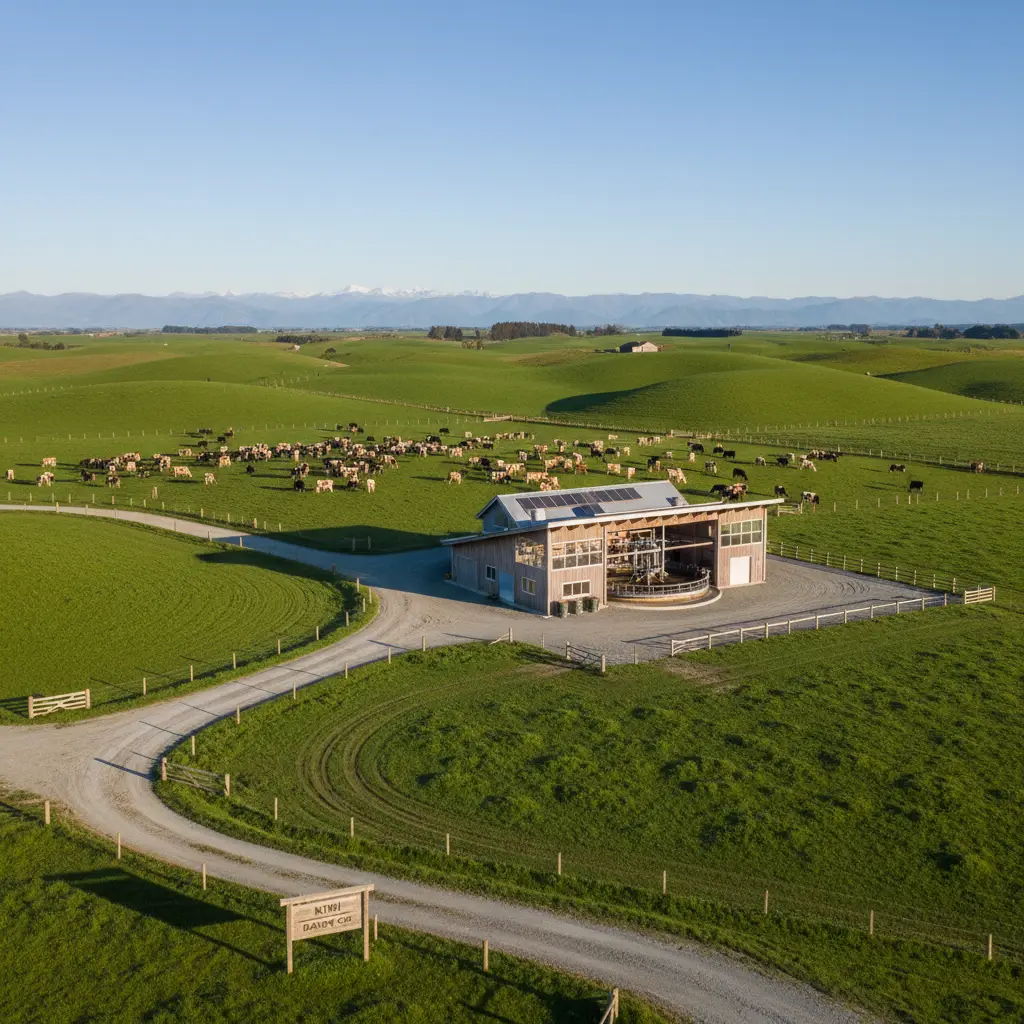
The partnership originally consisted of 13 partners, including DairyNZ, Beef + Lamb New Zealand, Federated Farmers, and the Ministry for Primary Industries. The core philosophy was “we are all in this boat together,” emphasizing a collective responsibility to meet the targets set by the Climate Change Response (Zero Carbon) Amendment Act 2019. However, as of late 2023 and early 2024, the landscape of this partnership has shifted dramatically. The formal He Waka Eke Noa group was officially disbanded by the new coalition government to make way for a different approach that focuses on technological innovation rather than immediate taxation.
How is New Zealand Pricing Agricultural Emissions in 2024?
One of the most significant He Waka Eke Noa updates involves the legislative decoupling of agriculture from the NZ ETS. Under previous plans, if a bespoke pricing mechanism was not agreed upon, agriculture would have automatically entered the ETS. The current government has moved to amend the Climate Change Response Act to ensure that agriculture remains out of the ETS indefinitely, or at least until a more viable, non-punitive system is established.
The current strategy focuses on a “split-gas” approach. This distinguishes between long-lived gases like carbon dioxide and nitrous oxide, and short-lived gases like biogenic methane. Because methane behaves differently in the atmosphere—breaking down much faster than CO2—industry advocates have successfully argued for a different pricing and target structure. The government is now reviewing the specific methane reduction targets to ensure they are based on the latest climate science and do not compromise the international competitiveness of New Zealand’s export-driven economy.
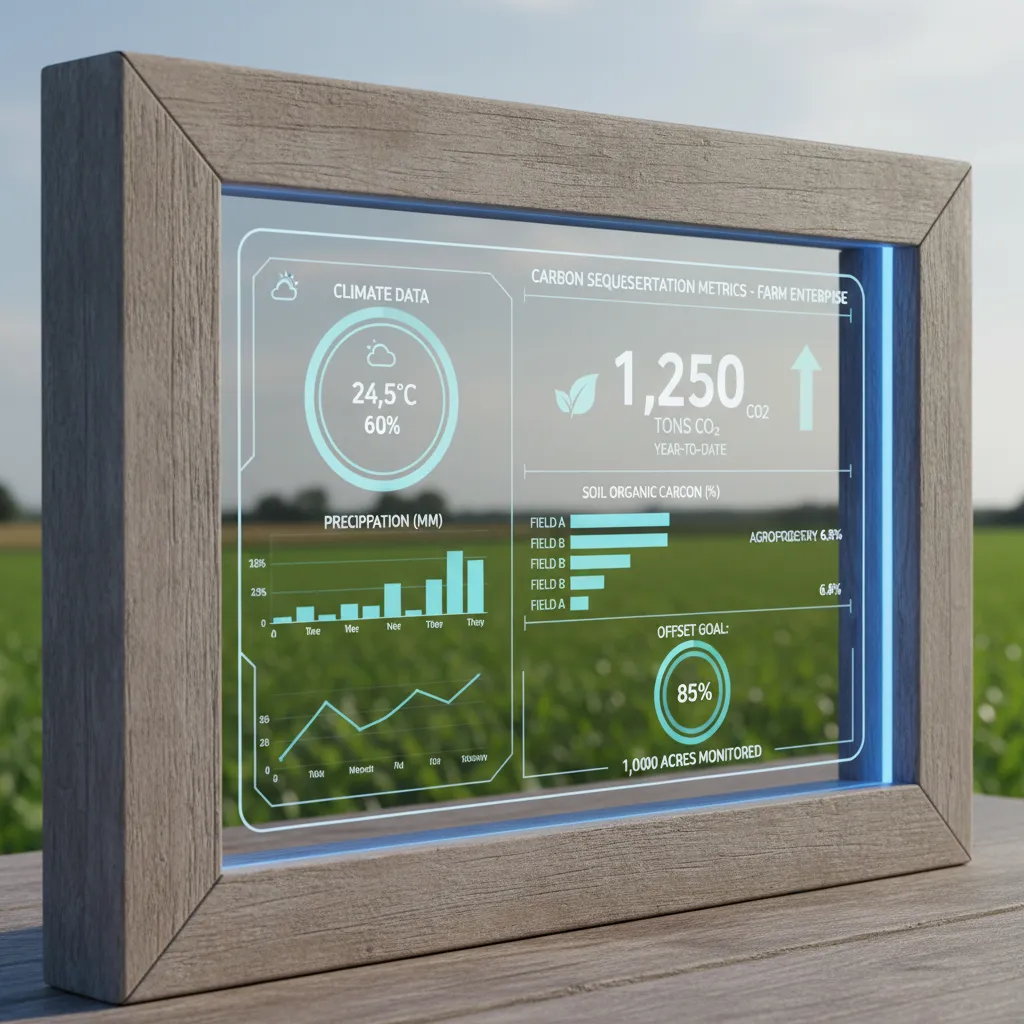
Despite the pause on formal pricing, farmers are still encouraged to know their numbers. Over 95% of New Zealand farms now have a documented greenhouse gas profile. This voluntary compliance was a key success of the HWEN era, providing a data-driven foundation for whatever pricing mechanism eventually takes its place. The focus has shifted from a “levy-first” model to a “sequestration-first” model, where farmers are rewarded for the carbon stored in on-farm vegetation like woodlots, shelterbelts, and riparian plantings.
What are the Latest Policy Changes and Farmer Feedback?
The evolution of He Waka Eke Noa has been heavily influenced by grassroots farmer feedback. Organizations like Groundswell NZ led significant protests, arguing that the original HWEN proposals would lead to a massive reduction in sheep and beef production, potentially causing “carbon leakage” where production moves to less efficient countries. This feedback led to a fracturing within the partnership, as groups like Beef + Lamb NZ faced pressure from their members to take a harder line against the government’s modeling.
In response to these concerns, the new policy updates include:
- The Discontinuation of the HWEN Levy: The proposed farm-level levy that was set to begin in 2025 has been put on hold.
- Establishment of a New Pastoral Sector Group: A smaller, more focused group has replaced the broad HWEN partnership to advise the government on practical, technology-based solutions.
- Investment in R&D: Increased funding for the AgriZeroNZ joint venture, which seeks to fast-track tools like methane inhibitors, vaccines, and low-emissions breeding.
- Recognition of On-Farm Sequestration: A commitment to ensuring that all forms of carbon capture on farms are legally recognized, providing a financial offset for any future emissions costs.
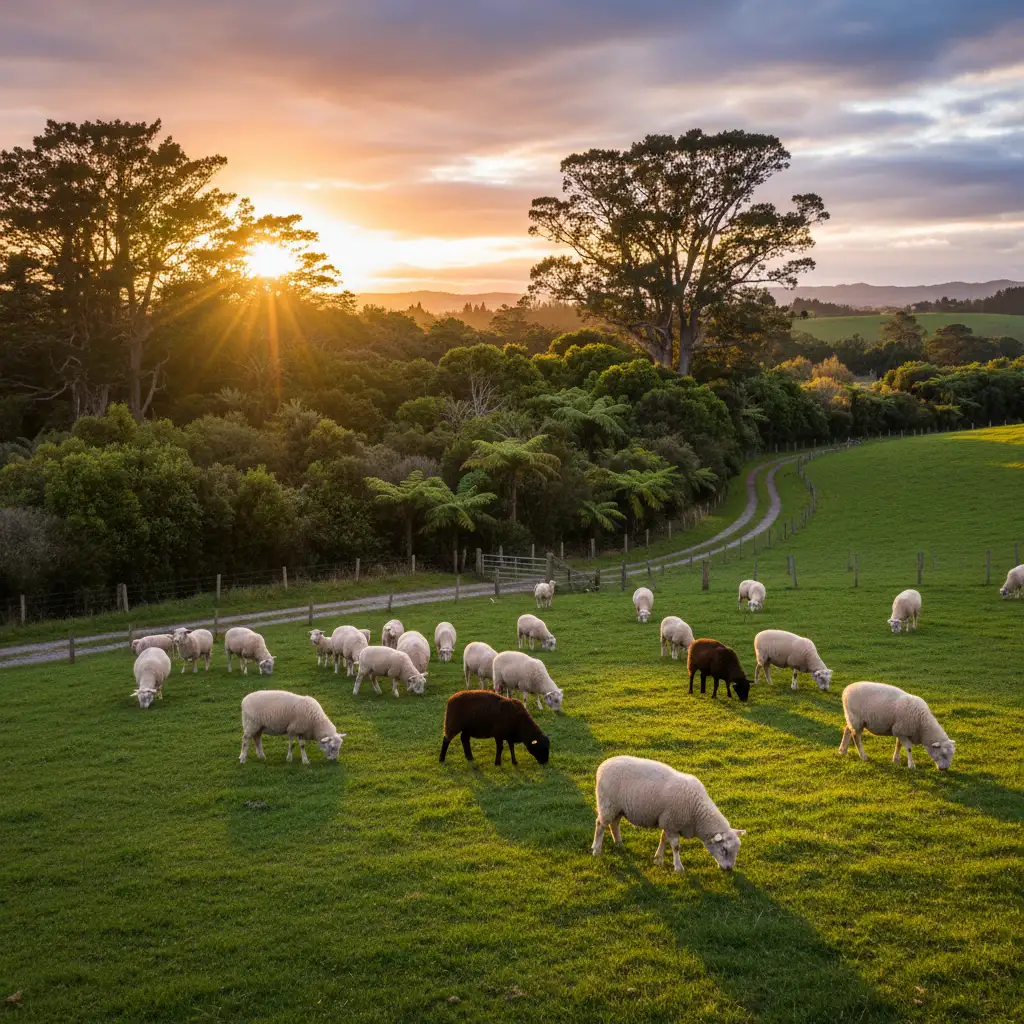
The feedback loop has highlighted a critical tension: the need to maintain New Zealand’s reputation as a sustainable food producer versus the economic reality of thin margins in the red meat and dairy sectors. The current government’s “Pasture to Market” strategy aims to bridge this gap by focusing on the “social license” to operate in high-value international markets like the UK and EU, which are increasingly demanding low-carbon credentials.
The Role of the Zero Carbon Act in Current Policy
The Climate Change Response (Zero Carbon) Amendment Act 2019 remains the overarching legal framework for New Zealand’s climate policy. It mandates a 10% reduction in biogenic methane by 2030 and a 24-47% reduction by 2050, relative to 2017 levels. These targets are some of the most ambitious in the world for an agricultural nation. The He Waka Eke Noa updates are essentially an attempt to find a politically and economically palatable way to reach these legal milestones.
The Act also established the Climate Change Commission, an independent body that provides advice to the government. Recent updates show a divergence between the Commission’s recommendations—which often favor stricter pricing—and the government’s preference for market-led and technological solutions. This tension is a central theme in the 2024 policy landscape. While the legal targets remain, the pathway to achieving them is being redrawn to prioritize the viability of the rural economy.
The Future of Methane Science and Sequestration
Looking ahead, the future of agricultural emissions in New Zealand will likely be defined by two things: the GWP* metric and methane-inhibiting technology. Many in the scientific community and the farming sector are advocating for the use of GWP* (Global Warming Potential Star) to measure methane. Unlike the traditional GWP100 metric, GWP* accounts for the fact that methane is a short-lived gas. If methane emissions are stable or slightly declining, GWP* shows they are not adding additional warming to the atmosphere. This scientific nuance is a major focal point for upcoming policy reviews.

Furthermore, the commercialization of products like Bovaer (a methane inhibitor) and the development of a methane vaccine are seen as the “silver bullets” that could allow New Zealand to meet its Zero Carbon Act targets without reducing stock numbers. The government has signaled that until these tools are widely available and affordable for the average farmer, punitive pricing is off the table. This represents a significant shift from the original He Waka Eke Noa timeline, moving the focus from 2025 deadlines to a more flexible, technology-contingent roadmap.
In summary, while the formal He Waka Eke Noa partnership has ended, its legacy lives on in the data collected and the intense national conversation it sparked. The current updates reflect a more cautious, science-led approach that seeks to protect the economic engine of New Zealand—its farms—while still navigating the global necessity of climate action.
People Also Ask
Is He Waka Eke Noa still active?
The formal He Waka Eke Noa partnership was officially disbanded by the New Zealand government in 2024. It has been replaced by a new pastoral sector group focused on technology and sequestration rather than the original levy-based pricing model.
Will NZ farmers have to pay for emissions in 2025?
The original 2025 deadline for pricing agricultural emissions has been pushed back. The current government has removed agriculture from the Emissions Trading Scheme (ETS) and is reviewing the timeline for any future pricing mechanisms.
What is the ‘Pasture to Market’ strategy?
This is the new government’s approach to agricultural emissions. It focuses on using New Zealand’s low-carbon brand to gain market access and premium prices, while investing in R&D for methane reduction instead of imposing a direct carbon tax on farmers.
What are the current methane reduction targets for NZ?
Under the Zero Carbon Act, the targets are a 10% reduction in biogenic methane by 2030 and a 24-47% reduction by 2050. These targets are currently under review by an independent ministerial panel.
How can farmers record their emissions now?
Farmers can use tools like Overseer, Beef + Lamb NZ’s GHG calculator, or DairyNZ’s tools to calculate their farm’s emissions profile. Most industry bodies still encourage farmers to ‘know their numbers’ despite the policy changes.
What is GWP* and why does it matter for HWEN updates?
GWP* is a newer metric for measuring the warming impact of short-lived gases like methane. It is significant because it recognizes that stable methane emissions do not cause additional global warming, unlike CO2, which persists for centuries.
About The Author
