International Climate Finance & NZ
International climate finance refers to local, national, or transnational financing drawn from public, private, and alternative sources that seeks to support mitigation and adaptation actions that will address climate change. For New Zealand, this involves both contributing significant aid to developing nations—particularly in the Pacific—and attracting global capital to fund domestic green transition projects and sustainable infrastructure.
As the global economy shifts towards decarbonization, the mechanisms of international climate finance have become critical for nations aiming to meet their Paris Agreement obligations. For New Zealand, a country with a unique emissions profile and a strong geopolitical focus on the Pacific, understanding these financial flows is essential for compliance, economic growth, and regional stability.

What is International Climate Finance?
International climate finance is the backbone of the global transition to a low-carbon economy. It encompasses the flow of funds from developed to developing nations to assist in cutting emissions (mitigation) and adapting to the impacts of climate change (adaptation). However, in a broader economic context, it also refers to the cross-border investment strategies used by sovereign wealth funds, multinational banks, and private equity firms to support green initiatives.
The United Nations Framework Convention on Climate Change (UNFCCC) emphasizes that developed country parties shall provide financial resources to assist developing country parties. This creates a two-way street for New Zealand: acting as a responsible global citizen by providing aid, while simultaneously positioning its own economy to be an attractive destination for the trillions of dollars currently seeking sustainable investment opportunities globally.
New Zealand’s Contribution to Global Climate Funds
New Zealand plays a pivotal role in the landscape of international climate finance, particularly regarding its responsibilities to the Pacific region. The government recognizes that climate change is the single greatest threat to the livelihoods, security, and well-being of Pacific peoples.
The $1.3 Billion Climate Finance Commitment
In recent years, New Zealand has significantly scaled up its contribution. The government committed NZ$1.3 billion in grant-based climate finance for the period 2022–2025. This represents a substantial increase from previous commitments and underscores the country’s dedication to the Paris Agreement goals. Unlike many other nations that offer climate finance through loans, New Zealand’s strategy focuses heavily on grants. This approach ensures that vulnerable nations are not burdened with further debt while trying to combat a crisis they contributed little to creating.
Supporting the Pacific Region
At least 50% of New Zealand’s climate finance commitment is dedicated to the Pacific. This funding supports a variety of critical projects, including:
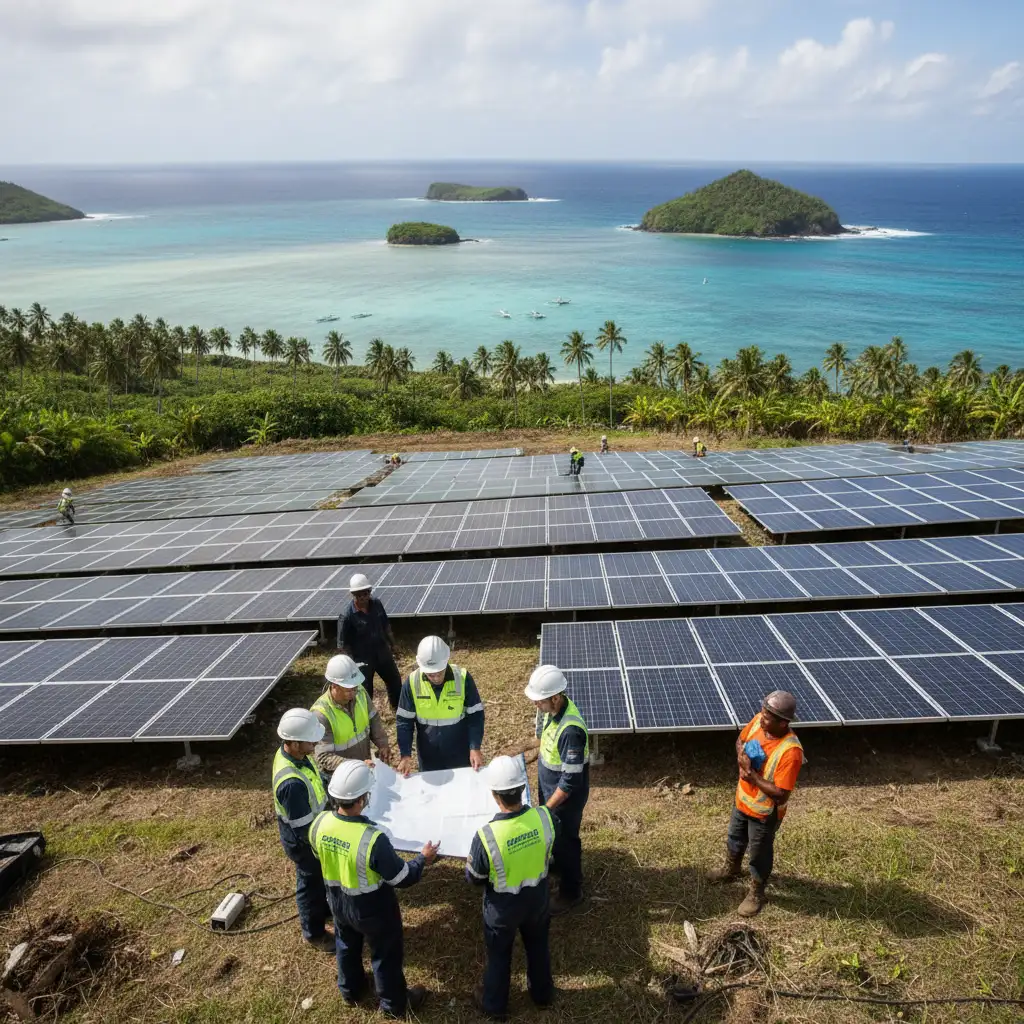
- Renewable Energy Infrastructure: Replacing diesel generators with solar arrays and battery storage systems in remote island communities.
- Water Security: Developing resilient water catchment and storage systems to withstand prolonged droughts.
- Disaster Resilience: Strengthening infrastructure to survive increasingly severe tropical cyclones.
By focusing on the Pacific, New Zealand not only aids its neighbors but also enhances regional security and economic stability, which are vital for NZ’s own trade and diplomatic interests.
Accessing International Capital for Green Projects
While New Zealand is a donor of aid, it is also a recipient of investment. For New Zealand businesses and infrastructure projects to thrive in a carbon-constrained world, accessing international climate finance is imperative. Global investors are increasingly mandated to decarbonize their portfolios, meaning capital is cheaper and more available for projects with verified green credentials.
Criteria for International Investors
International institutional investors, such as pension funds and sovereign wealth funds, look for specific criteria when deploying climate finance into New Zealand:
- Clear Taxonomy: Investors require clarity on what constitutes a “green” activity. New Zealand’s developing climate standards help align local definitions with international taxonomies like that of the EU.
- Regulatory Certainty: The Zero Carbon Act and the Emissions Trading Scheme (ETS) provide a stable regulatory environment, giving long-term investors the confidence that carbon pricing will remain a central economic driver.
- Disclosure Standards: New Zealand was the first country to mandate climate-related financial disclosures (TCFD) for large financial institutions. This transparency is a magnet for international capital, as it reduces the risk of “greenwashing” and allows for accurate risk assessment.
The Role of NZ Green Investment Finance (NZGIF)
To bridge the gap between commercial investors and green projects, the government established NZ Green Investment Finance (NZGIF). This green investment bank acts as a catalyst, using public capital to lower the risk profile of low-carbon projects, thereby crowding in private international capital. By demonstrating the commercial viability of green technologies—from electric vehicle fleets to energy-efficient commercial buildings—NZGIF opens the door for larger international players to enter the market.

Green Bonds and Sustainable Finance in NZ
One of the most effective vehicles for international climate finance entering New Zealand is the green bond market. Green bonds are fixed-income instruments designed specifically to support specific climate-related or environmental projects.
The Growth of the Domestic Green Bond Market
New Zealand has seen a surge in green bond issuances from both the public and private sectors. Major entities, including Auckland Council, Contact Energy, and Mercury, have successfully issued green bonds to fund renewable energy generation, electrified public transport, and sustainable water management. These bonds are often oversubscribed, reflecting high demand from both domestic and international investors who are eager to hold assets that contribute to their Environmental, Social, and Governance (ESG) targets.
Aligning with Global Standards
For New Zealand green bonds to attract international climate finance, they must adhere to rigorous global standards, such as the International Capital Market Association (ICMA) Green Bond Principles. Certification by third-party bodies (like the Climate Bonds Initiative) is crucial. This alignment ensures that a bond issued in Wellington is recognized as a legitimate green asset by a fund manager in London or New York. The integrity of these financial instruments is paramount; ensuring that the proceeds are strictly ring-fenced for green projects maintains investor trust and keeps the cost of capital low.

The Role of the Green Climate Fund (GCF)
The Green Climate Fund (GCF) is the world’s largest dedicated climate fund, established under the UNFCCC framework. It serves as a critical mechanism for channeling international climate finance to developing countries.
NZ as a Donor and Partner
New Zealand is a contributor to the GCF, viewing it as a key partner in delivering on its climate finance promises. By pooling resources with other nations, New Zealand can achieve a scale of impact that would be impossible bilaterally. The GCF focuses on high-impact projects that offer a paradigm shift towards low-emission and climate-resilient development.
Furthermore, New Zealand entities often collaborate with the GCF on projects in the Pacific. Given New Zealand’s technical expertise in areas like geothermal energy and agriculture, there is significant opportunity for NZ consultancy firms and technical experts to partner with GCF-funded projects, exporting Kiwi ingenuity to solve global climate challenges.
Future Trends in Climate Compliance
The landscape of international climate finance is rapidly evolving. For New Zealand businesses, staying ahead of compliance trends is not just about avoiding penalties—it is about securing competitive advantage.
We are moving toward a world where the cost of capital is directly linked to a company’s carbon footprint. “Sustainability-linked loans,” where interest rates decrease if the borrower meets certain environmental targets, are becoming commonplace. Additionally, as the Carbon Border Adjustment Mechanism (CBAM) in the EU and potentially other jurisdictions comes into play, New Zealand exporters will need to prove the low-carbon nature of their products to avoid tariffs. This integrates international trade finance directly with climate metrics.
Ultimately, international climate finance is reshaping the New Zealand economy. It drives the flow of aid to our Pacific neighbors, dictates the terms of investment for our infrastructure, and sets the standards for our corporate reporting. Embracing this financial evolution is the only viable path forward for a resilient and prosperous Aotearoa.
Frequently Asked Questions
What is the difference between climate finance and green finance?
While often used interchangeably, climate finance specifically refers to funding for activities that mitigate or adapt to climate change (e.g., a sea wall or a wind farm). Green finance is a broader term that includes climate finance but also covers other environmental objectives like biodiversity conservation, pollution control, and sustainable resource management.
How can NZ businesses access international climate funds?
NZ businesses can access these funds by aligning their projects with international green taxonomies, obtaining third-party verification for their sustainability claims, and engaging with green investment banks like NZGIF. Issuing certified green bonds is another primary method for larger corporates to tap into global pools of ESG capital.
What is New Zealand’s total climate finance commitment?
New Zealand has committed NZ$1.3 billion in grant-based climate finance for the four-year period between 2022 and 2025. This commitment aims to support developing countries, with at least 50% of the funds targeted specifically at the Pacific region to aid in adaptation and mitigation efforts.
Does New Zealand use loans or grants for climate aid?
New Zealand predominantly uses grants rather than loans for its climate aid. This strategy is designed to prevent increasing the debt burden on developing nations, particularly Pacific Island countries that are already economically vulnerable and facing existential threats from climate change.
What are Green Bonds?
Green bonds are fixed-income financial instruments used to raise capital specifically for projects with positive environmental benefits. In New Zealand, proceeds from these bonds are used to fund renewable energy, low-carbon transport, and energy-efficient buildings. They function like regular bonds but come with a promise to use the funds for “green” purposes.
Why is TCFD reporting important for international finance?
TCFD (Task Force on Climate-related Financial Disclosures) reporting is crucial because international investors use it to assess the climate risks associated with a company. By mandating these disclosures, New Zealand ensures its companies are transparent, making them lower-risk and more attractive to global capital looking for sustainable investment opportunities.
About The Author
