Managing Carbon Credit Liability
Carbon credit liability refers to the legal and financial obligation of a forest owner or participant in the New Zealand Emissions Trading Scheme (NZ ETS) to surrender New Zealand Units (NZUs) back to the Crown. This occurs when carbon stocks decrease, typically due to timber harvesting, deforestation, or catastrophic natural disturbances like fire.
How do harvest liabilities impact NZ ETS participants?
Managing carbon credit liability is a fundamental aspect of participating in the New Zealand Emissions Trading Scheme (NZ ETS). When a forest is registered in the ETS, the owner earns New Zealand Units (NZUs) as the trees grow and sequester carbon. However, these units are effectively a loan from the atmosphere. When the trees are harvested, the stored carbon is deemed to be released, creating a carbon credit liability. The participant must then surrender units back to the government to cover this loss.
For those under the Stock Change accounting method, the liability can be significant. If you harvest a forest that has reached its peak carbon storage, you may be required to pay back a large portion of the units earned over the life of the forest. This creates a “harvest debt” that must be managed through careful financial planning and unit retention. Failure to account for this liability can lead to severe financial distress, as the price of NZUs is volatile and may be much higher at the time of harvest than it was when the units were originally issued.

The timing of the surrender is also critical. Participants must file an emissions return following a harvest, and the units must be surrendered by a specific deadline. If the price of carbon has spiked, the cost of purchasing units to meet this liability can exceed the profit from the timber sale itself. This is why many foresters choose to sell only a portion of their earned NZUs, keeping the remainder as a hedge against future harvest liabilities.
What is the difference between Averaging Accounting and Stock Change?
In recent years, the New Zealand government introduced Averaging Accounting to simplify the management of carbon credit liability for new foresters. Understanding the difference between these two systems is vital for any landowner entering the carbon market.
Stock Change Accounting
Under stock change accounting, you earn units as the forest grows and surrender them when the carbon stock decreases. This creates a “sawtooth” pattern of unit balances. While this allows you to earn more units in the first rotation, it carries a high risk of carbon credit liability during harvest. It is most suitable for permanent forests that will never be harvested or for owners who are comfortable managing high-risk financial portfolios.
Averaging Accounting
Averaging accounting was designed to provide more certainty. Under this method, a forest owner earns units until the forest reaches its “average” carbon storage over several harvest cycles. For Radiata pine, this is typically around age 17 to 22, depending on the site. Once the forest reaches this average carbon level, no more units are earned, but—crucially—no units need to be surrendered upon harvest, provided the forest is replanted. This removes the harvest liability entirely, making it a much safer option for commercial plantation foresters.
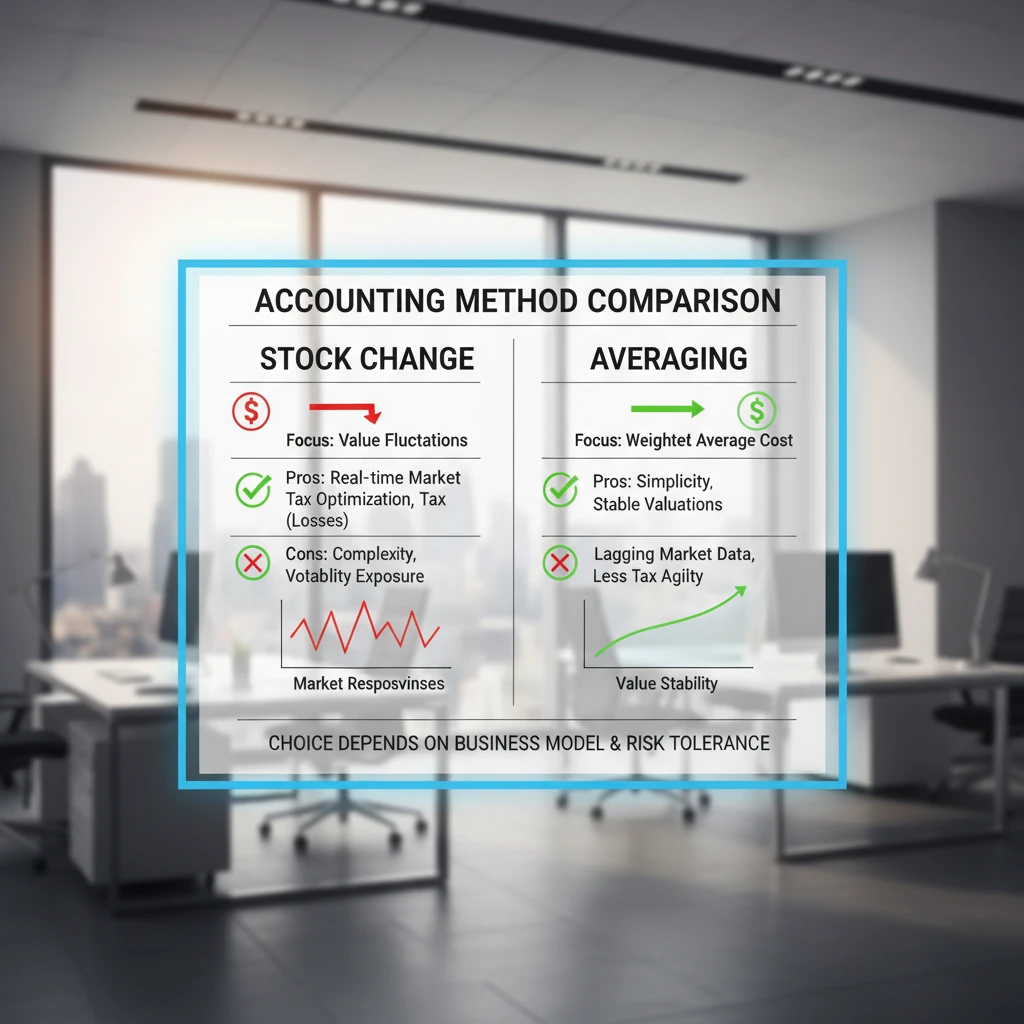
Choosing between these two depends on your long-term goals. If you intend to harvest and replant indefinitely, averaging offers a low-stress path. If you are looking for maximum short-term yield and are prepared to manage the liability, stock change might be preferable. However, transitioning between the two is strictly regulated, so the initial decision is paramount.
What insurance options exist for carbon forests?
A major component of managing carbon credit liability is protecting against “unintended” liabilities. While harvesting is a planned event, natural disasters are not. If a fire, windthrow event, or pest outbreak destroys your forest, you may still be liable to surrender units for the lost carbon, even though you didn’t receive any timber revenue.
Specialized Carbon Forest Insurance has emerged to address this risk. These policies are designed to cover the cost of purchasing NZUs on the open market to meet surrender obligations following a catastrophic event. Key features of these policies include:
- Unit Replacement Coverage: Pays for the current market value of NZUs required for surrender.
- Re-establishment Costs: Covers the cost of clearing the land and replanting the forest to ensure it remains in the ETS.
- Loss of Future Earnings: Some policies cover the potential NZUs that would have been earned if the forest had continued to grow.
Given the increasing frequency of extreme weather events in New Zealand, insurance is no longer optional for serious carbon investors. The premium costs are generally seen as a necessary operational expense to de-risk the carbon credit liability associated with the investment.
How to mitigate risks from forest fires and pests?
Physical risk management is the first line of defense against carbon credit liability. Insurance is the safety net, but active forest management reduces the likelihood of ever needing it. In the New Zealand context, fire and biological threats are the primary concerns.
Fire Management
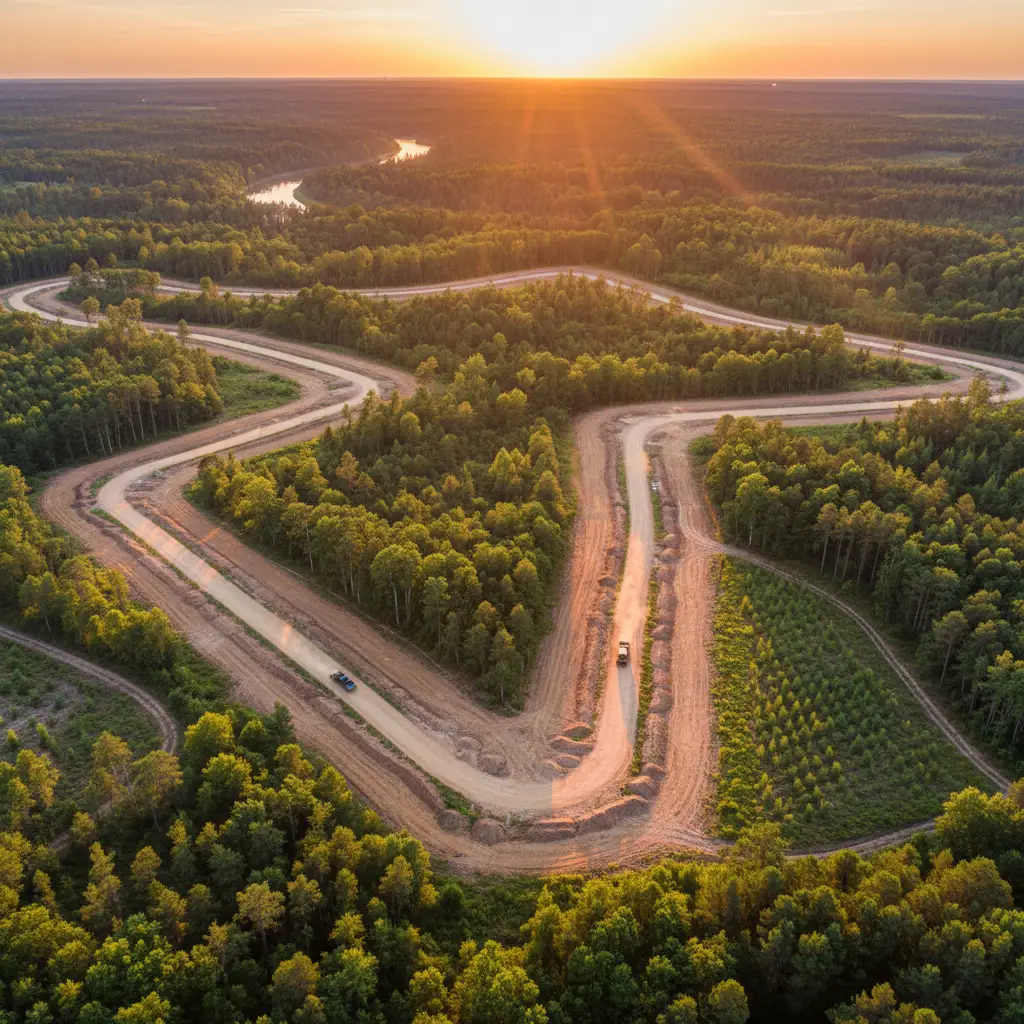
Fire risk in New Zealand is increasing due to climate change. To mitigate this, forest owners should implement robust fire breaks, maintain access tracks for emergency vehicles, and monitor the Fire Weather Index during summer months. In some cases, thinning and pruning can reduce the “fuel load” within the forest, making it less likely that a ground fire will transition into a devastating crown fire.
Pest and Disease Control
Biosecurity is equally important. Pests like the Sirex wood wasp or diseases like Dothistroma needle blight can stunt growth or kill large swathes of forest. Stunted growth reduces the rate of NZU accumulation, while tree death triggers liability. Regular aerial surveys and ground-based health checks are essential. Furthermore, managing wilding conifer spread and invasive herbivores (like deer and goats) ensures the forest remains healthy and continues to meet the canopy cover requirements of the NZ ETS.
Strategic Financial Planning for Long-Term Compliance
Managing carbon credit liability is ultimately a financial exercise. Successful participants treat their NZU portfolio like a sophisticated investment fund. This involves diversifying the age classes of your forest to spread out harvest dates, thereby smoothing out the liability over time.
Another strategy is the use of Forward Contracts. By locking in a price for NZUs that you will need to surrender in the future, you can protect yourself against price spikes. Conversely, some owners use a “buffer” strategy, where they only sell 50-70% of their units, keeping the rest in a registry account as a permanent reserve to cover any unforeseen liabilities.

Finally, staying informed about legislative changes is crucial. The NZ ETS is a political instrument, and rules regarding liability, unit caps, and auctioning prices change frequently. Engaging with a qualified forestry consultant or carbon advisor ensures that your management strategy remains compliant with the latest Ministry for Primary Industries (MPI) regulations.
Conclusion
Managing carbon credit liability in New Zealand requires a multi-faceted approach that combines choice of accounting method, robust insurance, active physical management, and sound financial hedging. While the risks are real, the rewards of participating in the carbon economy are significant for those who take a proactive and informed approach to their liability obligations.
What happens if my forest burns down in the NZ ETS?
If your forest is destroyed by fire, you are generally required to surrender the NZUs that were issued for the carbon that was lost. However, if you are under Averaging Accounting and the forest is replanted, the impact may be mitigated. Insurance is highly recommended to cover the cost of unit surrender.
Can I switch from Stock Change to Averaging Accounting?
There are specific windows and criteria for switching. Generally, only post-1989 forests that have not yet reached certain age thresholds or have recently been harvested can transition. It is best to consult with the MPI or a specialist advisor.
Is carbon credit liability tax-deductible?
In New Zealand, the cost of purchasing units to meet a surrender obligation is generally a deductible expense for tax purposes, but the treatment of the units themselves (as inventory or intangible assets) can be complex. Consult a tax professional.
Do I have a liability if I sell my forest?
When you sell a forest registered in the ETS, the liability usually transfers to the new owner along with the entitlement to future units. However, the specific terms of the sale and purchase agreement will dictate how the existing unit balance is handled.
What is the ‘Permanent Forest’ category liability?
Forests in the Permanent Forest category cannot be clear-felled for at least 50 years. If they are harvested or deforested before this period, significant penalties and unit surrender liabilities apply, often exceeding the standard harvest liability.
How often do I need to report carbon stocks?
Participants must file an emissions return at least once every five years (the Mandatory Emissions Return Period). However, you can choose to file annual voluntary returns to receive units more frequently, which also requires more frequent liability assessment.
About The Author
