Managing Green Premiums in Tourism
Green premiums in tourism refer to the additional cost consumers pay for sustainable travel options compared to conventional alternatives. In New Zealand’s carbon economy, this involves balancing operational costs of decarbonization—such as carbon offsets or renewable energy—against the premium value guests place on low-impact, regenerative travel experiences that preserve natural landscapes.
What are Green Premiums in Tourism?
In the context of the global climate crisis, the term ‘Green Premium’—popularized by Bill Gates—has found a critical application within the tourism sector. For a New Zealand tourism operator, a green premium represents the price difference between a traditional, carbon-intensive service (such as a diesel-powered jet boat tour) and its sustainable alternative (such as an electric-powered or hydrogen-cell equivalent). Managing these premiums is not merely a matter of accounting; it is a strategic imperative in a market where New Zealand’s ‘100% Pure’ brand is increasingly scrutinized under the lens of actual climate performance.
Green premiums in tourism are driven by several factors: the higher capital expenditure (CAPEX) for clean technology, the operational costs of sourcing sustainable supplies, and the administrative burden of carbon reporting and certification. However, as technology matures and the New Zealand Emissions Trading Scheme (ETS) increases the cost of carbon, these premiums are expected to shrink. For now, the challenge for operators lies in deciding how much of this premium to absorb and how much to pass on to the consumer.
Consumer Willingness to Pay for ‘Green’ Travel
Understanding the ‘Green Gap’ is essential for any commercial tourism strategy. While global surveys frequently indicate that over 70% of travelers want to travel more sustainably, the actual percentage of those willing to pay a significant premium is often much lower. In the New Zealand market, the ‘High-Value Guest’—a core demographic for Tourism New Zealand—shows a higher propensity to absorb green premiums, provided the value proposition is clear and the experience is not compromised.
The Psychology of the Eco-Conscious Traveler
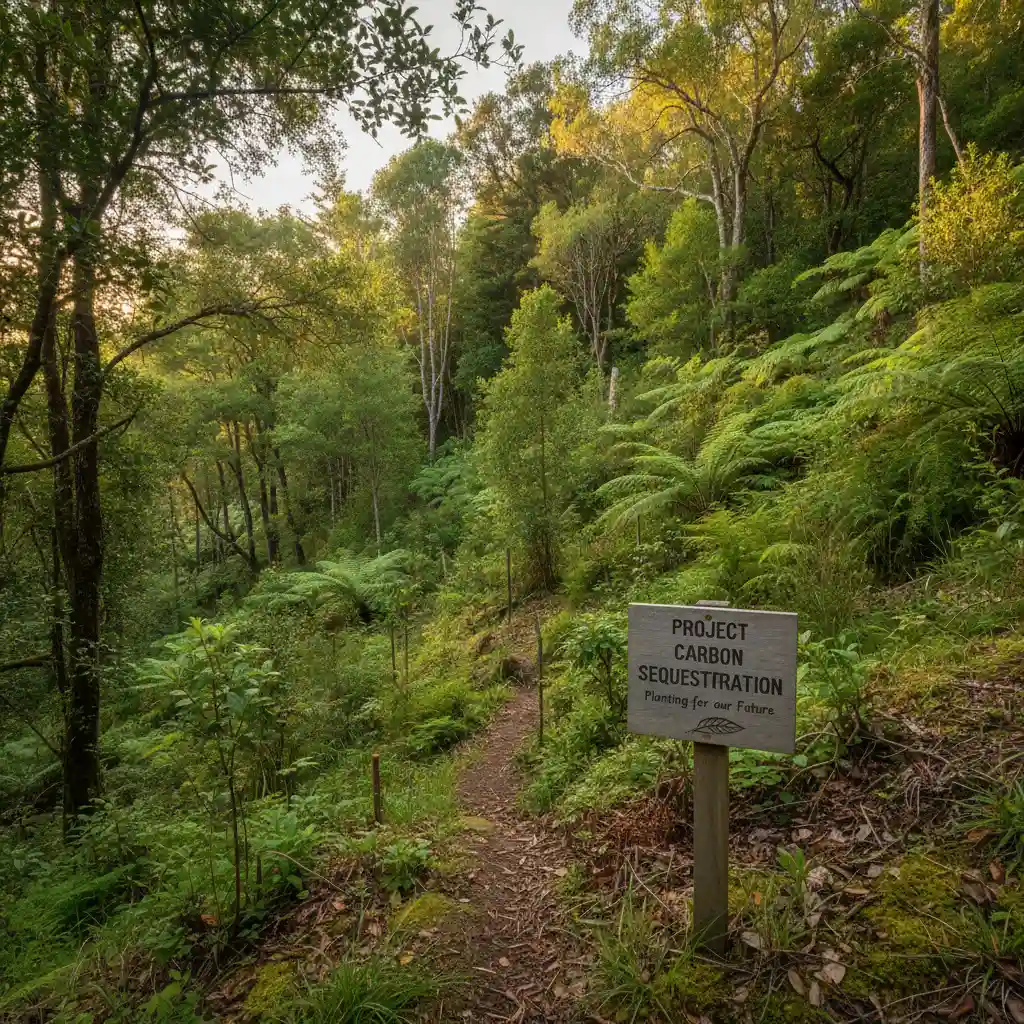
Travelers today are looking for more than just ‘less harm’; they are seeking ‘more good.’ This shift toward regenerative tourism means that guests are often willing to pay more if they can see a direct, tangible benefit to the local environment or community. In New Zealand, this often translates to guests supporting operators who actively participate in predator-free initiatives or reforestation projects. The willingness to pay is highest when the ‘green’ aspect of the tour is integrated into the storytelling and the physical experience, rather than being an invisible backend cost.
Segmenting the NZ Market: High-Value vs. Volume
The New Zealand tourism strategy has pivoted away from volume toward value. This aligns perfectly with the management of green premiums. High-value visitors, particularly from North America and Europe, are often accustomed to carbon-conscious pricing in their home markets. For these segments, a green premium is not a deterrent but a validation of the brand’s premium status. Conversely, in the domestic or budget segments, operators must be more cautious, often finding ways to reduce the premium through operational efficiencies rather than direct price increases.
Offsetting Costs vs. Premium Pricing
A critical decision for New Zealand operators is whether to utilize carbon offsetting as a stop-gap measure or to invest in deep decarbonization that justifies a premium price point. Offsetting involves purchasing carbon credits—often through the NZ ETS or voluntary markets—to neutralize the emissions of a journey. While this is often the cheaper initial route, it does not remove the underlying carbon liability of the business.
Understanding Carbon Accounting in Tourism Operations
To manage green premiums effectively, operators must first understand their emission profiles. Scope 1 emissions (direct fuel combustion) and Scope 2 emissions (purchased electricity) are the primary targets for reduction. However, Scope 3 emissions—which include the entire supply chain and the guest’s travel to the destination—often represent the largest portion of a tourism business’s footprint. In New Zealand, where long-haul aviation is the primary entry point, addressing Scope 3 is a complex but necessary part of justifying a green premium.
Value-Based Pricing for Decarbonized Experiences
Instead of viewing sustainability as a cost-plus exercise, successful operators use value-based pricing. This involves bundling the sustainable elements of the tour into a premium package. For example, a luxury lodge might include a ‘carbon-neutral stay’ as a standard feature, where the price reflects the investment in on-site renewable energy and local food sourcing. By positioning the green premium as an ‘exclusive’ or ‘superior’ feature, the operator moves the conversation away from a simple surcharge toward an enhanced guest experience.
Case Studies of Successful NZ Eco-Operators
New Zealand is home to several pioneers who have successfully navigated the economics of green premiums. These businesses demonstrate that sustainability can be a powerful driver of both brand equity and profitability.
RealNZ: Decarbonizing Heritage and High-Volume Tourism
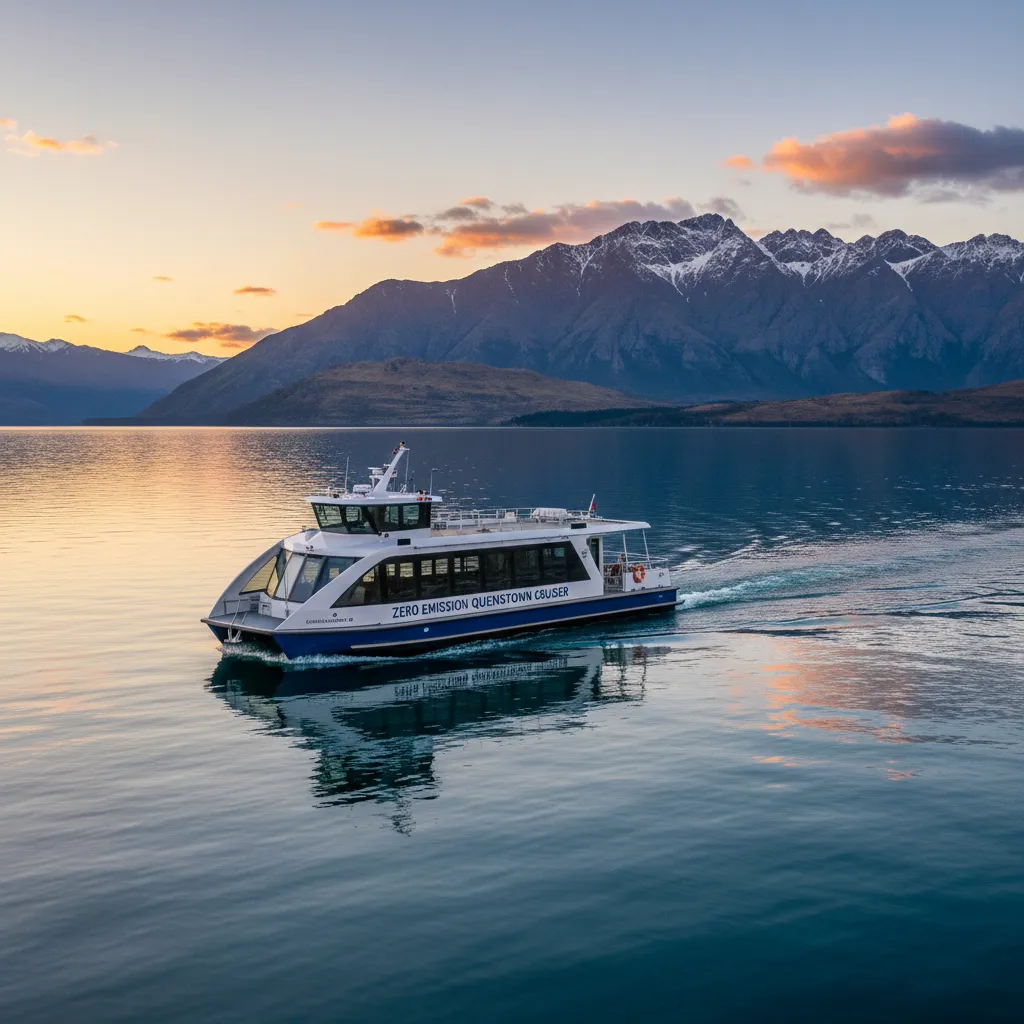
RealNZ (formerly Real Journeys) has made significant strides in decarbonizing its fleet, most notably with the TSS Earnslaw in Queenstown. By investigating hydrogen and electric alternatives for their vessels, they are addressing the green premium head-on. Their strategy involves a long-term view of asset management, recognizing that the cost of carbon under the NZ ETS will eventually make fossil-fuel-dependent tourism non-viable. Their commitment to sustainability has become a core part of their marketing, attracting guests who are willing to pay for the preservation of the pristine environments in which they operate.
The Headwaters Eco Lodge: A Blueprint for Net-Zero
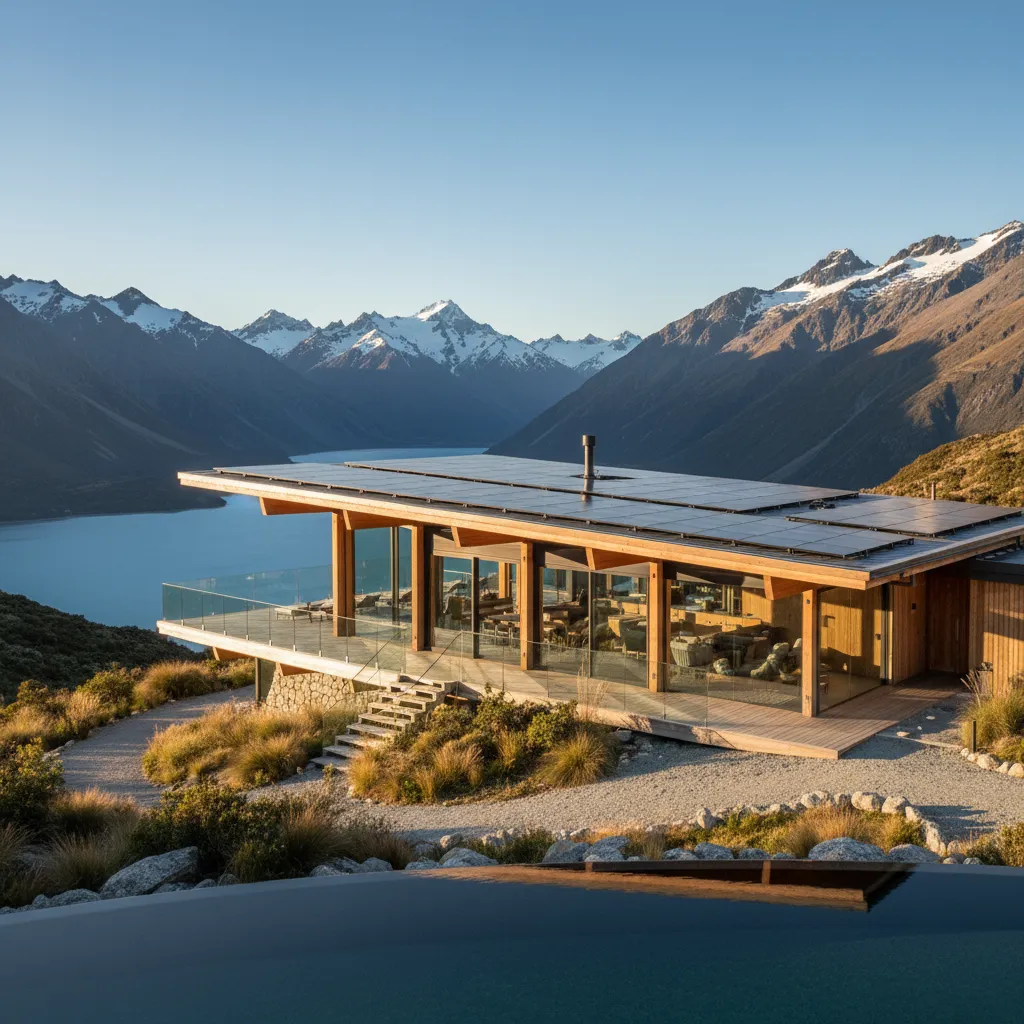
Located in Glenorchy, The Headwaters Eco Lodge (formerly Camp Glenorchy) was designed from the ground up to be a net-zero energy facility. While the initial green premium for construction was significant, the lodge operates with drastically lower utility costs. More importantly, it has attracted a global following of travelers specifically seeking out the world’s first Living Building Challenge-certified accommodations. The ‘premium’ here is the architecture and the philosophy itself, allowing the lodge to command high nightly rates that reflect its unique market position.
Marketing Sustainable Value Propositions
Effectively communicating the ‘why’ behind a green premium is the difference between a successful sale and a lost booking. In a world wary of greenwashing, New Zealand operators must rely on radical transparency and third-party verification.
Moving Beyond Greenwashing: Evidence-Based Storytelling
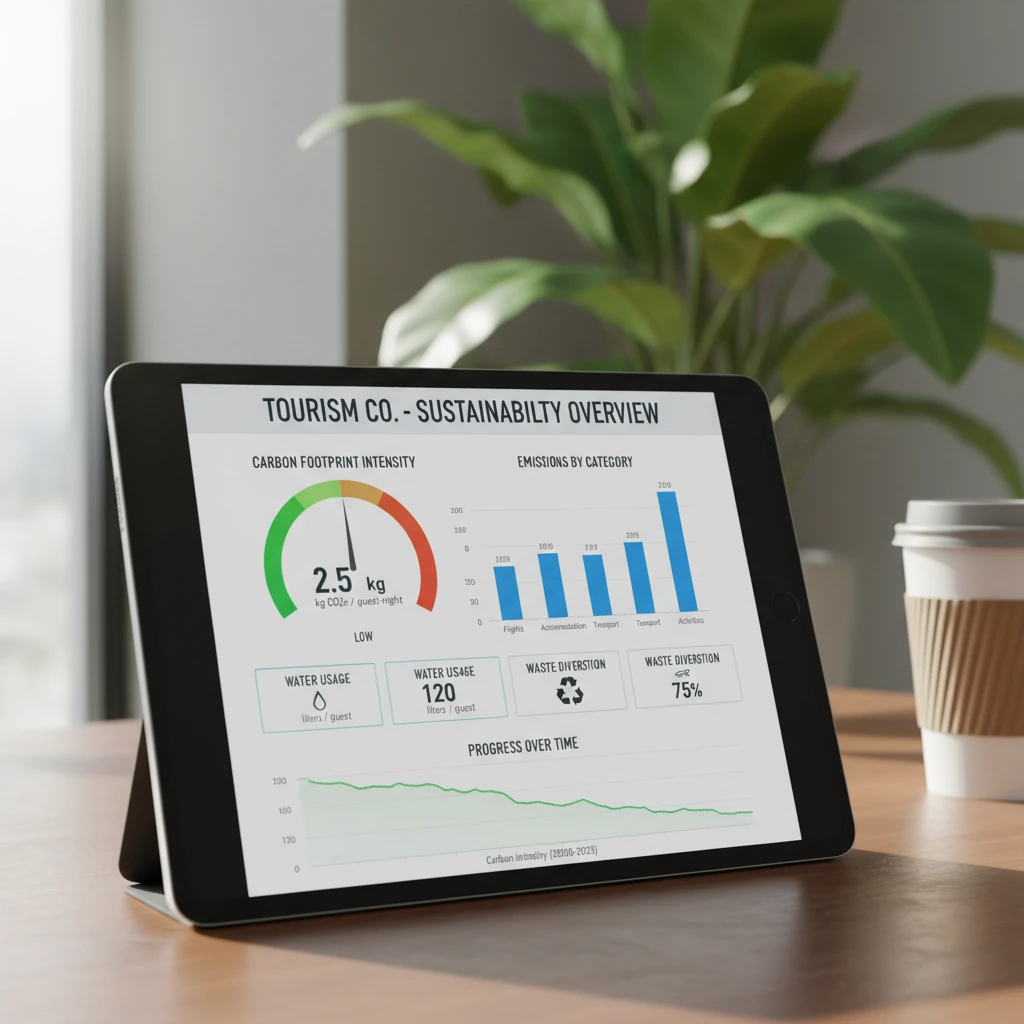
Marketing a sustainable value proposition requires data. Operators should be able to tell guests exactly how much carbon was saved by their choice, or how many trees were planted as a result of their visit. Using tools like the ‘Carbon Click’ integration at checkout or displaying real-time energy generation data in a lodge lobby provides the evidence guests need to justify the extra cost. Storytelling should focus on the ‘legacy’ of the guest’s visit—how their presence contributed to the restoration of the Aotearoa landscape.
Leveraging the Tiaki Promise for Brand Equity
The Tiaki Promise is a national initiative that encourages travelers to care for New Zealand. Operators who align their business practices with the principles of Tiaki—guardianship, protection, and preservation—can use this cultural framework to explain their pricing. When a guest understands that their ‘green premium’ is contributing to the ‘Kaitiakitanga’ (guardianship) of the land, the price becomes a contribution to a shared value system rather than a mere expense.
Navigating NZ Climate Compliance and the Carbon Economy
The regulatory environment in New Zealand is shifting rapidly. The Climate Change Response (Zero Carbon) Amendment Act 2019 sets a framework for New Zealand to reach net-zero emissions by 2050. For the tourism sector, this means that ‘green’ is no longer optional; it is a compliance requirement.
The Role of the New Zealand Emissions Trading Scheme (ETS)
The ETS is the primary tool for reducing emissions in New Zealand. As the price of carbon credits (NZUs) rises, the cost of traditional tourism activities—such as flying, driving, and heating—will naturally increase. This ‘forced’ green premium means that operators who do not decarbonize will eventually be priced out of the market. Proactive management involves staying ahead of the ETS price curve by investing in efficiency today to avoid high compliance costs tomorrow.
Qualmark and the Sustainable Tourism Business Award
Qualmark, New Zealand tourism’s official quality assurance organization, has integrated sustainability into its core grading system. Achieving a ‘Gold’ Sustainable Tourism Business Award is a powerful way for operators to signal their commitment to environmental standards. This certification provides a trusted benchmark for international travel trade and consumers, helping to justify the pricing models associated with high-standard eco-tourism.
In conclusion, managing green premiums in tourism is a multi-faceted challenge that requires a blend of financial acumen, operational innovation, and authentic marketing. For New Zealand operators, the transition to a low-carbon economy is both a risk and an unparalleled opportunity. By embracing transparency, investing in clean technology, and aligning with the values of the modern traveler, the New Zealand tourism industry can ensure its long-term viability and continue to offer world-class experiences that don’t cost the earth.
What is a green premium in tourism?
A green premium in tourism is the additional cost a traveler pays for a sustainable or eco-friendly travel option compared to a traditional, carbon-intensive version. This cost often covers renewable energy investments, carbon offsets, or higher-quality sustainable supplies.
Do tourists actually pay more for sustainable travel?
Yes, particularly the ‘high-value’ segment. While many travelers express a desire for sustainability, those in the luxury and premium markets are most likely to follow through with their wallets, especially when the environmental benefits are clearly demonstrated.
How does New Zealand’s carbon economy affect tourism prices?
Through the Emissions Trading Scheme (ETS), the cost of carbon is increasingly factored into fuel and energy prices. This makes traditional tourism more expensive over time, narrowing the gap between conventional and green options.
What are the best ways to market eco-friendly tourism?
Transparency and certification are key. Use third-party labels like Qualmark Gold, provide specific data on carbon reduction, and align your marketing with the Tiaki Promise to build trust and justify premium pricing.
How can tourism operators reduce green premiums?
Operators can reduce premiums by achieving operational efficiencies, such as reducing waste, upgrading to energy-efficient appliances, and sourcing local supplies to minimize transport costs and carbon levies.
Is carbon offsetting mandatory for NZ tourism businesses?
While not currently mandatory for all small businesses, larger entities face increasing reporting requirements under the Zero Carbon Act. Many operators choose voluntary offsetting to meet consumer demand and brand positioning goals.
About The Author
