Methane Reduction Tech for NZ
New Zealand faces a unique challenge in the global effort to combat climate change. Unlike many developed nations where transport or energy sectors dominate emissions, nearly half of New Zealand’s greenhouse gas profile comes from agriculture, specifically biogenic methane from livestock. As the nation strives to meet the ambitious targets set by the Zero Carbon Act, methane reduction technology nz has become a focal point for researchers, policymakers, and farmers alike.
Methane reduction technology nz refers to a suite of scientific innovations, including feed supplements, vaccines, and genetic selection tools, designed to lower enteric methane emissions from livestock. These technologies are essential for New Zealand’s agricultural sector to meet the legislative requirements of the Climate Change Response (Zero Carbon) Amendment Act 2019, which targets a 10% reduction by 2030.
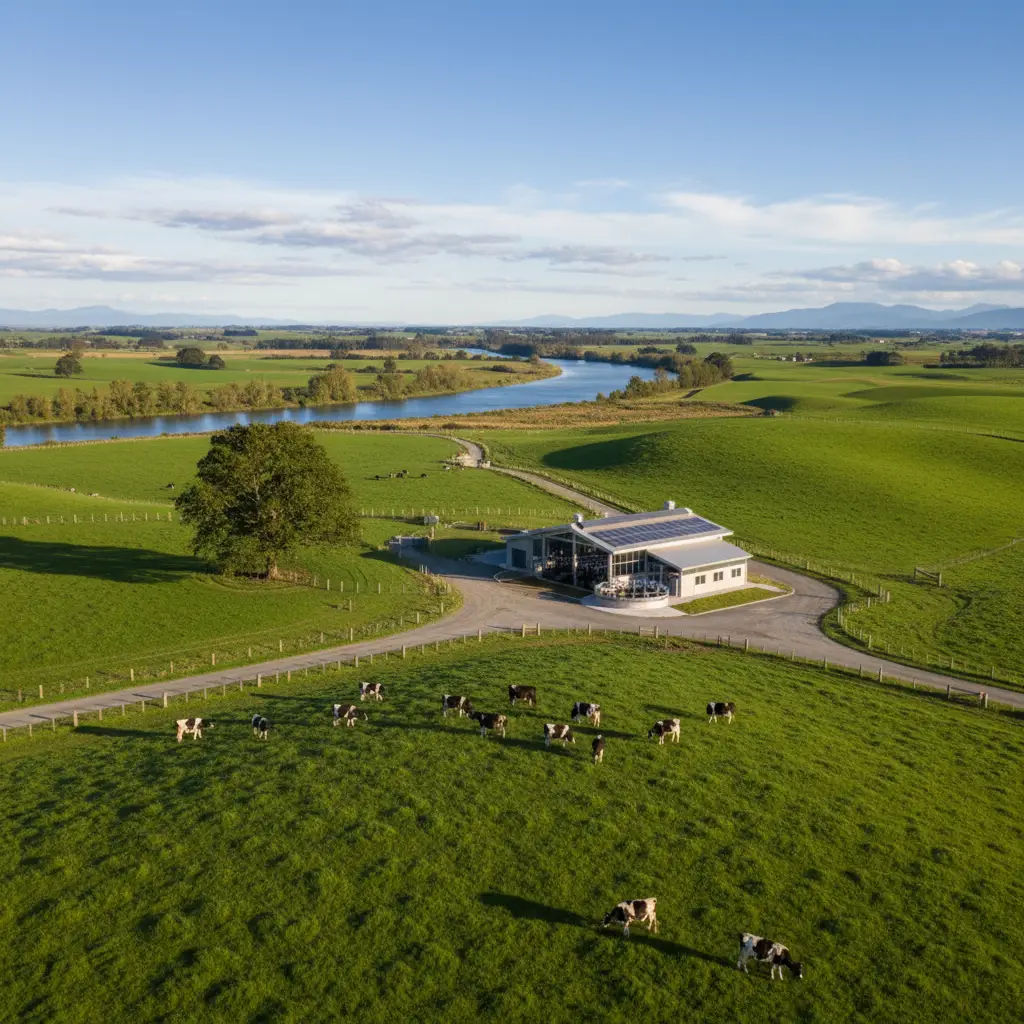
Why Methane Reduction Technology is Vital for NZ?
The urgency for methane reduction technology nz stems from the biological reality of ruminant animals. Cows, sheep, and deer produce methane as a byproduct of enteric fermentation, a process where microbes in the rumen break down cellulose. Because New Zealand’s economy is heavily reliant on pastoral farming, the country cannot simply ‘electrify’ its way out of agricultural emissions. Instead, the solution must be biological and technological. The Climate Change Response (Zero Carbon) Amendment Act 2019 requires a reduction in biogenic methane emissions of 10% below 2017 levels by 2030, and between 24% and 47% by 2050. Achieving these figures without significantly reducing herd sizes requires a rapid deployment of innovative technologies that can suppress methane production without compromising animal health or productivity.
Feed Supplements and Vaccines: The Frontline of Innovation
Feed supplements are currently the most advanced category of methane reduction technology nz. These products are designed to be ingested by the animal, where they interact with the rumen microbiome to inhibit the methanogens responsible for gas production. However, the delivery of these supplements in a grass-fed system presents a significant logistical hurdle compared to intensive feedlot systems found overseas.
3-NOP (Bovaer) and Its Role in NZ Farming
One of the most widely discussed supplements is 3-nitrooxypropanol (3-NOP), marketed as Bovaer. This compound works by inhibiting the enzyme methyl-coenzyme M reductase, which facilitates the final step of methane formation in the rumen. International studies have shown methane reductions of 30% or more. In New Zealand, the challenge is ensuring cows receive a consistent dose while grazing. Research is currently focused on slow-release capsules or lick blocks that can provide a steady supply of 3-NOP to the animal throughout the day, ensuring the technology is effective in a pastoral context.
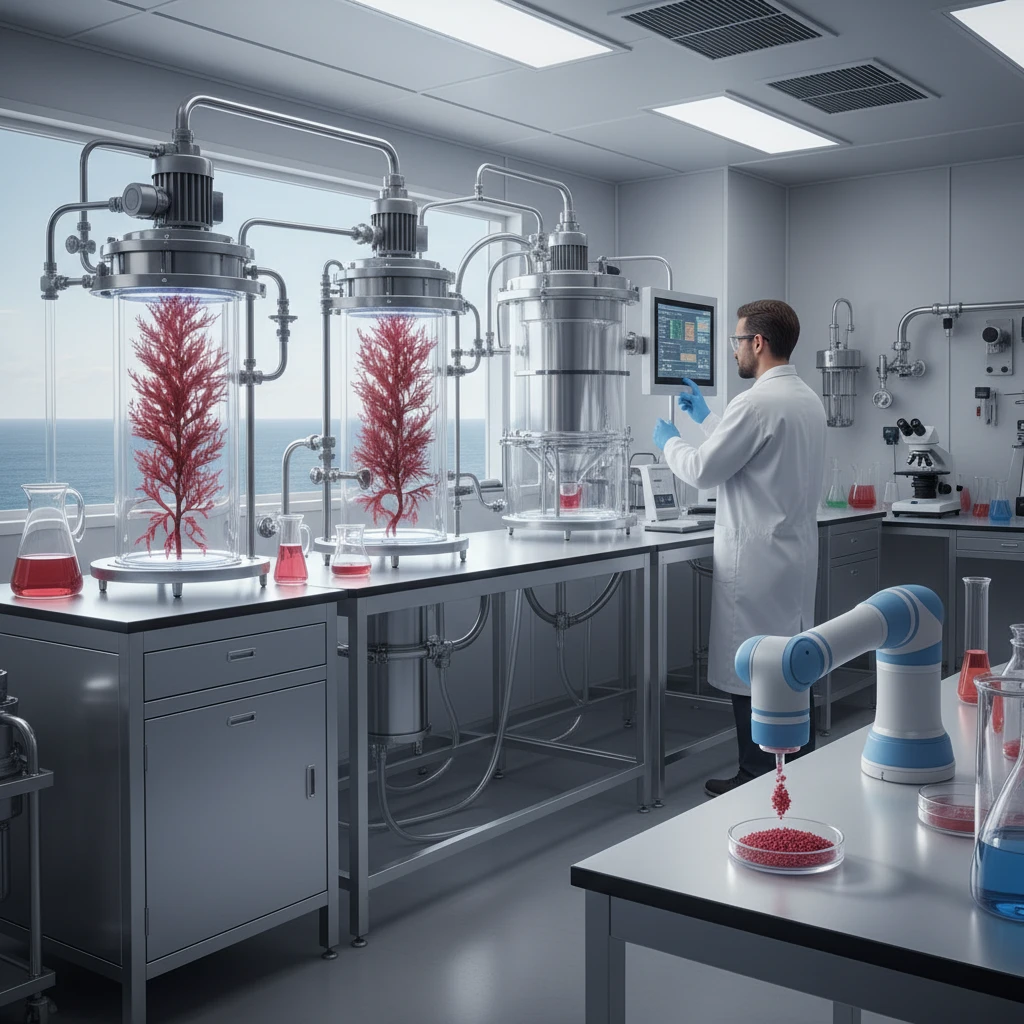
Asparagopsis: The Seaweed Solution
Another promising supplement is the red seaweed Asparagopsis. This seaweed contains bromoform, a compound that significantly disrupts the methane-producing pathway. Trials have indicated that even small amounts of Asparagopsis in an animal’s diet can reduce methane emissions by over 80%. In New Zealand, companies like CH4 Global are working on scaling the aquaculture of this seaweed to provide a consistent supply for the dairy and beef sectors. The focus remains on ensuring that bromoform levels are safe for the animal and do not leave residues in the milk or meat products destined for international markets.
The Quest for an Effective Methane Vaccine
Often referred to as the ‘holy grail’ of methane reduction technology nz, a methane vaccine would trigger the animal’s immune system to produce antibodies in the saliva. These antibodies would then enter the rumen and neutralize specific methanogens. The advantage of a vaccine is its suitability for all farming types, including high-country sheep stations where daily supplementation is impossible. While a commercial vaccine is not yet available, the Pastoral Greenhouse Gas Research Consortium (PGgRc) and AgResearch are making significant strides in identifying the right microbial targets to ensure an effective immune response.
Genetics and Breeding: Selection for a Greener Future
While supplements provide an external intervention, genetics offer a permanent and cumulative solution to methane emissions. New Zealand is a global leader in sheep genetics, and this expertise is now being applied to climate goals. By identifying animals that naturally produce less methane for every kilogram of feed consumed, breeders can select for a more efficient and ‘greener’ national flock.
Success in the Sheep Sector
AgResearch has successfully identified that methane production is a heritable trait in sheep, with a heritability rate of approximately 20%. Through the use of portable accumulation chambers (PACs), researchers can measure the methane output of individual sheep. This data has led to the development of a ‘methane breeding value,’ allowing farmers to select rams that will produce low-emitting offspring. This technology is already being integrated into the New Zealand sheep industry, proving that genetic selection can reduce emissions without negatively impacting wool or meat quality.
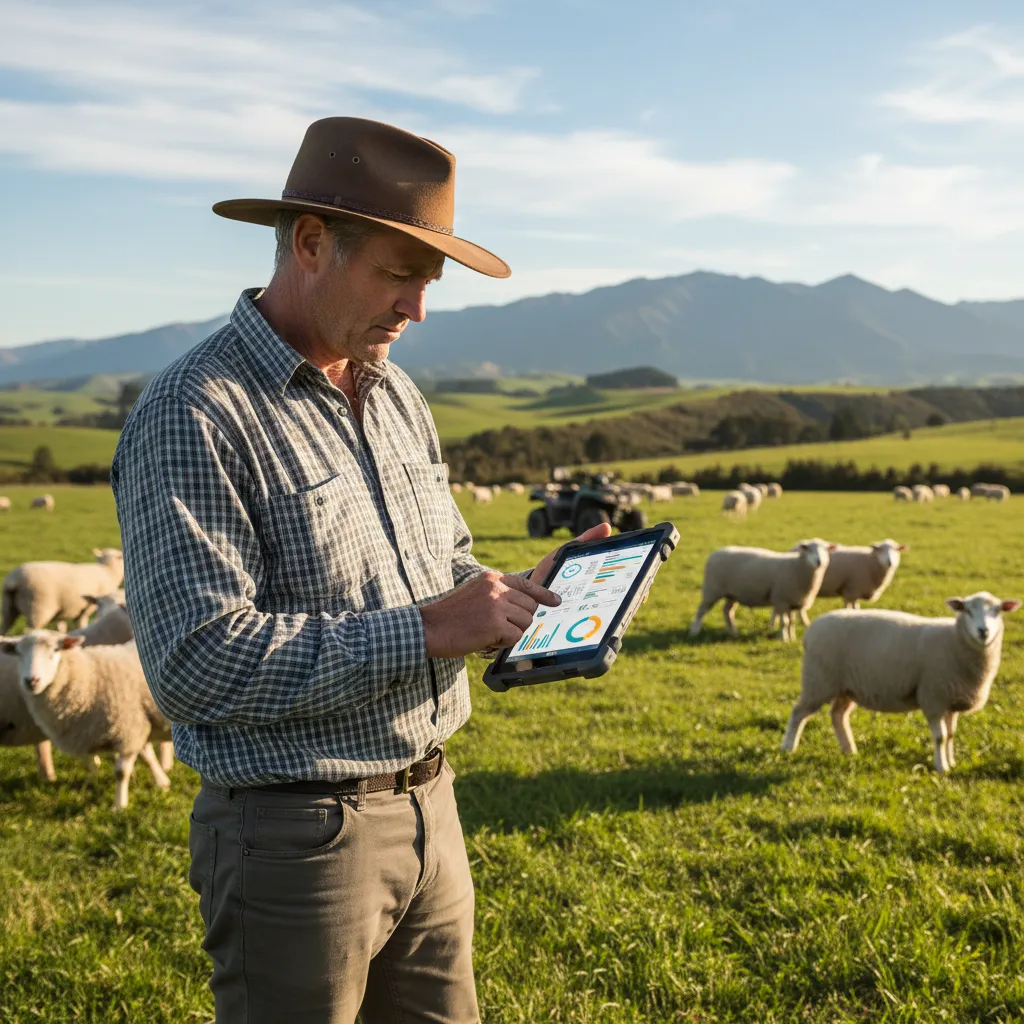
Future-Proofing the Dairy Industry
In the dairy sector, the challenge is slightly more complex due to the higher metabolic demands of milk production. However, organizations like LIC (Livestock Improvement Corporation) and CRV are actively researching the link between a cow’s genetic makeup and its methane output. By analyzing the milk urea nitrogen and other biomarkers, scientists hope to create a genomic selection tool for dairy farmers. The goal is to breed a national dairy herd that is not only highly productive but also has a significantly smaller carbon footprint per liter of milk produced.
On-Farm Trials and Results: Bridging Science and Practice
The transition from a laboratory setting to a working farm is where methane reduction technology nz faces its toughest test. On-farm trials are essential to prove that these technologies are practical, cost-effective, and acceptable to the animals. These trials also provide the data necessary for the government to recognize these technologies in national emission inventories.
The Role of AgriZeroNZ
AgriZeroNZ is a world-first public-private partnership between the New Zealand government and major industry players like Fonterra, Silver Fern Farms, and Rabobank. This entity is investing hundreds of millions of dollars into the development and scaling of emission-reduction tools. AgriZeroNZ acts as a catalyst, funding on-farm trials for international technologies like Bovaer within the New Zealand environment. Their work ensures that when a technology is ready, the infrastructure and regulatory frameworks are in place to support widespread adoption by farmers.

Case Studies: Southern Dairy Hub and Beyond
The Southern Dairy Hub in Southland has been a critical site for testing methane reduction technology nz. By running comparative trials between different herd management styles and technological interventions, the hub provides real-world evidence of what works. Recent trials have explored the impact of different forage types, such as plantain, on methane and nitrogen leaching. These results are vital for farmers who need to make informed decisions about where to invest their capital to meet coming environmental regulations.
Regulatory Landscape and the Zero Carbon Act
The development of methane reduction technology nz does not happen in a vacuum; it is driven by the legislative pressure of the Zero Carbon Act. The New Zealand government has signaled that agricultural emissions will eventually be priced, making it financially imperative for farmers to reduce their output. The ‘He Waka Eke Noa’ partnership was established to develop a framework for pricing these emissions at the farm level, though the specific mechanisms remain a point of intense political and social debate. Regardless of the pricing model, the availability of high-quality methane reduction technology nz will be the primary factor in determining the economic viability of New Zealand farming in a low-carbon future.
Future Outlook and Global Leadership
New Zealand’s investment in methane reduction technology nz positions the country as a global leader in sustainable agriculture. As other nations begin to grapple with their own agricultural emissions, the tools and systems developed in New Zealand will likely become valuable exports. The future will likely see a ‘stacked’ approach, where farmers use a combination of low-methane genetics, targeted feed supplements, and perhaps a vaccine to achieve drastic reductions. While the road to 2050 is long, the rapid pace of technological innovation provides a clear pathway for New Zealand to maintain its status as a premium food producer while meeting its climate obligations.
What is the New Zealand methane target for 2030?
Under the Zero Carbon Act, New Zealand aims to reduce biogenic methane emissions by 10% below 2017 levels by the year 2030, with a further reduction target of 24% to 47% by 2050.
How does 3-NOP (Bovaer) reduce methane in cattle?
3-NOP works by inhibiting the specific enzyme (methyl-coenzyme M reductase) in the rumen that is responsible for the final stage of methane production, effectively stopping the gas from forming.
Can seaweed supplements really stop methane emissions?
Yes, trials of Asparagopsis seaweed have shown methane reductions of over 80% in some cases. The challenge lies in scaling production and ensuring it can be delivered effectively in grass-fed environments.
What is the role of genetics in methane reduction?
Genetics allow farmers to select and breed animals that naturally produce less methane. In sheep, this is already being implemented through methane breeding values, which are roughly 20% heritable.
When will New Zealand farmers have a methane vaccine?
A commercial methane vaccine is not yet available. While researchers have identified promising targets, it is still in the development and testing phase, with no firm release date currently set.
How does the Zero Carbon Act affect NZ farmers?
The Act sets legally binding targets for emission reductions, which will lead to the pricing of agricultural emissions. This makes the adoption of methane reduction technology nz essential for maintaining farm profitability.
About The Author
