Methane Reduction Tech for NZ
Methane reduction technology NZ encompasses innovative solutions like feed additives, vaccines, and genetic breeding designed to lower livestock emissions. These technologies are crucial for New Zealand’s agricultural sector to comply with the Zero Carbon Act, which mandates a 24-47% reduction in biogenic methane by 2050 to combat climate change.
What is Methane Reduction Technology in NZ?
Methane reduction technology in New Zealand refers to a diverse array of scientific and practical tools aimed at decreasing the amount of methane produced by ruminant animals, such as cows, sheep, and deer. Because agriculture accounts for nearly half of New Zealand’s total greenhouse gas emissions, primarily in the form of biogenic methane from enteric fermentation, the development and deployment of these technologies are national priorities. This technology spans from biochemical interventions in the animal’s digestive system to sophisticated data-driven breeding programs.
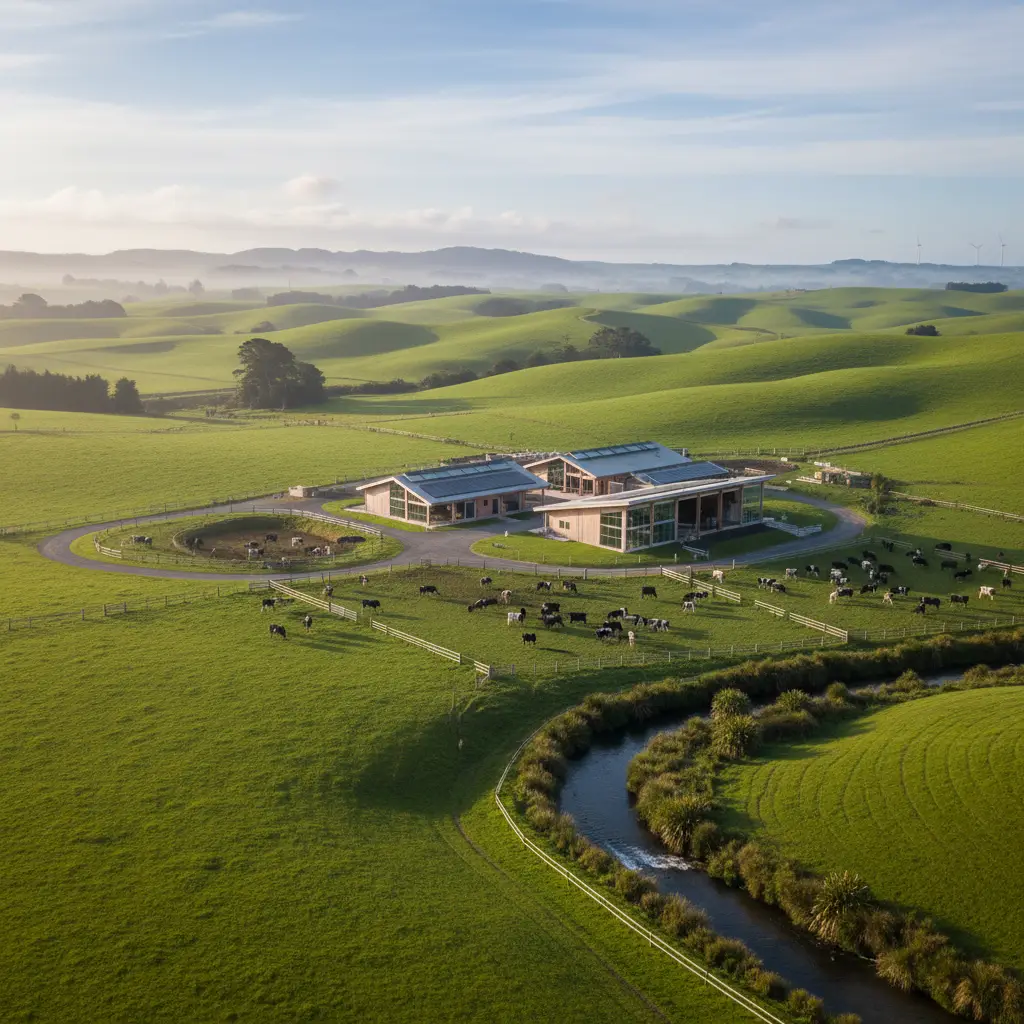
The core of the challenge lies in the rumen, a specialized stomach chamber where microbes break down fibrous plant material. A byproduct of this process is hydrogen, which archaea (methanogens) then convert into methane, which the animal burps out. Methane reduction technology targets these methanogens without compromising the animal’s health or productivity. In the New Zealand context, where pastoral farming is the norm, these technologies must be adaptable to outdoor, grass-fed systems, which presents a unique set of challenges compared to the indoor, grain-fed systems common in the Northern Hemisphere.
Why is Methane Reduction Critical for New Zealand?
New Zealand’s climate profile is unique among developed nations. While most countries focus primarily on carbon dioxide from fossil fuels, New Zealand must grapple with the high percentage of emissions coming from its primary sector. The Climate Change Response (Zero Carbon) Amendment Act 2019 set legally binding targets to reduce biogenic methane emissions by 10% by 2030 and between 24% and 47% by 2050. Achieving these targets without significantly reducing livestock numbers requires a massive leap in technological adoption.
Furthermore, New Zealand’s economic prosperity is tied to its reputation as a producer of sustainable, high-quality food. International consumers and major global retailers are increasingly demanding low-carbon products. By leading the world in methane reduction technology, New Zealand not only meets its domestic climate goals but also secures its competitive advantage in the global market. The establishment of AgriZeroNZ, a joint venture between the government and major industry players like Fonterra and Silver Fern Farms, underscores the commercial and environmental urgency of this mission.
How Do Feed Supplements and Vaccines Work to Reduce Methane?
Feed supplements represent one of the most immediate pathways to lowering methane. One of the most prominent examples is 3-NOP (3-nitrooxypropanol), commercially known as Bovaer. This compound works by inhibiting the enzyme that triggers methane production in the rumen. Research has shown that even small amounts can reduce methane emissions by 30% or more. However, the challenge for NZ is delivering this supplement to cattle that graze freely in paddocks, leading to the development of slow-release boluses and lick blocks.
Another promising supplement is Asparagopsis, a type of red seaweed. This seaweed contains bromoform, which interferes with the methanogenesis process. New Zealand companies like CH4 Global are currently scaling up the aquaculture of this seaweed to provide a natural, potent solution for the agricultural sector. Early trials in NZ have shown dramatic reductions, though long-term safety and environmental impacts of bromoform are still being rigorously monitored by regulators like the Environmental Protection Authority (EPA).
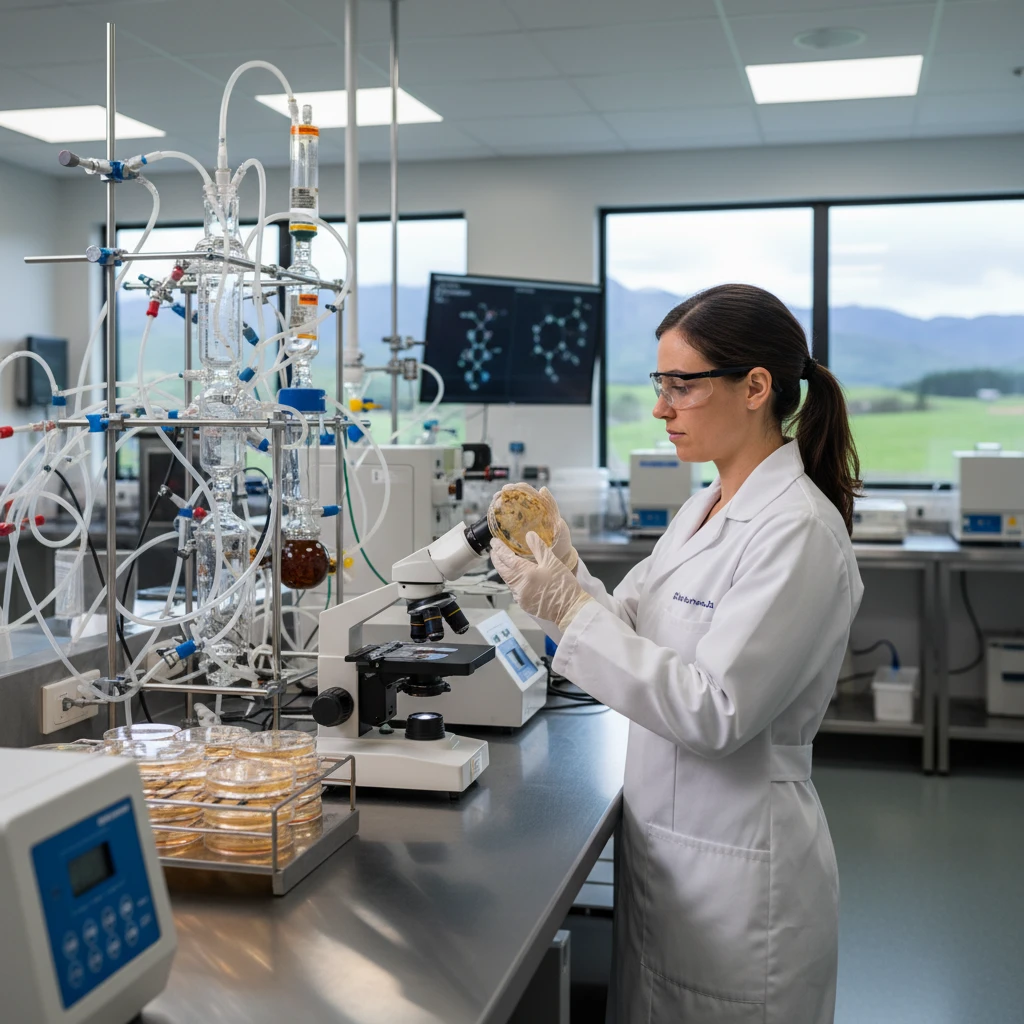
The “holy grail” of methane reduction technology is the methane vaccine. This would stimulate the animal’s immune system to produce antibodies in the saliva that target methanogens in the rumen. A vaccine would be ideal for New Zealand’s extensive farming systems because it would require only one or two doses per year. While the biological complexity of the rumen makes this a difficult task, AgResearch and the Pastoral Greenhouse Gas Research Consortium (PGgRc) are making significant strides in identifying the specific proteins needed to trigger an effective immune response.
Can Genetics and Breeding Offer a Permanent Solution?
While supplements provide a temporary fix, genetics and breeding offer a permanent, cumulative, and cost-effective way to reduce methane. New Zealand is a world leader in this field, particularly with sheep. Research led by AgResearch has demonstrated that methane production is a heritable trait. By measuring the methane output of thousands of sheep in respiration chambers, scientists have identified low-methane individuals and developed a “low methane selection index” for breeders.
This genetic approach is now being extended to the dairy and beef sectors. The goal is to identify cows that naturally produce less methane per kilogram of feed eaten. Importantly, research suggests that low-methane animals do not suffer from lower growth rates or milk production; in some cases, they are more efficient because the energy previously lost as methane is instead used for production. Over several generations, widespread adoption of these genetics could lead to a significant baseline reduction in the national herd’s emissions without any daily intervention required by the farmer.

What are the Results of Recent On-Farm Trials in NZ?
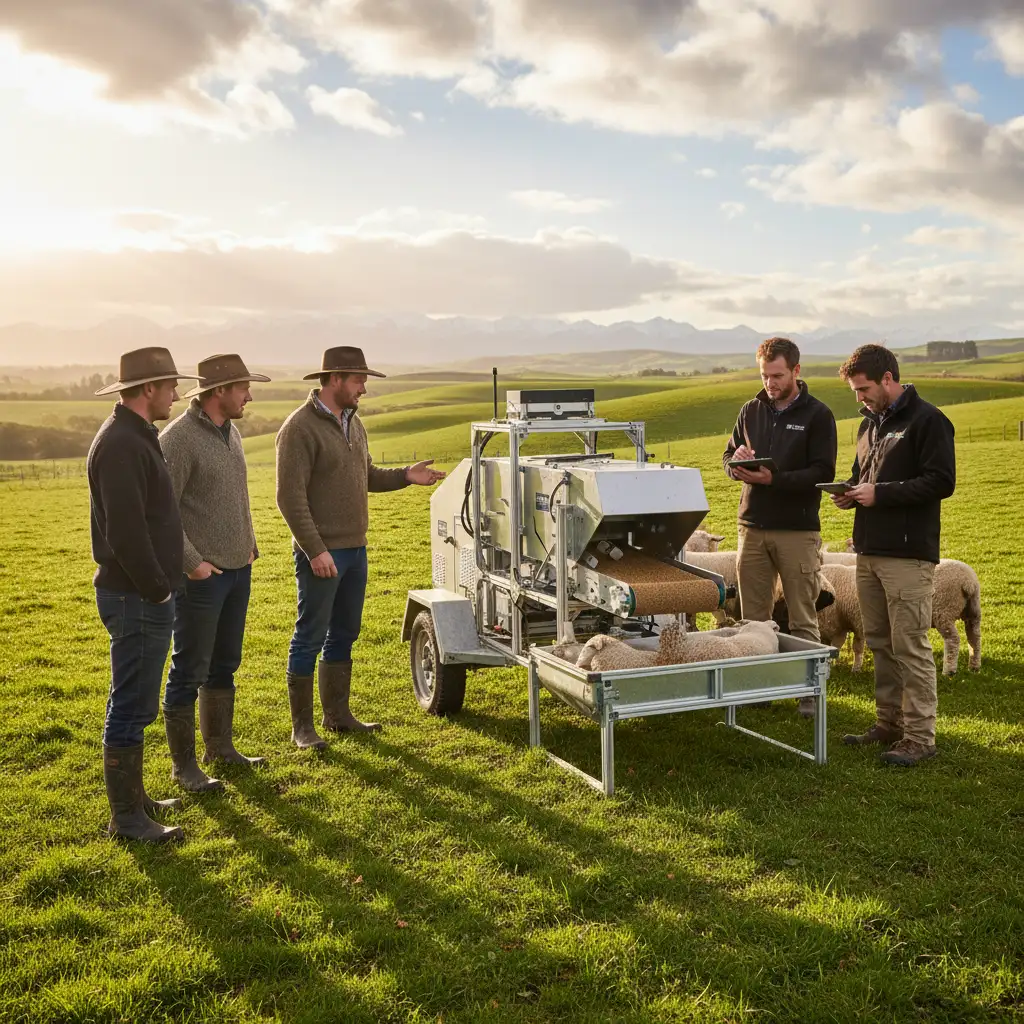
On-farm trials are the bridge between laboratory success and widespread adoption. In New Zealand, several high-profile projects are testing methane reduction technology in real-world conditions. For example, the Southern Dairy Hub has been involved in testing various forage types and supplements to see how they perform in a high-production environment. These trials are essential for understanding the practicalities of delivery, such as how to ensure every animal receives the correct dose of a supplement when they are grazing in a large herd.
AgriZeroNZ has recently funded trials for a methane-reducing bolus that could last for months, providing a “set and forget” solution for farmers. Additionally, the “Cool Cows” project is looking at how different grazing management strategies and the inclusion of diverse pastures (like plantain) can influence methane output. Plantain has been shown not only to reduce nitrogen leaching but also to have a modest effect on methane, making it a valuable tool in the regenerative farming toolkit. The data from these trials is being used to update the Overseer model and the national greenhouse gas inventory, ensuring that farmers get credit for the actions they take on the ground.
Policy, Economics, and the Future Outlook
The path forward for methane reduction technology in NZ is heavily influenced by government policy and the proposed pricing of agricultural emissions. The debate over “He Waka Eke Noa”—the primary sector partnership to reduce emissions—highlighted the tension between environmental goals and economic viability. For technology to be adopted, it must be affordable and recognized by the government’s emissions accounting systems. If a farmer invests in expensive low-methane genetics or supplements, they need to see a corresponding reduction in their emissions liability.
Looking ahead, the integration of multiple technologies will likely be the most effective strategy. A farmer might use low-methane genetics as a baseline, supplement with 3-NOP during the peak lactation period, and utilize a vaccine once it becomes available. The investment in AgriZeroNZ, which has a fund of over $165 million, signals a long-term commitment to this transition. As these technologies mature and costs decrease, New Zealand’s agricultural sector is poised to become a global model for low-emissions food production, proving that it is possible to balance a thriving primary industry with ambitious climate targets.
People Also Ask
What is the 2050 methane target for New Zealand?
Under the Zero Carbon Act, New Zealand aims to reduce biogenic methane emissions by 10% by 2030 and between 24% and 47% by 2050, relative to 2017 levels.
How does Bovaer (3-NOP) reduce methane in cows?
Bovaer works by suppressing the enzyme (methyl-coenzyme M reductase) that helps methanogenic archaea in the rumen produce methane from hydrogen and carbon dioxide.
Is seaweed methane reduction technology safe for livestock?
Trials show that Asparagopsis seaweed is highly effective, but researchers are carefully monitoring bromoform levels to ensure there are no negative impacts on animal health or milk/meat quality.
Can genetics really lower sheep methane emissions?
Yes, research in NZ has shown that methane production is heritable. Farmers can now select for low-methane rams, which can lead to a cumulative reduction in emissions over generations.
What is the role of AgriZeroNZ?
AgriZeroNZ is a public-private partnership that invests in the development and scaling of methane reduction technologies to help NZ farmers meet climate targets.
When will a methane vaccine be available for NZ farmers?
While significant progress has been made by AgResearch, a commercial methane vaccine is still in the development and testing phase and is likely several years away from widespread availability.
About The Author
