Nitrogen Fertilizer Limits NZ
Nitrogen fertilizer limits in NZ refer to the mandatory 190kg per hectare per year cap on synthetic nitrogen application for pastoral land. Established under the National Policy Statement for Freshwater Management 2020, these regulations aim to improve water quality by reducing nitrate leaching into waterways and groundwater systems across New Zealand.
What are the Nitrogen Fertilizer Limits in NZ?
In response to growing environmental concerns regarding water quality and greenhouse gas emissions, the New Zealand government introduced a nationwide cap on the use of synthetic nitrogen fertilizer. As of July 2021, the limit is set at 190 kilograms of synthetic nitrogen per hectare per year (190kg N/ha/year) for any contiguous landholding used for pastoral farming. This regulation is a cornerstone of the National Policy Statement for Freshwater Management (NPS-FM) and represents a significant shift in how New Zealand manages its agricultural footprint.
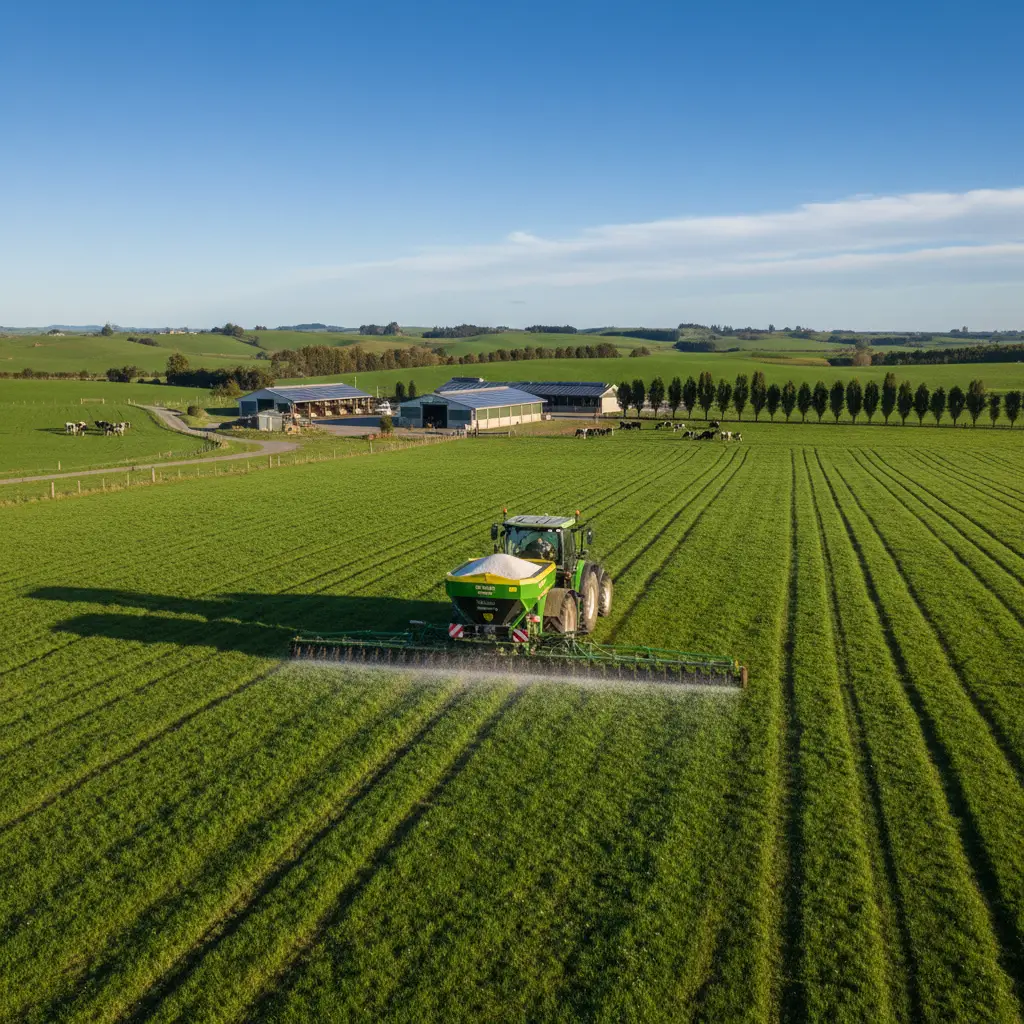
The 190kg cap applies specifically to pastoral land—land used for grazing livestock. It does not currently apply to arable cropping or horticulture, though these sectors are still subject to other nutrient management requirements. The cap is calculated as an average across the pastoral area of a farm, but there is also a specific rule that no single hectare of pasture can exceed the 190kg limit. This prevents “hotspotting,” where high concentrations of fertilizer are applied to specific paddocks, leading to localized leaching risks.
Mandatory Reporting and Record Keeping
Compliance with the nitrogen cap is not just about staying under the limit; it is also about rigorous documentation. Every year, dairy farmers are required to report their synthetic nitrogen use to their respective regional councils. The reporting period runs from July 1st to June 30th of the following year, with data due by July 31st. This data must include the total amount of synthetic nitrogen applied, the area it was applied to, and the types of fertilizer used.
To facilitate this, major fertilizer companies like Ballance Agri-Nutrients and Ravensdown have integrated reporting tools into their digital platforms, such as MyBallance and HawkEye. These tools allow farmers to track their nitrogen applications in real-time and generate the necessary reports for council submission. For farmers not using these digital tools, manual records must be maintained and submitted in a format acceptable to the regional council. Failure to report or exceeding the cap can lead to enforcement actions, including fines or abatement notices.
How Does Synthetic Nitrogen Impact Soil Health?
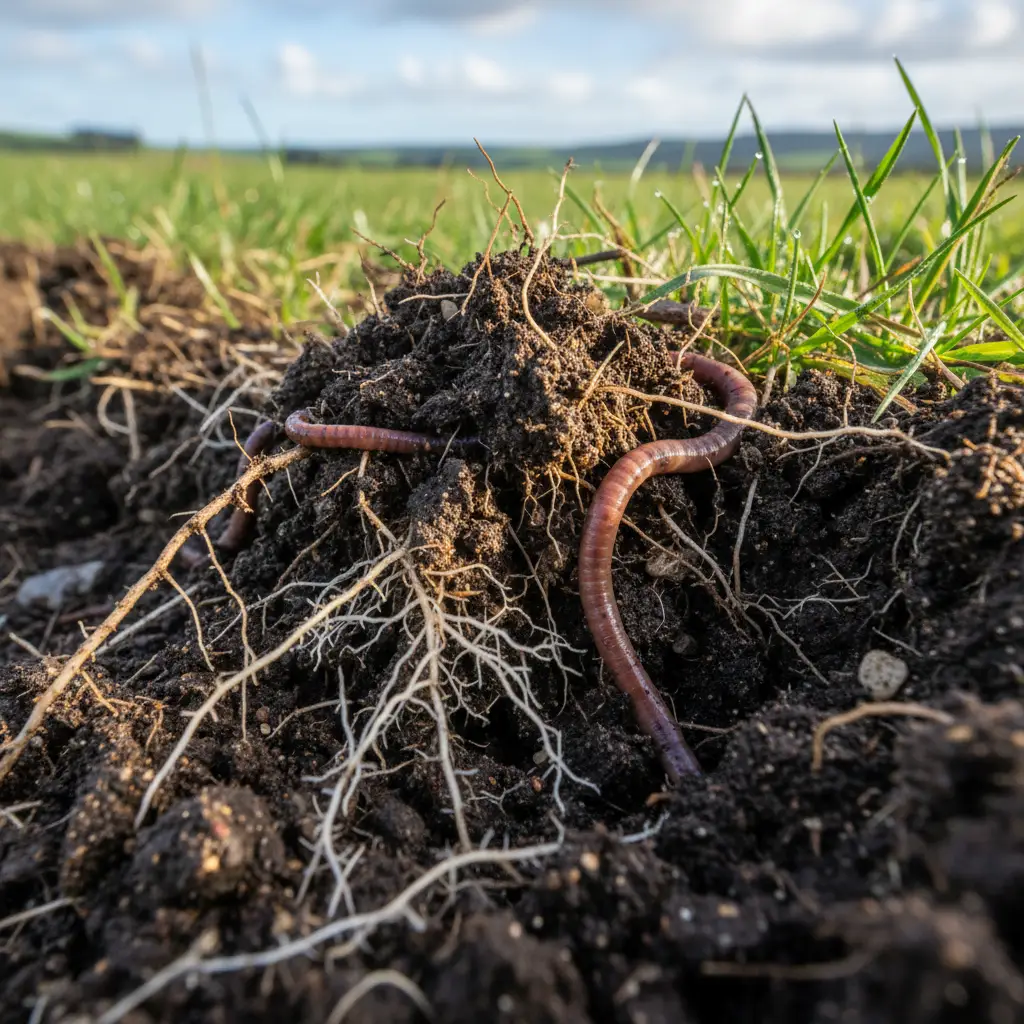
While synthetic nitrogen has been a primary driver of New Zealand’s agricultural productivity over the last few decades, its long-term impact on soil health is complex. High rates of nitrogen application can lead to soil acidification. As ammonium-based fertilizers undergo nitrification (the conversion of ammonium to nitrate), hydrogen ions are released, lowering the soil’s pH. If not managed with regular liming, acidic soils can become less productive and less hospitable to essential soil organisms.
Furthermore, an over-reliance on synthetic nitrogen can suppress the natural biological processes within the soil. Specifically, it can reduce the activity of nitrogen-fixing bacteria and mycorrhizal fungi. These organisms form symbiotic relationships with plants, helping them access nutrients and water. When nitrogen is readily available in a synthetic form, plants “lazy up,” and the microbial communities that would naturally provide these nutrients begin to decline. This creates a cycle of dependency where higher and higher inputs are required to maintain the same level of growth.
The Risk of Nitrate Leaching
The primary environmental driver for the 190kg cap is nitrate leaching. Nitrate (NO3-) is highly mobile in soil. Because both nitrate ions and soil particles are negatively charged, the soil cannot “hold onto” the nitrate. When rainfall or irrigation exceeds the soil’s water-holding capacity, the excess water carries the dissolved nitrates down through the soil profile and into the groundwater or nearby surface water bodies.
In New Zealand’s sensitive catchments, high nitrate levels in water lead to eutrophication—the overgrowth of algae and weeds that chokes aquatic life and degrades water quality. By limiting the total amount of nitrogen applied, the government aims to ensure that plants take up as much of the applied nutrient as possible, leaving less residual nitrate in the soil to be leached during winter drainage events.
What are the Alternatives to Synthetic Nitrogen?
As farmers look to stay below the 190kg cap while maintaining profitability, interest in alternatives has surged. The most traditional and effective alternative in the New Zealand context is the use of white clover. Clover is a legume that “fixes” atmospheric nitrogen into the soil through a symbiotic relationship with Rhizobium bacteria. A high-performing clover-based pasture can fix between 100kg and 250kg of nitrogen per hectare per year naturally, providing a free and sustainable source of fertility that is released slowly as the plant material decomposes.
Another critical alternative is the better utilization of farm dairy effluent (FDE). Effluent is a nutrient-rich resource that was historically treated as a waste product. Modern systems now focus on precise application of effluent back onto pastures, effectively recycling the nitrogen, phosphorus, and potassium already present within the farm system. By optimizing effluent use, many farmers find they can significantly reduce their purchase of synthetic urea.

Regenerative Practices and Bio-stimulants
Regenerative agriculture has also gained traction as a pathway to lower nitrogen inputs. This approach emphasizes soil health, biodiversity, and reduced chemical interventions. Practices such as longer grazing rotations, diverse pasture swards (including chicory and plantain), and the use of bio-stimulants like seaweed extracts or humates aim to enhance the soil’s natural nutrient cycling capabilities. Plantain, in particular, has been shown in New Zealand research to reduce nitrate leaching by altering the nitrogen concentration in cow urine, providing a biological solution to a chemical problem.
Nitrogen Limits and the Zero Carbon Act
The nitrogen fertilizer limits in NZ are not just about water; they are also a critical component of New Zealand’s climate change strategy. Under the Climate Change Response (Zero Carbon) Amendment Act 2019, New Zealand has committed to reaching net-zero emissions of all greenhouse gases (except biogenic methane) by 2050. Synthetic nitrogen fertilizer is a double-edged sword for the climate. Its production is energy-intensive, and its application results in the emission of nitrous oxide (N2O), a potent greenhouse gas with nearly 300 times the warming potential of carbon dioxide.
By capping nitrogen use, the government is effectively capping a significant source of agricultural emissions. This policy aligns with the broader goal of reducing the carbon intensity of New Zealand’s primary exports. International markets are increasingly demanding low-carbon food products, and New Zealand’s regulatory framework for nitrogen serves as a credential for the country’s environmental stewardship. The integration of agriculture into the Emissions Trading Scheme (ETS) or an alternative pricing mechanism (like the proposed He Waka Eke Noa framework) will further incentivize farmers to move away from synthetic inputs in favor of carbon-efficient practices.

Monitoring, Compliance, and Future Outlook
Regional councils are the primary bodies responsible for enforcing the 190kg N/ha/year cap. They employ a mix of desk-based audits of the submitted data and on-farm inspections. If a farm’s records indicate an exceedance, the council may investigate the circumstances. In some cases, farmers can apply for a non-complying activity land-use consent to exceed the cap, but this requires a rigorous assessment of environmental effects and is generally difficult to obtain.
The future of nitrogen limits in NZ is likely to see even tighter restrictions. Some regional councils, particularly in catchments with severely degraded water quality like the Selwyn or Waikato districts, may implement local rules that are more stringent than the national 190kg cap. Furthermore, as precision agriculture technology evolves, we can expect a shift from “blanket caps” to “efficiency targets,” where farmers are measured not just by how much nitrogen they apply, but by how much is lost to the environment relative to production.
Ultimately, the nitrogen fertilizer limits represent a transition toward a more circular and biologically-based agricultural system. While the shift away from high-synthetic-input farming presents challenges, it also offers opportunities for New Zealand to lead the world in sustainable, high-value food production that respects the limits of the natural environment.
The Role of Precision Technology
Technology plays a vital role in meeting these regulatory demands. Variable Rate Application (VRA) technology allows tractors and spreaders to apply fertilizer only where it is needed, avoiding areas like waterways, wetlands, or already nutrient-rich zones. This precision ensures that every kilogram of nitrogen applied is utilized by the crop, maximizing the return on investment for the farmer while staying safely within the 190kg cap. As data integration improves, the “paperwork” of compliance will become more automated, reducing the administrative burden on the farming community.
What is the nitrogen limit for dairy farms in NZ?
The limit is 190 kilograms of synthetic nitrogen per hectare per year (190kg N/ha/year) applied to pastoral land. This cap applies to both the average across the farm and a maximum for any individual hectare.
How do I report my nitrogen use to the council?
Dairy farmers must submit their synthetic nitrogen application data annually by July 31st for the previous year (ending June 30th). This is typically done through online portals provided by regional councils or via fertilizer company software like HawkEye or MyBallance.
Are there exceptions to the 190kg N/ha cap?
The cap specifically applies to synthetic nitrogen on pastoral land. Arable cropping and horticulture are currently exempt from the 190kg cap but are subject to other nutrient management regulations. Farmers can apply for a resource consent to exceed the limit, but approval is not guaranteed.
What happens if I exceed the nitrogen fertilizer limit?
Exceeding the limit without a resource consent is a breach of the National Environmental Standards for Freshwater. Regional councils can issue infringement notices, fines, or abatement notices requiring you to cease the activity or remediate the environmental impact.
Does the nitrogen limit apply to cropping or horticulture?
No, the 190kg synthetic nitrogen cap currently only applies to land used for pastoral grazing. However, these sectors are still required to manage nutrients responsibly under regional plans and the general requirements of the Resource Management Act.
How does nitrogen fertilizer affect NZ water quality?
Excess nitrogen that is not used by plants can leach through the soil into groundwater or runoff into surface water. This causes high nitrate levels in drinking water and promotes algal blooms in lakes and rivers, which depletes oxygen and harms aquatic life.
About The Author
