Nitrogen Fertilizer Limits NZ
Understanding the nitrogen fertilizer limits in NZ is crucial for modern pastoral farming, as these regulations represent a cornerstone of the country’s environmental strategy. Since 2021, New Zealand has implemented strict caps to balance agricultural productivity with the urgent need to protect freshwater quality and meet international climate commitments.
Nitrogen fertilizer limits in NZ refer to the 190kg/ha/year cap on synthetic nitrogen application on pastoral land, established under the National Policy Statement for Freshwater Management 2020. This regulation requires dairy farmers to report their annual usage to regional councils to mitigate nitrate leaching and support New Zealand’s climate goals.
What are the Regulatory Caps and Reporting Requirements?
The introduction of the synthetic nitrogen cap marked a significant shift in New Zealand’s agricultural landscape. Under the Resource Management (National Environmental Standards for Freshwater) Regulations 2020, a limit of 190 kilograms of synthetic nitrogen per hectare per year was imposed on all pastoral land. This cap is not merely a suggestion; it is a legally binding requirement designed to reduce the volume of nitrates entering New Zealand’s waterways.
This regulation specifically targets synthetic nitrogen fertilizer, which includes any manufactured urea, diammonium phosphate (DAP), or ammonium sulphate. It does not include nitrogen derived from organic sources such as animal manure, compost, or effluent, although these are managed under different regional nutrient management plans. The focus on synthetic nitrogen stems from its high solubility and the speed at which it can leach into groundwater if not utilized immediately by plants.
Who Does the Cap Apply To?
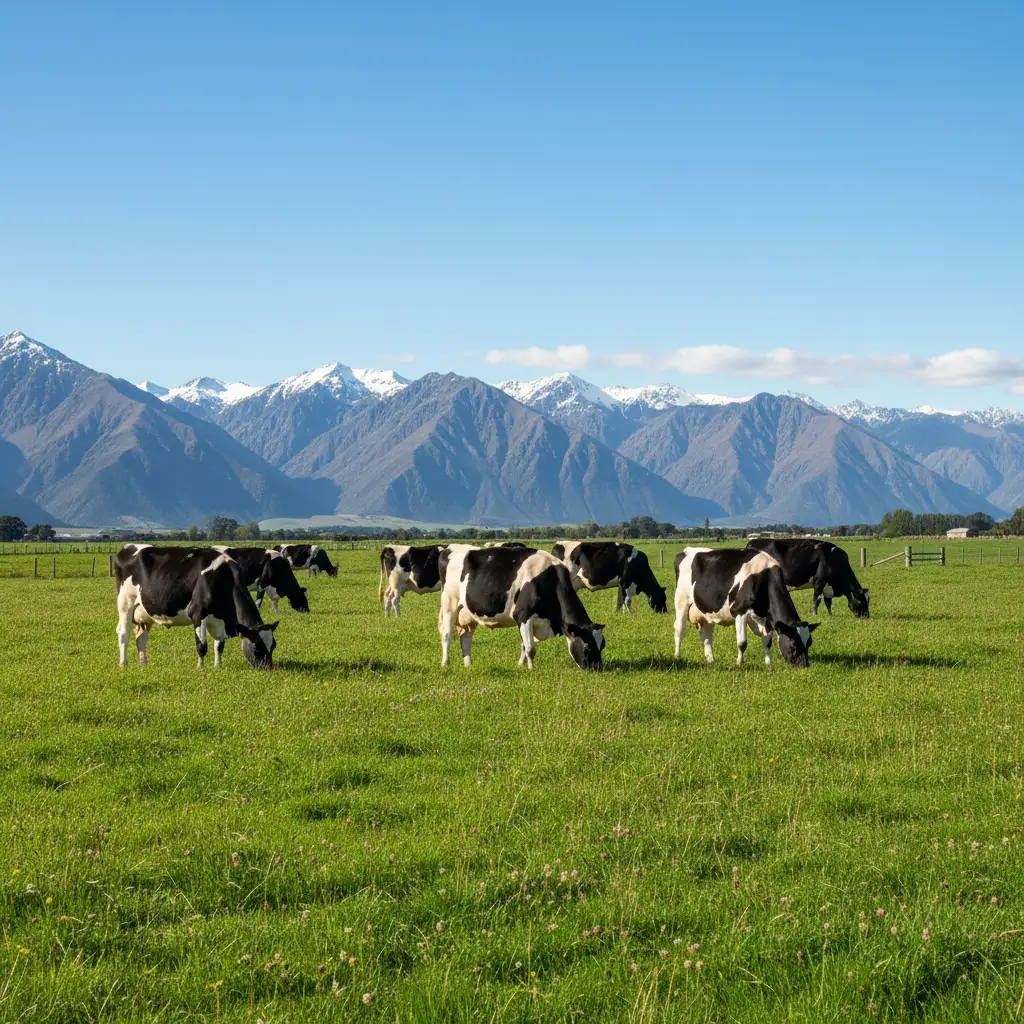
The 190kg/ha cap applies to all “pastoral land” use. This encompasses land used for grazing livestock, including dairy, beef, sheep, and deer farming. For dairy farmers, the regulations are particularly stringent. The cap is applied as an average across the entire pastoral area of a farm, but there is also a secondary rule: no single hectare of pasture can receive more than 190kg of synthetic N in a year. This prevents “hotspotting,” where a farmer might keep the average low but heavily fertilize specific paddocks.
Are There Exemptions?
Exemptions to the nitrogen fertilizer limits in NZ are rare and usually limited to non-pastoral land uses, such as arable cropping or horticulture. However, even these sectors are under increasing pressure to demonstrate nutrient efficiency. For pastoral farmers, the only way to exceed the cap is through a resource consent, which is difficult to obtain and requires a comprehensive Nutrients Management Plan (NMP) proving that the environmental impact will be mitigated.
How Does Nitrogen Reporting Work for NZ Farmers?
Transparency is the backbone of the new nitrogen regulations. To ensure compliance, the New Zealand government requires all dairy farmers to provide annual reports detailing their synthetic nitrogen use. This reporting window typically runs from July 1st to June 30th of the following year, with data submission due by July 31st.
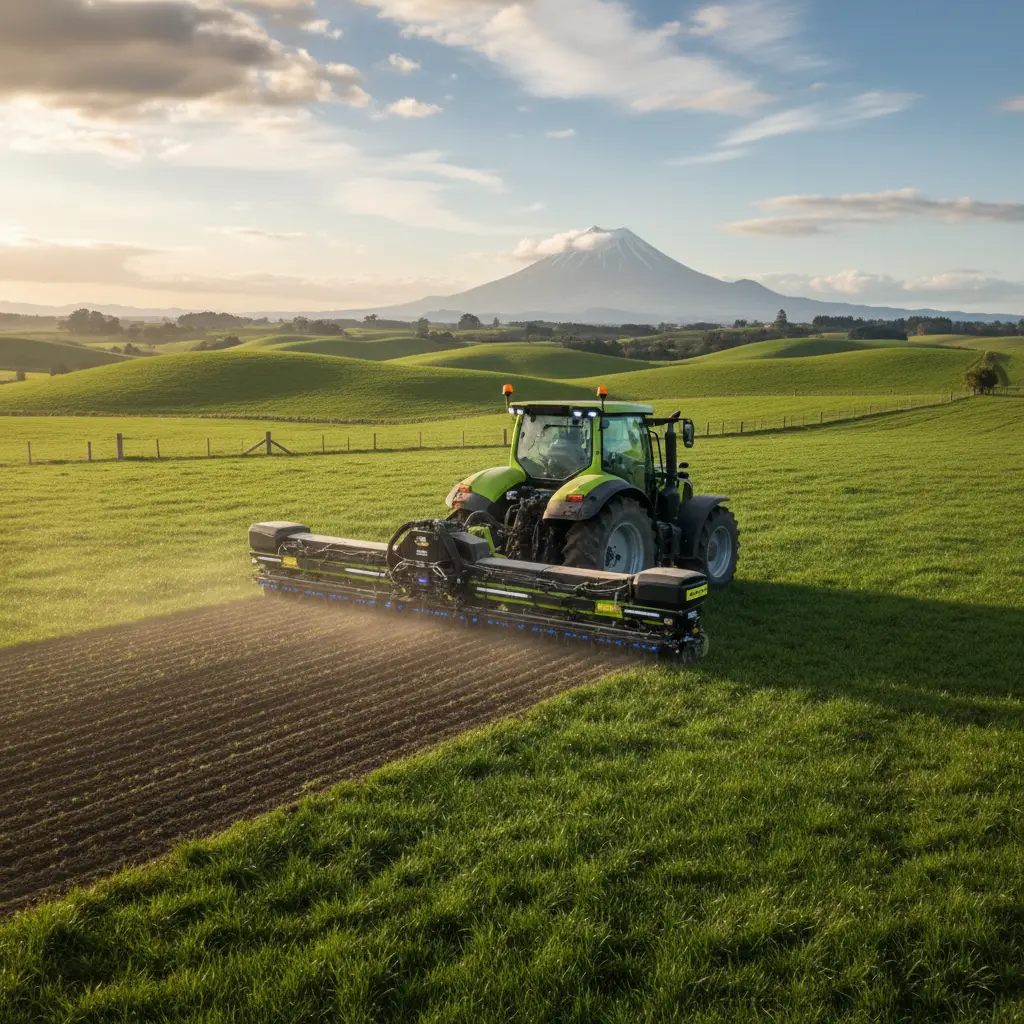
Farmers must record the type of fertilizer used, the rate of application, and the specific dates and locations of application. Most farmers now use digital tools and GPS-tracked spreading equipment to automate this data collection. This information is then submitted to Regional Councils via the “N-Cap” web portal or through dairy company platforms like Fonterra’s Farm Insights Report.
The Role of Regional Councils
Regional Councils are responsible for monitoring and enforcing the nitrogen fertilizer limits in NZ. They use the submitted data to identify farms that have exceeded the cap. Non-compliance can lead to significant penalties, including abatement notices, infringement fines, or in severe cases, prosecution under the Resource Management Act (RMA). The goal is to move away from a culture of maximum input toward one of optimized efficiency.
How Do Nitrogen Fertilizer Limits Impact Soil Health?
While the primary driver for nitrogen limits is water quality, the impact on soil health is equally profound. For decades, many New Zealand farms operated on a “nitrogen treadmill,” where high levels of synthetic N were used to drive rapid grass growth. However, this high-input model often comes at a cost to the underlying soil biology.
The Nitrogen Treadmill and Soil Degradation
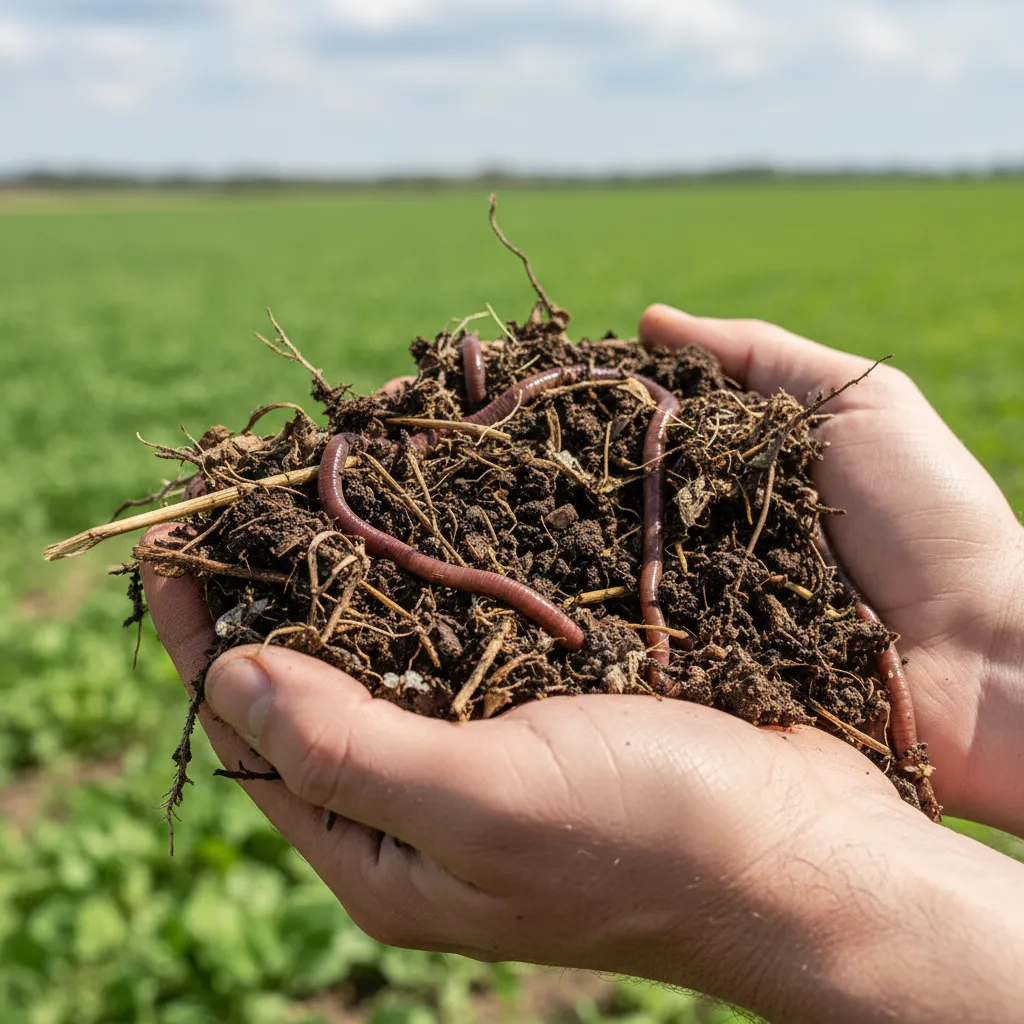
Excessive synthetic nitrogen can lead to soil acidification over time. As urea breaks down, it releases hydrogen ions, which lowers the pH of the soil. If not managed with regular liming, acidic soil becomes less hospitable to beneficial microbes and earthworms. Furthermore, high N levels can stimulate microbes to consume soil organic matter faster than it can be replaced, leading to a decline in soil structure and carbon storage capacity.
Restoring Biological Balance
The 190kg cap encourages farmers to look at soil as a living ecosystem rather than just a substrate for chemical inputs. By reducing synthetic N, farmers allow the soil’s natural nitrogen-fixing processes to resume. This transition period can be challenging, as the soil’s biological community takes time to recover. However, long-term benefits include improved water retention, better nutrient cycling, and a more resilient pasture that can withstand climatic extremes like droughts.
What are the Alternatives to Synthetic Nitrogen?
As the nitrogen fertilizer limits in NZ become more embedded in farming practice, the search for sustainable alternatives has intensified. Reducing synthetic N does not necessarily mean a reduction in total farm productivity, provided that biological and management-based alternatives are utilized effectively.
The Power of Clover and Legumes
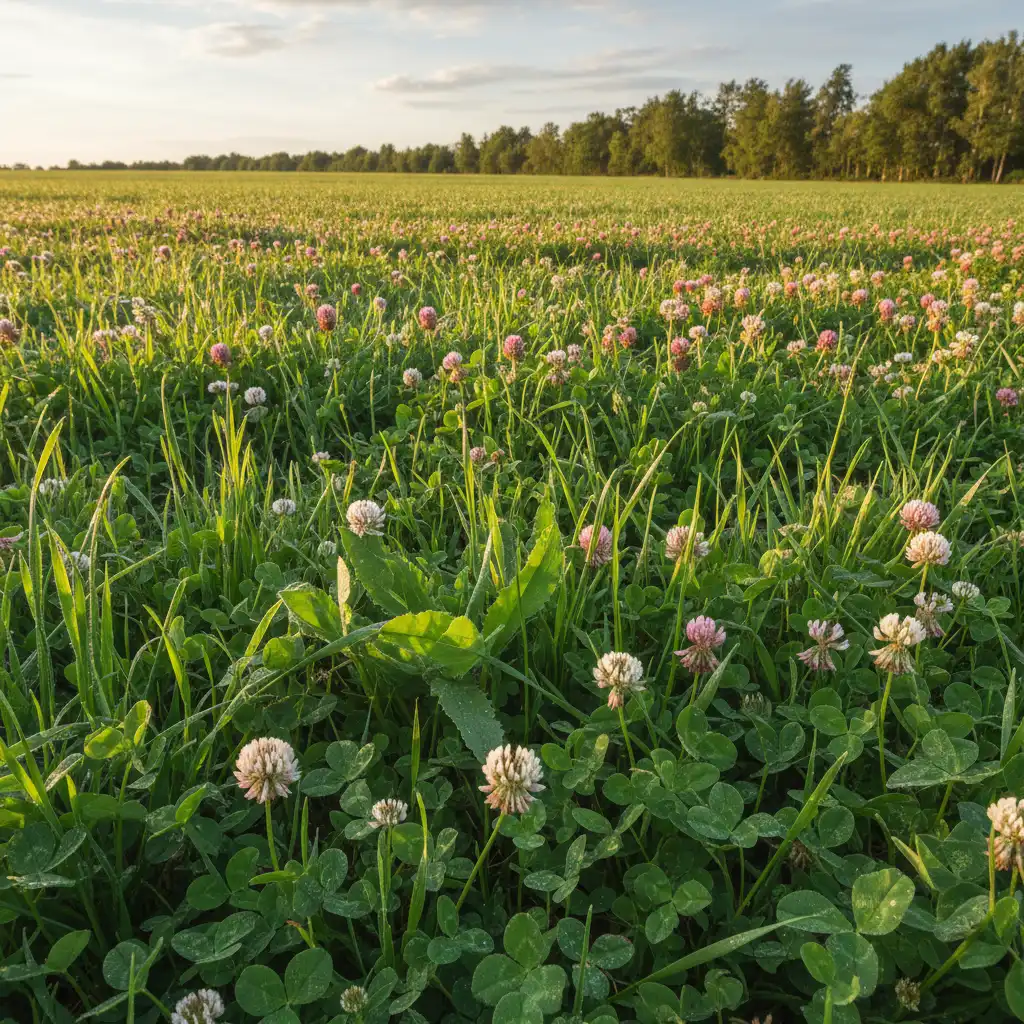
White and red clovers have historically been the engine room of New Zealand pastures. Clovers have a symbiotic relationship with rhizobia bacteria in their root nodules, which allows them to fix atmospheric nitrogen and share it with surrounding grasses. A healthy clover-rich pasture can fix between 150kg and 250kg of nitrogen per hectare annually for free. By reducing synthetic N, which inhibits clover’s fixing ability, farmers can boost this natural and free source of fertility.
Effluent Management and Organic Waste
Dairy shed effluent is a nutrient-goldmine. Modern effluent management systems allow farmers to store and precisely apply liquid waste back onto paddocks. This recycles nitrogen, phosphorus, and potassium that would otherwise be lost. Treating effluent as a fertilizer rather than a waste product is a key strategy for staying under the 190kg synthetic cap.
Diverse Pastures and Plantain
Research from the Lincoln University and AgResearch has shown that incorporating species like plantain (Plantago lanceolata) into pasture mixes can significantly reduce nitrate leaching. Plantain has a “dilution effect” on animal urine and contains bioactive compounds that slow down the nitrification process in the soil. This makes the nitrogen that is present more stable and less likely to wash away.
How Does the Zero Carbon Act Influence Fertilizer Policy?
The nitrogen fertilizer limits in NZ are not just about water; they are a vital part of the Zero Carbon Act 2019. Agriculture is responsible for nearly half of New Zealand’s gross greenhouse gas emissions. While methane from livestock is the largest contributor, nitrous oxide (N2O) from fertilizer and animal waste is a potent greenhouse gas with a global warming potential nearly 300 times that of carbon dioxide.
Reducing Nitrous Oxide Emissions
When synthetic nitrogen is applied to soil, a portion of it is converted into nitrous oxide by soil bacteria through processes called nitrification and denitrification. By capping synthetic N at 190kg/ha, the government is directly limiting the precursor for these emissions. This is a critical lever for New Zealand to meet its target of reducing biogenic methane and nitrous oxide emissions by 2030 and 2050.
The He Waka Eke Noa Framework
The fertilizer cap works in tandem with the “He Waka Eke Noa” primary sector climate action partnership. This framework aims to price agricultural emissions at the farm level. Farmers who use less synthetic nitrogen will likely face lower emissions levies in the future, providing a financial incentive to stay well below the 190kg limit.
The Future of Nitrogen Management in New Zealand
The trajectory for nitrogen fertilizer limits in NZ is clear: regulation will likely tighten rather than loosen. Future policies may move away from a simple input cap toward an “output-based” model, where farmers are measured on the actual amount of nitrogen leaching from their root zones. This would require even more sophisticated modeling and sensor technology.
Regenerative agriculture is also gaining traction as a pathway for NZ farmers. This approach focuses on building soil organic matter and biodiversity, which naturally increases nutrient efficiency. As the global market increasingly demands low-carbon, environmentally friendly food products, New Zealand’s strict nitrogen limits may transition from a regulatory burden to a competitive advantage in the international marketplace.
Conclusion
The 190kg/ha nitrogen fertilizer limit is more than just a rule; it is a catalyst for innovation in New Zealand’s agricultural sector. By embracing clover-based systems, precision technology, and improved soil health management, farmers can maintain high productivity while safeguarding the environment. Compliance with these limits ensures that New Zealand’s “Clean Green” brand remains a reality for future generations.
People Also Ask
What is the synthetic nitrogen cap in NZ?
The synthetic nitrogen cap is a limit of 190kg per hectare per year on the application of synthetic nitrogen fertilizer to pastoral land, mandated by the National Environmental Standards for Freshwater.
Who needs to report nitrogen use in New Zealand?
All dairy farmers in New Zealand are required to report their synthetic nitrogen fertilizer use to their respective regional councils annually by July 31st.
Does the 190kg N cap apply to all land?
The cap primarily applies to pastoral land used for grazing livestock. It does not currently apply to arable cropping or horticultural land, although these sectors follow different nutrient guidelines.
What are the penalties for exceeding nitrogen limits?
Penalties can include formal warnings, abatement notices, infringement fines, or prosecution under the Resource Management Act, depending on the severity and frequency of the breach.
How does nitrogen fertilizer affect NZ water quality?
Excess nitrogen can leach through the soil into groundwater and eventually into rivers and lakes, causing eutrophication, which leads to toxic algae blooms and degrades aquatic ecosystems.
Can I use organic nitrogen instead of synthetic?
Yes, the 190kg cap specifically targets synthetic nitrogen. Organic sources like compost or animal manure are not included in this specific cap, but they must still be managed according to regional effluent and nutrient rules.
About The Author
