Regenerative Agriculture NZ Policy
Regenerative agriculture NZ policy refers to the strategic framework and government initiatives designed to transition New Zealand’s primary sector toward farming practices that restore soil health, enhance biodiversity, and sequester carbon. It aligns with the Zero Carbon Act, focusing on reducing agricultural emissions while maintaining global export competitiveness through sustainable land management and data-backed environmental outcomes.
What is the Soil Carbon Sequestration Potential in NZ?
Soil carbon sequestration is a cornerstone of regenerative agriculture NZ policy. In the context of New Zealand’s unique geological makeup, the ability of soil to act as a carbon sink is significant yet complex. Unlike many Northern Hemisphere soils, New Zealand’s volcanic and alluvial soils already possess relatively high organic matter content. However, regenerative practices aim to push these levels even higher, mitigating the atmospheric concentration of CO2.
Policy discussions often center on how specific management techniques—such as diverse cover cropping, reduced tillage, and managed intensive rotational grazing—can enhance the soil’s capacity to hold carbon. The challenge for policymakers lies in the measurement. For a policy to reward carbon sequestration, there must be a robust framework for Monitoring, Reporting, and Verification (MRV). Current research funded by the Ministry for Primary Industries (MPI) is investigating how deep-soil carbon stocks change over time under regenerative versus conventional management.

Mechanisms of Carbon Capture in Pasture-Based Systems
New Zealand’s agricultural sector is predominantly pastoral. Regenerative agriculture NZ policy emphasizes the role of permanent pastures in carbon capture. By increasing the diversity of species in a pasture—moving from simple rye-grass and clover mixes to complex ‘herbal leys’—farmers can increase the depth and volume of root systems. These deeper roots not only stabilize the soil but also deposit carbon deeper into the soil profile where it is less likely to be disturbed and released back into the atmosphere.
How Does the Government Support Regenerative Farming?
Government support for regenerative farming in New Zealand is channeled through several key initiatives, primarily managed by the Ministry for Primary Industries (MPI) under the ‘Fit for a Better World’ roadmap. This roadmap seeks to accelerate the primary sector’s transition to a more sustainable and high-value future. Policy support is not just about direct subsidies; it involves funding research, pilot programs, and the development of certification standards.
The Sustainable Food and Fibre Futures (SFF Futures) fund is a primary vehicle for this. It has invested millions of dollars into projects that test the efficacy of regenerative practices at scale. These projects aim to provide the ‘NZ-specific’ evidence required to back up claims of environmental restoration. Policy is also shifting toward rewarding ‘outcomes’ rather than ‘prescriptions,’ allowing farmers the flexibility to innovate while meeting strict environmental targets set by the state.
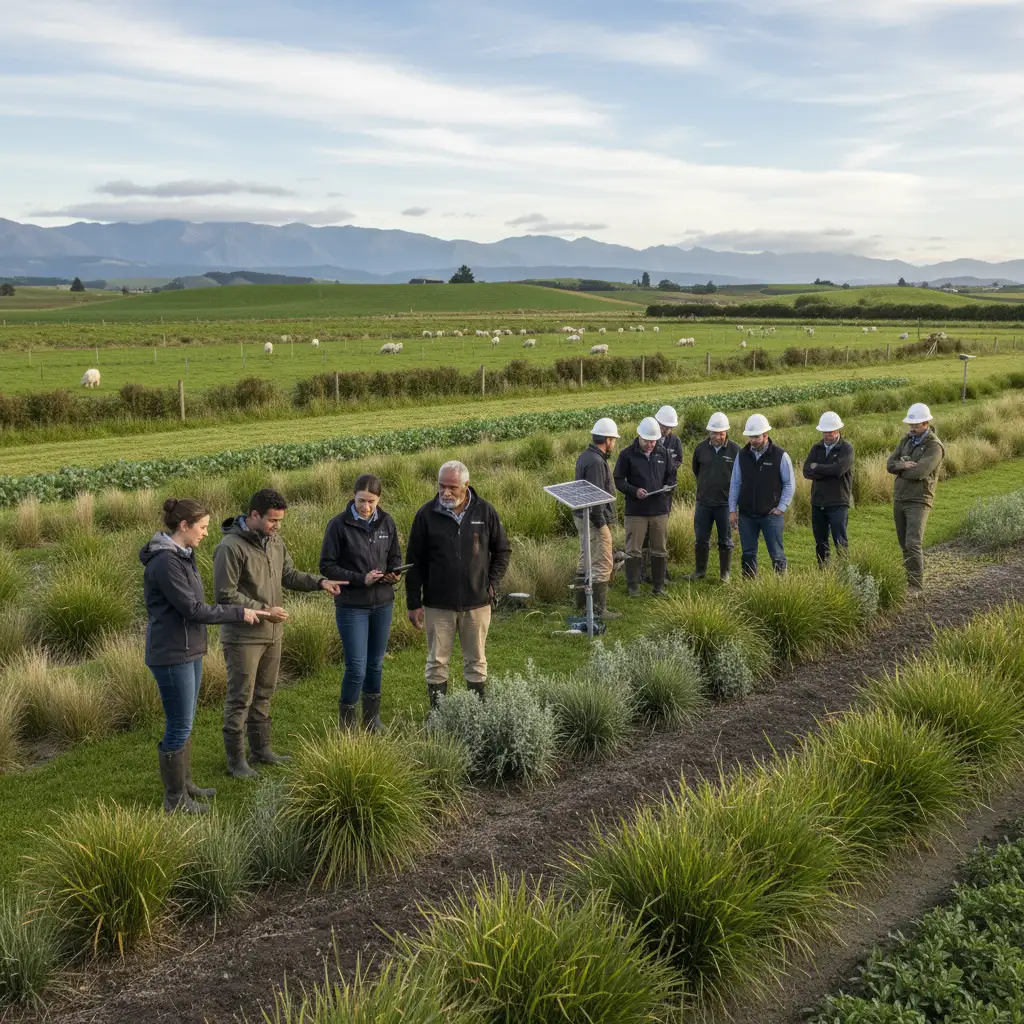
The Role of Our Land and Water National Science Challenge
A significant portion of regenerative agriculture NZ policy is informed by the ‘Our Land and Water’ National Science Challenge. This initiative focuses on the dual goals of maintaining productivity while improving water quality and reducing emissions. By funding peer-reviewed research, the government ensures that policy decisions are grounded in science, avoiding the ‘greenwashing’ risks associated with poorly defined regenerative claims.
What are the Biodiversity Benefits of Regenerative Policy?
Biodiversity is a critical pillar of regenerative agriculture NZ policy. New Zealand’s unique flora and fauna are under pressure from intensive land use, and regenerative practices offer a pathway to integrate conservation with production. Policy frameworks increasingly encourage the restoration of ‘non-productive’ areas of the farm, such as riparian zones, wetlands, and steep gullies, into native biodiversity corridors.
Regenerative farming promotes ‘functional biodiversity’ within the production system itself. This includes the use of beneficial insects for pest control, reducing the reliance on synthetic pesticides, and the integration of trees into the landscape (silvopasture). These practices are supported by policies that provide credits for native plantings and biodiversity gains, potentially creating new revenue streams for farmers beyond traditional meat and dairy sales.
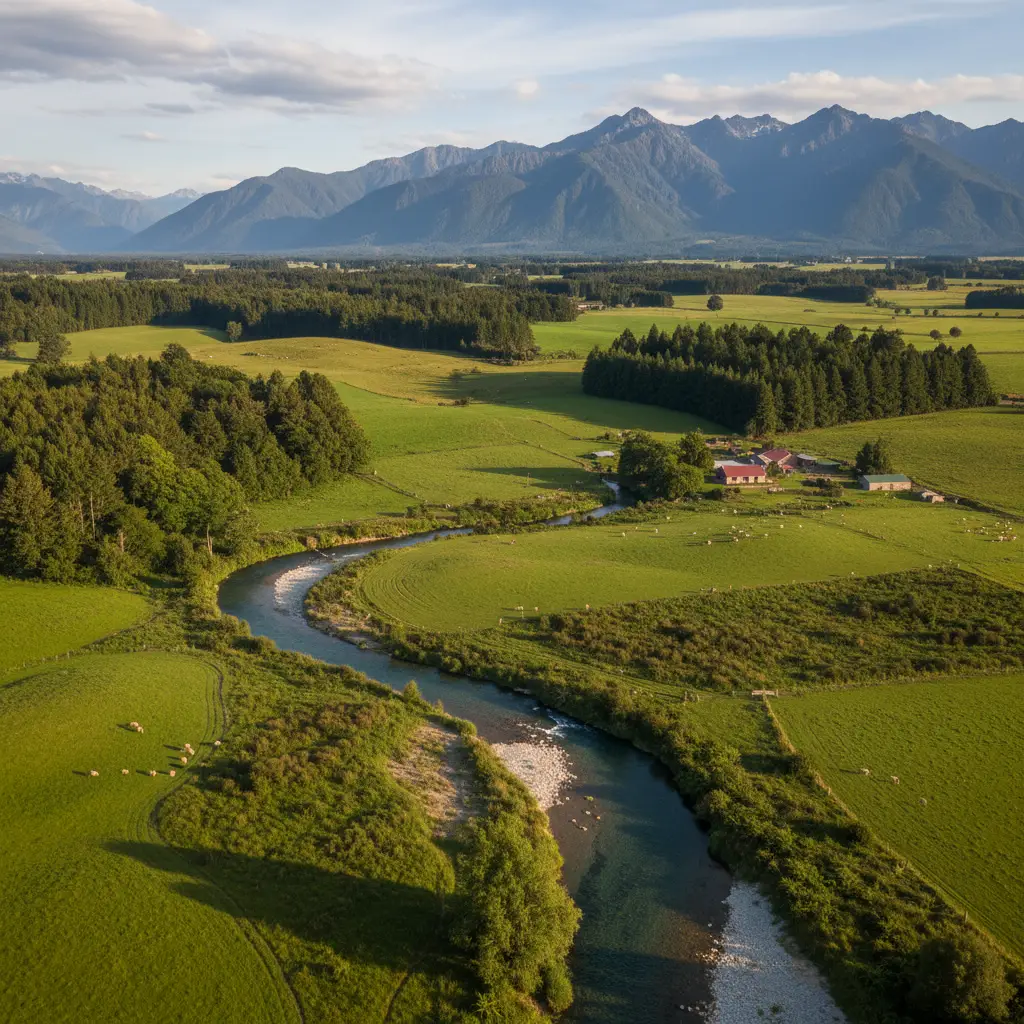
Riparian Management and Water Quality
Water quality is a sensitive issue in New Zealand. Regenerative policy intersects with the National Policy Statement for Freshwater Management (NPS-FM). By encouraging the fencing of waterways and the planting of diverse native buffers, regenerative practices help filter nutrient runoff (nitrogen and phosphorus) and sediment before they reach rivers and lakes. This holistic approach is central to the ‘Te Mana o te Wai’ principle, which prioritizes the health and well-being of water bodies.
How Does the Zero Carbon Act Influence Farming Policy?
The Climate Change Response (Zero Carbon) Amendment Act 2019 provides the overarching legal framework for all regenerative agriculture NZ policy. It sets a target for New Zealand to reduce all greenhouse gas emissions (except biogenic methane) to net zero by 2050. For the agricultural sector, which contributes nearly 50% of the country’s total emissions, the policy pressure is immense.
Regenerative agriculture is seen as a vital tool for meeting these targets. While the debate over biogenic methane (produced by livestock) continues, the carbon sequestration potential of regenerative soils and on-farm vegetation offers a way to offset emissions. Current policy discussions involve how to integrate these on-farm offsets into the New Zealand Emissions Trading Scheme (NZ ETS) or a separate pricing mechanism for agricultural emissions.
He Waka Eke Noa and the Future of Emissions Pricing
The ‘He Waka Eke Noa’ partnership was a world-first collaboration between government, industry, and iwi to develop a system for pricing agricultural emissions at the farm level. Although the political landscape regarding the specific pricing mechanism has shifted, the core objective remains: incentivizing practices that reduce emissions and increase sequestration. Regenerative agriculture NZ policy provides the ‘how-to’ for farmers looking to lower their emissions profile and avoid high carbon costs.
Market Access and Economic Resilience
In the global marketplace, New Zealand’s reputation as a ‘clean, green’ producer is a major competitive advantage. Regenerative agriculture NZ policy is increasingly driven by the demands of international consumers and multinational corporations (like Nestlé and Danone) who have committed to regenerative sourcing. To maintain market access and command premium prices, New Zealand must demonstrate that its products are produced with a net-positive impact on the environment.
Policy is therefore focused on creating a ‘National Brand’ for regenerative products. This involves developing verifiable standards that can withstand international scrutiny. By aligning NZ policy with global ESG (Environmental, Social, and Governance) standards, the government helps ensure that Kiwi farmers remain at the forefront of the high-value food and fiber market.

Building Climate Resilience
Beyond emissions and markets, regenerative policy is about resilience. New Zealand is facing more frequent and extreme weather events, such as droughts and floods (e.g., Cyclone Gabrielle). Regenerative practices—like increasing soil organic matter—improve water holding capacity, making farms more resilient to drought. Policy that supports these practices is essentially a form of national risk management, ensuring the long-term viability of the primary sector in a changing climate.
What are the Challenges in Implementing Regenerative Policy?
Despite the benefits, implementing regenerative agriculture NZ policy is not without hurdles. One of the primary challenges is the lack of a single, universally accepted definition of ‘regenerative.’ This ambiguity can lead to confusion among farmers and potential ‘greenwashing’ in the market. Policymakers are tasked with creating a definition that is flexible enough to apply to different farm types but rigorous enough to be meaningful.
Another challenge is the transition cost. Moving from conventional to regenerative systems often involves a period of lower yields or higher management intensity as the ecosystem recalibrates. Policy must address how to support farmers through this ‘transition valley,’ whether through low-interest loans, grants, or technical extension services. Furthermore, the data requirements for proving environmental outcomes are high, requiring investment in digital infrastructure and soil testing technologies.
Equity and the Role of Māori Agribusiness
Māori are significant landowners and stakeholders in New Zealand’s primary sector. Regenerative agriculture NZ policy must align with Te Ao Māori (the Māori world view) and the principles of Kaitiakitanga (guardianship). Many regenerative principles closely mirror traditional Māori land management practices. Ensuring that policy is co-designed with iwi and hapū is essential for its success and for upholding the principles of the Treaty of Waitangi.
People Also Ask
Is regenerative agriculture mandatory in New Zealand?
Currently, regenerative agriculture is not mandatory in New Zealand. However, various environmental regulations, such as the Zero Carbon Act and the National Policy Statement for Freshwater Management, create strong incentives for farmers to adopt regenerative practices to meet compliance targets.
How does the NZ government define regenerative agriculture?
The NZ government, primarily through MPI, views regenerative agriculture as a set of practices that aim to improve soil health, water quality, and biodiversity while reducing emissions. There is no single legal definition, but the focus is on measurable environmental outcomes.
Can regenerative farmers earn carbon credits in NZ?
Under the current NZ Emissions Trading Scheme (ETS), credits are primarily given for forestry. However, policy discussions are ongoing regarding how to recognize soil carbon and other forms of on-farm sequestration, which would allow regenerative farmers to earn credits.
What are the main practices of regenerative farming in NZ?
Key practices include diverse pasture species (herbal leys), managed intensive rotational grazing, reduced use of synthetic fertilizers and pesticides, cover cropping, and the integration of native trees and riparian buffers.
Does regenerative agriculture reduce milk production in NZ?
Some studies suggest a potential initial dip in production during the transition period. However, many regenerative farmers report higher profitability due to significantly lower input costs (fertilizer, feed, chemicals) and improved animal health.
What is the role of the Ministry for Primary Industries (MPI) in this policy?
MPI leads the policy development, research funding, and international branding efforts for regenerative agriculture. They manage the SFF Futures fund and work to ensure the sector meets the goals of the ‘Fit for a Better World’ roadmap.
About The Author
