Regenerative Agriculture NZ Policy
Regenerative agriculture NZ policy refers to the strategic framework and government initiatives designed to promote farming practices that restore soil health, enhance biodiversity, and sequester carbon. Rooted in the Zero Carbon Act, these policies aim to transition New Zealand’s primary sector toward sustainable, low-emissions systems while maintaining international market competitiveness and environmental resilience.
What is the current state of Regenerative Agriculture NZ Policy?
New Zealand’s approach to regenerative agriculture is currently characterized by a transition from grassroots movement to formal policy integration. Unlike conventional farming, which often relies on synthetic inputs, regenerative agriculture focuses on holistic management. The Ministry for Primary Industries (MPI) has increasingly recognized the need to define and support these practices to meet the nation’s climate goals. The policy landscape is largely shaped by the ‘Fit for a Better World’ roadmap, which seeks to accelerate the productivity, sustainability, and inclusiveness of the primary sector. This involves significant investment in research to build a robust evidence base for regenerative practices in a New Zealand-specific context.

The policy development process involves collaboration between the government, scientific communities, and Māori landowners. Central to this is the concept of Te Taiao, which emphasizes the deep connection between people and the natural world. This cultural alignment provides a unique foundation for NZ policy, distinguishing it from international frameworks. By focusing on soil health and water quality, the policy aims to protect the ‘New Zealand brand’ in global markets where consumers are increasingly demanding proof of environmental stewardship.
How significant is Soil Carbon Sequestration Potential in NZ?
One of the primary pillars of regenerative agriculture NZ policy is the potential for soil carbon sequestration. Soils are the largest terrestrial carbon pool, and increasing their organic matter content is seen as a critical tool for mitigating climate change. In New Zealand, where pastoral farming dominates, the ability of permanent pastures to store carbon is a subject of intense scientific and political debate. Current policy focuses on quantifying this potential to determine how it can be integrated into the national greenhouse gas inventory.
Research suggests that while New Zealand soils already have high carbon levels compared to many other countries, there is still room for improvement through regenerative practices such as diverse sward planting, reduced tillage, and managed grazing. However, the challenge for policymakers lies in the variability of carbon storage across different soil types and climates. To address this, the government has funded multi-year studies to establish baselines and monitor changes over time. This data is essential for any future policy that might allow farmers to earn credits for soil carbon under a domestic sequestration framework.
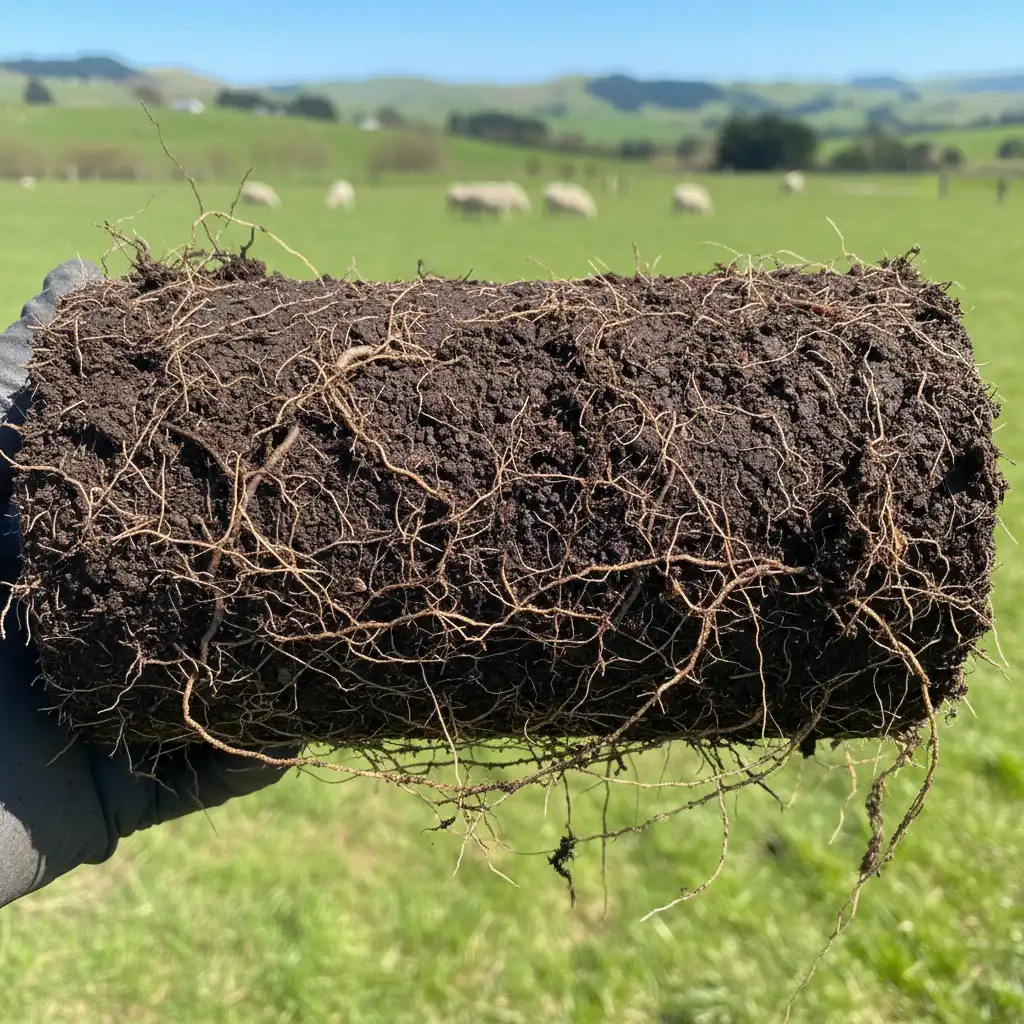
Measuring and Verifying Soil Carbon
For soil carbon to be a viable part of NZ’s climate policy, measurement must be accurate and cost-effective. Current methodologies involve physical soil sampling and laboratory analysis, which can be expensive for individual farmers. Policy initiatives are currently exploring remote sensing and modeling technologies to scale these measurements. The goal is to create a verification system that meets international standards, ensuring that any carbon sequestered is ‘additional’ and ‘permanent.’ This level of rigor is necessary to maintain the integrity of New Zealand’s emissions reporting.
What Government Support is available for Regenerative Farming?
The New Zealand government has signaled its support for regenerative agriculture through various funding streams and research initiatives. The Sustainable Food and Fibre Futures (SFF Futures) fund is a primary vehicle for this support, having invested tens of millions of dollars into projects that explore regenerative techniques. These projects range from large-scale trials on sheep and beef farms to specialized studies on viticulture and horticulture. The emphasis is on building a ‘made in New Zealand’ evidence base that proves the efficacy of these methods in the local environment.
Beyond direct funding for research, the government provides support through extension services and educational programs. By partnering with industry bodies like Beef + Lamb NZ and DairyNZ, the government aims to disseminate best practices and provide farmers with the tools they need to transition. Policy also focuses on reducing the financial risk for early adopters, recognizing that the shift to regenerative systems can involve a period of lower yields or higher management costs before the long-term benefits are realized.
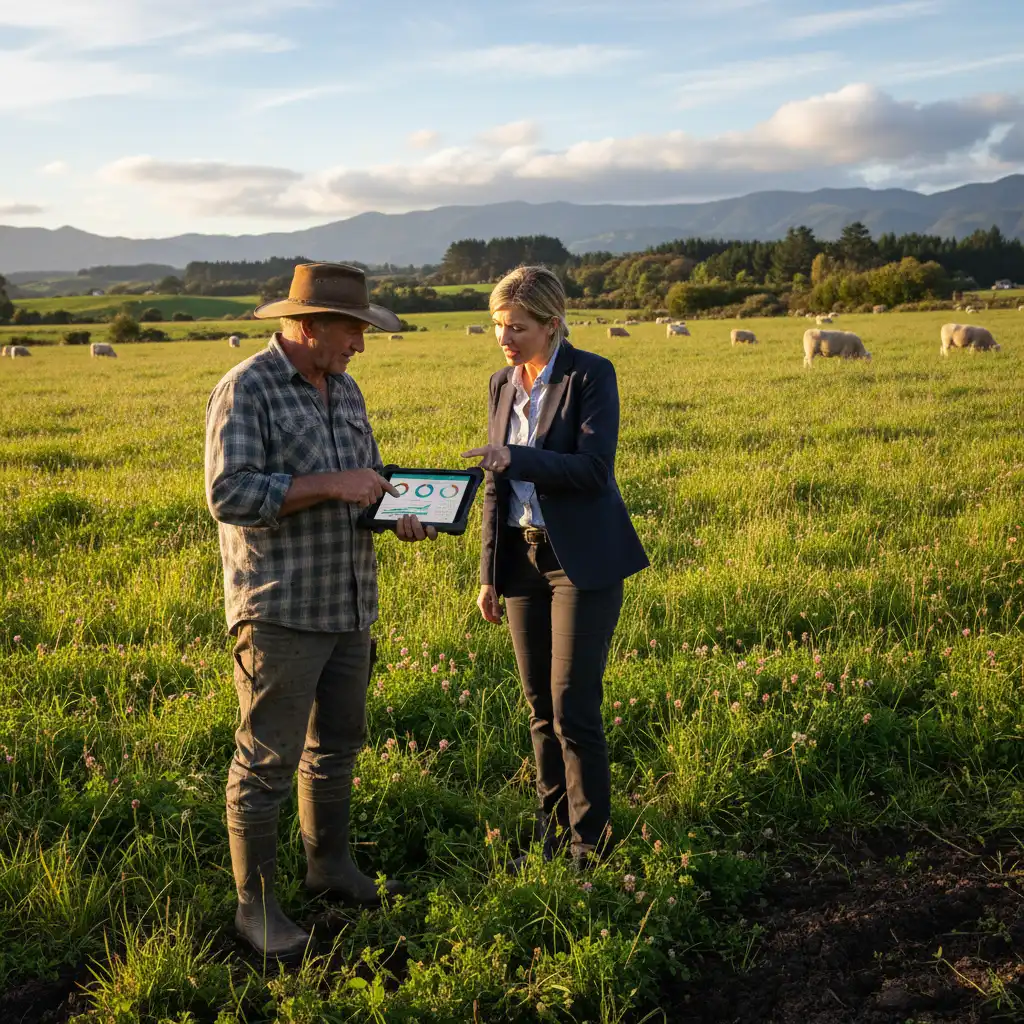
Innovation and Technology Grants
Innovation is a key component of the support structure. Grants are available for the development of new technologies that facilitate regenerative farming, such as precision grazing tools, bio-fertilizers, and advanced soil sensors. By fostering a tech-enabled agricultural sector, the policy aims to make regenerative practices more accessible and efficient. This technological push is also aligned with the broader goal of high-value exports, as ‘smart’ farming often correlates with higher product quality and traceability.
How does policy address Biodiversity and Ecosystem Services?
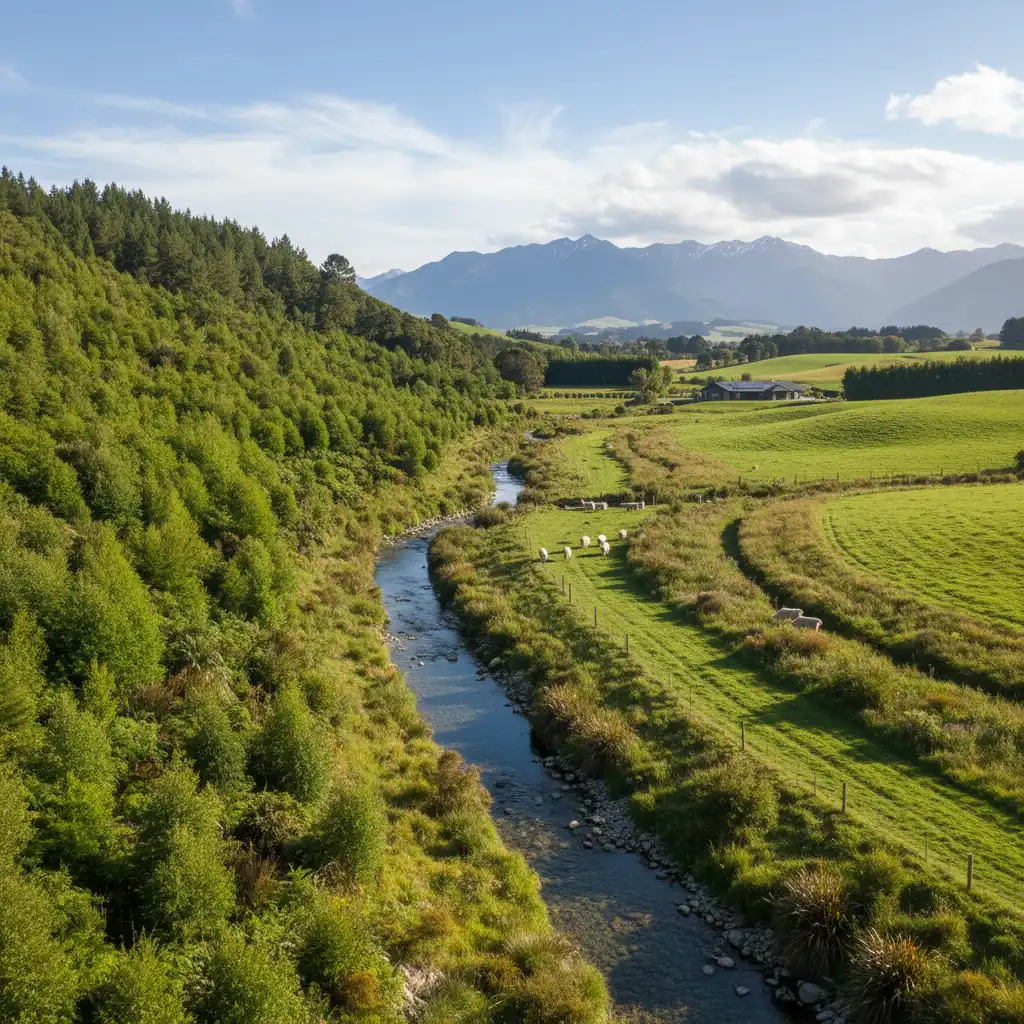
Regenerative agriculture NZ policy is not solely focused on carbon; it also places a heavy emphasis on biodiversity and ecosystem services. New Zealand’s unique flora and fauna are under pressure from intensive land use, and regenerative practices offer a pathway to restoration. Policies encourage the integration of native plantings, the protection of riparian margins, and the maintenance of diverse pasture species. These actions help to create habitats for beneficial insects and birds while improving the resilience of the landscape to extreme weather events.
Ecosystem services, such as water filtration and pollination, are increasingly being valued within the policy framework. By improving soil structure and reducing the need for chemical inputs, regenerative farming helps to protect New Zealand’s waterways from nutrient runoff and sedimentation. This aligns with the Essential Freshwater regulations, which set strict standards for water quality. Policy incentives are being developed to reward farmers who provide these ‘public goods,’ moving toward a model where environmental outcomes are as financially viable as food production.
The Role of the Zero Carbon Act in Shaping Policy
The Climate Change Response (Zero Carbon) Amendment Act 2019 is the overarching legislation that drives regenerative agriculture policy in New Zealand. It sets a legally binding target for the country to reach net-zero emissions of all greenhouse gases (except biogenic methane) by 2050. For the agricultural sector, which is responsible for nearly half of New Zealand’s total emissions, the Act creates an urgent need for mitigation strategies. Regenerative agriculture is viewed as a key component of the sector’s response to these targets.
The Act established the Climate Change Commission, which provides independent advice to the government on emissions budgets and policy direction. The Commission has consistently highlighted the importance of soil health and farm-level sequestration. As a result, policy is shifting toward more integrated land-management approaches. While the specific mechanism for pricing agricultural emissions (such as the now-evolving He Waka Eke Noa framework) remains a point of political sensitivity, the fundamental requirement for lower-emission farming remains a constant driver for regenerative policy.
Global Market Demand and Economic Policy
New Zealand’s economy is heavily dependent on agricultural exports, making international market trends a significant driver of domestic policy. Global consumers, particularly in high-value markets like the EU and North America, are increasingly prioritizing sustainability. Regenerative agriculture NZ policy is designed to ensure that Kiwi farmers can meet these evolving expectations. By establishing clear standards and certification pathways, the government helps farmers capture ‘green premiums’ for their products.
Economic policy also focuses on the long-term viability of the farming sector. Regenerative practices can reduce a farm’s reliance on expensive imported inputs like synthetic fertilizers and feed, making them more resilient to global supply chain shocks. This shift toward self-sufficiency and resource efficiency is a key pillar of New Zealand’s economic strategy for the primary sector. By lowering the cost of production and increasing the value of the output, regenerative agriculture supports a more stable and profitable farming economy.
Implementation Challenges and Regulatory Gaps
Despite the clear benefits, there are significant challenges in implementing regenerative agriculture NZ policy. One of the primary hurdles is the lack of a single, universally accepted definition of ‘regenerative.’ This can lead to confusion among farmers and consumers and makes it difficult to create standardized regulations. Furthermore, the transition to regenerative systems requires a significant shift in mindset and management skills, which takes time and resources.
Another challenge is the integration of regenerative practices into existing regulatory frameworks, such as the Emissions Trading Scheme (ETS). Currently, the ETS focuses primarily on forestry for carbon sequestration, and incorporating soil carbon or on-farm vegetation remains complex. There are also concerns about the potential for ‘greenwashing’ if standards are not sufficiently rigorous. Addressing these gaps requires ongoing dialogue between the government, industry stakeholders, and the scientific community to ensure that policy is both practical and effective.
Future Outlook for NZ Regenerative Policy
Looking ahead, the evolution of regenerative agriculture NZ policy will likely focus on data-driven decision-making and regional customization. As more research results become available, policies will become more targeted, recognizing that a ‘one-size-fits-all’ approach does not work for New Zealand’s diverse landscapes. The integration of indigenous knowledge will also continue to play a vital role, ensuring that policy is culturally grounded and holistic. Ultimately, the success of these policies will be measured by their ability to balance environmental restoration with the economic prosperity of the rural sector.
People Also Ask
Does NZ have a formal definition for regenerative agriculture?
Currently, New Zealand does not have a single legal definition for regenerative agriculture. However, the Ministry for Primary Industries (MPI) and various industry bodies use a set of principles focused on soil health, biodiversity, and water quality to guide policy and research.
Can farmers get carbon credits for soil sequestration in NZ?
As of now, soil carbon is not officially recognized for credits within the New Zealand Emissions Trading Scheme (ETS). However, the government is actively researching measurement and verification methods to potentially include it in future climate policy frameworks.
What is the ‘Fit for a Better World’ roadmap?
It is a strategic government roadmap launched in 2020 aimed at accelerating New Zealand’s primary sector transition toward higher productivity and sustainability, with a strong emphasis on regenerative practices and climate resilience.
How does regenerative farming affect methane emissions?
While regenerative agriculture primarily focuses on soil health and carbon, it can indirectly affect methane by improving forage quality and animal health. Ongoing NZ research is investigating whether specific regenerative grazing patterns can lead to lower methane output per unit of product.
Is there funding available for NZ farmers to transition?
Yes, funding is primarily available through the Sustainable Food and Fibre Futures (SFF Futures) fund, which supports projects that trial and implement regenerative techniques. Some regional councils also offer grants for environmental fencing and planting.
How does regenerative agriculture align with Te Ao Māori?
Regenerative agriculture aligns closely with Te Ao Māori (the Māori world view) through the concept of Te Taiao. Both emphasize the interdependency of all living things and the responsibility of people as kaitiaki (guardians) of the land and water.
About The Author
