Regenerative Tourism Models in NZ
Regenerative tourism nz refers to a transformative travel paradigm that seeks to improve, rather than just maintain, New Zealand’s natural and social ecosystems. It moves beyond sustainability by actively restoring biodiversity, empowering local communities, and integrating indigenous Māori principles like kaitiakitanga, ensuring that every visitor contributes positively to the long-term health and vitality of Aotearoa.
Defining Regenerative Tourism in the NZ Context
The concept of regenerative tourism nz represents a significant evolution from traditional sustainable tourism models. While sustainability focuses on ‘doing no harm’ and minimizing the negative impacts of travel, regeneration focuses on ‘doing good’ and leaving a place better than it was found. In New Zealand, this shift is deeply rooted in the cultural fabric of the nation, particularly through the Māori worldview. The principle of Kaitiakitanga (guardianship) serves as the foundation, suggesting that humans are not masters of the environment but its protectors.
In the wake of the global pandemic, New Zealand’s tourism sector underwent a period of deep reflection. The result was a move away from high-volume, low-value tourism toward a value-based model. This model prioritizes the Mauri (life force) of the land and the people. When we talk about regenerative tourism in NZ, we are discussing a system where the tourism industry acts as a catalyst for environmental repair, cultural revitalization, and economic resilience. It is an acknowledgment that the tourism industry relies on the health of our natural assets, and therefore, it must play a lead role in their restoration.
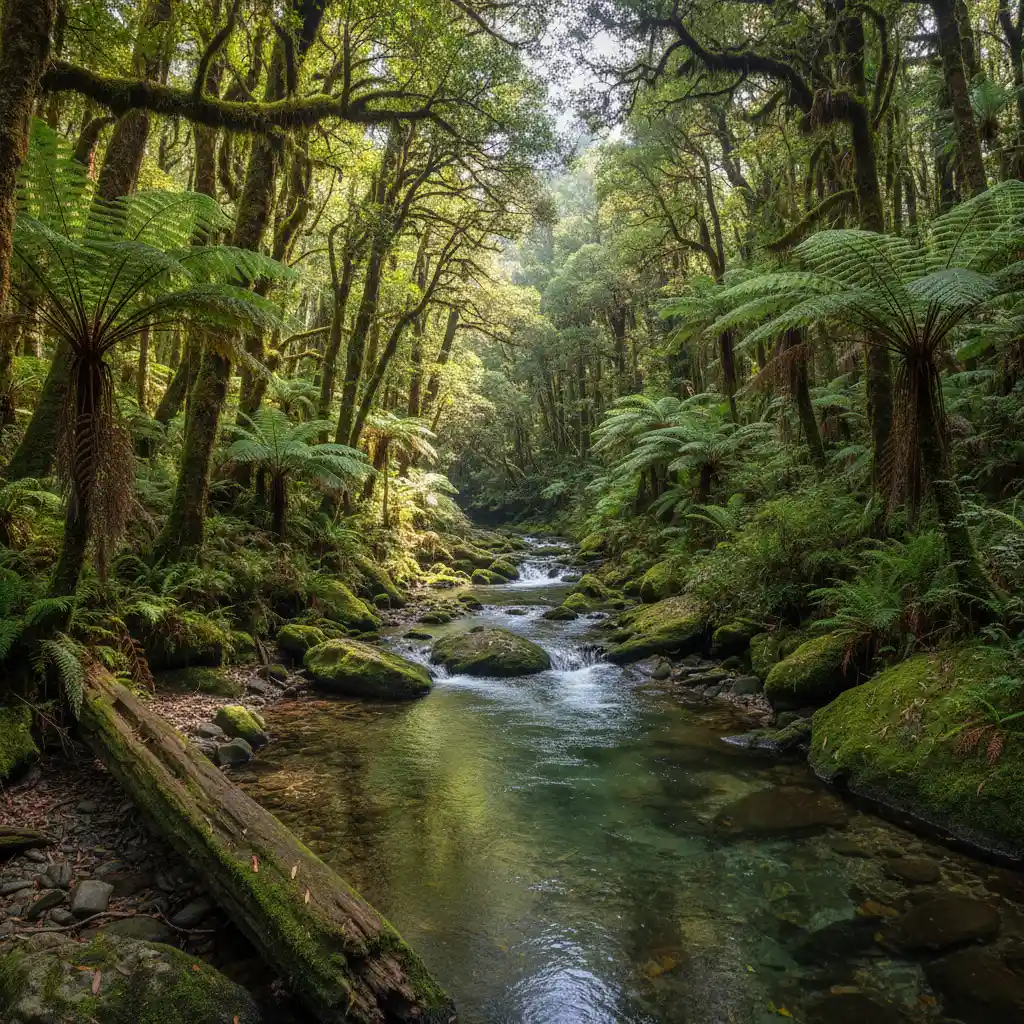
Kaitiakitanga and the Tiaki Promise
Central to the NZ regenerative model is the Tiaki Promise. This is a commitment shared by visitors and locals alike to care for New Zealand now and for future generations. Regenerative tourism nz builds on this promise by creating tangible mechanisms for visitors to contribute. This might include a portion of a tour fee going directly to a local reforestation project or a visitor participating in a predator-control workshop. By involving the traveler in the act of restoration, the industry fosters a deeper emotional connection between the visitor and the destination.
Community-Led Tourism Initiatives
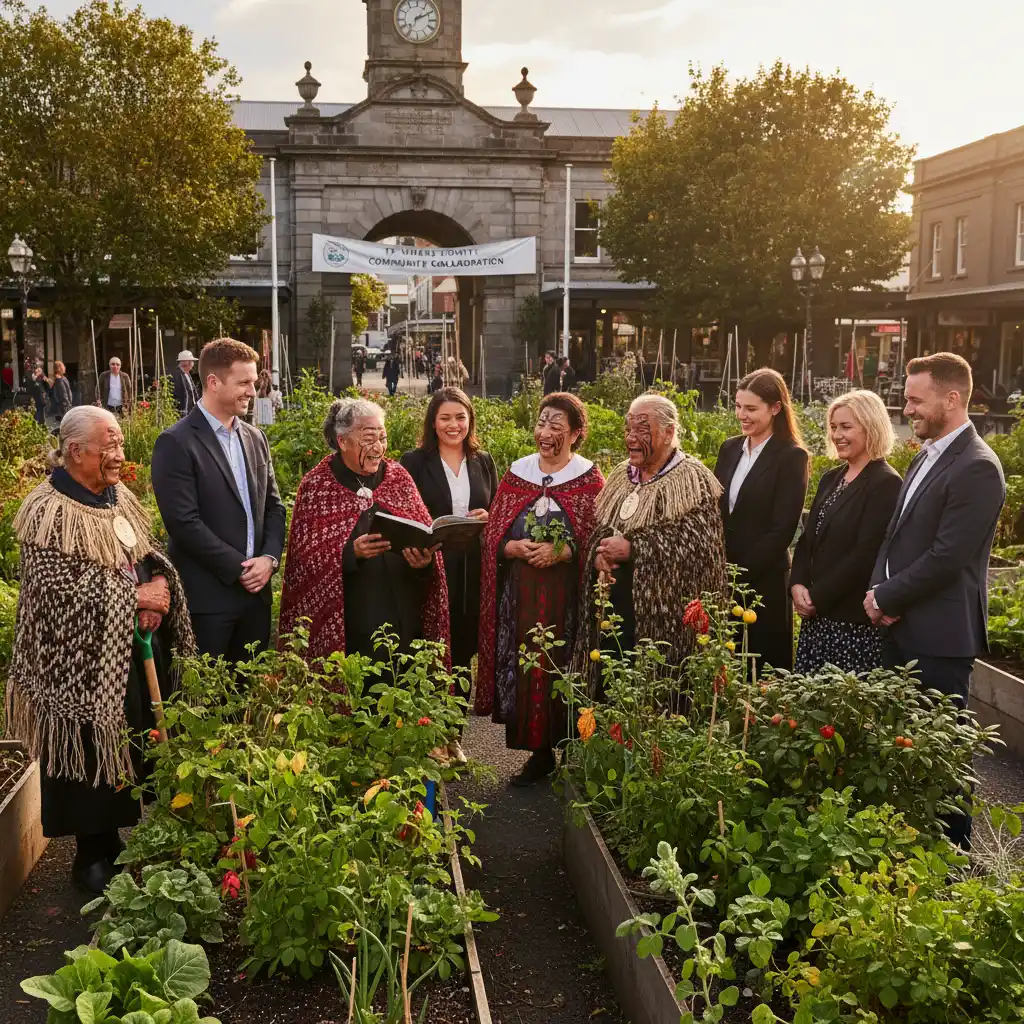
A core pillar of regenerative tourism is the empowerment of local communities. For too long, tourism in many parts of the world has been an extractive industry, where profits flow out of the region while the local infrastructure and social fabric bear the burden of visitor numbers. In New Zealand, a new wave of community-led initiatives is turning this model on its head. These initiatives ensure that tourism serves the community’s needs first, creating a ‘social license to operate’ that is sustainable in the long term.
Community-led models often involve local iwi (tribes), small business owners, and regional councils working in tandem. For example, in regions like Northland or the West Coast, tourism projects are being designed to provide year-round employment, rather than seasonal, precarious work. This stability allows families to remain in their ancestral lands, preserving the local culture and ensuring that the knowledge of the land is passed down through generations. By focusing on the wellbeing of the host community, regenerative tourism nz ensures that the ‘host’ is as healthy as the ‘guest’.
Decentralizing the Tourist Flow
One of the practical applications of community-led regenerative tourism is the decentralization of visitor flows. By promoting lesser-known regions and off-peak travel, the industry reduces the pressure on ‘hotspots’ like Queenstown or Rotorua. This not only prevents environmental degradation in high-traffic areas but also distributes the economic benefits of tourism to rural communities that may have previously been overlooked. This geographical spread is essential for a regenerative economy, as it prevents the ‘boom and bust’ cycles that often plague tourism-dependent towns.
Biodiversity Restoration Through Travel
New Zealand is home to some of the world’s most unique and endangered flora and fauna. The regenerative tourism nz model leverages the scale of the tourism industry to fund and execute large-scale biodiversity restoration projects. This goes far beyond planting a few trees; it involves the systematic removal of invasive predators and the reintroduction of native species. Tourism operators are increasingly becoming ‘conservationists with a business model’.
For instance, many boat-based tours in the Marlborough Sounds or the Hauraki Gulf now integrate citizen science into their itineraries. Tourists help track marine mammal sightings or assist in monitoring water quality. These data points are invaluable for scientists and policy-makers. Furthermore, the revenue generated from these tours often funds predator-free islands or coastal sanctuaries. This creates a virtuous cycle: the more successful the conservation efforts, the more attractive the destination becomes for eco-conscious travelers, which in turn generates more revenue for further restoration.

Alignment with Predator Free 2050
The New Zealand government’s ambitious goal of being predator-free by 2050 is a massive undertaking that requires every sector to contribute. Regenerative tourism nz is a key player in this mission. Many lodges and tour operators have established their own trapping lines and native nurseries. By integrating these efforts into the guest experience, operators educate visitors on the fragility of NZ’s ecosystem. This education is a form of ‘intellectual regeneration’, where the visitor leaves with a new perspective on their role in the natural world.
Measuring Social and Environmental Impact
To move beyond marketing buzzwords, regenerative tourism nz requires robust measurement frameworks. How do we know if a destination is actually ‘better’ than it was? This requires shifting the focus from Gross Domestic Product (GDP) and visitor numbers to broader indicators of wellbeing and environmental health. New Zealand is at the forefront of this shift, utilizing frameworks like the Living Standards Framework and the Tourism Data Domain.
Key Performance Indicators (KPIs) in a regenerative model might include the net increase in native bird populations, the percentage of tourism revenue retained within the local community, or the reduction in carbon intensity per visitor night. By quantifying these impacts, the industry can remain accountable to its stakeholders—the environment and the people of New Zealand. This data-driven approach is also essential for climate compliance, as businesses must now report on their environmental footprint with increasing transparency.
The Role of Technology in Measurement
Modern technology plays a vital role in measuring the success of regenerative tourism. Blockchain technology is being explored to track the flow of ‘conservation levies’ from a tourist’s booking directly to a specific project on the ground. Satellite imagery and IoT sensors are used to monitor forest growth and water purity in real-time. These tools provide the empirical evidence needed to prove that regenerative tourism nz is delivering on its promises. For the carbon economy, this transparency is crucial for the valuation of carbon offsets and credits generated through tourism-led reforestation.

Climate Compliance and the Carbon Economy
In the context of NZ’s commitment to the Paris Agreement and the Zero Carbon Act, regenerative tourism is no longer a luxury—it is a compliance necessity. The tourism sector is a significant contributor to carbon emissions, primarily through aviation. A regenerative approach seeks to mitigate these emissions not just through offsets, but through systemic changes. This includes the adoption of electric transport fleets, the implementation of circular economy principles in hospitality, and the active sequestration of carbon through native afforestation.
The NZ carbon economy offers unique opportunities for the tourism sector. By restoring wetlands and forests, tourism operators can create high-quality, ‘blue’ and ‘green’ carbon sinks. These projects often have co-benefits, such as improved biodiversity and flood resilience, which make them more valuable than monoculture pine plantations. As carbon prices rise, these regenerative assets become a significant part of a business’s balance sheet, aligning financial incentives with ecological health.
The Future of Regenerative Travel in New Zealand
The future of regenerative tourism nz lies in its ability to scale while maintaining its integrity. It requires a fundamental shift in how we value travel. It is a move from ‘bucket list’ tourism—where destinations are seen as trophies to be collected—to ‘contribution’ tourism, where travel is seen as an opportunity to serve. This shift will likely be supported by government policy, such as the potential for a ‘regenerative tax’ or incentives for businesses that demonstrate high social and environmental performance.
Ultimately, New Zealand has the opportunity to lead the world in this space. By weaving together Māori wisdom, scientific rigor, and a passionate local community, Aotearoa can show that a thriving tourism industry can coexist with—and even enhance—a flourishing natural world. The journey toward a fully regenerative model is long and complex, but it is the only path that ensures the long-term viability of tourism in a changing climate.
What is the difference between sustainable and regenerative tourism in NZ?
Sustainable tourism focuses on minimizing negative impacts and maintaining the status quo. Regenerative tourism in NZ goes further by actively seeking to improve and restore the environment and communities, ensuring a net-positive impact from travel activities.
How does Māori culture influence regenerative tourism?
Māori principles like Kaitiakitanga (guardianship) and Manaakitanga (hospitality/care) are the bedrock of regenerative tourism in NZ. These concepts emphasize our responsibility to care for the land and the people, viewing humans as part of the natural ecosystem.
Can a tourist actually help with biodiversity in New Zealand?
Yes, many regenerative models include ‘voluntourism’ or citizen science components. Visitors can participate in native tree planting, predator control education, or wildlife monitoring, directly contributing to NZ’s biodiversity goals.
What are some examples of regenerative tourism projects in NZ?
Examples include the Whale Watch Kaikōura, which is community-owned and focuses on marine conservation, and various ‘Eco-Sanctuaries’ where visitor fees directly fund the protection of endangered species like the Kiwi.
How is the success of regenerative tourism measured?
Success is measured using a ‘quadruple bottom line’ approach: environmental health, social wellbeing, cultural vitality, and economic resilience, rather than just focusing on visitor numbers or GDP.
Does regenerative tourism cost more for the traveler?
While some regenerative experiences may have a higher price point due to conservation levies, many visitors find the value is higher. The focus is on ‘high-value’ travel that provides deeper connection and meaningful impact, which many modern travelers are willing to pay for.
About The Author
