Residential Energy Efficiency NZ
Residential energy efficiency NZ refers to the strategic optimization of housing performance to minimize energy consumption and carbon emissions, directly supporting the Climate Change Response (Zero Carbon) Amendment Act. It encompasses upgrading thermal envelopes through advanced insulation, installing high-efficiency heating systems, and utilizing smart technologies to reduce utility costs and improve public health.
Improving the performance of New Zealand’s housing stock is no longer just about lowering power bills; it is a critical component of the nation’s strategy to meet its international climate obligations. With the passing of the Zero Carbon Act, the focus has shifted intensely toward decarbonizing the residential sector, which accounts for a significant portion of the country’s electricity demand.
How does the Zero Carbon Act impact residential housing?
The Climate Change Response (Zero Carbon) Amendment Act 2019 provides a framework for New Zealand to develop and implement clear, stable climate change policies. For the residential sector, this means a transition away from fossil-fuel-dependent heating (such as gas and coal) toward electrification and higher thermal performance.
The Climate Change Commission has identified that improving energy efficiency in homes is a low-cost, high-impact lever for reducing emissions. By reducing the peak load on the national grid—particularly during cold winter evenings—efficient homes reduce the need for the grid to burn coal or gas at the Huntly power station to meet demand.

Furthermore, the Ministry of Business, Innovation and Employment (MBIE) has progressively tightened the Building Code to ensure new builds contribute to this zero-carbon future rather than hindering it. The goal is to ensure that by 2050, New Zealand’s buildings are near zero energy, requiring minimal external energy for heating and cooling.
What are the current Insulation and Heating Standards?
The most immediate method to improve residential energy efficiency in NZ is through the thermal envelope—specifically insulation and glazing. New Zealand’s housing stock has historically been notoriously cold and damp, leading to poor health outcomes. Recent legislation has sought to correct this.
The Healthy Homes Standards
For rental properties, the Healthy Homes Standards set specific minimum requirements for heating, insulation, ventilation, moisture ingress, and drainage. Landlords must ensure:
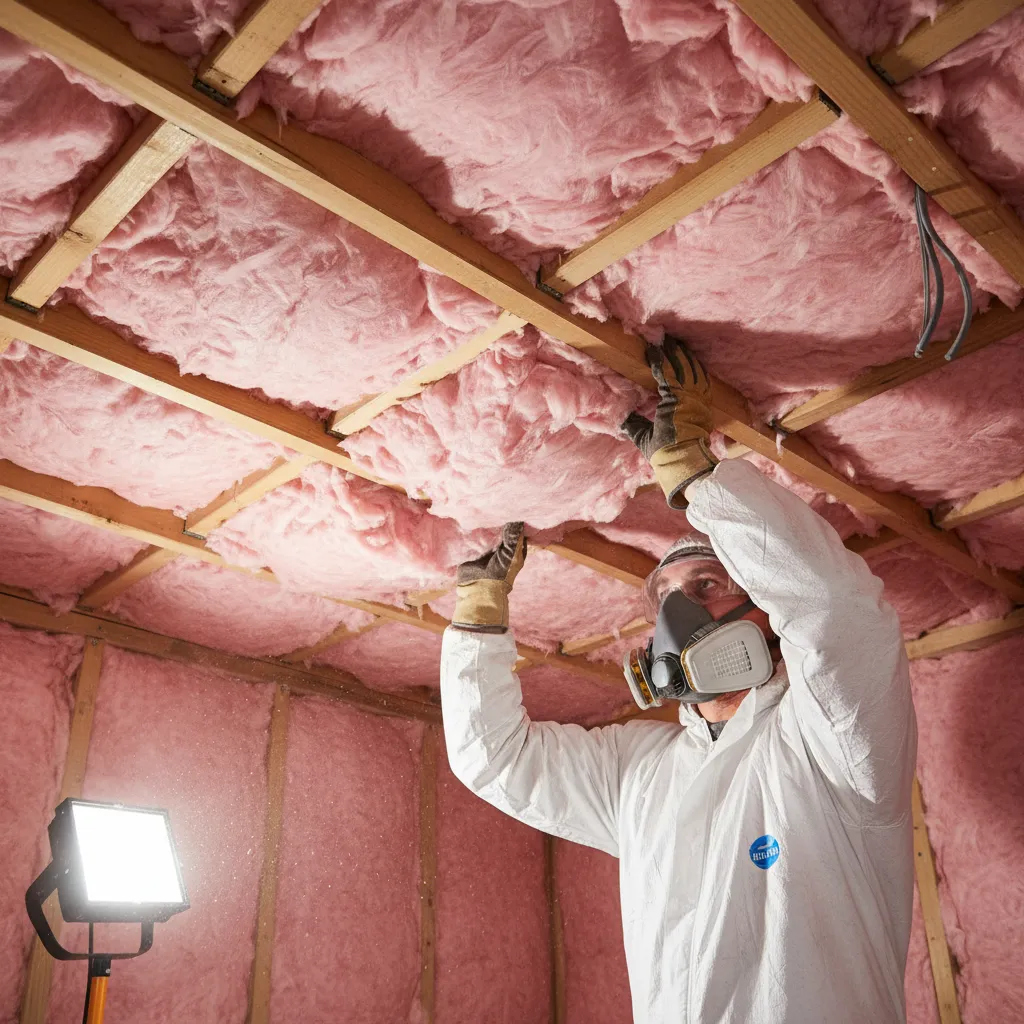
- Ceiling Insulation: Must meet a minimum R-value (thermal resistance). In many zones, this requires topping up older insulation to a minimum thickness of approximately 120mm.
- Underfloor Insulation: Must be installed where reasonably practicable.
- Heating: The main living room must have a fixed heating device capable of heating the room to 18°C. Heat pumps are the preferred option due to their high Coefficient of Performance (COP).
Retrofitting Older Homes
For homeowners, retrofitting remains a priority. A significant percentage of NZ homes built before the 2000s lack adequate wall insulation. While ceiling and underfloor insulation are accessible, wall insulation often requires extensive renovation. However, “pump-in” wall insulation technologies are becoming more viable for existing structures.
What are the H1 Energy Efficiency updates?
In arguably the biggest shift in a decade, MBIE updated the H1 Energy Efficiency clause of the Building Code. These changes, which fully came into effect in 2023, significantly increased the R-value requirements for new homes.
The country is now divided into six climate zones (up from three) to better reflect the specific heating needs of different regions. For example, a house built in Queenstown (Zone 6) now requires significantly higher insulation performance than one in Auckland (Zone 1).
Key H1 Changes Include:
- Windows: The move toward thermally broken aluminium joinery and high-performance double glazing (Low-E glass) is now effectively mandatory to meet the new R-values. Standard aluminium frames conduct too much cold and are no longer sufficient for most zones.
- Ceilings: R-values for roof insulation have nearly doubled in some instances, requiring thicker insulation layers or higher-density products.
- Slab Edge Insulation: New requirements address thermal bridging at the concrete slab edge, a major source of heat loss previously ignored in standard builds.
How do Energy Rating Schemes like Homestar work?
To quantify residential energy efficiency in NZ, several rating schemes help consumers and builders benchmark performance. These ratings are crucial for market valuation and verifying that a home aligns with zero-carbon goals.
Homestar (NZGBC)
Run by the New Zealand Green Building Council (NZGBC), Homestar is a comprehensive rating tool that measures the health, warmth, and efficiency of New Zealand houses. A home is rated on a scale from 6 to 10.
- 6 Star: Exceeds the Building Code, ensuring a warmer, drier home.
- 10 Star: World-leading standard, essentially a zero-energy home.
Homestar considers insulation, heating, water efficiency, waste management, and even the sustainability of materials used. Banks often require a Homestar rating of 6 or higher to qualify for “green loan” interest rate discounts.
HomeFit
HomeFit is an online check designed for existing homes. It allows homeowners or prospective buyers to assess if a house is warm, safe, and dry. It is less rigorous than Homestar but provides a vital “warrant of fitness” style assessment for the secondary market, ensuring basic energy efficiency standards are met.
What role do Smart Home Technologies play?
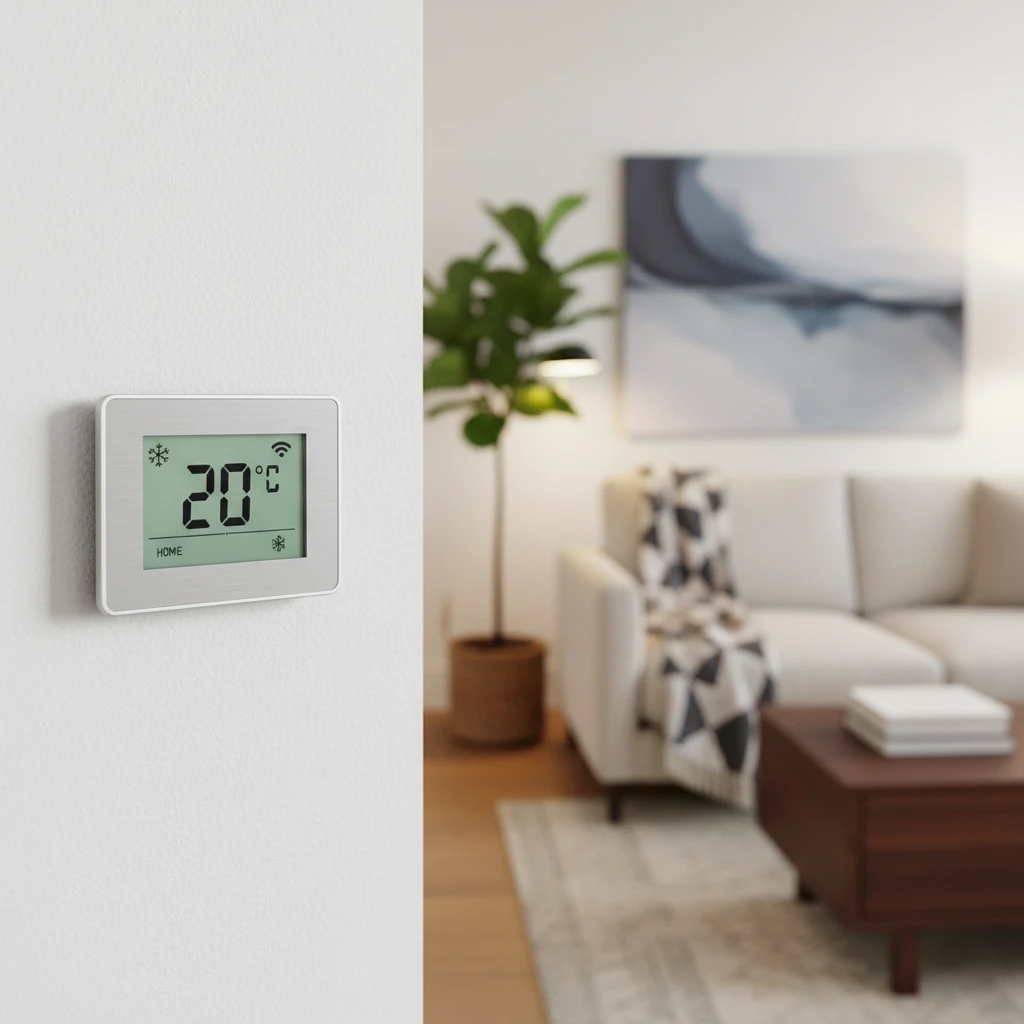
Achieving true residential energy efficiency in NZ requires more than just passive insulation; it requires active energy management through smart technology. As the grid becomes more renewable-heavy, demand-side management becomes critical.
Smart Metering and Monitoring
Smart meters allow electricity retailers to offer “Time of Use” (TOU) tariffs. Homeowners can shift high-energy activities (like washing or EV charging) to off-peak times when electricity is cheaper and cleaner. Home Energy Management Systems (HEMS) can automate this process, communicating directly with appliances.
Solar PV and Battery Storage
The uptake of residential solar photovoltaics (PV) is accelerating. When paired with battery storage, homeowners can store excess solar energy generated during the day to use during the evening peak. This self-consumption model reduces reliance on the grid and protects households from rising electricity prices.
EV Integration
Electric Vehicles (EVs) are essentially large batteries on wheels. Smart chargers allow for “V2G” (Vehicle to Grid) or “V2H” (Vehicle to Home) capabilities, where the car battery can power the home during a power cut or peak pricing period, further integrating transport into the home energy ecosystem.
Are there financial incentives for Energy Efficiency?
Investing in energy efficiency often has a high upfront cost, but the long-term savings and health benefits are substantial. To assist with this transition, several financial levers are available.
Warmer Kiwi Homes Programme
Administered by the Energy Efficiency and Conservation Authority (EECA), this programme provides grants to cover a significant portion of the cost of ceiling and underfloor insulation, as well as heat pumps or efficient wood burners, for low-income homeowners.
Bank Green Loans
Major New Zealand banks (including ANZ, Westpac, BNZ, and ASB) offer low-interest or interest-free “green loans” or top-ups. These can be used to fund:
- Double glazing retrofits.
- Heat pump installation.
- Solar panel and battery systems.
- Electric vehicle chargers.
- Insulation upgrades.
These financial products are directly tied to the Residential Energy Efficiency NZ mandate, encouraging private investment in the national housing stock to meet climate goals.

Why does Energy Efficiency matter for Health?
The conversation around residential energy efficiency in NZ is inextricably linked to public health. The “leaky building” crisis and the prevalence of uninsulated villas have contributed to high rates of rheumatic fever and asthma, particularly in children.
An energy-efficient home is a dry home. By maintaining a stable internal temperature (ideally between 18°C and 22°C) and managing ventilation, mould growth is inhibited. This reduces the burden on the public health system and results in fewer days off work and school.
From an economic standpoint, efficient homes retain their value better. As mandatory disclosure of energy ratings becomes a potential policy tool in the future, homes with poor thermal performance may see a decrease in market desirability. Investing in efficiency is effectively future-proofing the asset against regulatory changes and market shifts driven by the Zero Carbon Act.
Conclusion
Residential energy efficiency in NZ is a multifaceted challenge that combines construction standards, technology, and behavioral change. Driven by the Zero Carbon Act, the trajectory is clear: New Zealand homes must become warmer, drier, and less energy-intensive. Whether through upgrading insulation, installing solar, or leveraging bank green loans, every step toward efficiency contributes to a healthier population and a sustainable, low-carbon future.
People Also Ask
What is the most energy efficient heating for NZ homes?
Heat pumps are generally considered the most energy-efficient heating option for New Zealand homes. They have a Coefficient of Performance (COP) of 3 to 5, meaning for every 1kW of electricity used, they generate 3 to 5kW of heat. They are significantly cheaper to run than electric bar heaters or gas heaters and provide both heating and cooling.
Is double glazing mandatory in NZ?
Double glazing is mandatory for new residential builds under the New Zealand Building Code H1 clause. For existing older homes, it is not mandatory to retrofit double glazing, but it is highly recommended to improve thermal retention and reduce condensation. The new H1 standards also require higher performance Low-E double glazing for most climate zones.
How much does it cost to insulate a house in NZ?
The cost varies depending on the size of the home and access. Generally, ceiling insulation costs between $15 and $25 per square meter installed, while underfloor ranges from $20 to $35 per square meter. A full retrofit for a standard 100m2 home might cost between $2,000 and $4,000. Subsidies are available for eligible homeowners through the Warmer Kiwi Homes programme.
What is a good R-value for insulation in NZ?
Under the new H1 Building Code updates, recommended R-values have increased. For ceilings, a minimum of R6.6 is now required in new builds across all climate zones. For walls, R2.0 is the standard minimum. Higher R-values indicate better thermal resistance and heat retention.
Does energy efficiency increase home value in NZ?
Yes, energy-efficient homes typically command higher market values. Buyers are increasingly aware of the costs associated with heating damp, cold homes. Features like double glazing, high-grade insulation, and solar power are attractive selling points that suggest lower ongoing utility costs and better health outcomes.
What grants are available for home energy efficiency in NZ?
The primary government grant is the Warmer Kiwi Homes programme, which covers 80-90% of the cost of ceiling and underfloor insulation and heating appliances for low-income homeowners. Additionally, many banks offer “Green Loans” with interest rates as low as 0-1% for energy efficiency upgrades.
About The Author
