Sheep and Beef Carbon Management
Sheep and beef carbon NZ management refers to the strategic quantification and reduction of greenhouse gas emissions within New Zealand’s pastoral farming systems. Guided by the Zero Carbon Act, this involves optimizing feed efficiency, enhancing soil sequestration, and utilizing low-emission genetics to mitigate methane and nitrous oxide, ensuring global market competitiveness and environmental sustainability.
What is the New Zealand Zero Carbon Act for Agriculture?
The Climate Change Response (Zero Carbon) Amendment Act 2019 is the cornerstone of New Zealand’s environmental strategy. It sets a target for all greenhouse gases, except biogenic methane, to reach net zero by 2050. For biogenic methane—primarily produced by ruminant livestock like sheep and beef—the target is a 10% reduction below 2017 levels by 2030, and a 24-47% reduction by 2050. This creates a unique challenge for the sheep and beef carbon NZ sector, as biological emissions are harder to abate than CO2 from fossil fuels.
Extensive vs Intensive Systems: Understanding the Emission Profiles
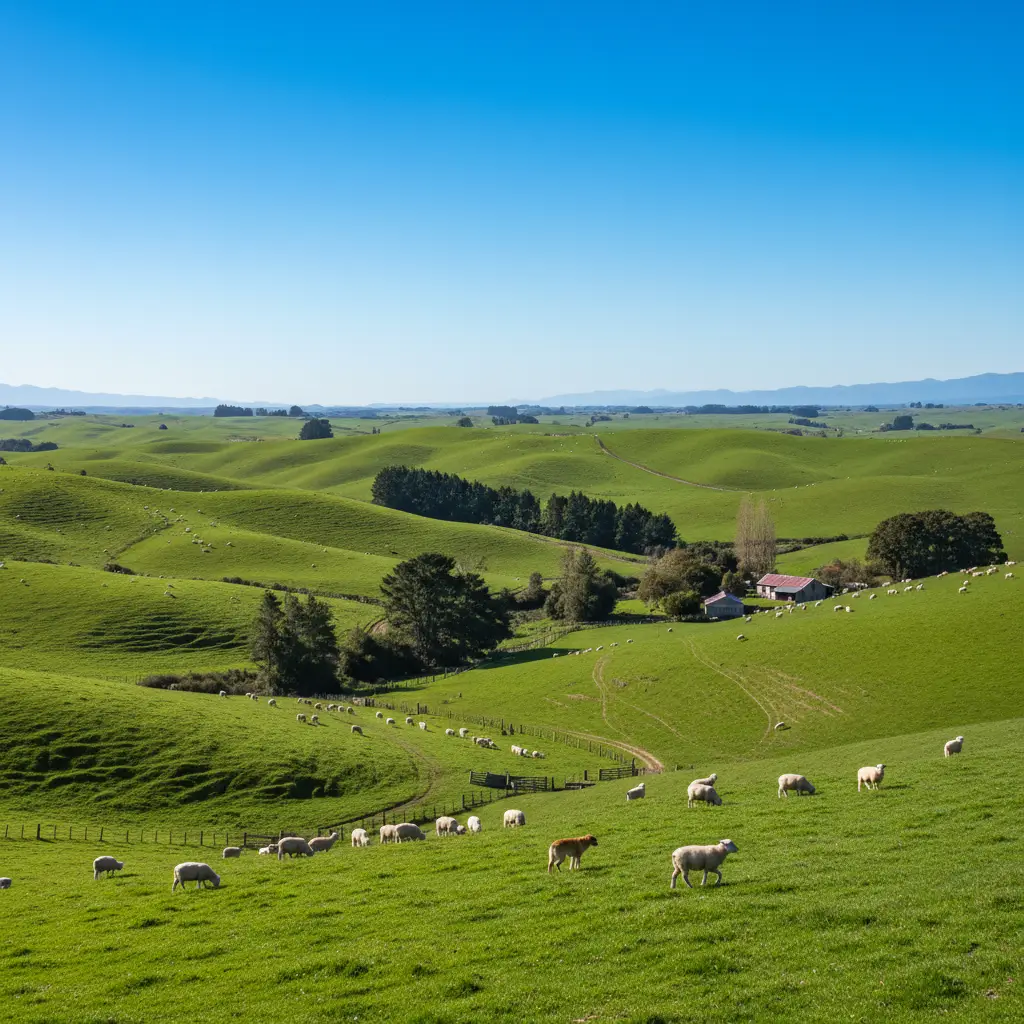
In the context of sheep and beef carbon NZ, the distinction between extensive and intensive farming systems is critical. These systems differ significantly in their emissions intensity and their capacity for carbon sequestration.
The Characteristics of Extensive Systems
Extensive systems, typical of New Zealand’s high country and hill country farms, rely on low stocking rates and natural forage. While these farms often have higher emissions per kilogram of product due to slower growth rates, they also possess significant carbon sinks. Indigenous forests, woodlots, and tussock grasslands on these properties play a vital role in offsetting the methane produced by the livestock. For many extensive farmers, the goal is to balance the herd size with the land’s natural regenerative capacity.
The Dynamics of Intensive Systems
Intensive systems, often found on flatter, more fertile land, focus on high productivity per hectare. These farms use high-quality forage, supplements, and carefully managed grazing rotations to ensure rapid animal growth. While intensive systems often have a lower carbon footprint per unit of meat produced (emission intensity), their total emissions per hectare are higher. Management here focuses on precision: using high-sugar grasses to reduce methane and optimizing nitrogen fertilizer use to minimize nitrous oxide emissions.
How Can Sheep and Beef Achieve Carbon Neutral Meat Production?
Achieving carbon neutrality in the sheep and beef carbon NZ sector requires a dual approach: reducing gross emissions and increasing carbon sequestration. This is not merely an environmental goal but a survival strategy in a world increasingly focused on ESG (Environmental, Social, and Governance) metrics.
Reducing Methane through Genetics and Nutrition
Methane is the primary byproduct of enteric fermentation in ruminants. New Zealand researchers are leading the world in breeding low-methane sheep. By selecting for animals that naturally produce less gas, farmers can achieve permanent, cumulative reductions in their carbon footprint. Additionally, dietary interventions, such as the use of seaweed (Asparagopsis) or specific probiotics, are being trialed to inhibit methane-producing microbes in the rumen.
Enhancing On-Farm Sequestration
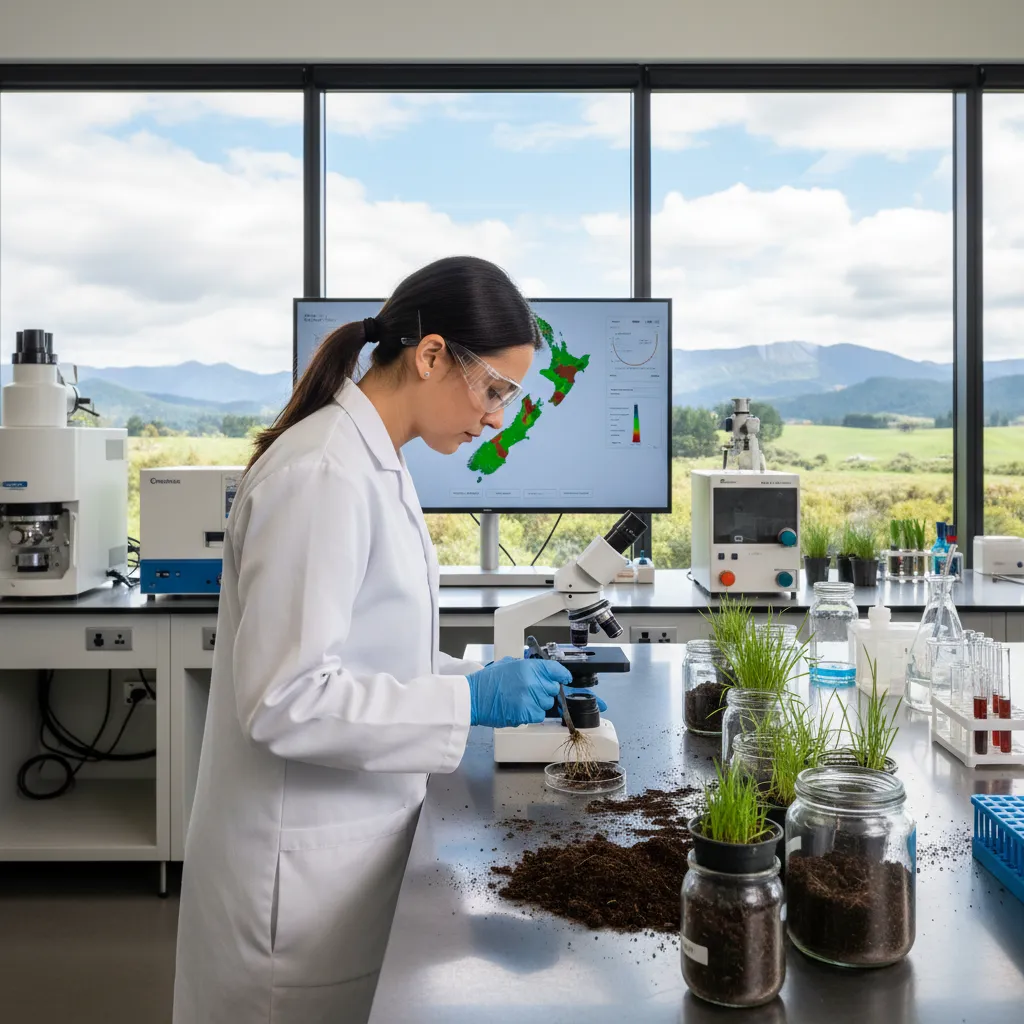
Sequestration is the process of capturing atmospheric CO2 and storing it in plants and soil. In New Zealand, the Emissions Trading Scheme (ETS) currently recognizes exotic and indigenous forests, but there is growing pressure to recognize other forms of carbon sinks. This includes:
- Riparian Planting: Planting along waterways not only improves water quality but also acts as a carbon sink.
- Silvopasture: Integrating trees into grazing areas provides shade for stock while sequestering carbon.
- Soil Carbon: While complex to measure, improving soil organic matter through regenerative practices can significantly boost a farm’s carbon balance.
What are the Market Opportunities for Low-Carbon Beef?
The global shift toward sustainability is creating a premium market for sheep and beef carbon NZ products. Consumers in the UK, EU, and North America are increasingly looking for ‘carbon neutral’ or ‘low-carbon’ labels when purchasing red meat.
The Premium Export Advantage
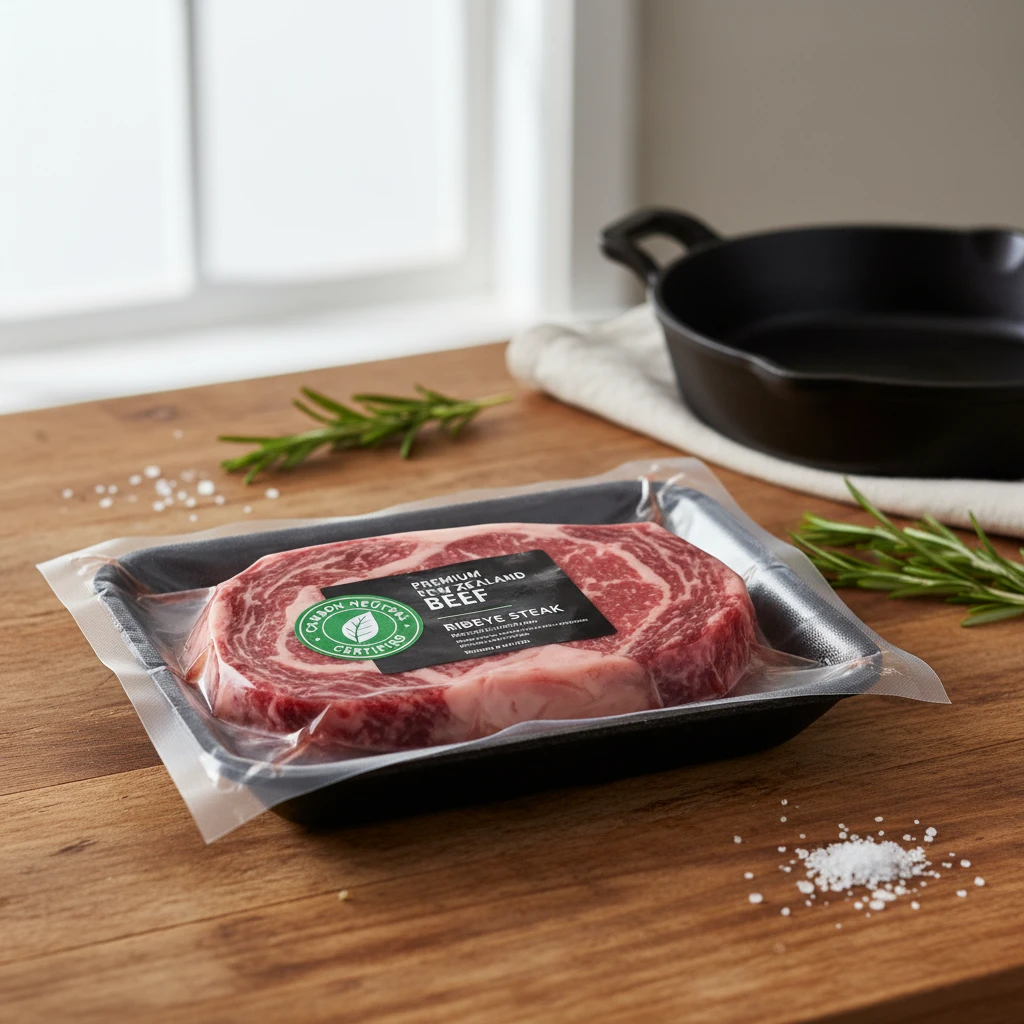
New Zealand’s pasture-based system already gives it a lower carbon footprint compared to grain-fed systems in the US or Brazil. By formalizing this through carbon certification, NZ farmers can command higher prices. Major retailers like Tesco and Marks & Spencer are setting ambitious supply chain targets, and New Zealand is well-positioned to be their preferred supplier of sustainable red meat.
Branding and Traceability
Transparency is the currency of the modern market. Utilizing blockchain and digital auditing tools to track a steak from a specific NZ hill country farm to a dinner plate in London allows farmers to prove their carbon claims. This ‘story-telling’ aspect of NZ agriculture is vital for maintaining a competitive edge against synthetic meat alternatives.
Practical Management Strategies for NZ Farmers
Implementing a carbon management plan is now a core part of farm business strategy. Farmers are encouraged to follow a ‘Measure, Manage, Mitigate’ framework.
Measuring the Footprint
Tools like Overseer and the B+LNZ (Beef + Lamb New Zealand) GHG calculator allow farmers to establish a baseline. Knowing exactly where emissions are coming from—whether it’s the wintering of cattle or the use of synthetic nitrogen—is the first step toward reduction. Most NZ farmers are now required to have a written plan to manage their greenhouse gas emissions.
Optimizing Livestock Performance
Improving ‘efficiency’ is the most immediate way to reduce emissions. This means:
- Higher Fecundity: Producing more lambs per ewe reduces the carbon cost of the ‘maintenance’ flock.
- Faster Finishing: Getting cattle to target weight faster means they spend fewer days on the farm emitting methane.
- Animal Health: Healthy animals are more efficient converters of feed, leading to lower emissions per unit of growth.
The Future of Sheep and Beef Carbon NZ: Innovation and Policy
The landscape of carbon management is rapidly evolving. The primary sector partnership, He Waka Eke Noa, has been instrumental in developing an alternative to the ETS for pricing agricultural emissions. While policy debates continue, the focus remains on ensuring that any pricing mechanism is fair, practical, and reinvests in the industry’s transition.
The Role of Technology
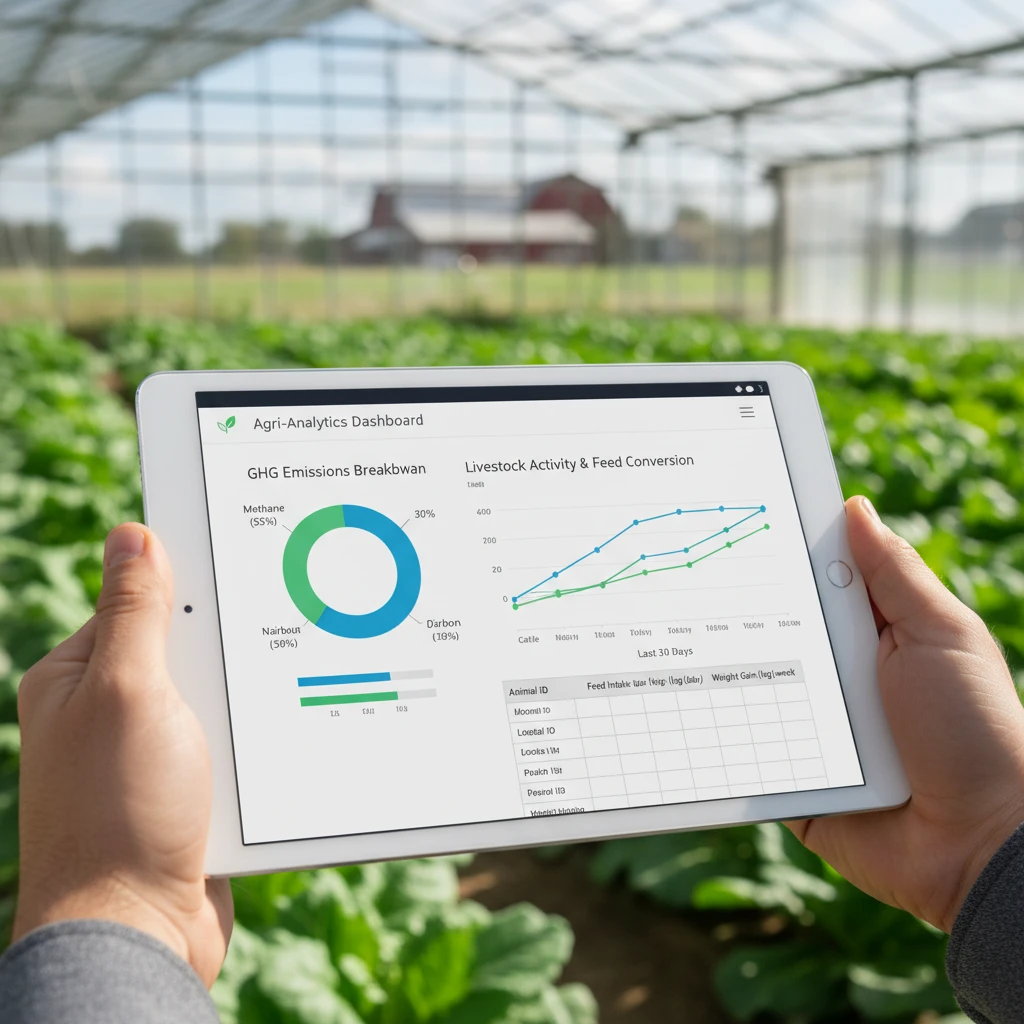
Future breakthroughs may include methane vaccines and boluses that provide long-term suppression of enteric emissions. Furthermore, satellite technology is improving our ability to measure pasture growth and soil carbon from space, providing farmers with real-time data to manage their land more effectively. The integration of AI in precision agriculture will likely be the next frontier in sheep and beef carbon NZ management, allowing for hyper-localized management of nitrogen and grazing patterns.
People Also Ask
How does the Zero Carbon Act affect NZ farmers?
The Act mandates specific reduction targets for biogenic methane (10% by 2030) and requires farmers to measure their emissions and implement management plans, eventually leading to a pricing mechanism for agricultural gases.
Can NZ beef be carbon neutral?
Yes, through a combination of high-efficiency production, low-methane genetics, and significant on-farm sequestration (like native bush or forestry), many NZ beef farms are approaching or achieving net-zero status.
What is the difference between biogenic methane and long-lived gases?
Biogenic methane (from livestock) is a short-lived gas that stays in the atmosphere for about 12 years, whereas long-lived gases like CO2 can remain for centuries. This is why NZ policy treats them differently.
How do intensive systems compare to extensive ones for carbon?
Intensive systems often have lower emissions per kg of meat due to efficiency but higher emissions per hectare. Extensive systems have higher emissions per kg but greater potential for carbon sequestration in their landscapes.
What tools calculate on-farm emissions in NZ?
Commonly used tools include Overseer, the Beef + Lamb New Zealand GHG Calculator, and various proprietary software used by meat processors to help farmers benchmark their carbon footprints.
Is soil carbon sequestration recognized in the NZ ETS?
Currently, the NZ Emissions Trading Scheme primarily recognizes woody vegetation (forests). However, research is ongoing to determine if soil carbon can be accurately and reliably measured for future inclusion.
About The Author
