Small Parcel Carbon Sequestration
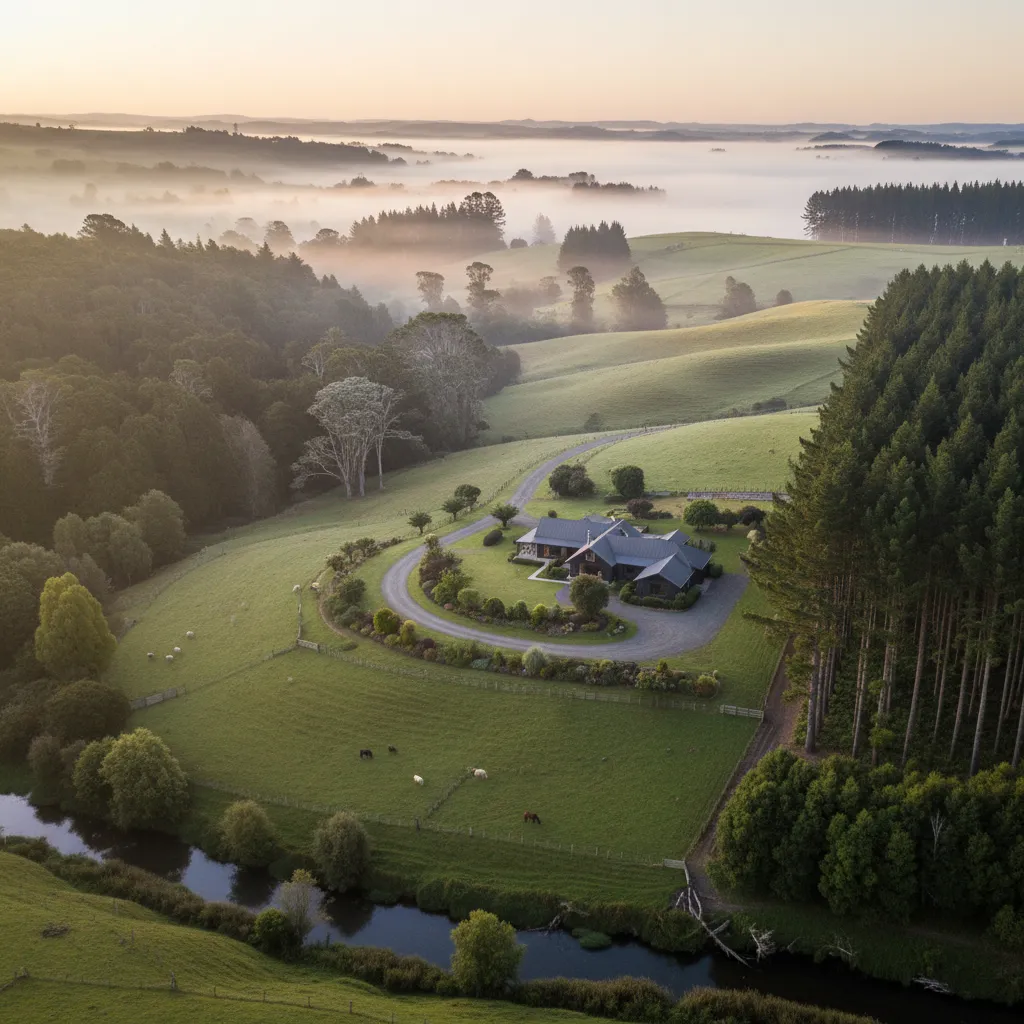
Small parcel carbon sequestration in New Zealand refers to the process of capturing and storing atmospheric carbon dioxide in woody biomass on land areas typically smaller than 100 hectares. While the Emissions Trading Scheme (ETS) requires a minimum of one hectare, smaller landowners can leverage these parcels to earn carbon credits and offset emissions.
What are the Minimum Size Requirements for the ETS?
In the context of New Zealand’s climate policy, the primary mechanism for carbon sequestration is the Emissions Trading Scheme (ETS). For a small parcel of land to qualify as “forest land” under the Climate Change Response Act 2002, it must meet specific physical criteria. The most critical threshold is the size: the parcel must be at least one hectare in a continuous area. However, size is not the only metric. The land must also be at least 30 meters wide on average and capable of reaching a height of at least five meters at maturity in the place where it is growing.
For owners of lifestyle blocks or small rural holdings, understanding these dimensions is vital. A common mistake is assuming that scattered trees across a large paddock qualify. To meet the “forest land” definition, the canopy cover must exceed 30% across each hectare. If your parcel is 0.9 hectares, it is currently ineligible for the ETS, regardless of how many trees are planted. This rigid boundary has led to the rise of strategic planting designs that ensure small-scale landowners can maximize their eligible area while maintaining the functionality of their property for other uses, such as grazing or horticulture.
How to Aggregate Small Parcels for Carbon Trading?
One of the significant hurdles for small parcel carbon sequestration is the administrative cost. The fees for registering land in the ETS, mapping the forest, and filing mandatory emissions returns can often outweigh the initial financial benefits for a single hectare. This economic reality has birthed the concept of aggregation. Aggregation involves grouping multiple small parcels of land—often owned by different individuals—into a single administrative portfolio managed by a third-party carbon forestry specialist.
The Role of Carbon Aggregators
Carbon aggregators act as intermediaries. They handle the complex GIS (Geographic Information System) mapping, the legal paperwork with the Ministry for Primary Industries (MPI), and the ongoing reporting requirements. By pooling hundreds of small parcels together, these firms can achieve economies of scale. For the landowner, this typically means a lower entry cost and a share of the New Zealand Units (NZUs) generated, minus a management fee or a percentage of the credits.
Legal and Operational Considerations
When entering an aggregation agreement, landowners must be aware of the long-term commitments. Carbon sequestration is a multi-decadal process. If the trees are harvested or destroyed by fire or pests, the “carbon debt” must be repaid to the Crown. Aggregation contracts often include clauses regarding land use liabilities, making it essential for smallholders to conduct due diligence on the aggregator’s reputation and financial stability. This collaborative approach is increasingly popular among neighboring lifestyle block owners who wish to turn marginal, non-productive land into a collective environmental and financial asset.
What are the Best Tree Species for Rapid Sequestration?
The choice of species determines both the volume of carbon sequestered and the speed at which NZUs are earned. In New Zealand, the debate usually centers on exotic softwoods versus indigenous species. For small parcel carbon sequestration, the objective often dictates the choice: rapid financial return or long-term ecological restoration.
Pinus Radiata: The Economic Powerhouse
Radiata pine is the undisputed leader in sequestration speed. Because it grows exceptionally fast in New Zealand’s climate, it reaches the 30% canopy cover and 5-meter height thresholds much sooner than native species. Under the current “averaging accounting” rules for post-1989 forests, a pine plantation can earn a significant number of credits over its first 15 to 25 years. For a small parcel owner looking for a quick return on investment to cover planting costs, Radiata pine is often the most pragmatic choice.
Indigenous Species and Permanent Forests
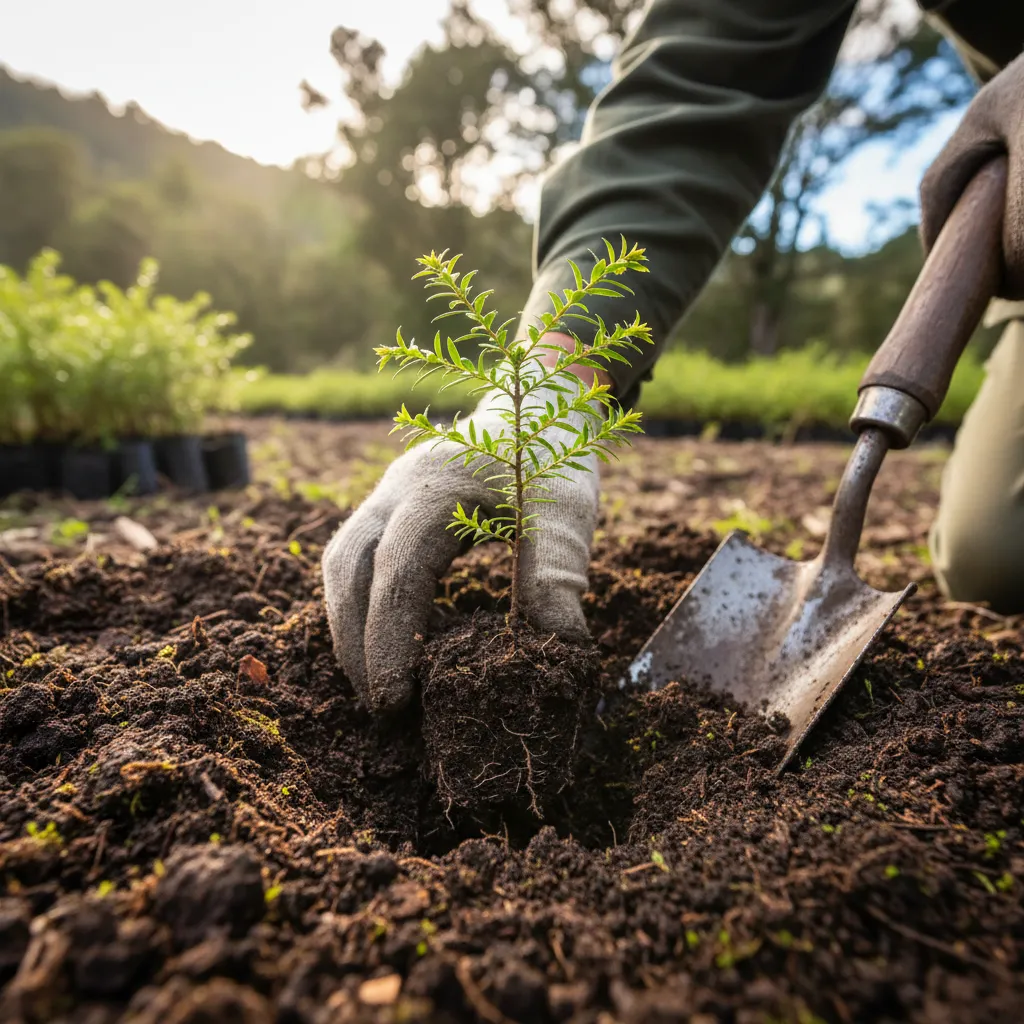
While slower to grow, native species like Tōtara, Mānuka, and Kauri offer high biodiversity value and are often preferred for “permanent forest” categories. The NZ government has introduced specific incentives for permanent forests that will not be clear-felled. Native forests sequester carbon for centuries, whereas pine sequestration levels off after a few decades. Furthermore, native forests are more resilient to New Zealand’s specific pests and provide essential habitats for local fauna, which can sometimes lead to additional income through biodiversity credits or voluntary market premiums.
Alternative Exotics
Species like Redwood (Sequoia sempervirens) and various Eucalyptus varieties are also gaining traction. Redwoods, in particular, have a massive capacity for carbon storage and can live for over a thousand years, making them ideal for small parcels intended as long-term legacy forests. They grow slower than pine initially but eventually surpass it in total biomass per hectare.
What is the Income Potential for Lifestyle Block Owners?
The financial viability of small parcel carbon sequestration depends on the prevailing price of NZUs and the growth rate of the forest. As of the early 2020s, the NZU price has seen significant volatility, fluctuating between $40 and $80 NZD. For a lifestyle block owner with a 5-hectare block of fast-growing exotic forest, the income can be a substantial supplement to household earnings.
Calculating Potential Yields
A typical Radiata pine forest might sequester between 20 and 35 tonnes of CO2 per hectare per year during its peak growth phase. At an NZU price of $70, a 5-hectare parcel could theoretically generate between $7,000 and $12,250 annually. However, it is vital to subtract the costs of planting, fencing (to keep out goats and deer), insurance, and administrative fees. Under the “averaging” model, landowners earn credits up to a certain point (the average carbon stock over several rotations) and do not have to pay them back when they harvest, provided they replant.
Secondary Income Streams
Beyond the direct sale of NZUs, small parcels can generate secondary income. For example, Mānuka plantations can be used for high-value honey production while simultaneously earning carbon credits. Additionally, well-managed forests can increase the overall property value, appealing to a growing demographic of “green” buyers who value sustainability and self-sufficiency. Some landowners are also exploring the voluntary carbon market, where corporations pay a premium for credits that come with “co-benefits,” such as water quality improvement or erosion control.

How to Navigate Compliance and Mapping for Small Parcels?
Compliance is the most technical aspect of small parcel carbon sequestration. The MPI requires precise digital mapping to define the “Forest Carbon Edge.” This involves using aerial photography or satellite imagery to create polygons that exclude non-forested areas like tracks, buildings, or large clearings. For small parcels, the margin for error is slim; a small mapping mistake can lead to the rejection of an application or a future penalty during an audit.
Post-1989 Land Eligibility
To earn credits, the land must be “Post-1989 land.” This means it was not forest land on December 31, 1989. Proving this often requires historical aerial imagery. If the land had regenerating scrub or forest at that time, it might be classified as “Pre-1990 land,” which carries significant liabilities and fewer opportunities for credit generation. Smallholders must conduct a thorough land use history check before investing in planting.
The Importance of Fencing and Pest Control
For carbon to be sequestered, the trees must survive. In New Zealand, feral pests like possums, deer, and wallabies can decimated young plantings. For small parcels, the impact of pest damage is amplified. A loss of 10% of trees in a 100-hectare forest is manageable; a 10% loss in a 1-hectare plot could drop the canopy cover below the 30% threshold, disqualifying the entire parcel from the ETS. Therefore, robust fencing and a consistent pest management plan are not just good practice—they are compliance requirements.
The Future of Small-Scale Carbon Farming in New Zealand
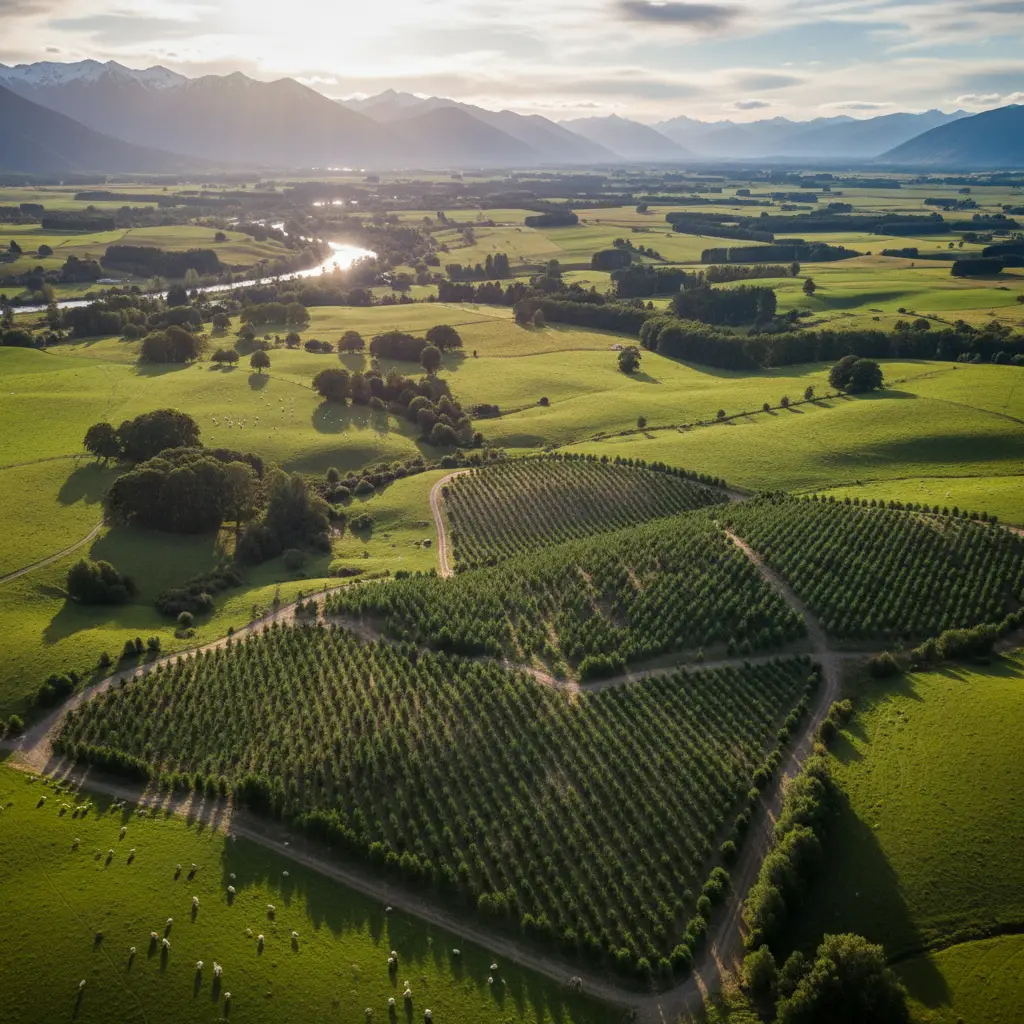
The landscape of small parcel carbon sequestration is evolving rapidly as New Zealand moves toward its Net Zero 2050 goals. We are seeing a shift toward more integrated land-use models, such as silvopasture, where trees are integrated into active grazing lands. While the current ETS rules are somewhat restrictive regarding wide-spaced trees, there is ongoing advocacy for more flexible definitions that would allow even smaller clusters of trees to be recognized.
Technological advancements in remote sensing and AI are also making it easier and cheaper to monitor small parcels. In the near future, the need for expensive manual field measurements may be replaced by high-resolution satellite data, lowering the barrier to entry for the average lifestyle block owner. As the cost of emissions rises for the broader economy, the value of small-scale sequestration will only increase, making every hectare of healthy, growing forest a vital asset in the New Zealand carbon economy.
Conclusion
Small parcel carbon sequestration offers a unique opportunity for New Zealand landowners to contribute to climate goals while generating a steady income. By understanding the 1-hectare minimum, exploring aggregation options, choosing the right species, and maintaining strict compliance, even the smallest landholding can play a significant role in the nation’s green future. Whether through the rapid growth of exotic pines or the long-term legacy of native bush, the
About The Author
