Sustainability Consultants Auckland
Sustainability consultants in Auckland are specialized professionals who help businesses navigate New Zealand’s Zero Carbon Act and climate policies. They provide strategic advice on ESG (Environmental, Social, and Governance) frameworks, carbon footprinting, and emission reduction strategies, ensuring local organizations achieve regulatory compliance while enhancing operational efficiency and long-term commercial resilience.
The Strategic Imperative of Sustainability in Auckland
As the commercial heartbeat of New Zealand, Auckland finds itself at the forefront of the nation’s transition to a low-emissions economy. Sustainability consultants in Auckland are no longer just optional advisors for niche green brands; they have become essential partners for any enterprise looking to thrive under the Climate Change Response (Zero Carbon) Amendment Act. This legislation sets a legally binding target for New Zealand to reach net-zero greenhouse gas emissions by 2050, excluding biogenic methane. For Auckland businesses, this means a fundamental shift in how they operate, source materials, and report their environmental impact.
The drive toward sustainability is fueled by more than just legislation. Investors, consumers, and employees are increasingly demanding transparency and ethical responsibility. Sustainability consultants provide the technical expertise needed to translate these high-level demands into actionable business strategies. By conducting thorough materiality assessments, these experts help firms identify which environmental and social issues are most critical to their specific industry, whether it be construction, logistics, or professional services. In a city like Auckland, where the proximity to the coast makes climate change a tangible reality, the pressure to adapt is both moral and financial.
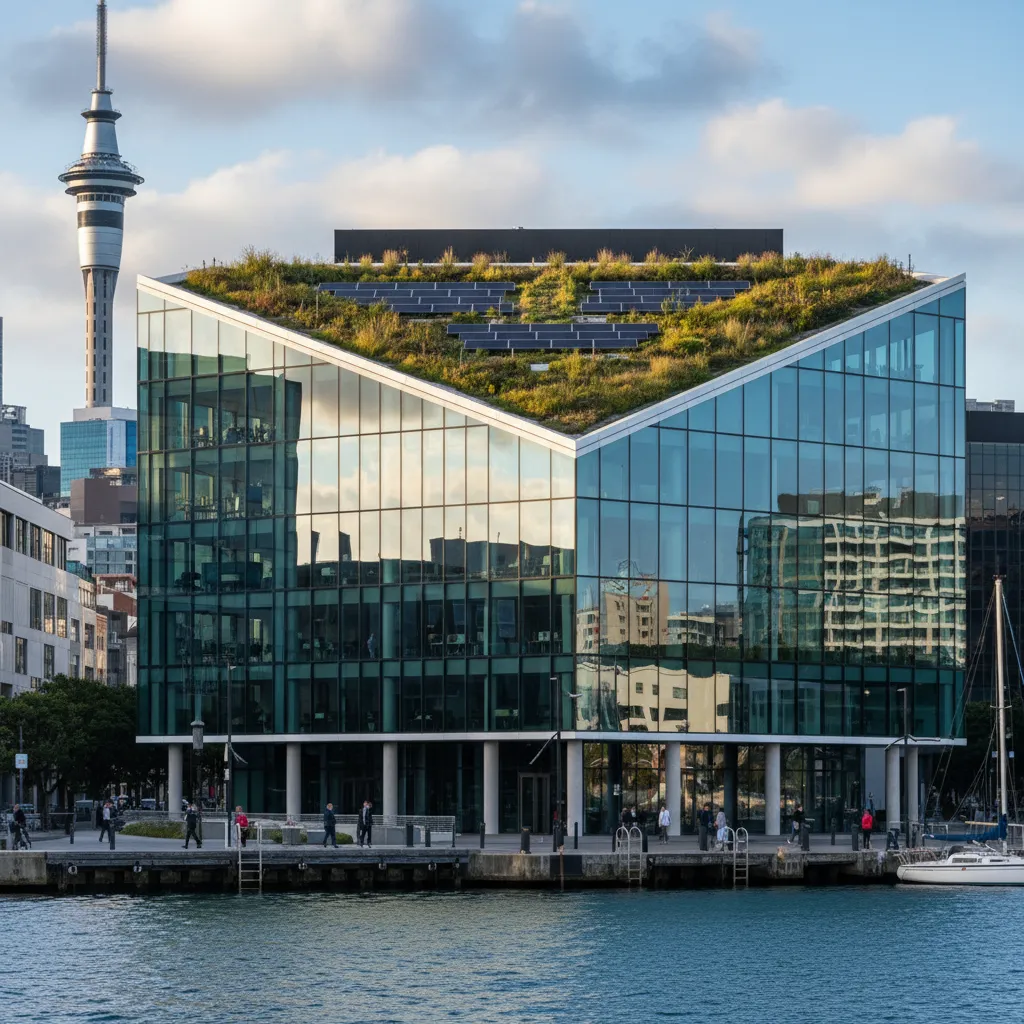
Expert ESG Advisory Services for NZ Businesses
Expert ESG (Environmental, Social, and Governance) advisory services are the cornerstone of modern sustainability consultancy. In Auckland, these services are designed to help companies integrate sustainability into their core DNA. This involves moving beyond simple recycling programs to complex data-driven strategies that encompass every facet of the organization. Consultants work with executive leadership to establish robust governance structures that ensure accountability for climate-related risks and opportunities.
The ‘Environmental’ pillar focuses heavily on carbon accounting and footprinting. This includes measuring Scope 1 (direct emissions), Scope 2 (indirect emissions from purchased energy), and the often-challenging Scope 3 emissions (value chain emissions). For Auckland-based manufacturers or retailers, Scope 3 often represents the largest portion of their carbon footprint, necessitating deep engagement with suppliers. The ‘Social’ aspect addresses labor practices, community engagement, and diversity, while ‘Governance’ ensures that the company’s board is equipped to manage sustainability performance and transparency. Together, these pillars form a comprehensive framework that enhances brand reputation and mitigates long-term risk.
The Importance of Materiality Assessments
A materiality assessment is the first step in any credible ESG strategy. Sustainability consultants in Auckland use this process to determine which ESG factors have the greatest impact on a company’s financial performance and its stakeholders. By interviewing internal and external stakeholders—including investors, customers, and employees—consultants can map out a matrix of priorities. This ensures that resources are allocated to the areas where they can make the most significant difference, rather than spreading efforts too thin across irrelevant metrics.
Accurate Carbon Footprinting and Inventory
You cannot manage what you do not measure. Auckland consultants utilize international standards such as the Greenhouse Gas (GHG) Protocol to help businesses establish a baseline of their emissions. This involves meticulous data collection from utility bills, fuel records, and supply chain invoices. Once a baseline is established, consultants can help set Science-Based Targets (SBTs) that align with the 1.5-degree Celsius warming limit set by the Paris Agreement. This level of precision is vital for businesses that want to avoid ‘greenwashing’ and demonstrate genuine progress toward net-zero goals.

Local Compliance Specialists and the Zero Carbon Act
Navigating the regulatory landscape in New Zealand requires specialized knowledge of local laws and international reporting standards. Sustainability consultants in Auckland act as compliance specialists, particularly concerning the Aotearoa New Zealand Climate Standards (NZCS). These standards, issued by the External Reporting Board (XRB), mandate that large financial institutions, listed issuers, and certain insurers disclose their climate-related risks and opportunities. Even for businesses not directly covered by these mandates, the ‘trickle-down’ effect means that smaller suppliers are often required to provide climate data to their larger partners.
Consultants help businesses understand the nuances of the Zero Carbon Act, including the role of the Climate Change Commission and the evolving nature of the New Zealand Emissions Trading Scheme (NZ ETS). As the price of carbon units (NZUs) fluctuates, businesses need expert advice on how to manage their exposure to rising costs. Compliance specialists ensure that reporting is not just a ‘tick-box’ exercise but a strategic tool that informs decision-making and protects the business from future regulatory shocks.
Understanding XRB Climate Standards
The XRB standards are designed to provide investors with consistent and comparable information about how climate change will affect a business’s bottom line. Auckland consultants assist in drafting these disclosures, which are categorized into four thematic areas: Governance, Strategy, Risk Management, and Metrics and Targets. This requires a deep dive into scenario analysis, where businesses must model how they would fare under different climate futures, such as a rapid transition to a low-carbon economy versus a ‘business-as-usual’ scenario where physical risks like flooding and sea-level rise are more prevalent.
Navigating the New Zealand Emissions Trading Scheme
The NZ ETS is the government’s primary tool for meeting domestic and international climate targets. For many Auckland industries, particularly those in heavy manufacturing or energy, the ETS represents a significant cost center. Sustainability consultants provide guidance on how to purchase, trade, and surrender emission units. They also advise on opportunities for carbon sequestration, such as forestry projects, which can generate units to offset a company’s emissions. Staying ahead of policy changes in the ETS is crucial for maintaining a competitive edge in the local market.
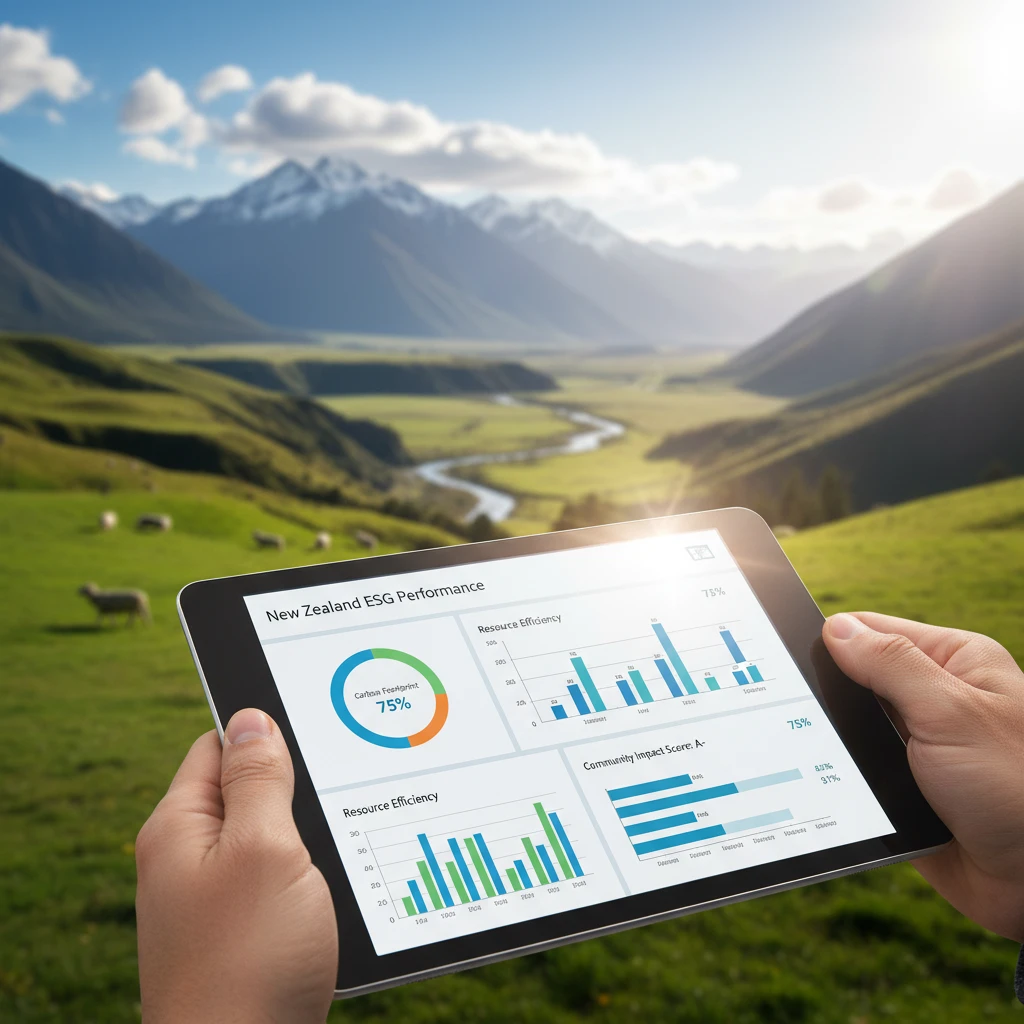
The Role of Auckland’s Climate Action Plan
Beyond national legislation, Auckland businesses must also align with local initiatives like Te Tāruke-ā-Tāwhiri: Auckland’s Climate Plan. This plan, developed by the Auckland Council, sets a goal to reduce greenhouse gas emissions by 50 percent by 2030 and reach net-zero emissions by 2050. It focuses on eight priority areas, including transport, the built environment, and the economy. Sustainability consultants in Auckland help businesses understand how these local priorities affect their operations, particularly regarding zoning, waste management, and transport infrastructure.
For instance, the plan emphasizes the transition to electric vehicles (EVs) and improved public transport. A consultant might help an Auckland logistics company develop a fleet transition strategy that takes advantage of local charging infrastructure and government incentives. Similarly, for property developers, consultants provide expertise on green building standards like Homestar or Green Star, which are increasingly favored by the Auckland Council and prospective tenants alike. By aligning with the city’s broader goals, businesses can foster better relationships with local government and the community.
Implementing Effective Decarbonization Strategies
Once the risks are identified and the carbon footprint is measured, the real work begins: decarbonization. Sustainability consultants in Auckland develop tailored roadmaps that outline how a business will reduce its emissions over time. This often starts with energy efficiency—the ‘low-hanging fruit’ of sustainability. By upgrading lighting, HVAC systems, and machinery, businesses can see immediate reductions in both emissions and operational costs. Consultants also explore opportunities for on-site renewable energy generation, such as solar panels, which are becoming increasingly viable in the Auckland region.
Decarbonization also involves rethinking the supply chain. Consultants work with procurement teams to source lower-carbon materials and prioritize suppliers with strong environmental credentials. In some cases, this may lead to circular economy initiatives, where waste products from one process are used as inputs for another. For Auckland’s thriving food and beverage sector, this could mean reducing food waste or moving to compostable packaging. The goal is to decouple economic growth from environmental impact, creating a more resilient and sustainable business model.
Case Studies of Auckland Businesses
Real-world examples demonstrate the tangible benefits of engaging sustainability consultants in Auckland. One prominent case involved a large Auckland-based distribution company that was facing rising fuel costs and pressure from its international clients to report on its carbon footprint. By partnering with a local consultancy, the firm conducted a full Scope 1, 2, and 3 assessment. The consultants identified that 70% of their emissions came from their delivery fleet. They implemented a phased transition to electric and hybrid vehicles and optimized delivery routes using AI-driven software. Within two years, the company reduced its transport emissions by 25% and saw a 15% reduction in fuel-related costs.
Another example is a mid-sized Auckland construction firm that wanted to differentiate itself in a crowded market. Consultants helped them achieve ‘Toitū carbonreduce’ certification, a recognized mark of environmental excellence in New Zealand. They shifted to using low-carbon concrete and implemented a comprehensive waste management plan on-site, diverting 80% of construction waste from landfills. Not only did this enhance their brand reputation, but it also allowed them to win several high-profile contracts with the Auckland Council, which increasingly prioritizes sustainable procurement. These cases highlight that sustainability is not just about ‘doing good’—it is about smart business strategy.

How to Choose the Right Sustainability Consultant
Selecting the right sustainability consultant in Auckland is a critical decision. Businesses should look for consultants with a proven track record in their specific industry and a deep understanding of the New Zealand regulatory environment. It is important to ask about their experience with international standards like the GRI (Global Reporting Initiative) or TCFD (Task Force on Climate-related Financial Disclosures). Furthermore, a good consultant should be able to demonstrate how their advice translates into financial value, whether through cost savings, risk mitigation, or improved access to capital.
Cultural fit is also essential. A consultant should act as an extension of your team, working collaboratively to drive change. They should be able to communicate complex environmental data in a way that is understandable and actionable for all levels of the organization, from the boardroom to the shop floor. Finally, consider whether the consultancy offers a holistic range of services, from initial auditing to long-term strategy and reporting. As your business’s sustainability journey evolves, you will need a partner who can support you every step of the way.
Frequently Asked Questions
What do sustainability consultants do in Auckland?
Sustainability consultants in Auckland help businesses measure their environmental impact, develop strategies to reduce carbon emissions, and ensure compliance with New Zealand’s Zero Carbon Act and other climate regulations. They provide expert advice on ESG frameworks and help integrate sustainable practices into core business operations.
How much does a sustainability consultant cost in NZ?
The cost varies significantly depending on the scope of the project. Small businesses might pay for a one-off carbon audit, while larger corporations often engage consultants for ongoing strategic advisory and reporting services. Fees can range from a few thousand dollars for a basic assessment to six-figure sums for comprehensive multi-year transformations.
What is the NZ Zero Carbon Act summary?
The Zero Carbon Act is a 2019 amendment to New Zealand’s Climate Change Response Act. It sets a legal target for the country to reach net-zero greenhouse gas emissions (except biogenic methane) by 2050. It also established the Climate Change Commission to provide independent advice and created a framework for setting five-yearly emissions budgets.
Why is ESG important for Auckland businesses?
ESG is important because it helps businesses manage risks, attract investment, and meet the growing demands of consumers and employees for ethical practices. In Auckland, strong ESG performance is increasingly linked to easier access to capital and better relationships with regulatory bodies like the Auckland Council.
Who are the top sustainability firms in Auckland?
Auckland is home to a mix of global firms (like the Big 4 accounting firms) and specialized local boutiques. The best firm for your business depends on your industry, size, and specific needs, whether you require high-level strategic advice or technical carbon accounting expertise.
How do I start a sustainability plan for my business?
The best way to start is by conducting a baseline assessment of your current environmental impact, particularly your carbon footprint. Once you understand your starting point, you can identify high-impact areas for improvement, set measurable goals, and engage a sustainability consultant to help develop a roadmap for achieving them.
About The Author
