Sustainable Aviation Fuel Providers NZ
Sustainable aviation fuel providers nz primarily include Z Energy in partnership with Air New Zealand and international producers like Neste. Currently, SAF is imported as a drop-in blend for use at Auckland Airport. While domestic production is not yet active, several feasibility studies are exploring wood-waste and tallow-based local manufacturing to support New Zealand’s net-zero 2050 goals.
Current SAF Availability in NZ Airports
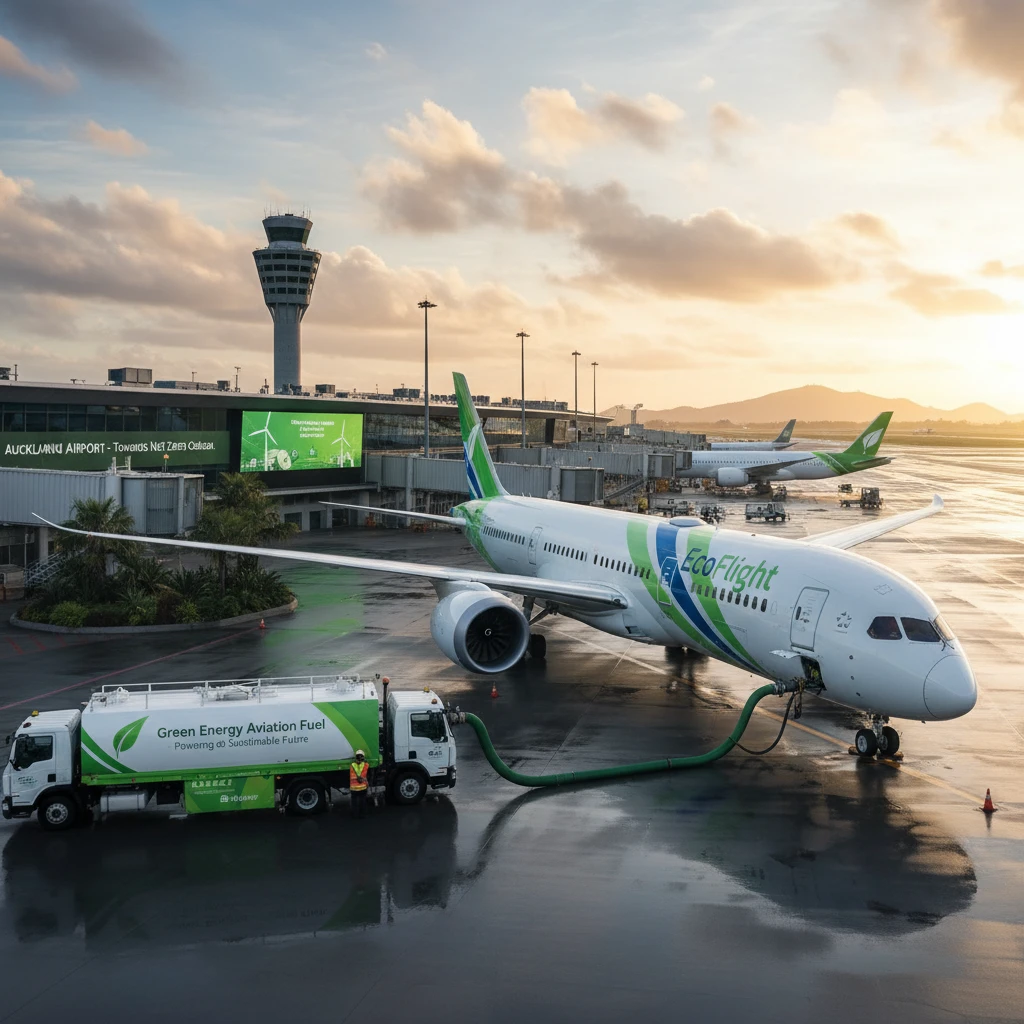
The landscape of sustainable aviation fuel (SAF) in New Zealand is currently in a foundational stage, characterized by strategic imports rather than large-scale domestic production. As of 2024, Auckland Airport (AKL) remains the primary hub for SAF integration. This is largely due to its sophisticated fuel hydrant system and its status as the country’s main international gateway, where the demand for carbon-reduction solutions is highest among long-haul carriers.
Aviation fuel in New Zealand is managed through a complex supply chain that was significantly restructured following the closure of the Marsden Point refinery. Today, fuel is imported as finished product. For SAF, this means the fuel is typically produced in overseas refineries—such as Neste’s Singapore facility—and shipped to New Zealand. Once it arrives, it is blended with conventional Jet A-1. The current infrastructure allows for a ‘drop-in’ approach, meaning the aircraft engines and airport fuel systems require no modifications to handle the blend, which usually sits at a 30% to 40% SAF ratio depending on the specific shipment and regulatory limits.
Auckland Airport’s Role as a Gateway
Auckland Airport has taken a leadership role by facilitating the logistics for SAF shipments. The airport’s participation in the Sustainable Aviation Fuel Consortium allows for the tracking and allocation of carbon credits associated with the fuel. While the physical SAF molecules may only be present in certain tanks, the environmental benefits are accounted for across the participating airlines’ fuel burn. This ‘book and claim’ or ‘mass balance’ approach is critical for the commercial viability of SAF in the current market.
Challenges for Regional Airports
For regional airports like Wellington, Christchurch, and Queenstown, SAF availability remains a logistical challenge. The smaller scale of these operations and the reliance on coastal shipping or trucking for fuel delivery add layers of cost that currently make SAF distribution less feasible outside of Auckland. However, as Air New Zealand expands its regional decarbonization efforts, there is increasing pressure to establish SAF supply points at Christchurch to support South Island routes.
Key Suppliers and Strategic Partnerships
The supply of SAF in New Zealand is not the work of a single entity but a collaborative effort between energy companies, the national carrier, and international refiners. The synergy between Z Energy and Air New Zealand is the cornerstone of the local SAF market.
Z Energy: The Primary Distributor
Z Energy has positioned itself as a pivotal player among sustainable aviation fuel providers in NZ. As one of the country’s largest fuel distributors, Z Energy leverages its existing infrastructure to manage the importation and blending of SAF. Their commitment to the energy transition has led them to partner with global leaders to secure reliable volumes of biofuel. Z Energy’s role extends beyond mere logistics; they are actively involved in the commercial structuring of SAF contracts, helping corporate clients and airlines navigate the complexities of carbon accounting.
Air New Zealand’s Procurement Strategy
Air New Zealand is the primary driver of demand for SAF in the domestic market. The airline has set ambitious targets to reach net-zero emissions by 2050, with SAF expected to contribute significantly to this goal. Their procurement strategy involves multi-year agreements to signal long-term demand to producers. By entering into these agreements, Air New Zealand provides the financial certainty necessary for suppliers like Z Energy and Neste to justify the logistical costs of bringing SAF to the bottom of the South Pacific.

Neste: The Global Producer
Neste, a Finnish company with a massive production hub in Singapore, is currently the most significant international supplier of SAF to the New Zealand market. Their MY Sustainable Aviation Fuel is produced from 100% sustainably sourced, renewable waste and residue raw materials, such as used cooking oil and animal fat waste. The proximity of the Singapore refinery makes Neste the most logical partner for NZ-based fuel providers, minimizing the carbon footprint associated with transporting the fuel itself.
Cost Comparisons: SAF vs. Jet A-1
One of the most significant barriers to the widespread adoption of SAF in New Zealand is the price disparity compared to conventional Jet A-1. Understanding this ‘green premium’ is essential for any commercial entity operating within the NZ climate compliance framework.
The Green Premium Explained
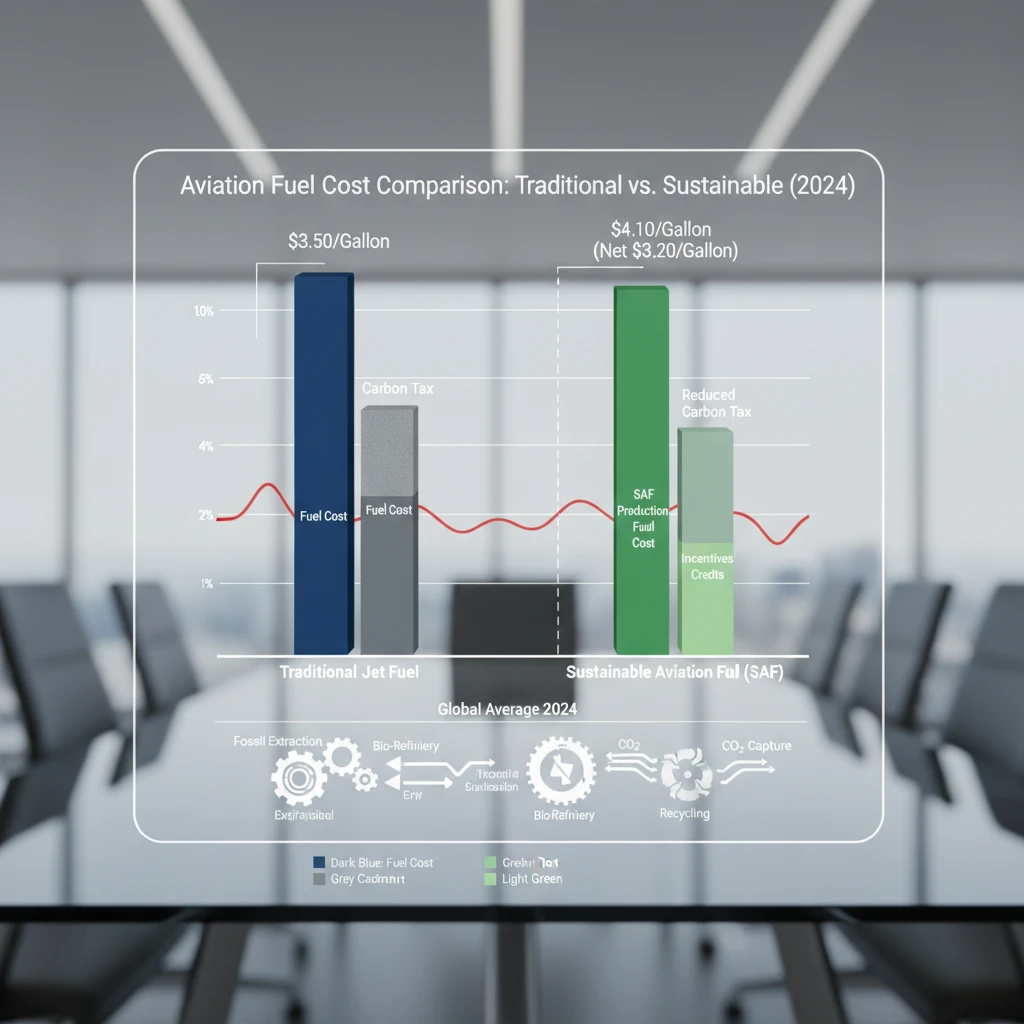
Currently, SAF can cost anywhere from two to five times more than traditional fossil-based jet fuel. This premium is driven by several factors: the high cost of sustainable feedstocks, the complexity of the refining process (such as HEFA or Alcohol-to-Jet pathways), and the lack of economies of scale. In the New Zealand context, the ‘end-of-the-line’ geographical location adds significant shipping and handling costs, further inflating the price per liter.
Impact of the NZ Emissions Trading Scheme (ETS)
The New Zealand Emissions Trading Scheme (ETS) plays a crucial role in narrowing the price gap. As the price of carbon units (NZUs) increases, the effective cost of burning fossil fuels rises. Airlines are required to surrender units for the emissions they produce. Since SAF is categorized as carbon-neutral (or significantly carbon-reduced) under the ETS, airlines do not have to pay the same carbon penalties for the SAF portion of their fuel. While the ETS price is currently not high enough to make SAF cheaper than Jet A-1, it serves as a vital financial lever that reduces the net cost of the green premium.
Future SAF Production Projects in NZ
To ensure long-term energy security and meet climate targets, New Zealand is investigating the feasibility of domestic SAF production. Relying solely on imports is seen as a risk to both the economy and the environment.
The Wood-to-Fuel Opportunity
New Zealand has a vast forestry sector, which produces significant amounts of woody biomass waste. Projects led by entities like Scion (a Crown Research Institute) are exploring the ‘Wood-to-SAF’ pathway. This involves using gasification or pyrolysis to convert forest residues into synthetic fuels. This pathway is particularly attractive for New Zealand because it utilizes a local waste stream, creates regional jobs, and provides a truly domestic source of energy that is not dependent on international supply chains.
LanzaJet and Regional Collaboration
LanzaJet, a global leader in Alcohol-to-Jet (ATJ) technology, has been involved in feasibility studies within the New Zealand market. The ATJ process can convert ethanol—derived from various sources including agricultural waste or even captured industrial carbon emissions—into high-quality SAF. Collaborative efforts between LanzaJet, Air New Zealand, and the Ministry for Primary Industries are examining whether the scale of New Zealand’s agricultural sector can support a dedicated ATJ refinery.
Government Feasibility and Policy
The New Zealand government has established the Sustainable Aviation Fuel Options (SAFO) working group to evaluate the best pathways for the country. This includes assessing the need for a ‘SAF Mandate,’ similar to those seen in the European Union and the UK. A mandate would require fuel suppliers to ensure a certain percentage of the fuel they sell is sustainable, providing a guaranteed market that could trigger the massive capital investment required to build a domestic refinery.

Climate Compliance and the Carbon Economy
The shift toward SAF is not merely an environmental choice; it is a core component of New Zealand’s carbon economy. For businesses involved in logistics, tourism, and export, the carbon footprint of aviation is a major liability under modern ESG (Environmental, Social, and Governance) reporting standards.
As New Zealand aligns with international frameworks like CORSIA (Carbon Offsetting and Reduction Scheme for International Aviation), the pressure on local providers to supply SAF will only intensify. Companies that can secure SAF-backed travel for their staff or freight will have a competitive advantage in a world where carbon border adjustments and consumer preference for low-carbon products are becoming the norm. The development of a robust network of sustainable aviation fuel providers in NZ is therefore a critical infrastructure requirement for the nation’s economic future.
People Also Ask
What is the current price of SAF in NZ?
The price of SAF in New Zealand is currently not publicly indexed like Jet A-1 but is estimated to be 2 to 4 times higher than conventional fuel. This price is influenced by international market rates from producers like Neste and the additional logistics costs of importing to NZ.
Where can I buy SAF in New Zealand?
Currently, SAF is not available for individual purchase at the pump. It is managed through bulk supply agreements between Z Energy and major airlines like Air New Zealand, primarily distributed through the Auckland Airport fuel system.
Is SAF produced in New Zealand?
No, there is currently no commercial-scale production of SAF in New Zealand. All SAF used today is imported. However, feasibility studies are underway for domestic production using forestry waste and tallow.
How does SAF reduce carbon emissions?
SAF reduces lifecycle carbon emissions by up to 80% compared to fossil jet fuel. While it still emits CO2 when burned, the carbon it releases was previously captured from the atmosphere by the plants or organic matter used to make the fuel, creating a circular carbon cycle.
Which airlines use SAF in NZ?
Air New Zealand is the primary user of SAF in the country. Some international carriers landing in Auckland also utilize SAF blends through the airport’s shared fuel hydrant system as part of their global sustainability commitments.
What are the government mandates for SAF in NZ?
New Zealand does not currently have a mandatory SAF blending requirement. However, the government is actively considering a Sustainable Aviation Fuel mandate as part of its wider decarbonization strategy for the transport sector.
About The Author
