Sustainable Tourism & Aviation
Sustainable tourism NZ is a comprehensive framework focused on preserving New Zealand’s natural and cultural heritage through carbon-neutral initiatives, rigorous Qualmark certification, and the decarbonization of aviation. It prioritizes long-term ecological health, social equity for local communities, and the transition to a high-value, low-emissions economy for international and domestic travelers.
What are Qualmark Certification Standards in NZ?
Qualmark is New Zealand tourism’s official quality assurance organization, providing a rigorous framework for businesses to validate their sustainability credentials. For any operator looking to excel in sustainable tourism NZ, achieving a Qualmark award—specifically the Sustainable Tourism Business Award—is the benchmark of excellence. The certification is built upon four foundational pillars: Economic, Social and People, Culture and Heritage, and Environmental. Each pillar contains specific criteria that businesses must meet to earn a Bronze, Silver, or Gold status.

The Four Pillars of Qualmark
The Environmental pillar focuses on waste management, energy efficiency, and biodiversity conservation. Operators are expected to have robust systems for monitoring their carbon footprint and implementing reduction strategies. The Social and People pillar evaluates how a business treats its staff and engages with the local community, ensuring that tourism benefits the people living in the region. The Culture and Heritage pillar is unique to Aotearoa, emphasizing the integration of Māori values and the protection of cultural sites. Finally, the Economic pillar ensures the business is viable and contributes to the local economy through ethical procurement and financial transparency.
The Shift to Mandatory Sustainability
While Qualmark began as a voluntary quality mark, it has evolved into a critical compliance tool. In the modern NZ climate compliance landscape, many government grants and partnership opportunities with Tourism New Zealand are contingent upon holding a high-level Qualmark rating. This shift reflects a broader national strategy to transition from a volume-based tourism model to a value-based one, where environmental stewardship is non-negotiable.
How is Sustainable Aviation Fuel (SAF) Changing NZ Travel?
As an island nation located far from major global markets, New Zealand is uniquely dependent on long-haul aviation. This geographic reality makes the decarbonization of flight the single most significant challenge for sustainable tourism NZ. Sustainable Aviation Fuel (SAF) has emerged as the primary technological lever to address this. SAF is a liquid fuel used in commercial aviation which reduces CO2 emissions by up to 80% compared to traditional jet fuel, as it is produced from sustainable feedstocks like forestry residues, municipal waste, or used cooking oil.

Air New Zealand’s Mission Next Gen Aircraft
Air New Zealand has been at the forefront of SAF adoption through its ‘Mission Next Gen Aircraft’ program. The airline aims to replace its Q300 domestic fleet with more sustainable options, including battery-electric and green hydrogen-powered aircraft, by 2030. However, for long-haul international routes, SAF remains the only viable solution for the foreseeable future. The challenge lies in the supply chain; currently, NZ lacks a domestic SAF production facility, meaning the fuel must be imported at a significantly higher cost than conventional kerosene.
The Role of Government Policy in SAF
To accelerate SAF adoption, the New Zealand government and industry leaders are exploring policy mechanisms such as a Sustainable Aviation Fuel mandate. Such a mandate would require a certain percentage of all aviation fuel sold in the country to be sustainable. This would provide the market certainty needed to invest in local bio-refineries, potentially utilizing New Zealand’s vast forestry resources to create a circular carbon economy. For the tourism sector, the successful rollout of SAF is essential to maintaining ‘social license’ among environmentally conscious global travelers.
What is Carbon Reporting for International Visitors?
In the era of climate transparency, ‘carbon reporting’ has moved from a corporate buzzword to a consumer expectation. For international visitors coming to New Zealand, understanding the carbon cost of their journey is becoming a standard part of the travel planning process. New Zealand’s Climate-related Disclosures (CRD) regime now requires large financial entities and listed companies to report on their climate risks and carbon emissions. While this primarily affects large corporations, the ripple effects are felt throughout the tourism supply chain.
Scope 3 Emissions and the Tourism Supply Chain
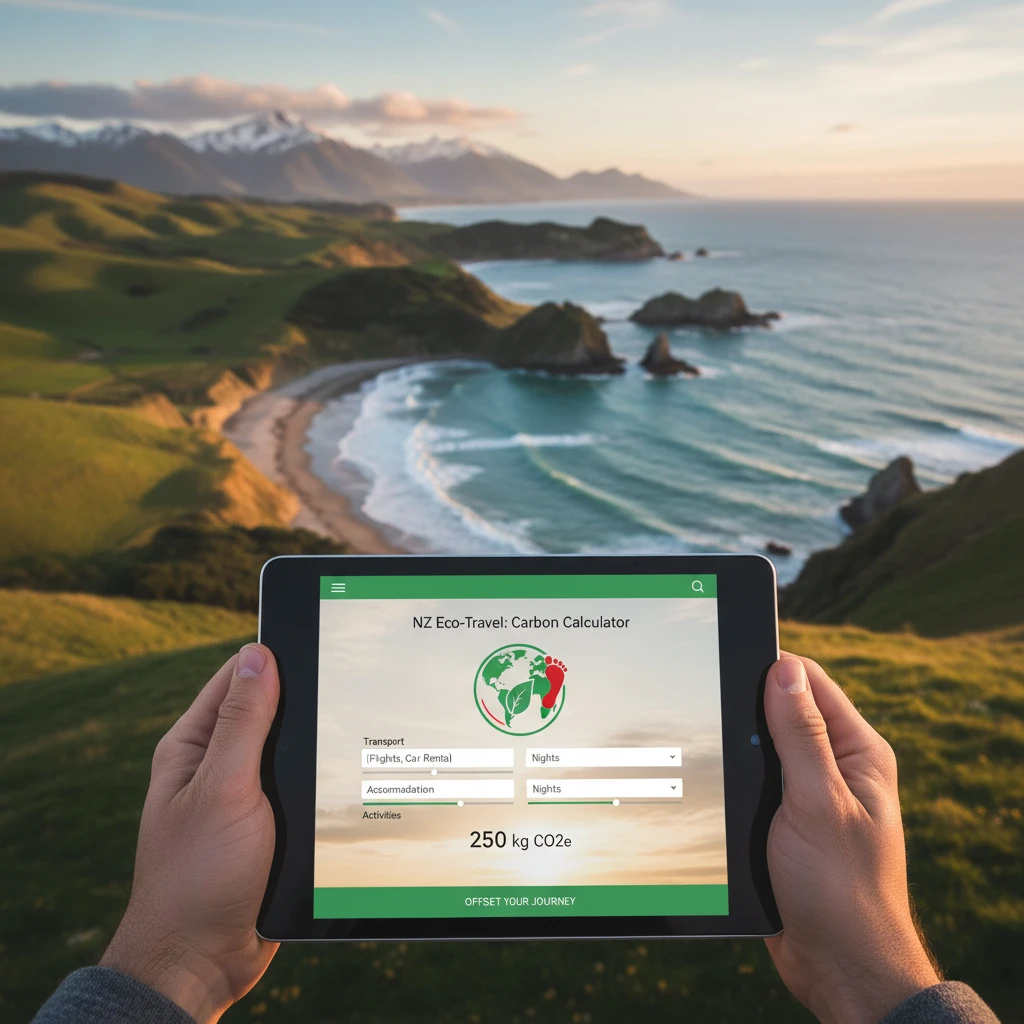
For a major hotel chain or airline, the emissions of the smaller operators they partner with (tours, transfers, food suppliers) fall under ‘Scope 3’ emissions. Consequently, small-to-medium enterprises (SMEs) in the NZ tourism sector are increasingly being asked to provide carbon data to their larger partners. This creates a data-driven ecosystem where every jet boat ride, vineyard tour, and museum visit has a quantified carbon price. Sustainable tourism NZ relies on this granular data to prove its environmental claims and avoid the pitfalls of ‘greenwashing.’
Empowering the Conscious Traveler
Beyond B2B reporting, there is a growing trend toward B2C carbon transparency. Platforms are emerging that allow tourists to offset their specific New Zealand itinerary by investing in local permanent native forests. This ‘hyper-local’ offsetting resonates more deeply with visitors than generic global carbon credits, as they can see the tangible impact of their contribution on the New Zealand landscape they are currently enjoying.
How to Manage the ‘Green’ Premium in Tourism?
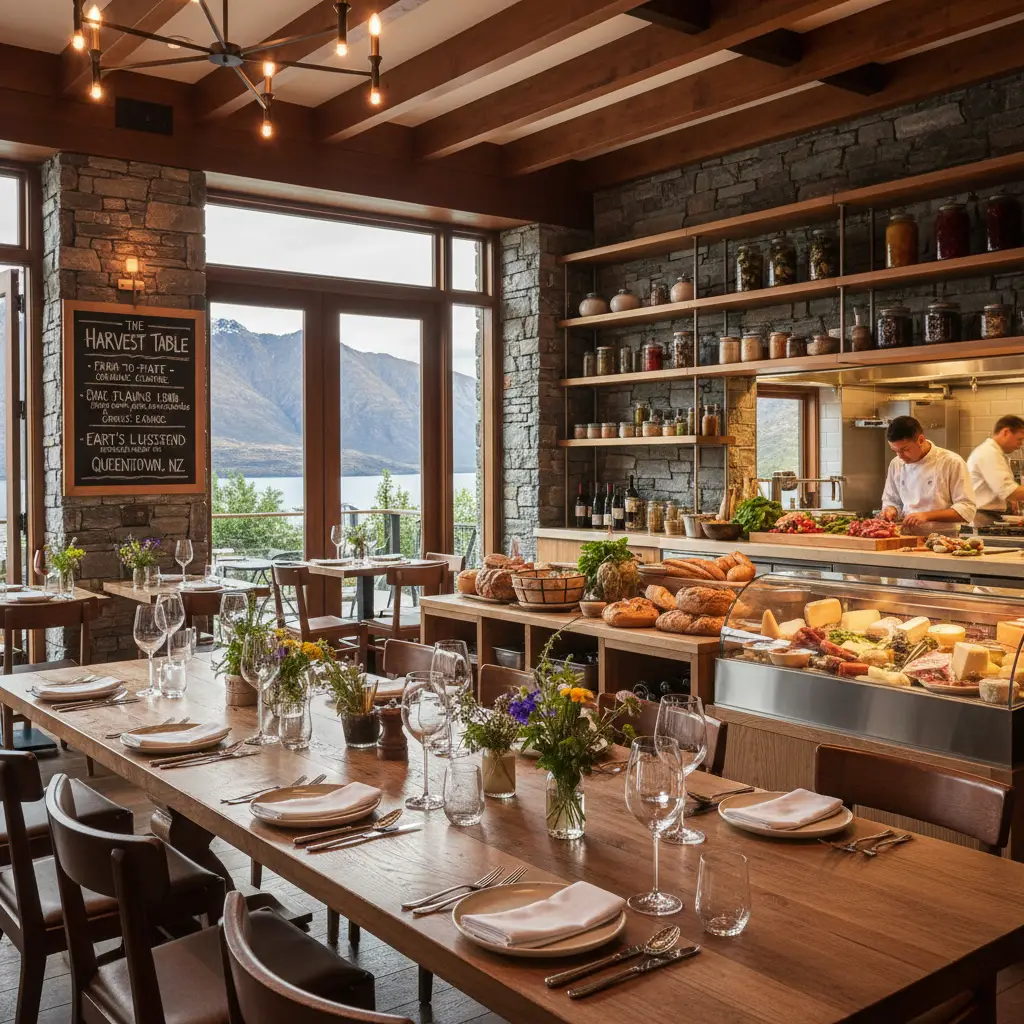
The ‘green premium’ refers to the additional cost consumers or businesses pay for a product or service that is more sustainable than its conventional counterpart. In the context of sustainable tourism NZ, this premium manifests in higher prices for SAF-powered flights, organic locally-sourced menus, and eco-certified accommodations. Managing this premium is a delicate balancing act for operators who must remain competitive while investing in expensive decarbonization technologies.
Value Over Volume Strategy
New Zealand’s national tourism strategy is explicitly focused on ‘high-value’ visitors. This does not necessarily mean only wealthy individuals, but rather travelers who contribute more to the economy, stay longer, and respect the environment. These visitors are typically more willing to pay the green premium because they perceive the added value in the authenticity and ethical standing of the experience. By positioning NZ as a premium sustainable destination, the industry can justify the higher costs associated with climate compliance.
Operational Efficiencies to Offset Costs
Smart operators are finding that sustainability often leads to long-term cost savings, which can help offset the initial green premium. Energy-efficient lighting, waste reduction programs, and water conservation measures directly reduce utility bills. Furthermore, businesses that demonstrate genuine commitment to sustainability often find it easier to attract and retain high-quality staff, reducing recruitment costs in a tight labor market. The goal is to move sustainability from a ‘cost center’ to a ‘value driver’ within the business model.
The Integration of Te Ao Māori in Sustainability
A unique aspect of sustainable tourism NZ is the integration of Te Ao Māori (the Māori world view). Concepts such as Kaitiakitanga (guardianship) and Manaakitanga (hospitality and care) provide a deep philosophical foundation for environmental stewardship that predates modern climate science. For Māori tourism operators, sustainability is not a new compliance requirement but a multi-generational responsibility to the land (Whenua) and its people.
The Tiaki Promise is a prime example of this integration. It is a commitment that both visitors and locals are encouraged to make to care for New Zealand. By framing sustainability through the lens of indigenous wisdom, New Zealand offers a more profound and authentic experience than destinations that approach the environment purely through technical or regulatory means. This cultural depth is a significant competitive advantage in the global tourism market.
Future Outlook: NZ as a Global Leader in Low-Carbon Travel
The roadmap for sustainable tourism NZ is ambitious. By 2050, the goal is for the entire industry to be net-zero. This will require a total transformation of the energy grid, the transport network, and the way we measure success. We are likely to see the rise of ‘regenerative tourism,’ where the goal is not just to minimize harm but to leave the destination better than it was found. This could include tourists participating in reforestation projects or contributing to predator-free initiatives during their stay.
As global regulations tighten and the impacts of climate change become more visible, New Zealand’s early investment in Qualmark, SAF, and carbon reporting will pay dividends. The transition will be challenging, and the green premium will remain a reality for some time, but the result will be a resilient, world-class tourism industry that can thrive in a carbon-constrained world.