Voluntary Carbon Markets in NZ
Voluntary carbon markets in NZ allow organizations and individuals to purchase carbon credits to offset emissions voluntarily, separate from mandatory government schemes. Unlike the New Zealand Emissions Trading Scheme (NZ ETS), participation is driven by corporate social responsibility, brand reputation, and environmental commitment, facilitating investment in diverse local and international climate projects.
What is the difference between compliance and voluntary carbon markets in NZ?
The primary difference between compliance and voluntary carbon markets in NZ lies in the legal obligation of the participants. The New Zealand Emissions Trading Scheme (NZ ETS) is the compliance market, a government-mandated system where high-emitting sectors—such as energy, industrial processing, and liquid fossil fuels—are legally required to surrender New Zealand Units (NZUs) to cover their greenhouse gas emissions. This is a ‘cap-and-trade’ system designed to help New Zealand meet its international obligations under the Paris Agreement.

In contrast, voluntary carbon markets in NZ (VCM) consist of transactions that occur outside of any regulatory mandate. Participants in the VCM are typically businesses, non-profits, or individuals who choose to offset their carbon footprint to demonstrate environmental leadership. While the compliance market deals exclusively in NZUs, the voluntary market utilizes a broader range of credits, often referred to as Verified Emission Reductions (VERs) or Voluntary Emissions Reductions. These credits can be sourced from local projects, such as native reforestation, or international projects like renewable energy installations in developing nations.
Another key distinction is the ‘unit’ of trade. In the NZ ETS, the NZU is the currency. In the voluntary market, credits are often retired on registries to ensure they cannot be resold, effectively taking that ‘carbon benefit’ out of circulation to claim an offset. While some companies buy NZUs to voluntarily ‘cancel’ them, most voluntary activity in New Zealand focuses on high-integrity projects that offer co-benefits, such as biodiversity enhancement and community development.
How do native forest restoration credits work in NZ?
Native forest restoration credits represent one of the most prestigious segments of voluntary carbon markets in NZ. New Zealand’s unique ecology, featuring iconic species like the Tōtara, Rimu, and Kauri, provides a high-value opportunity for carbon sequestration. Unlike fast-growing exotic pines, which are often used in the compliance market for rapid carbon gain, native forests are prized in the voluntary sector for their permanence and ecological integrity.
When a landowner or an organization initiates a native reforestation project, they can generate carbon credits based on the amount of carbon dioxide absorbed by the growing trees. These projects are often more expensive to establish and maintain than exotic plantations, leading to a higher price per credit. However, buyers are willing to pay a premium because these projects provide significant ‘co-benefits’ that align with their brand values.

Native forest credits are often verified through local programs like the Permanent Forest Sink Initiative (PFSI) or private standards like Ekos and Toitū Envirocare. These standards ensure that the forest is legally protected, that the carbon sequestration is accurately measured, and that the project would not have happened without the financial incentive of carbon credits—a concept known as ‘additionality’. By investing in these credits, companies support the return of New Zealand’s indigenous biodiversity, the protection of waterways, and the prevention of soil erosion.
What are the current CSR and ESG trends driving voluntary carbon markets in NZ?
Corporate Social Responsibility (CSR) and Environmental, Social, and Governance (ESG) criteria have moved from the periphery to the core of business strategy in New Zealand. This shift is a major catalyst for the growth of voluntary carbon markets in NZ. Modern consumers, particularly younger demographics, are increasingly making purchasing decisions based on a company’s environmental footprint. This has led to a surge in ‘Carbon Neutral’ and ‘Net Zero’ claims across the New Zealand retail and service sectors.
One prominent trend is the move toward ‘Science-Based Targets’ (SBTi). Companies are no longer just buying credits to ‘greenwash’ their existing operations; they are first implementing rigorous decarbonization strategies to reduce their absolute emissions. Voluntary credits are then used to address the ‘residual’ emissions that cannot yet be eliminated through technology or process changes. This ‘reduce-first’ approach adds credibility to their CSR initiatives.
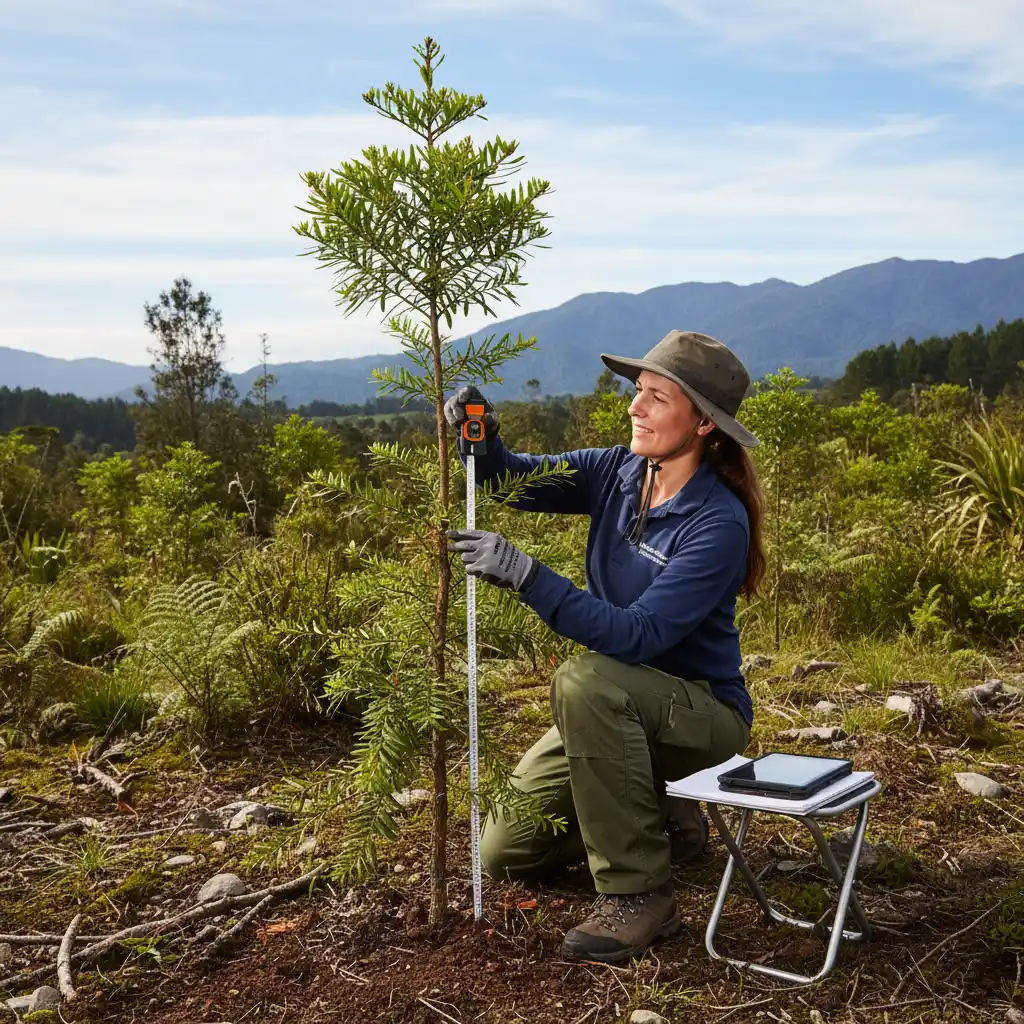
Furthermore, the ‘Social’ and ‘Governance’ aspects of ESG are influencing credit selection. NZ companies are looking for projects that offer indigenous engagement and local economic development. For example, a carbon project that partners with Iwi to restore ancestral lands is significantly more attractive to a local corporate buyer than a generic international renewable energy credit. This focus on ‘local impact’ is a defining characteristic of the current NZ voluntary landscape.
What are the verification standards for voluntary credits in NZ?
Integrity is the bedrock of voluntary carbon markets in NZ. Without robust verification, carbon credits are vulnerable to claims of fraud or double-counting. In New Zealand, several key standards and organizations govern the quality of voluntary credits. The most prominent include Toitū Envirocare, Ekos, and CarbonClick, alongside international standards like the Gold Standard and Verra (VCS).
Toitū Envirocare provides the ‘Toitū net carbonzero’ and ‘Toitū carbonreduce’ certifications. These are based on international ISO standards (ISO 14064-1). To achieve certification, a company must accurately measure its emissions, set reduction targets, and only then offset the remainder using high-quality, verified credits. This provides a clear, third-party-audited pathway for businesses to claim carbon neutrality.
Ekos is another major player, focusing specifically on community-based forest carbon projects in New Zealand and the Pacific Islands. They specialize in ‘Nature-Based Solutions’ and ensure that projects meet high standards of additionality and permanence. By using these local verifiers, NZ businesses can be confident that their investment is resulting in real, measurable atmospheric benefits. These standards also help mitigate the risk of ‘leakage’—where protecting one area of forest simply leads to deforestation in another area.
How do the mechanics and pricing of voluntary carbon work?
The pricing of credits in the voluntary carbon markets in NZ is highly variable and depends on the project’s ‘story’ and quality. While an international credit from a large-scale wind farm might cost as little as $5 to $15 per tonne of CO2e, a high-integrity New Zealand native forest credit can fetch anywhere from $50 to $100+ per tonne. This premium reflects the high cost of land and labor in New Zealand, as well as the immense value placed on local biodiversity co-benefits.
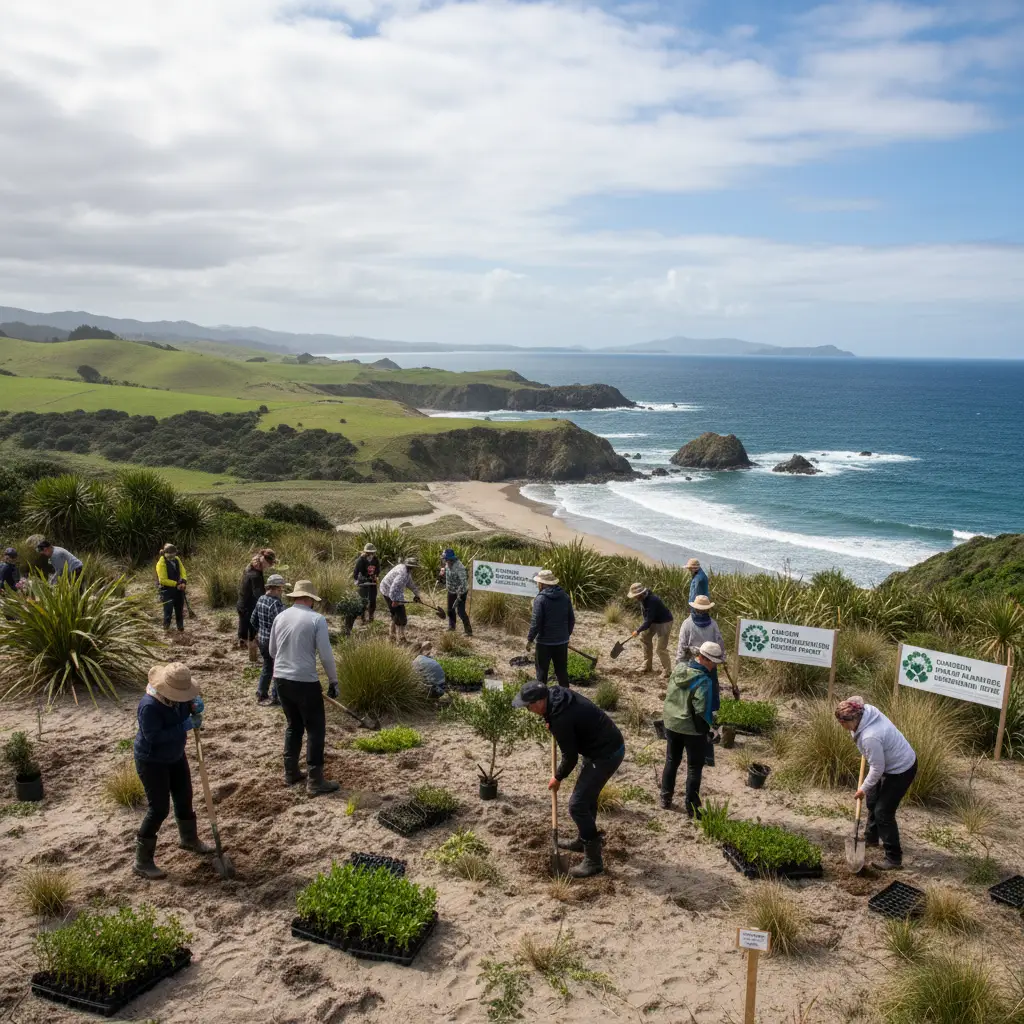
Unlike the NZ ETS, where units are traded on centralized platforms like the Carbon Match or via brokers, the voluntary market often operates through direct contracts or retail aggregators. A company might partner directly with a reforestation charity or use a platform like CarbonClick to integrate offsetting into their e-commerce checkout. Once a credit is purchased for the purpose of offsetting, it must be ‘retired’ on a public registry. Retirement is a critical step; it ensures the credit is canceled and cannot be traded again, preventing the double-counting of the emission reduction.
What is the future of voluntary carbon markets in NZ?
The future of voluntary carbon markets in NZ is being shaped by international negotiations, specifically Article 6 of the Paris Agreement. This article deals with how countries can trade carbon reductions and how to avoid ‘double claiming’—where both the host country and the private buyer claim the same carbon reduction toward their targets. The New Zealand government is currently working on frameworks to clarify how voluntary actions by businesses contribute to the national Net Zero 2050 goal.
We are also likely to see an increase in ‘Blue Carbon’ projects—carbon sequestered in coastal and marine ecosystems like salt marshes and seagrass meadows. Given New Zealand’s extensive coastline, this represents a significant untapped opportunity for the voluntary sector. Additionally, as the price of NZUs in the compliance market continues to rise and fluctuate, the voluntary market will become an increasingly important tool for companies to manage their climate transition risks and satisfy the growing demands of environmentally conscious stakeholders.
In summary, the voluntary carbon market in NZ is a dynamic and essential component of the country’s climate response. By providing a mechanism for private investment in native restoration and innovative climate projects, it complements the regulatory ETS and allows the New Zealand business community to lead the way toward a sustainable, low-carbon future.
People Also Ask
What is the difference between NZ ETS and voluntary carbon markets?
The NZ ETS is a mandatory government scheme for high-emitters, while voluntary markets are for organizations choosing to offset emissions for CSR or brand reasons. The ETS uses NZUs, whereas the voluntary market uses a variety of verified credits, often from native forest or international projects.
How much does a voluntary carbon credit cost in NZ?
Prices vary widely. International credits can be cheap ($5-$15), but high-quality New Zealand native forest credits often range from $50 to over $100 per tonne due to the associated biodiversity benefits and higher local costs.
Can I buy native forest carbon credits in NZ?
Yes, individuals and businesses can purchase native forest credits through providers like Ekos, Toitū Envirocare, and various reforestation projects. These credits support the restoration of indigenous New Zealand ecosystems.
Is Toitū certification recognized internationally?
Yes, Toitū Envirocare’s certifications are based on international ISO standards, making them highly respected and recognized both within New Zealand and globally for carbon footprint measurement and offsetting.
Why do NZ companies use voluntary carbon markets?
Companies use them to meet Net Zero targets, enhance brand reputation, satisfy consumer demand for sustainable products, and fulfill ESG requirements from investors and stakeholders.
How do I verify the quality of NZ carbon credits?
Look for credits verified by reputable standards like Toitū, Ekos, Gold Standard, or Verra. Ensure the credits are ‘retired’ on a public registry to prevent double-counting and confirm they meet the criteria of additionality and permanence.
About The Author
