Waste Minimisation Act NZ
The Waste Minimisation Act 2008 is New Zealand’s primary legislation governing waste reduction, recovery, and disposal. It establishes a legal framework for managing waste impacts, implementing regulated product stewardship schemes, and imposing levies on waste disposal facilities to fund sustainability initiatives and transition New Zealand toward a low-emissions circular economy.
Overview of the Waste Minimisation Act NZ
The Waste Minimisation Act 2008 (WMA) serves as the cornerstone of New Zealand’s environmental protection strategy regarding waste management. Enacted to encourage a reduction in the amount of waste generated and disposed of in New Zealand, the Act aims to lessen the environmental harm of waste and provide economic, social, and cultural benefits.
At its core, the Act is designed to move the country away from a linear “take-make-dispose” model. It provides the legislative authority for the government to collect data on waste, set standards, and fund infrastructure that supports recovery and recycling. While the Act was passed in 2008, it has gained renewed urgency in recent years due to New Zealand’s commitments under the Zero Carbon Act and the declaration of a climate emergency.
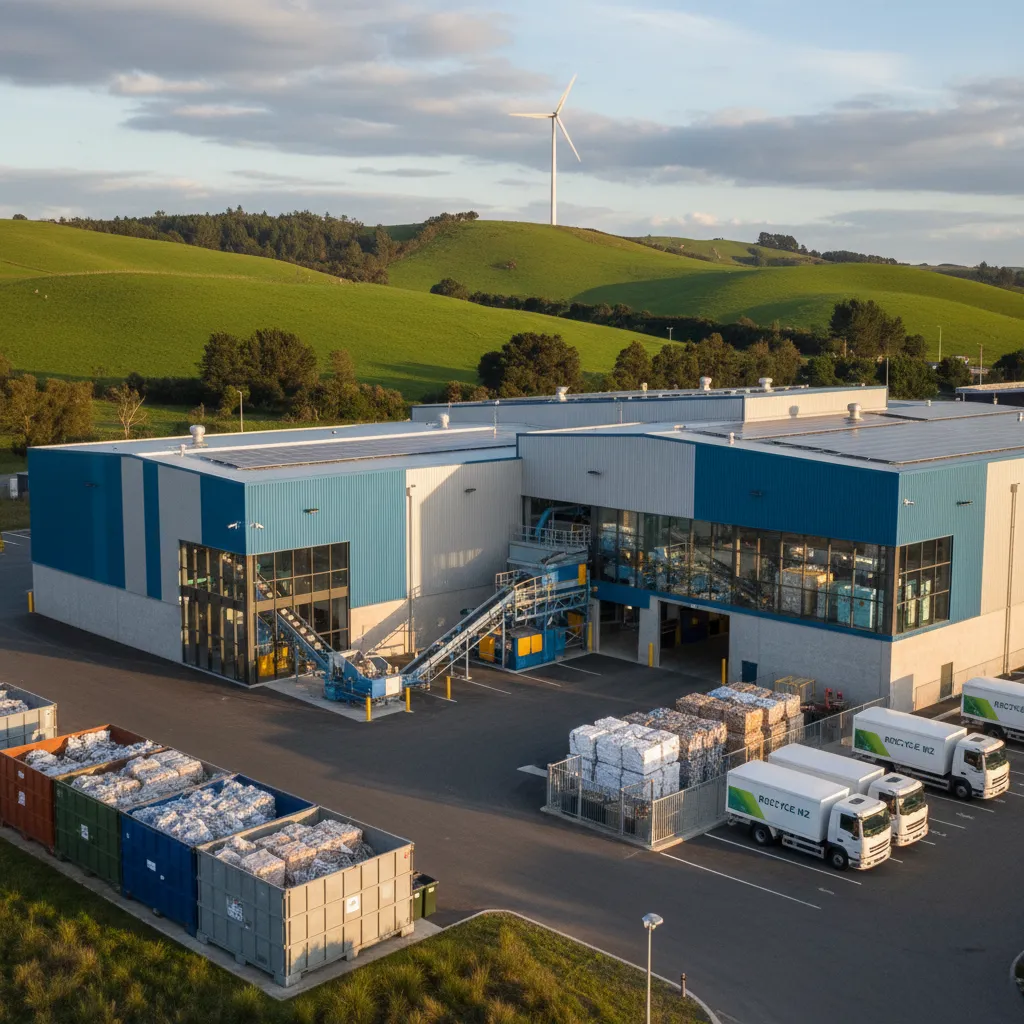
The Act is administered by the Ministry for the Environment (MfE) and focuses on two primary mechanisms to drive change: the imposition of a levy on waste disposed of at landfills and the promotion of product stewardship. These mechanisms ensure that the cost of waste disposal reflects the environmental externalities associated with it, thereby incentivizing waste reduction.
The Waste Disposal Levy: Cost and Expansion
One of the most significant components of the Waste Minimisation Act is the waste disposal levy. This is a mandatory charge applied to items deposited in landfills. The revenue generated from this levy is ring-fenced to fund waste minimisation projects, creating a self-sustaining ecosystem for environmental improvement.
How the Levy Works
Initially, the levy only applied to municipal landfills (Class 1) that accepted household waste. However, to accelerate waste diversion, the government has significantly expanded the levy’s scope and increased the rates over recent years. This expansion is critical because a substantial portion of New Zealand’s waste comes from construction and demolition, which was previously levied at lower rates or not at all.
The levy serves a dual purpose:
- Deterrence: By increasing the cost of dumping waste, businesses and individuals are financially motivated to reduce waste, reuse materials, or recycle.
- Funding: The money collected is reinvested into the sector. Half of the levy money goes to territorial authorities (city and district councils) based on population, while the other half goes into the Waste Minimisation Fund (WMF).
Current Levy Structure and Increases
The Act allows for the progressive increase of levy rates to match international best practices. As of the latest regulations, the levy has been expanded to cover:
- Class 1 Landfills (Municipal): These facilities accept household and commercial waste. They attract the highest levy rate per tonne.
- Class 2 Landfills (Construction & Demolition): These accept inert materials like concrete and rubble. The introduction of levies here targets the construction sector, which is a massive contributor to landfill volume.
- Class 3 and 4 Landfills (Managed and Controlled Fill): These sites accept earth and other inert materials. Bringing these into the levy scheme closes loopholes where waste was previously diverted to cheaper, less regulated sites.
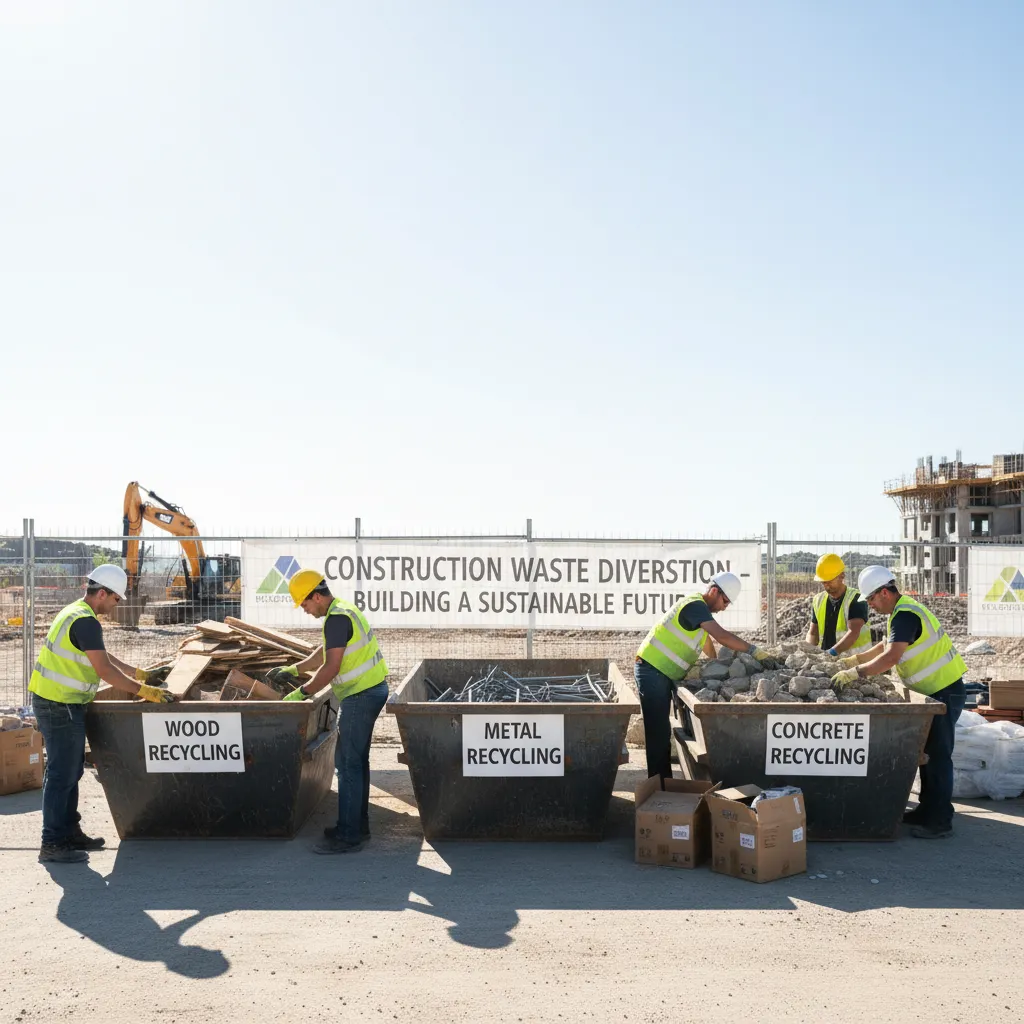
The strategic increase in these levies is designed to make recycling and recovery infrastructure financially viable. When the cost of dumping is low, recycling struggles to compete; as the levy rises, the economics of circular solutions improve.
Product Stewardship Schemes Explained
Product stewardship is the concept that producers, importers, brand owners, and retailers share responsibility for the environmental impact of their products throughout their lifecycle—including at the end of their useful life. The Waste Minimisation Act provides the framework for both voluntary and mandatory (regulated) product stewardship schemes.
Regulated Product Stewardship
While voluntary schemes have existed for years, the Act empowers the Government to declare “priority products.” Once a product is declared a priority, a product stewardship scheme becomes mandatory. This prevents “free-riding,” where some companies pay for recycling while competitors do not.
In 2020, the Government announced six priority product classes, signalling a major shift in enforcement:
- Tyres: End-of-life tyres are a major environmental hazard. The regulated scheme ensures fees collected at purchase fund proper recycling or disposal.
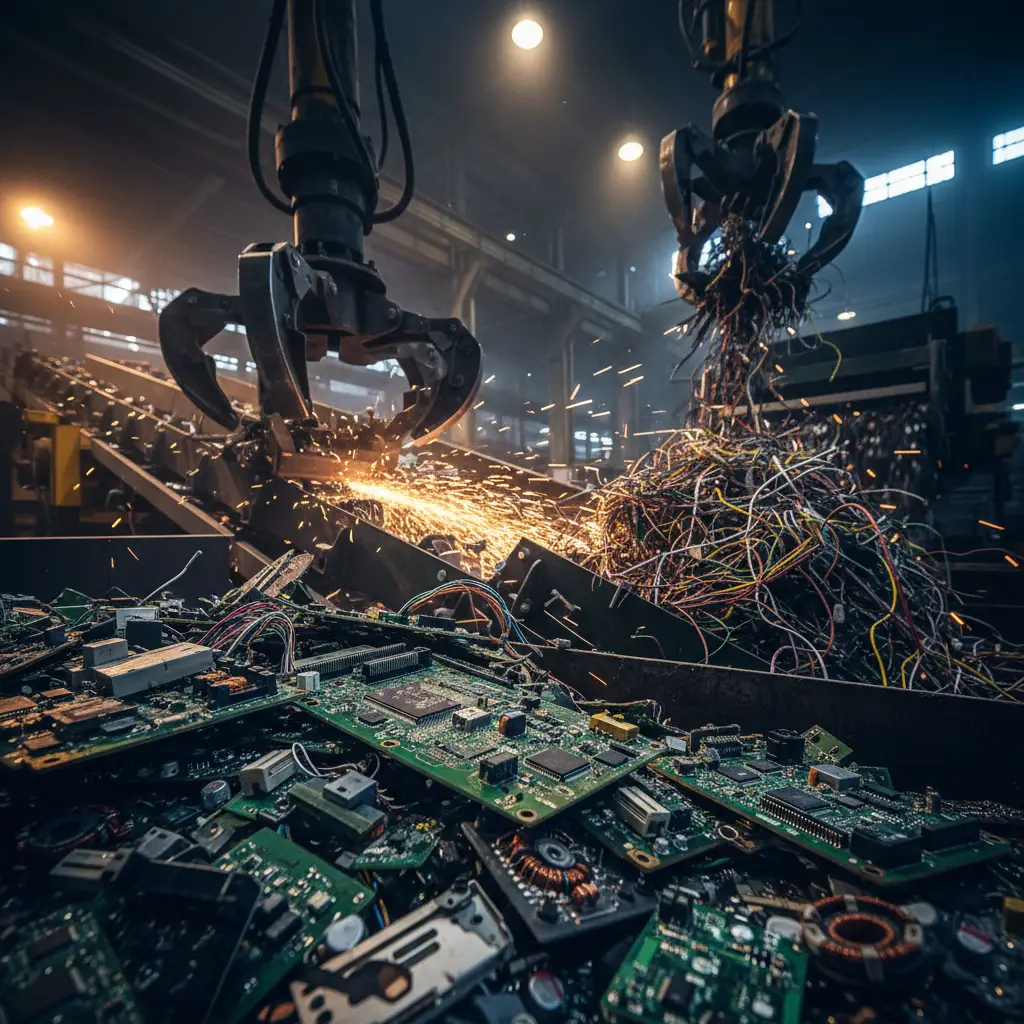
- Electrical and Electronic Products (e-waste): This includes everything from batteries to large appliances, preventing toxic heavy metals from leaching into soil.
- Agrichemicals and their containers: Critical for New Zealand’s agricultural sector to manage hazardous farm waste.
- Refrigerants: Managing these is crucial for the Zero Carbon Act, as refrigerants are potent greenhouse gases.
- Farm Plastics: Silage wrap and other plastics.
- Packaging: Specifically targeting beverage containers and single-use plastics.
Under these schemes, the cost of waste management is often internalized into the product price. This encourages manufacturers to design products that are easier to recycle or have a longer lifespan, a principle known as “Eco-design.”
Circular Economy Goals and Climate Policy
The Waste Minimisation Act does not operate in a vacuum. It is a critical tool for achieving New Zealand’s broader climate goals. Waste disposal, particularly organic waste in landfills, generates significant amounts of methane—a greenhouse gas roughly 25 times more potent than carbon dioxide over a 100-year period.
From Linear to Circular
The Act supports the transition to a Circular Economy. Unlike the linear economy (take, make, waste), a circular economy keeps resources in use for as long as possible, extracts the maximum value from them while in use, and then recovers and regenerates products and materials at the end of each service life.
Key Circular Economy Objectives supported by the Act:
- Designing out waste: Preventing waste from being created in the first place.
- Keeping products in use: Repair, reuse, and remanufacturing.
- Regenerating natural systems: Returning nutrients to the soil (e.g., composting) rather than burying them.
By reducing the volume of waste sent to landfills, the Act directly contributes to the emissions reduction targets set out in the Climate Change Response (Zero Carbon) Amendment Act. The Ministry for the Environment estimates that improved waste management could significantly reduce New Zealand’s biogenic methane emissions.
The Waste Minimisation Fund (WMF)
Revenue collected from the waste disposal levy is partially directed to the Waste Minimisation Fund (WMF). This fund acts as a catalyst for innovation and infrastructure development.
Who can apply?
Businesses, iwi, community groups, and educational institutions can apply for funding for projects that promote waste minimisation. The fund is competitive and looks for projects that can demonstrate scalability and significant diversion of waste from landfills.
Types of Projects Funded
Historically, the WMF has funded a diverse range of initiatives, including:
- Construction of material recovery facilities (MRFs).
- Composting plants to handle commercial food waste.
- Resource recovery centres that allow for the resale of construction timber.
- Education programs aimed at changing consumer behavior.

Compliance for Businesses and Local Councils
The Act imposes specific obligations on different stakeholders. Understanding these is vital for compliance and avoiding penalties.
Territorial Authorities (Councils)
Under the Act, territorial authorities must have a Waste Management and Minimisation Plan (WMMP). These plans must be reviewed every six years. Councils are required to use their share of the levy funding to implement these plans. This often involves curbside collection improvements, funding local recycling centres, and public education campaigns.
Businesses and Operators
For landfill operators, strict reporting requirements exist regarding the tonnage of waste entering their facilities. They must calculate and pay the levy monthly. Failure to report accurately or pay the levy constitutes an offense under the Act.
For general businesses, the primary impact comes through increased disposal costs (via the levy) and new obligations under regulated product stewardship schemes. For example, tyre importers must now register and pay stewardship fees. As more priority products are regulated, more industries will face direct compliance requirements.
The Future: New Zealand Waste Strategy
The Waste Minimisation Act is currently being reinforced by the new Aotearoa New Zealand Waste Strategy. This strategy provides the high-level direction that the Act helps to enforce. The government is also reviewing the legislation to potentially replace or significantly amend the 2008 Act to better align with modern circular economy principles.
Future legislative updates are expected to focus on:
- Right to Repair: Legislation that forces manufacturers to make goods repairable.
- Standardised Kerbside Collection: Ensuring consistency in recycling across all regions of New Zealand to reduce contamination.
- Mandatory Waste Data: Improving the quality of data to better track waste flows across the economy.
For businesses and investors, the trajectory is clear: the cost of waste disposal will continue to rise, and regulatory pressure to adopt circular business models will intensify. Early adoption of waste reduction strategies is no longer just an environmental choice but a financial necessity.
People Also Ask
What is the purpose of the Waste Minimisation Act 2008?
The purpose of the Act is to encourage a reduction in the amount of waste generated and disposed of in New Zealand. It aims to reduce the environmental harm of waste and maximize economic, social, and cultural benefits by enforcing levies and promoting product stewardship.
How much is the waste disposal levy in NZ?
The levy rates vary by landfill class and are subject to annual increases. As of the latest schedule, Class 1 municipal landfills have the highest rate (approx. $60 per tonne as of mid-2024, aiming for higher targets), while Class 2 (construction) and Class 3/4 (managed fill) have lower, tiered rates to encourage diversion.
What are the priority products under the Waste Minimisation Act?
The government has declared six priority product groups for regulated stewardship: tyres, electrical and electronic products (e-waste), agrichemicals and their containers, refrigerants, farm plastics, and packaging (beverage containers and single-use plastics).
Who pays the waste levy in New Zealand?
The levy is technically paid by the landfill operator to the government. However, this cost is passed on to waste producers—meaning households, businesses, and building contractors pay the levy through their waste disposal fees at the gate or in their bin hire costs.
What is the Waste Minimisation Fund?
The Waste Minimisation Fund (WMF) is a government funding pool derived from the waste disposal levy. It provides grants to projects that promote waste minimisation, such as recycling infrastructure, resource recovery centres, and waste reduction technology.
Does the Waste Minimisation Act cover recycling?
Yes, while the Act imposes levies on disposal, its primary goal is to fund and facilitate recycling and recovery. It provides the legal framework for product stewardship schemes that ensure products are recycled at the end of their life rather than sent to landfill.
About The Author
