Zero-Carbon Materials Cost-Benefit
Zero-carbon materials cost refers to the financial investment required for building products with minimal embodied carbon. In New Zealand, this typically involves a 5-15% initial capital expenditure premium. However, these costs are offset by long-term operational savings, reduced carbon liabilities under the Emissions Trading Scheme, and enhanced asset value within the evolving climate compliance framework.
What is the Initial CAPEX Premium for Zero-Carbon Materials?
The transition toward a net-zero built environment in New Zealand is no longer a peripheral environmental goal; it is a core economic necessity. When developers and builders evaluate the zero-carbon materials cost, the primary focus often lands on the initial Capital Expenditure (CAPEX). Currently, choosing materials with low embodied carbon—such as green concrete, recycled steel, or engineered timber—frequently carries a price premium ranging from 5% to 15% compared to traditional carbon-intensive alternatives.
This premium is driven by several factors. First, the supply chains for innovative materials are still scaling. In New Zealand, while local production of mass timber is robust, high-performance low-carbon cements and green steel often require specialized manufacturing processes or international sourcing. Second, the regulatory landscape, specifically the Ministry of Business, Innovation and Employment (MBIE) “Building for Climate Change” programme, is mandating stricter reporting, which adds administrative overhead to project planning.
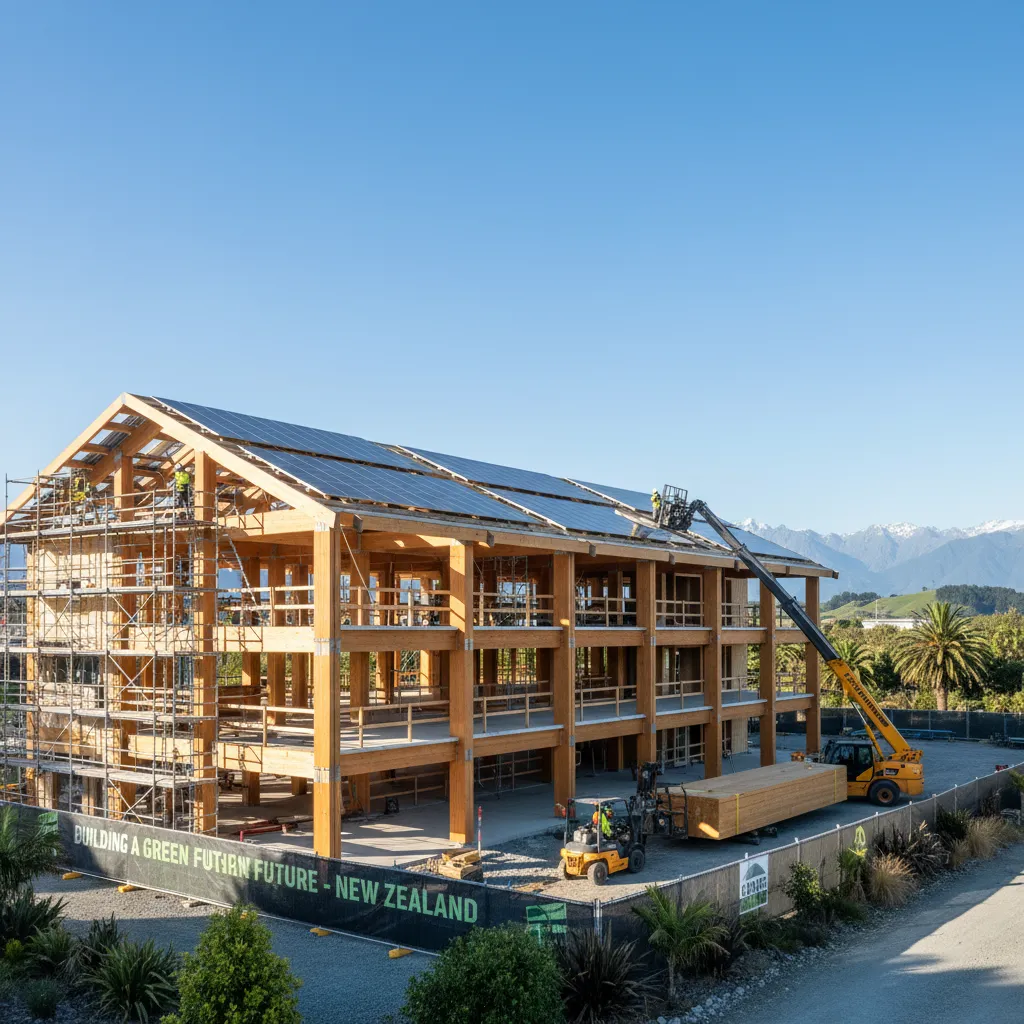
However, focusing solely on the upfront cost provides an incomplete picture. As the New Zealand Emissions Trading Scheme (NZ ETS) continues to drive up the price of carbon, the cost of traditional materials like standard Portland cement and virgin steel is expected to rise. Consequently, the “green premium” is narrowing. Forward-thinking developers are now viewing this additional CAPEX as an insurance policy against future carbon taxes and regulatory obsolescence.
Comparing Low-Carbon Concrete and Steel in the NZ Market
Concrete and steel are the dual pillars of modern construction, yet they are also the largest contributors to embodied carbon. In the New Zealand context, the choice between low-carbon versions of these materials involves a complex trade-off between structural requirements, availability, and cost.
Innovations in Low-Carbon Concrete
Low-carbon concrete is achieved by replacing a portion of traditional Portland cement with Supplementary Cementitious Materials (SCMs) like fly ash, ground granulated blast furnace slag (GGBS), or volcanic ash. In NZ, companies like Firth and Allied Concrete are increasingly offering mixes that reduce carbon footprints by 30% to 50%.
From a cost perspective, the price of low-carbon concrete is relatively competitive. The primary cost-benefit challenge is not the material price itself, but the curing time. Some high-SCM mixes take longer to reach full structural strength, potentially extending the construction schedule. However, when lifecycle carbon credits and the reduction in carbon-intensive additives are factored in, the total project value often remains stable.

The Economics of Green Steel
Green steel, produced via Electric Arc Furnaces (EAF) powered by renewable energy or hydrogen reduction, is the gold standard for low-carbon heavy construction. In New Zealand, where the energy grid is highly renewable, the potential for low-carbon steel is significant. The cost of green steel is currently higher than traditional blast-furnace steel due to the energy costs associated with hydrogen production and the capital investment required for new furnace technology.
Despite the higher per-tonne price, green steel offers a superior strength-to-weight ratio in many applications, allowing for less material to be used overall. This “dematerialization” is a critical component of the zero-carbon materials cost strategy, as it reduces both the carbon footprint and the volume of material that must be purchased and transported.
Timber Construction vs. Traditional Methods: A Cost Analysis
New Zealand is uniquely positioned to lead in timber construction due to its vast Radiata Pine plantations and sophisticated processing facilities. Mass timber, including Cross-Laminated Timber (CLT) and Laminated Veneer Lumber (LVL), is the primary competitor to traditional steel and concrete frames.
When comparing the zero-carbon materials cost of timber versus traditional methods, the benefits extend beyond the material price. Timber is significantly lighter than concrete, which can lead to substantial savings in foundation costs—often reducing the required volume of concrete by up to 20%. Furthermore, timber components are typically prefabricated off-site, leading to a 20-30% faster assembly time on-site.
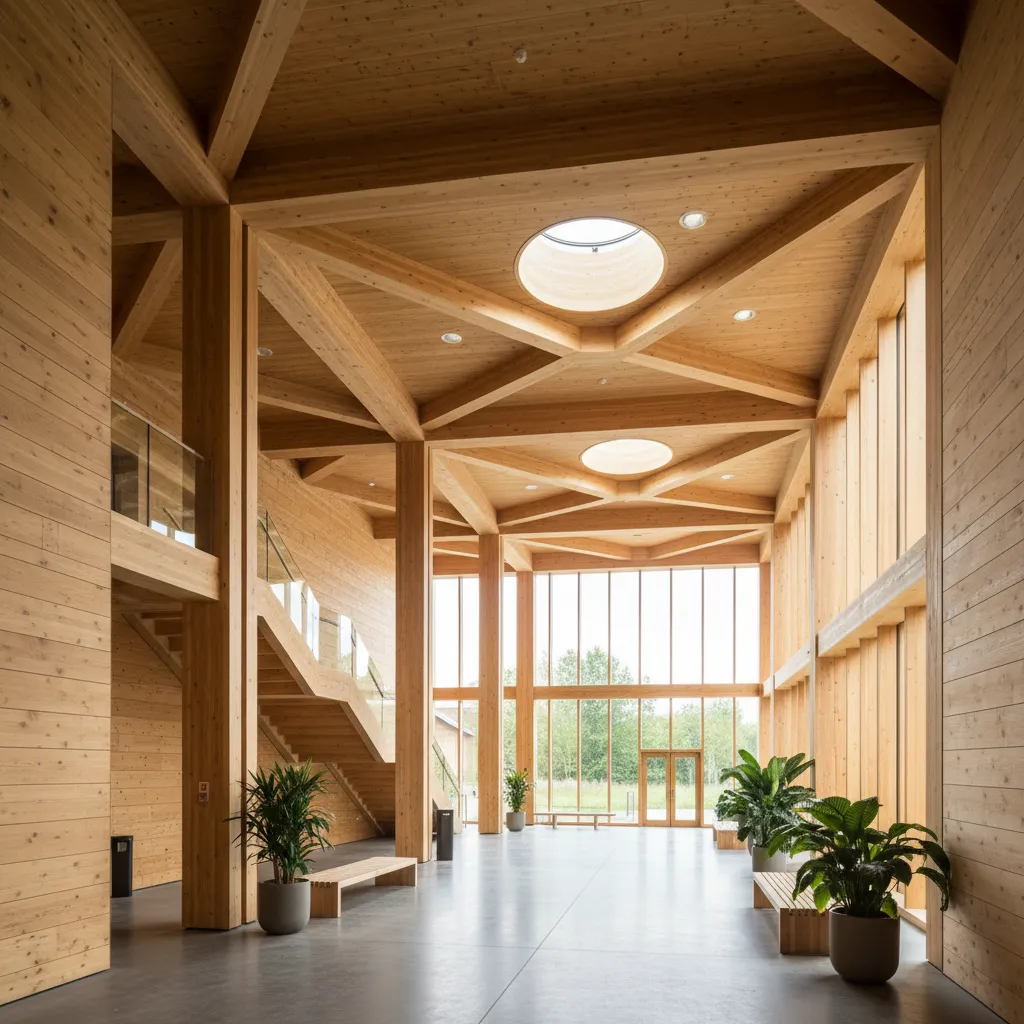
The sequestration properties of wood are also an economic asset. Timber acts as a carbon sink, locking away CO2 for the life of the building. As NZ climate compliance begins to recognize biogenic carbon storage in building codes, timber-based projects may soon qualify for carbon offsets or more favorable financing terms through green bonds and sustainability-linked loans.
Long-Term Operational Savings and Lifecycle Value
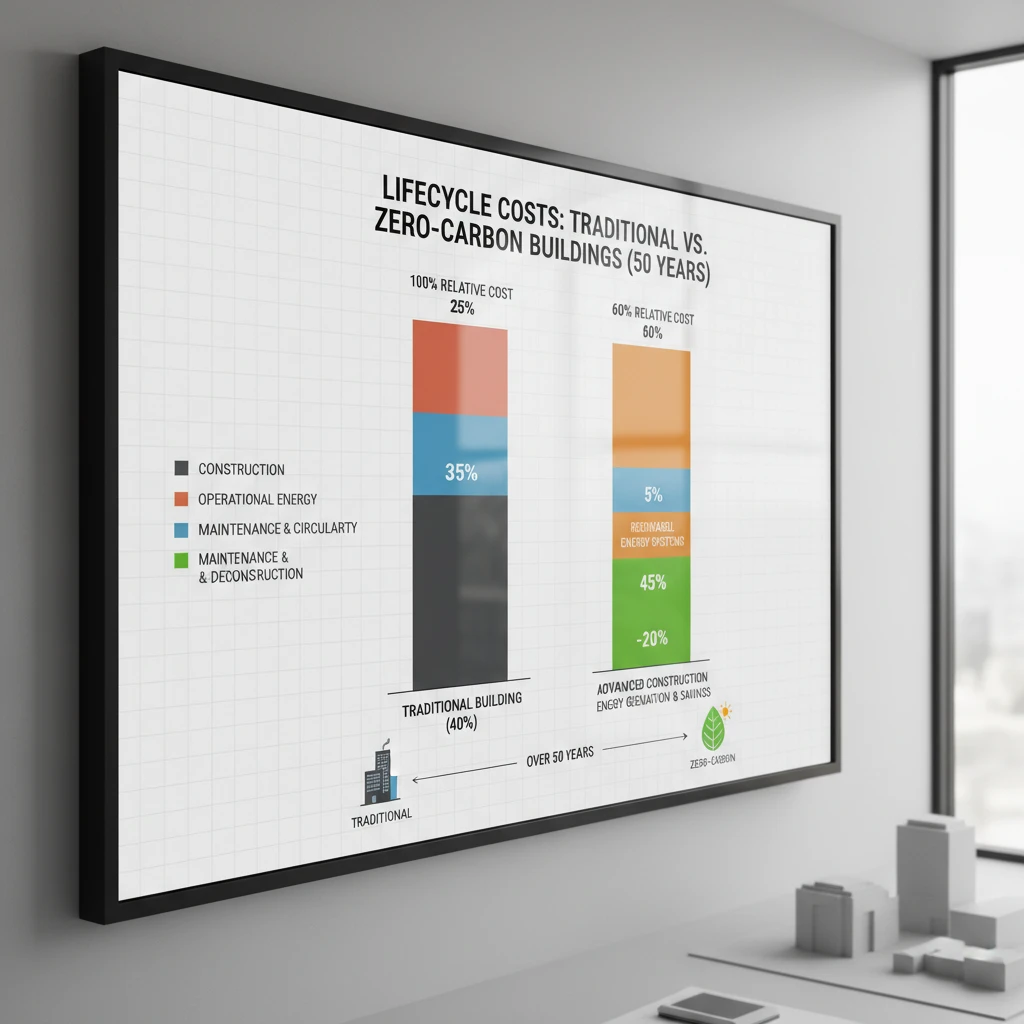
The true value proposition of zero-carbon materials is realized over the 50-to-100-year lifespan of a building. Low-carbon materials often possess superior thermal properties, contributing to a high-performance building envelope that reduces the need for active heating and cooling.
Energy Efficiency and Thermal Mass
High-performance insulation, low-emissivity glazing, and specialized low-carbon concrete with high thermal mass help regulate indoor temperatures naturally. In New Zealand’s varied climate, this can result in operational energy savings of 40% or more. Over a decade, these savings can completely recoup the initial CAPEX premium paid for the materials.
Lifecycle Maintenance and Durability
Zero-carbon materials are often engineered for higher durability. For instance, modified timbers (like Accoya) or high-performance green concretes are designed to resist rot and corrosion more effectively than their cheaper counterparts. This reduces the frequency of repairs and replacements, further lowering the Total Cost of Ownership (TCO). In the context of NZ’s coastal environments, where salt spray can accelerate degradation, the investment in high-quality, durable zero-carbon materials is a pragmatic financial decision.
Future-Proofing Assets Against Climate Compliance
New Zealand’s regulatory environment is tightening. The MBIE’s “Whole-of-Life Embodied Carbon” framework will soon require all new buildings to report and eventually limit their embodied carbon. Projects that ignore these trends today risk becoming “stranded assets”—buildings that are expensive to operate, difficult to insure, and less attractive to institutional tenants who have their own net-zero mandates.
Institutional investors and lenders are already prioritizing “Green Star” or “NABERSNZ” rated buildings. These certifications often lead to lower interest rates on construction loans and higher resale values. By investing in the zero-carbon materials cost now, developers are effectively de-risking their portfolios against future legislative changes and market shifts toward sustainability.
The Bottom Line on Zero-Carbon Investment
While the initial cost of zero-carbon materials in the New Zealand market remains slightly higher than traditional options, the gap is closing rapidly. When the analysis shifts from simple procurement costs to a holistic view—including foundation savings, speed of construction, energy efficiency, and regulatory compliance—zero-carbon materials often emerge as the more economically viable choice.
As the NZ construction sector matures, economies of scale will further drive down the price of these materials. For now, the cost-benefit analysis clearly favors those who look beyond the initial invoice and consider the long-term economic resilience of their assets in a carbon-constrained world.
Are zero-carbon materials more expensive in NZ?
Initially, yes. Most zero-carbon materials carry a 5-15% premium due to current supply chain scales and specialized manufacturing. However, these costs are often offset by faster construction times and lower foundation requirements.
How does timber construction reduce carbon costs?
Timber reduces costs by being lighter than concrete (saving on foundations), allowing for off-site prefabrication (saving on labor), and sequestering carbon, which helps meet NZ climate compliance targets.
What is the NZ Building for Climate Change program?
It is an MBIE initiative designed to reduce emissions from the building and construction sector. It includes frameworks for mandatory reporting of embodied carbon and setting limits on carbon intensity for new builds.
Can low-carbon concrete save money?
While the material itself may be slightly more expensive, low-carbon concrete can save money through improved durability and thermal mass, which reduces long-term operational energy bills.
What is the ROI on green buildings in NZ?
The ROI is typically seen through 30-40% lower energy costs, higher tenant retention, and increased asset value. Many green buildings also qualify for lower-interest “green loans” from major NZ banks.
How does the ETS affect construction costs?
The Emissions Trading Scheme increases the price of carbon-intensive materials like traditional cement and steel. As carbon prices rise, zero-carbon materials become more cost-competitive by comparison.
About The Author
