Permanent Forest Category NZ ETS
The Permanent Forest Category in the NZ ETS is a specific classification for post-1989 forest land committed to remaining in forest cover for at least 50 years. Participants earn New Zealand Units (NZUs) for carbon sequestration using the stock change accounting method, prohibiting clear-fell harvesting while allowing limited, low-intensity timber extraction under strict continuous cover principles.
What is the Permanent Forest Category in the NZ ETS?
The New Zealand Emissions Trading Scheme (NZ ETS) has evolved significantly to address the nation’s climate change commitments. One of the most critical developments for landowners, investors, and forestry managers is the introduction of the Permanent Forest Category. This category replaced the former “permanent post-1989” activity, formalizing a long-term commitment to carbon sequestration over timber production.
Unlike the standard forestry category, which often utilizes “averaging accounting” and assumes a cycle of harvest and replanting, the Permanent Forest Category is designed for forests that will remain established for decades. It is a mechanism intended to incentivize the establishment and protection of forest sinks that store carbon for the long haul.
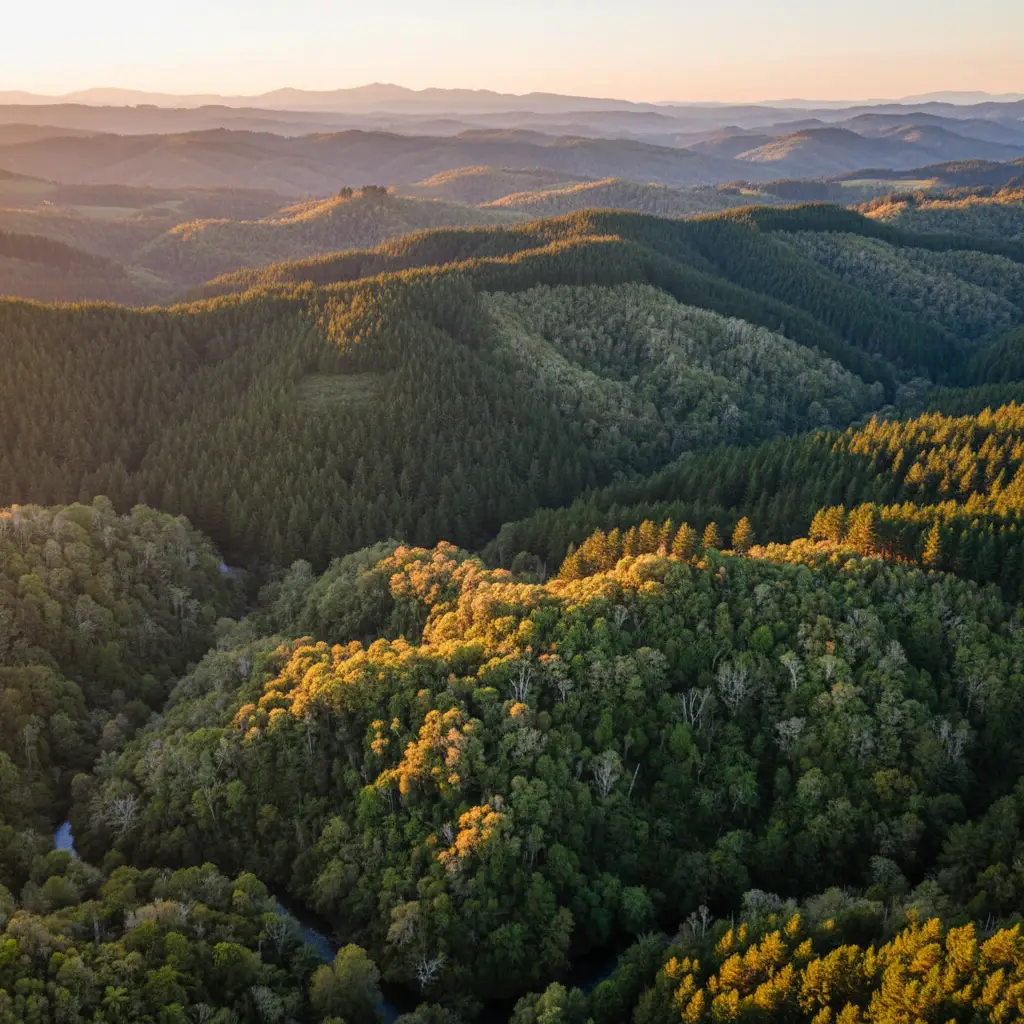
The primary appeal of this category lies in the accounting method used: Stock Change Accounting. Under this method, participants earn New Zealand Units (NZUs) for every tonne of carbon the forest sequesters as it grows, until it reaches a steady state. This differs from production forests under averaging, which only earn credits up to the long-term average carbon stock of the forest over multiple rotations. For a permanent forest, the earning window is significantly longer, potentially offering a higher cumulative return on carbon credits, provided the forest remains standing.
However, entry into this category is not merely a box-ticking exercise; it involves a binding 50-year covenant. This legal obligation remains attached to the land title, meaning that even if the property is sold, the new owners inherit the obligation to maintain the forest cover. This ensures that the carbon benefits claimed are durable and real.
Transitioning from ‘Forest Sink’ to ‘Permanent’
Many landowners currently registered in the NZ ETS under the standard post-1989 forestry activity are evaluating the benefits of transitioning to the Permanent Forest Category. This transition is not automatic and requires a deliberate application process with the Ministry for Primary Industries (MPI).
Eligibility Criteria
To transition or enter the Permanent Forest Category, the forest land must meet the standard definition of post-1989 forest land. Furthermore, the participant must demonstrate the ability to maintain the forest for the requisite 50-year period. This includes having a forest management plan that addresses risks such as fire, pests, and disease.
For existing participants, the deadline to switch from the standard category to the permanent category without facing unit surrender penalties is a critical consideration. If a forest was registered under the “stock change” method previously, the transition is generally smoother. However, forests registered under “averaging accounting” face a more complex calculation to ensure that the units allocated align with the actual carbon stock on the land.

The 50-Year Reset
It is vital to understand that entering the Permanent Forest Category starts a new 50-year clock. If you have a forest that is already 10 years old and you move it into the Permanent category, you are committing to a new 50-year period from the date of entry, not just the remaining 40 years of a hypothetical cycle. This “reset” ensures that the government secures long-term sequestration guarantees in exchange for the favorable stock change accounting treatment.
Harvesting Restrictions in Permanent Forests
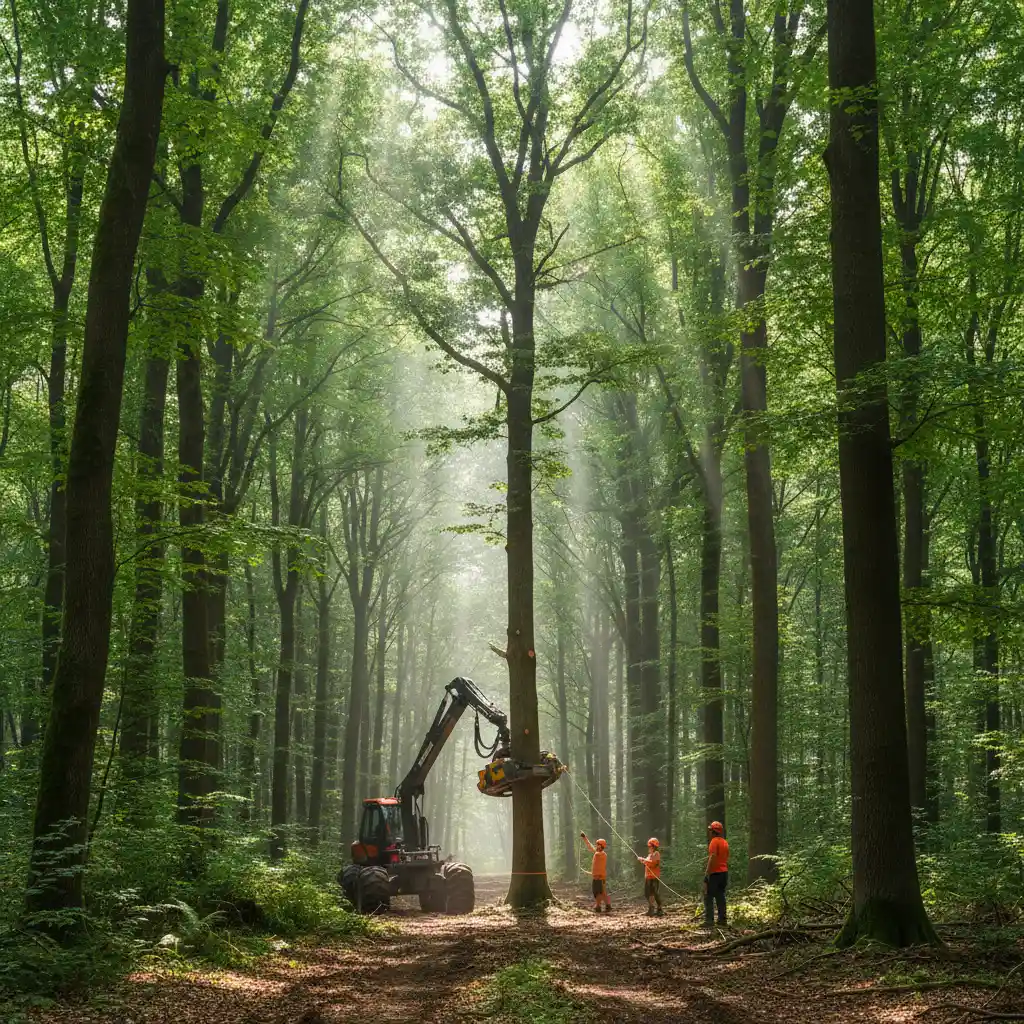
A common misconception is that “permanent” means “no cutting ever.” While clear-fell harvesting is strictly prohibited, the legislation does allow for Continuous Cover Forestry (CCF). This approach allows for limited harvesting, provided the forest canopy remains largely intact.
What is Prohibited?
Clear-felling—the wholesale removal of trees from a site—is banned. If a participant clear-fells a permanent forest, they face severe penalties. These penalties include the mandatory surrender of NZUs equivalent to the carbon loss, plus potential fines for breaching the permanent forest covenant. The system is designed to make clear-felling economically unviable within this category.
What is Allowed?
Limited harvesting is permitted to allow for forest management, disease control, or small-scale timber extraction. The general rule is that you cannot remove more than a specific percentage of the basal area or canopy cover within a set period. Specifically, the regulations generally allow for low-intensity harvesting where:
- Canopy cover is maintained at a minimum threshold (typically over 30% per hectare).
- Harvesting does not create large clearings.
- The forest retains its character as a forest throughout the operation.
This flexibility is crucial for landowners who wish to transition exotic plantations to native forests over time. By selectively harvesting pine trees to create light wells for native understory regeneration, landowners can facilitate a succession process while remaining compliant with the Permanent Forest Category rules.
Long-Term Carbon Earning Potential
The financial engine of the Permanent Forest Category is the ability to earn NZUs via the Stock Change Accounting method. This contrasts sharply with the Averaging Accounting method used for standard production forests.
Stock Change vs. Averaging
Under Averaging, a production forest earns credits only until it reaches the average carbon storage of its rotation cycles (typically around age 16-18 for Pinus radiata). Once it hits that average, it stops earning units, but crucially, the owner doesn’t have to pay units back upon harvest (provided they replant). This is a “safe” low-liability model.
In the Permanent Forest Category, the forest earns units for as long as it is sequestering carbon. For Pinus radiata, this could mean earning credits for 50+ years before the growth curve plateaus. For native species, which grow slower but live longer, the earning potential can extend for centuries.
The Compounding Value of NZUs
For investors, the Permanent Category offers a high-volume asset class. A hectare of permanent pine might sequester 800-1000+ tonnes of CO2 over several decades. Multiplied by the spot price of NZUs, the capital value generation is substantial. However, this comes with the liability of maintaining that carbon. If the forest burns down or is destroyed by windthrow, the participant is liable to surrender units for the lost carbon. While there are mechanisms for “adverse events” (pausing liability if you replant), the loss of income and the cost of re-establishment are significant risks.
Legal Covenants and Land Use Restrictions
Entering the Permanent Forest Category places a restrictive covenant on the land title. This is a serious legal instrument that binds current and future landowners. It is not a contract that can be easily broken.
Buying and Selling Permanent Forest Land
Real estate agents and conveyancers are becoming increasingly aware of the implications of this category. If you sell land registered in the Permanent Forest Category:
- The buyer automatically assumes the 50-year obligation.
- The buyer assumes any potential liabilities for carbon loss.
- The value of the land is inextricably linked to the carbon price and the forest’s health.
This can affect land value. For buyers looking for passive income, it is a premium asset. For buyers wanting to convert land to farming or subdivision, the land is effectively “locked,” reducing its versatility and potential market value for those specific uses.
Exiting the Category
Voluntarily removing land from the Permanent Forest Category before the 50-year term expires is difficult and expensive. It generally requires the surrender of all units earned for that land, plus a penalty. The government has structured this to prevent “gaming” the system where people enter for short-term gains and exit when convenient.

The Exotic vs. Indigenous Debate
One of the most contentious aspects of the Permanent Forest Category is the treatment of exotic species, particularly Pinus radiata. There has been significant policy debate regarding whether permanent exotic forests should be restricted.
The concern is that high carbon prices might incentivize the carpeting of productive farmland with permanent pine forests that are never harvested (
About The Author
