Buying Carbon Offsets NZ
What Does It Mean to Buy Carbon Offsets in NZ?
Buying carbon offsets in New Zealand involves purchasing verified credits that fund projects designed to remove or reduce greenhouse gas emissions, such as native forest regeneration or renewable energy initiatives. By acquiring these credits through certified providers, individuals and businesses can compensate for their unavoidable carbon footprint and contribute to the country’s Zero Carbon Act goals.
As New Zealand accelerates toward its legislative target of net-zero emissions by 2050, the demand for high-integrity carbon credits has surged. Whether you are a corporate entity managing compliance obligations under the Emissions Trading Scheme (ETS) or a small business aiming for voluntary carbon neutrality, understanding the mechanics of the local market is essential. This guide covers the landscape of New Zealand carbon offsetting, from selecting certified providers to understanding the nuances of forestry and energy projects.
Understanding the NZ Carbon Market: Compliance vs. Voluntary
Before you buy carbon offsets in NZ, it is critical to distinguish between the two primary markets operating within the country: the New Zealand Emissions Trading Scheme (NZ ETS) and the Voluntary Carbon Market (VCM).
The New Zealand Emissions Trading Scheme (NZ ETS)
The NZ ETS is the government’s primary tool for meeting domestic and international climate change targets. It is a compliance market. If your business operates in specific sectors (such as fuel supply, forestry, or waste management) and meets certain thresholds, you are legally required to acquire and surrender New Zealand Units (NZUs) to the government.
One NZU represents one metric tonne of carbon dioxide equivalent (CO2e). While individuals can purchase NZUs as an investment or to voluntarily retire them (taking them out of circulation to benefit the environment), this market is primarily regulatory.
The Voluntary Carbon Market (VCM)
Most businesses and individuals looking to “buy carbon offsets” are engaging in the Voluntary Carbon Market. Here, you purchase credits to offset your lifestyle or business operations simply because you want to take climate action. These credits often support specific projects, such as:
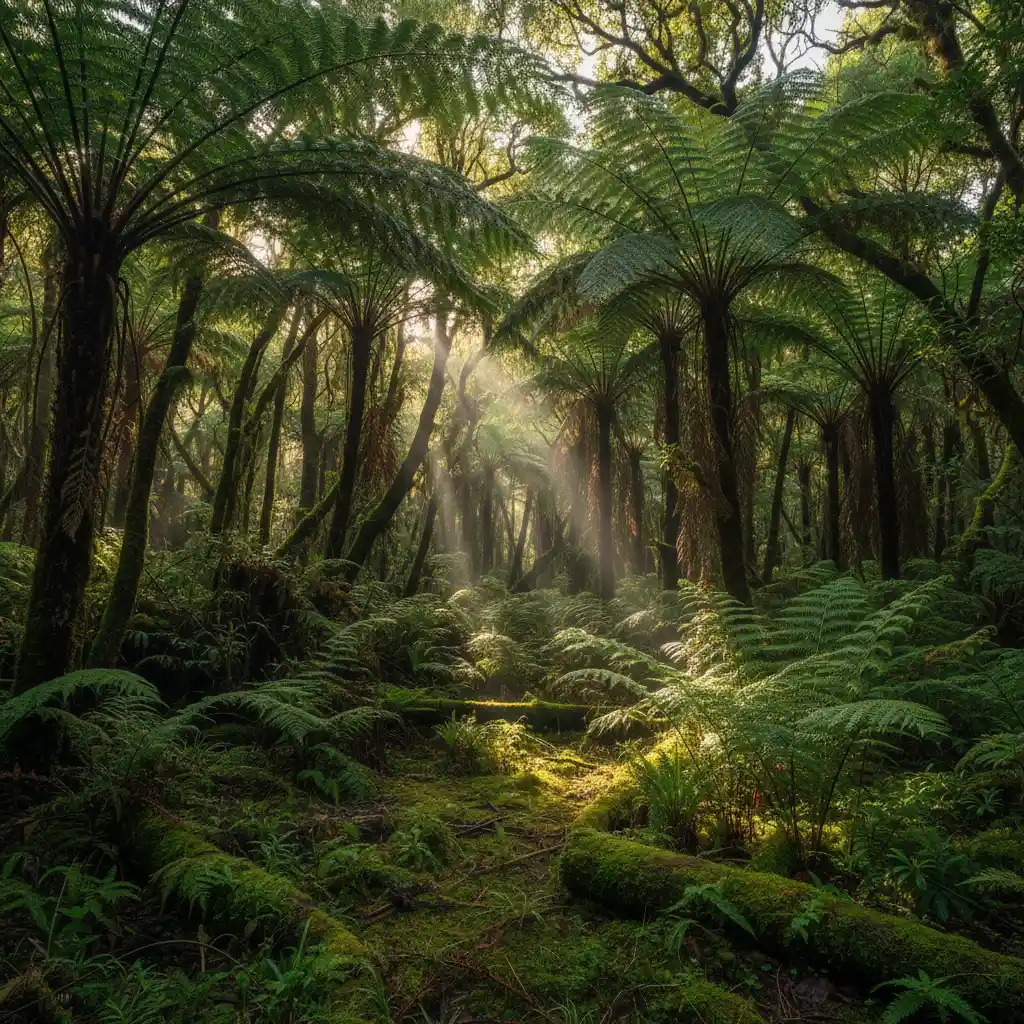
- Native Bush Regeneration: Restoring biodiversity while capturing carbon.
- Sustainable Energy: Funding wind or solar projects (though less common for domestic offsets compared to forestry).
- Community Initiatives: Projects that provide social co-benefits alongside carbon reduction.
Certified Offset Providers in New Zealand
To ensure integrity, you must purchase from reputable providers. The New Zealand market has several established organizations that verify, measure, and facilitate the purchase of carbon credits. Purchasing from unverified sources risks “double counting” or funding projects that would have happened anyway.
Toitū Envirocare
Toitū is perhaps the most recognized certification body in New Zealand. A subsidiary of Manaaki Whenua – Landcare Research (a Crown Research Institute), Toitū offers science-based certification programs.
Why choose them? They offer the “Toitū net carbonzero” certification. When you buy offsets through Toitū, you are typically purchasing credits that meet strict international standards, often sourced from international Gold Standard projects or high-quality NZ native forest projects.
Ekos
Ekos is a non-profit enterprise that focuses heavily on indigenous forestry and community resilience. They are leaders in carbon farming that supports local landowners.
Why choose them? If your priority is supporting New Zealand native forests and ensuring biodiversity co-benefits, Ekos is a prime choice. They offer a supply chain of carbon credits sourced from projects like the Rarakau Rainforest Carbon Project.
CarbonClick
CarbonClick is a New Zealand tech company that has simplified the offsetting process for e-commerce and individuals. They provide a transparent platform where you can see exactly where your contribution goes.
Why choose them? Their “Track and Trace” feature allows buyers to see the specific retirement certificates for their offsets. They split contributions between local flagship projects (like Banks Peninsula native regeneration) and high-impact international projects.

Project Types: Forestry and Energy
When you buy carbon offsets in NZ, you are funding a specific activity. Understanding the difference between project types is vital for aligning your purchase with your values.
Native Forestry vs. Exotic Forestry
In New Zealand, forestry is the dominant source of carbon credits. However, not all forests are created equal.
- Native Regeneration: These projects involve protecting and growing indigenous species (Manuka, Totara, Rimu). These credits usually command a premium price because they offer permanence, biodiversity enhancement, and erosion control. They are highly favored for their environmental integrity.
- Exotic (Pine) Plantations: Pinus radiata grows fast and absorbs carbon quickly. While these credits are often cheaper, there is significant public and policy debate regarding “permanent pine” forests due to potential ecological monocultures and fire risks.
Renewable Energy Projects
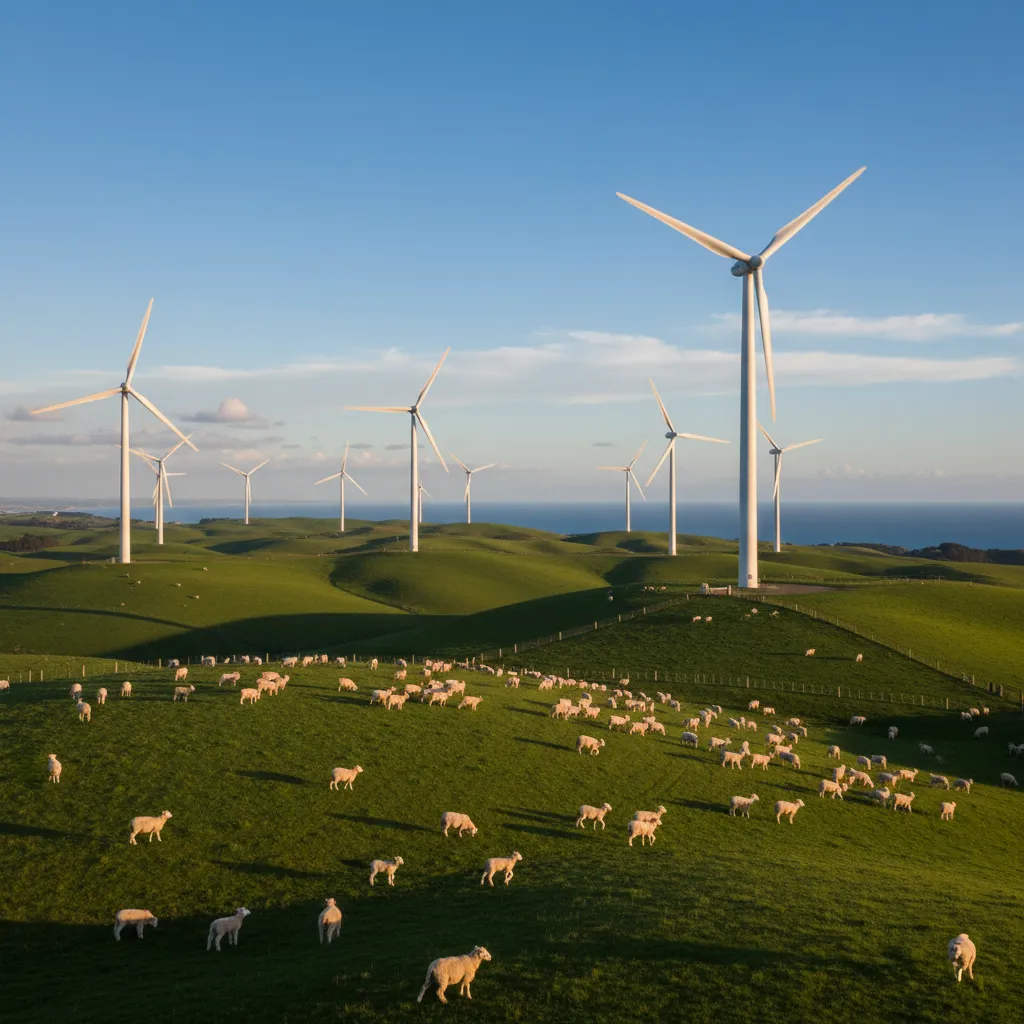
While New Zealand’s grid is already highly renewable (hydro, geothermal), offset funds sometimes support new wind or solar developments. However, many voluntary offsets purchased in NZ actually fund energy projects in developing nations (e.g., solar cookstoves in India or wind farms in Southeast Asia). This is because the cost to reduce a tonne of carbon in developing economies is lower, and the social impact can be higher.
Calculating Your Offset Needs
You cannot effectively manage what you do not measure. Before purchasing credits, you must calculate your carbon footprint accurately.
Understanding Scopes 1, 2, and 3
To align with international standards and the NZ Zero Carbon framework, emissions are categorized into three scopes:
- Scope 1 (Direct Emissions): Emissions from sources you own or control. For a NZ business, this includes the petrol in your fleet vehicles or gas used for heating.
- Scope 2 (Indirect Energy Emissions): Emissions associated with the generation of electricity you consume. Even though NZ has a green grid, it is not 100% carbon-free.
- Scope 3 (Value Chain Emissions): This is usually the largest category. It includes business travel (Air New Zealand flights), employee commuting, waste disposal, and the embodied carbon in the goods you buy.
Using a Carbon Calculator
Most certified providers (Toitū, Ekos) offer free calculators. For a robust assessment, you will need data on:
- Annual electricity usage (kWh).
- Fuel consumption (litres of petrol/diesel).
- Air travel distances (km, distinguished by domestic vs. international).
- Waste tonnage.
Verification and Avoiding Greenwashing
The term “greenwashing” refers to making misleading claims about environmental benefits. In the carbon market, this often manifests as buying “junk credits”—credits from projects that don’t actually reduce emissions or aren’t permanent.
What is the Gold Standard?
The Gold Standard is a globally recognized certification mark for non-governmental emission reduction projects. If you are buying international credits through a NZ provider, look for the Gold Standard logo. It ensures the project contributes to at least three UN Sustainable Development Goals.
Permanent vs. Temporary
For New Zealand forestry, verification ensures permanence. If a forest is burned down or harvested, the carbon is released. Credible providers maintain a “buffer” of credits—an insurance pool—to cover such reversals. When you buy carbon offsets in NZ, ensure the provider has a buffer policy in place.
How to Buy Carbon Offsets: A Step-by-Step Guide
Ready to transact? Follow this streamlined process to purchase your offsets.
Step 1: Measure Your Footprint
Gather your utility bills and travel logs. Use a calculator from Toitū or CarbonClick to determine your total tonnage of CO2e.
Step 2: Reduce First
The golden rule of sustainability is Reduce, then Offset. Before spending money on credits, identify areas to cut emissions. Switch to LED lighting, move the fleet to EVs, or reduce air travel. Offsetting should only cover the unavoidable emissions.
Step 3: Select a Project Type
Decide on your budget and values.
Budget-conscious? You might choose international renewable energy credits.
Eco-conscious? You will likely choose NZ native forest regeneration, which costs more per tonne but supports local biodiversity.
Step 4: Purchase and Retire
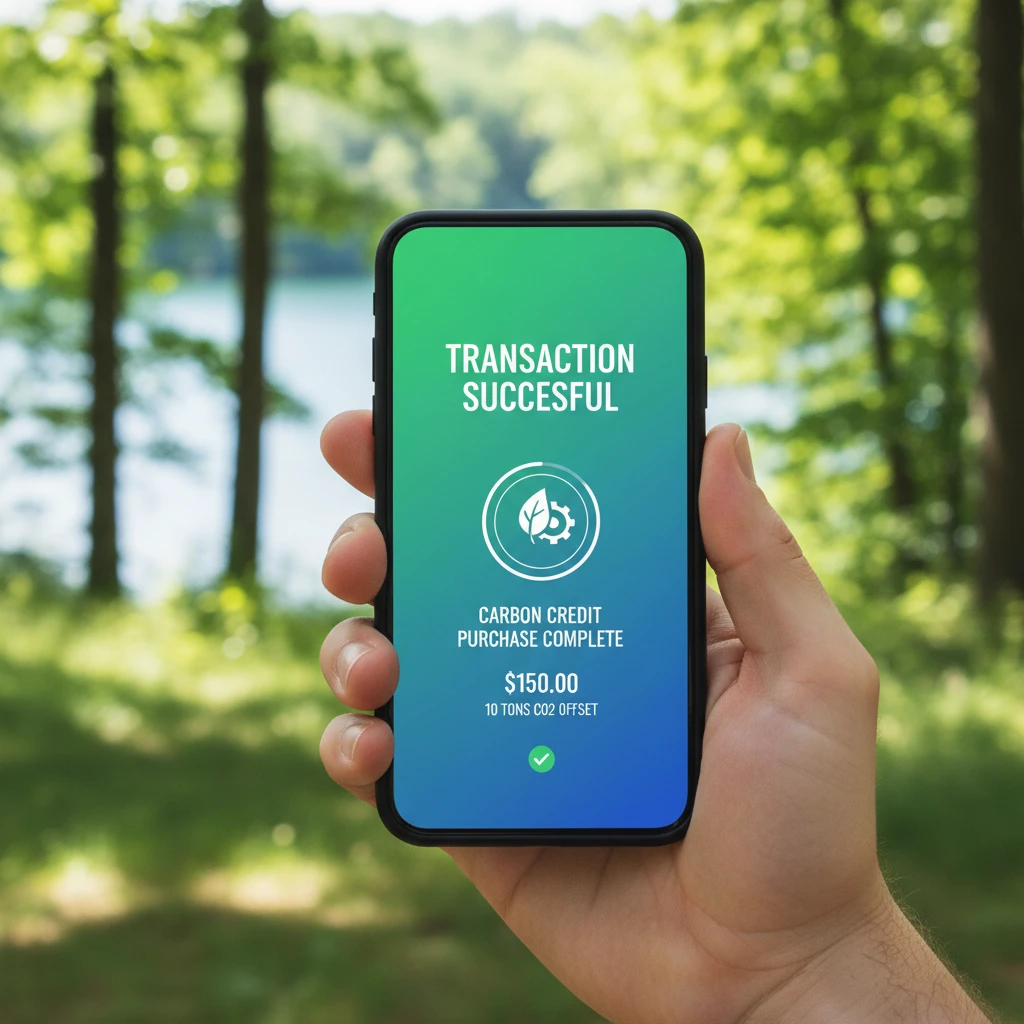
Complete the transaction. Crucially, ensure the credits are “retired” on a public registry. This prevents the same credit from being sold to someone else. You should receive a certificate with a unique serial number.
Step 5: Communicate Transparently
Share your certification with customers or stakeholders. Be precise in your language. Instead of saying “We are green,” say “We have offset 100% of our Scope 1 and 2 emissions through certified NZ native forestry projects.”
People Also Ask (PAA)
How much does a carbon offset cost in NZ?
The price varies significantly based on the project type. As of late 2023 and 2024, New Zealand Units (NZUs) in the ETS have fluctuated between $60 and $80 NZD per tonne. Voluntary native forest credits can command higher prices, often exceeding $100 per tonne due to their biodiversity value, while international renewable energy credits can be purchased for as little as $20-$30 per tonne.
Is carbon offsetting tax deductible in NZ?
Generally, if purchasing carbon offsets is considered a necessary part of operating your business (e.g., for marketing purposes, winning tenders, or corporate responsibility compliance), it may be treated as a deductible business expense. However, tax laws are complex, and you should consult with a qualified NZ accountant to assess your specific situation.
What is the difference between carbon zero and carbon neutral?
While often used interchangeably, “Carbon Neutral” typically refers to balancing emitted carbon with offsets. “Carbon Zero” (or Net Zero) often implies a more rigorous standard involving a reduction pathway consistent with the 1.5-degree global warming limit, where offsetting is a last resort for residual emissions only. Certification bodies like Toitū have specific definitions for each tier.
Can individuals buy carbon credits in NZ?
Yes, individuals can buy carbon credits. Platforms like CarbonClick and Ekos allow individuals to offset specific activities, such as a flight or a year of driving, or to pay a monthly subscription to offset their lifestyle footprint.
Are NZ carbon credits legit?
Yes, provided they are sourced from reputable registries. NZUs are government-backed. Voluntary credits verified by standards like the Permanent Forest Sink Initiative (PFSI) or international standards (Gold Standard, VERRA) are legitimate. Avoid unverified providers who cannot show proof of credit retirement.
Does planting trees count as carbon offsetting?
Simply planting a tree in your backyard does not officially count as a tradeable offset. To be a valid carbon credit, the planting must be measured, verified, and monitored over time to ensure the carbon is actually sequestered and stored permanently. However, planting trees is a positive climate action regardless of official certification.
About The Author
