On-Farm Sequestration Rules
On farm sequestration nz refers to the biological process where vegetation and soil on New Zealand farms capture and store atmospheric carbon dioxide. Regulated primarily through the Emissions Trading Scheme (ETS) and the Zero Carbon Act, it allows landowners to offset agricultural greenhouse gas emissions by maintaining recognized carbon sinks like indigenous forests and woodlots.
The Legal Framework for Sequestration in NZ
The landscape of on farm sequestration nz is governed by the Climate Change Response (Zero Carbon) Amendment Act 2019. This legislation sets the target for New Zealand to reduce all greenhouse gas emissions (except biogenic methane) to net zero by 2050. For the agricultural sector, which contributes nearly half of the nation’s gross emissions, sequestration represents the primary mechanism for mitigating the financial and environmental impact of livestock farming. The rules surrounding what counts as a carbon sink are rigorous, ensuring that carbon removed from the atmosphere is stored permanently or at least for long durations.
Historically, the conversation around agricultural emissions was centered on the He Waka Eke Noa partnership, a joint initiative between the government and industry bodies. While the specific pricing mechanisms for farm-level emissions continue to evolve, the underlying rules for sequestration remain anchored in the NZ Emissions Trading Scheme (ETS). Understanding these rules is critical for farmers looking to future-proof their operations against rising carbon costs and consumer demands for low-carbon produce.

Recognized Carbon Sinks on New Zealand Farms
What is a recognized carbon sink in New Zealand? A recognized carbon sink is a specific type of vegetation that meets the Ministry for Primary Industries (MPI) criteria for carbon storage, typically requiring the area to be at least one hectare with trees reaching at least five meters in height at maturity. Under current on farm sequestration nz rules, not all greenery qualifies. The primary categories include indigenous forests, exotic windbreaks, and woodlots. Indigenous forests are highly valued for their biodiversity co-benefits and are often managed under permanent forest categories, meaning they are intended to remain standing for at least 50 years.
Exotic species, most notably Pinus radiata, are the workhorses of the NZ carbon market due to their rapid growth rates and high carbon sequestration potential. However, the rules distinguish between ‘averaging’ and ‘stock-change’ accounting. Under averaging, farmers are rewarded for the carbon stored over the first rotation of a forest, providing a more stable income stream but limiting the total credits earned compared to long-term permanent indigenous sinks. Understanding these distinctions is vital for land-use planning and long-term financial forecasting.
Riparian Planting and Woodlots: Technical Requirements
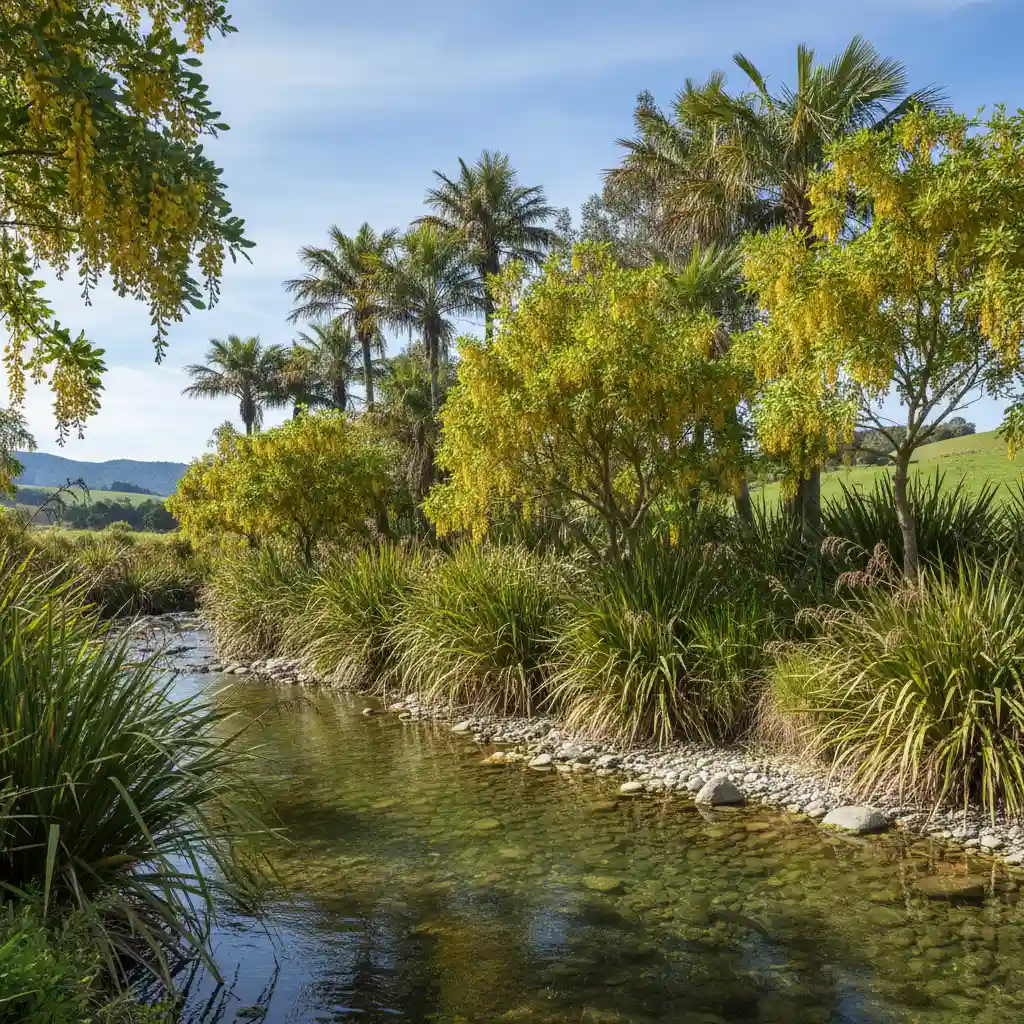
How do riparian plantings and woodlots qualify for sequestration? To qualify for on farm sequestration nz credits, riparian plantings and woodlots must meet the ‘forest land’ definition: they must be at least one hectare in size, have a minimum width of 30 meters, and consist of species capable of reaching five meters in height. Riparian margins, while excellent for water quality and erosion control, often fail to meet the 30-meter width requirement, which has been a point of significant debate in New Zealand agricultural policy.
Woodlots, often planted on marginal or steep land unsuitable for grazing, are more straightforward to register. These areas serve a dual purpose: providing shade and shelter for stock while accumulating carbon credits. For a woodlot to be eligible, it must have been established on ‘post-1989’ land—land that was not forest land on December 31, 1989. This baseline prevents the conversion of existing native forests into plantation forests for the sake of credits, ensuring that the sequestration is ‘additional’ to what was already present in the environment.
Integration with the Emissions Trading Scheme (ETS)
How does on-farm sequestration integrate with the ETS? The NZ Emissions Trading Scheme is the primary tool for pricing carbon. Farmers who have eligible forest land can voluntarily join the ETS to earn New Zealand Units (NZUs), commonly known as carbon credits. One NZU represents one metric tonne of carbon dioxide equivalent removed from the atmosphere. These units can be sold on the open market or held to offset the farm’s own emissions liabilities once agricultural pricing is fully implemented.
The integration process involves several steps: mapping the forest land using GIS software, submitting an application to the MPI, and conducting regular emissions returns. There are two main accounting methods: the Look-up Tables for smaller forests (under 100 hectares) and the Field Measurement Approach (FMA) for larger holdings. The FMA requires physical measurements of tree height and diameter to determine specific carbon stocks, providing a more accurate but more expensive assessment of sequestration. Navigating the ETS requires a long-term commitment, as there are significant penalties for ‘deforesting’ or clearing land that has previously earned credits.
The Status of Soil Carbon and Pasture Sequestration
Can soil carbon be counted in New Zealand? Currently, soil carbon and pasture sequestration are not recognized under the NZ ETS for on farm sequestration nz. While it is scientifically proven that soils hold vast amounts of carbon, the difficulty lies in ‘permanence’ and ‘measurability.’ Soil carbon levels can fluctuate significantly based on management practices, weather events, and land-use changes, making it difficult to guarantee that the carbon will remain sequestered for the long term.
However, research is ongoing. Organizations like the New Zealand Agricultural Greenhouse Gas Research Centre (NZAGRC) are investigating how regenerative farming practices, such as diverse pasture swards and reduced tillage, might enhance soil carbon stocks. Until a robust, cost-effective measurement framework is established, soil carbon remains a ‘co-benefit’ of good land management rather than a tradable asset in the carbon market. Farmers are encouraged to maintain high soil organic matter for productivity and resilience, even if they cannot yet claim credits for it.
Measurement, Mapping, and Compliance Standards
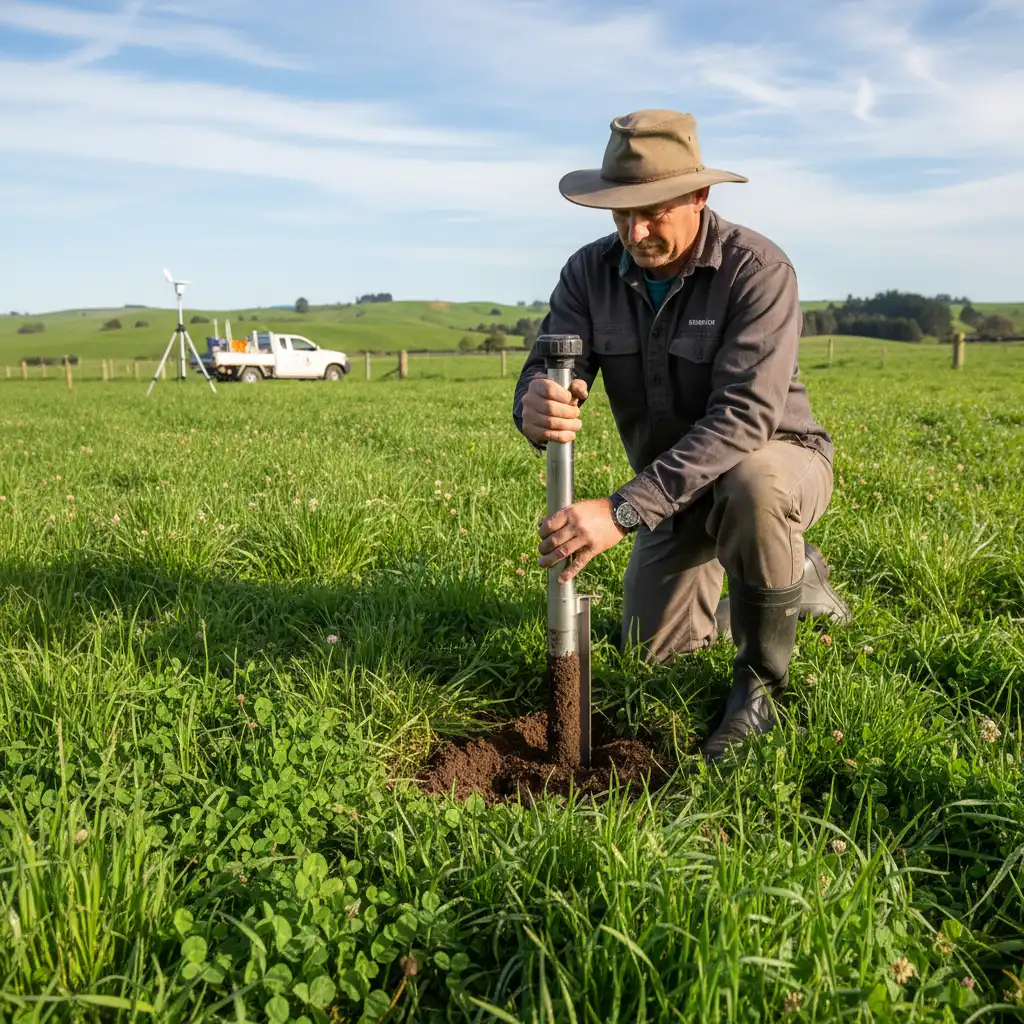
How is on-farm sequestration measured and verified? Compliance for on farm sequestration nz is strictly monitored by the Ministry for Primary Industries. Farmers must provide accurate digital maps of their forest areas, excluding any non-eligible land such as tracks, buildings, or large clearings. These maps are often scrutinized via satellite imagery to ensure the vegetation meets the height and cover requirements. Failure to maintain the forest or accurately report changes can result in ‘surrendering’ units, where the landowner must buy back credits at the current market price to cover the loss of sequestered carbon.
The compliance burden is one of the biggest hurdles for small-scale farmers. Many choose to work with carbon forestry consultants who specialize in ETS administration. These experts help manage the ’emissions returns’—the periodic reports that calculate the carbon gain or loss over a specific timeframe. As the price of carbon in New Zealand remains volatile, accurate measurement and strict adherence to the rules are essential to ensure that sequestration efforts provide a genuine financial hedge against the costs of the Zero Carbon Act.

The Future of On-Farm Sequestration
The future of on farm sequestration nz is likely to see an expansion of recognized categories. There is significant pressure from the farming community to include smaller blocks of trees, scattered shelterbelts, and even individual specimen trees that do not currently meet the 1-hectare ‘forest land’ definition. If the government moves toward a farm-level pricing system, it is expected that a wider range of ‘non-ETS’ sequestration will be recognized to ensure farmers are treated fairly for all the carbon they capture.
Furthermore, the shift toward ‘Nature-Based Solutions’ is encouraging more farmers to look at indigenous reforestation. While indigenous trees grow slower than pines, they offer higher resilience to climate change, better water filtration, and enhanced biodiversity. With the potential for ‘biodiversity credits’ to emerge alongside carbon credits, the financial incentives for diverse on-farm sequestration are set to increase, making land-use diversification a core strategy for the modern New Zealand farmer.
People Also Ask
What trees qualify for carbon credits in NZ?
To qualify for the ETS, trees must be species capable of reaching at least 5 meters in height at maturity in the place they are growing. This includes most native species like Totara and Manuka, as well as exotic species like Radiata Pine, Douglas Fir, and various Eucalypts.
Can I claim credits for existing native bush?
You can only claim credits for ‘post-1989’ forest land. If the native bush was already established forest before 1990, it is considered ‘pre-1990’ forest and generally does not earn credits, though it must be maintained to avoid deforestation penalties.
What is the minimum size for a carbon forest in NZ?
The minimum area is 1 hectare. Additionally, the area must have a minimum average width of 30 meters and have (or be capable of having) tree crown cover of more than 30% in each hectare.
Does soil carbon count toward my farm’s offsets?
Currently, soil carbon is not included in the New Zealand Emissions Trading Scheme or official sequestration rules due to measurement difficulties, though research is ongoing to change this in the future.
How much is a New Zealand Unit (NZU) worth?
The price of an NZU fluctuates based on market demand and government policy. Prices have historically ranged from $20 to over $80 per tonne of CO2, making it a significant variable for farm budgeting.
What happens if my carbon forest burns down?
If a forest in the ETS is destroyed by fire or wind, you are generally required to replant or surrender the carbon credits that were previously earned for that area. This is known as the ‘permanence’ obligation.
About The Author
