
Sustainable Urban Development NZ
Sustainable urban development NZ refers to the strategic planning and construction of urban environments that balance economic growth with environmental protection and social equity. It prioritizes carbon-neutral infrastructure, compact residential growth near transport hubs, and climate-resilient water management systems to meet New Zealand’s 2050 net-zero emissions targets and satisfy...
Read More
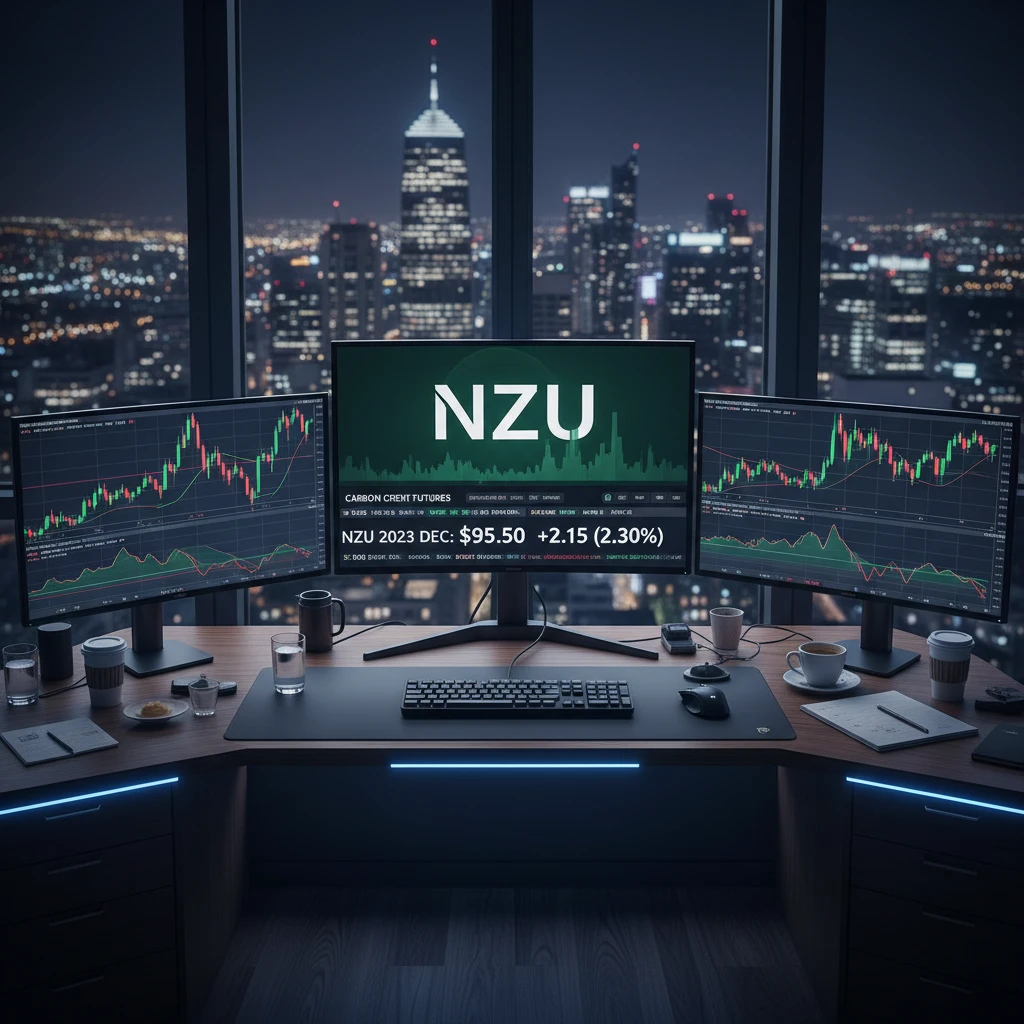
NZU Price Today & Market Analysis
The NZU price today reflects the current spot market value of a New Zealand Unit within the Emissions Trading Scheme. As of late 2024, prices generally fluctuate between $50 and $70 NZD, heavily influenced by government auction results, policy settings, and secondary market demand from industrial emitters and forestry...
Read More

Best Carbon Credit Management Software NZ
The best carbon credit management software in NZ includes Sumday, BraveGen, and Salesforce Net Zero Cloud. These platforms offer specialized tools for tracking New Zealand Units (NZUs), ensuring compliance with the NZ Emissions Trading Scheme (ETS), and integrating seamlessly with local accounting software like Xero and MYOB to automate...
Read More
How to Buy NZ Units (NZU)
To buy New Zealand Units (NZUs), you must first register for a New Zealand Emissions Trading Register (NZETR) account via the Environmental Protection Authority. Once verified, you can purchase units through secondary market brokers, participate in quarterly government auctions, or engage in direct over-the-counter (OTC) trades with foresters or...
Read More

Te Ara Ahunga Ora Carbon Investment
Te Ara Ahunga Ora (the Retirement Commission) carbon investment refers to the strategic integration of carbon credits, specifically New Zealand Units (NZUs), and climate-conscious assets into long-term retirement portfolios. It aligns financial security with New Zealand’s transition to a low-emissions economy, focusing on ethical frameworks, risk mitigation, and sustainable...
Read More

Quarterly ETS Auction Results
ETS Auction results represent the quarterly outcomes of the New Zealand Unit (NZU) sale process, detailing the clearance price, volume of units sold, and total bids received. These results indicate market demand and determine whether safety mechanisms, such as the Auction Reserve Price or Cost Containment Reserve, are triggered...
Read More

Carbon Footprint Audit Booking
Carbon footprint audit booking is the professional engagement of an accredited third-party verifier to validate an organization’s greenhouse gas inventory. In New Zealand’s climate economy, this process ensures data accuracy against ISO 14064-1 standards, enabling businesses to meet mandatory disclosure requirements, enhance brand credibility, and track progress toward net-zero...
Read More
NZ ETS vs Australia Safeguard Mechanism
The Australia Safeguard Mechanism is a regulatory framework requiring the nation’s largest industrial emitters to keep net emissions below specific baselines. Unlike the New Zealand Emissions Trading Scheme (NZ ETS), which is a broad-based cap-and-trade system, the Safeguard Mechanism focuses on heavy industry, utilizing a baseline-and-credit model to drive...
Read More

Carbon Credit Tax Implications NZ
Carbon credit tax in NZ is governed by the Inland Revenue Department (IRD), which treats New Zealand Units (NZUs) as revenue account property. This means that income derived from selling carbon credits is generally taxable, while the costs of acquiring units are deductible. GST applies at the standard 15%...
Read More

Voluntary Carbon Markets in NZ
Voluntary carbon markets in NZ allow organizations and individuals to purchase carbon credits to offset emissions voluntarily, separate from mandatory government schemes. Unlike the New Zealand Emissions Trading Scheme (NZ ETS), participation is driven by corporate social responsibility, brand reputation, and environmental commitment, facilitating investment in diverse local and...
Read More